Foreign Ownership of U.S. Agricultural Land Still Growing
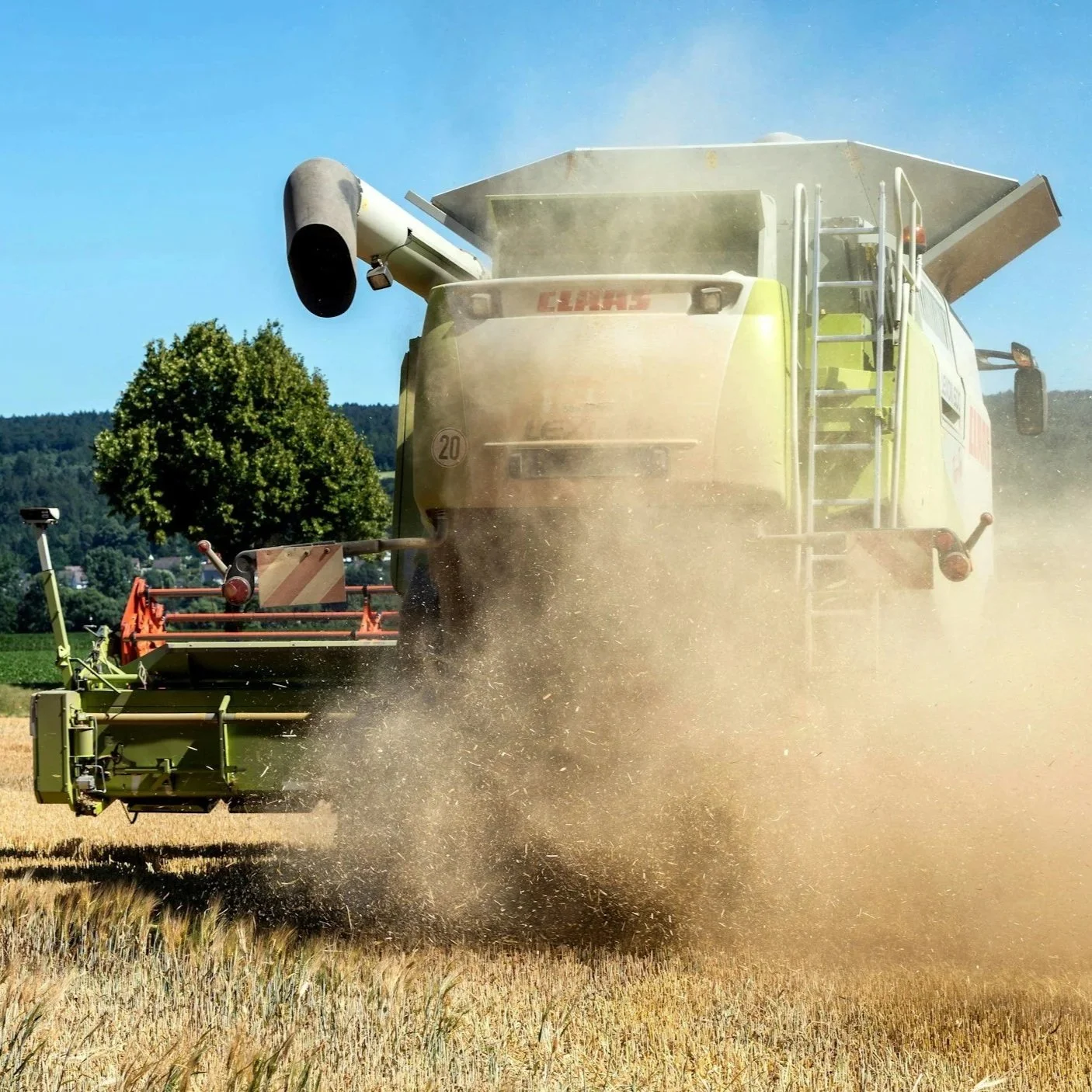
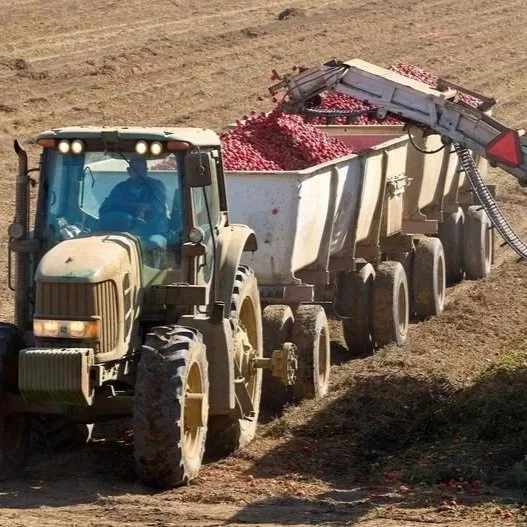
Foreign ownership of U.S. land is a widely debated issue, driven by concerns about national security, agricultural productivity and long-term implications for U.S. agriculture. USDA released updated foreign ownership data for 2024, detailing what foreign investments exist on farmland, where those investments are concentrated and which countries account for the largest holdings.
Read More
The Zachary FFA Chapter of Louisiana Named 2026 Premier Chapter: Building Communities
The Zachary FFA Chapter of Louisiana was named the 2026 Premier Chapter: Building Communities during the fifth general session of the 99th National FFA Convention & Expo this year in Indianapolis.
The Zachary FFA Chapter of Louisiana created an activity titled “Farm-to-School,” where they developed interactive presentation stations to teach local pre-K students about healthy eating with fruits and vegetables.
Read More
LDWF Sets Burn Ban in Place on Its Public Lands
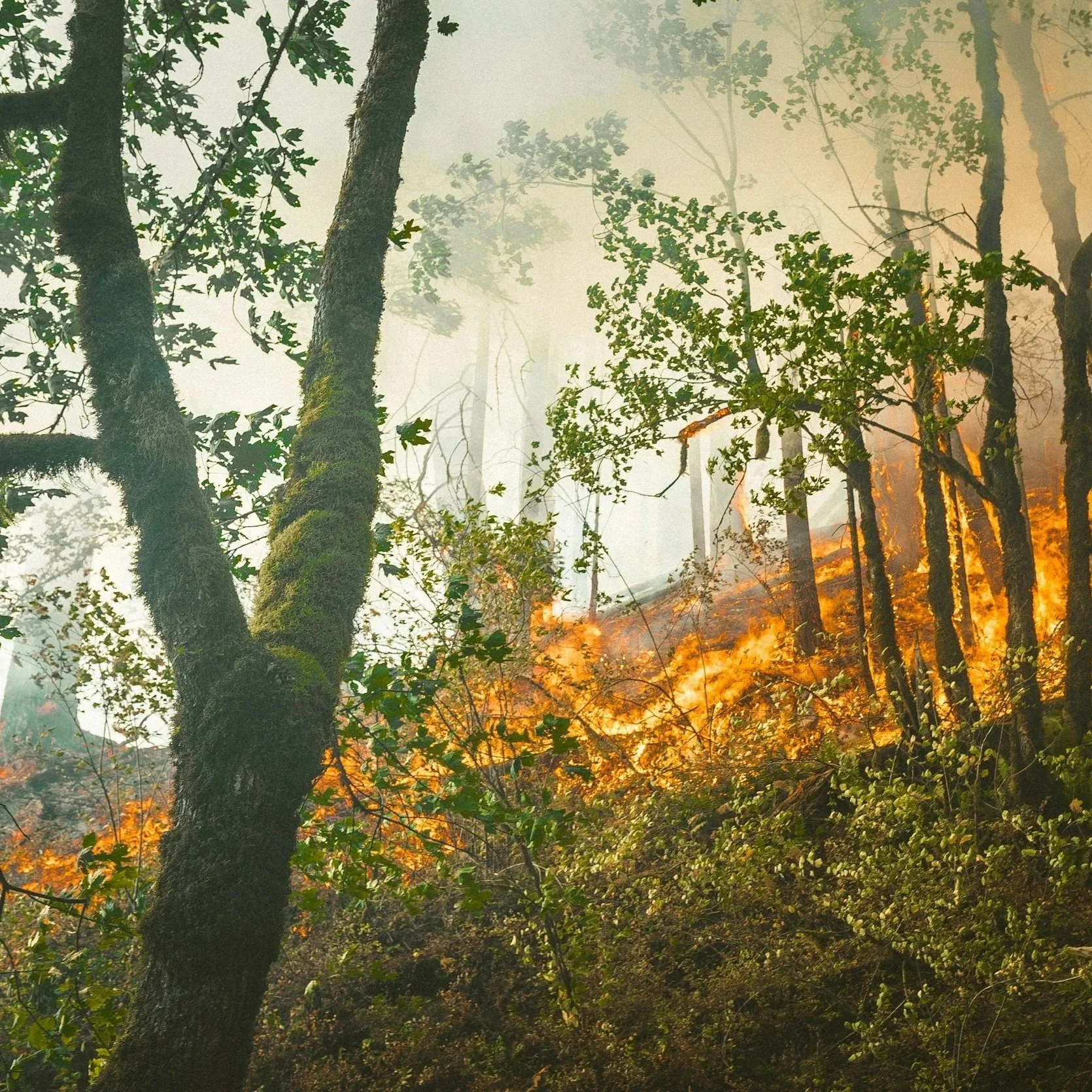
The Louisiana Department of Wildlife and Fisheries (LDWF) is reminding Wildlife Management Area (WMA) hunters and outdoorsmen of a burn ban in many parishes due to extremely dry conditions.
The bans include the burning of trash and vegetation, as well as any other open burning. For this reason, LDWF is restricting open fires, including campfires, on WMAs in these parishes until conditions improve and the burn bans are lifted.
Read More
Vernon Parish Clears Path for 10,000-acre Treaty Oak Solar Installation Near Pitkin
The Vernon Parish Police Jury voted unanimously to lift a temporary moratorium on solar farms during a special meeting held Oct. 23.
The meeting was held at the same time as the Homecoming parade at Leesville High school.
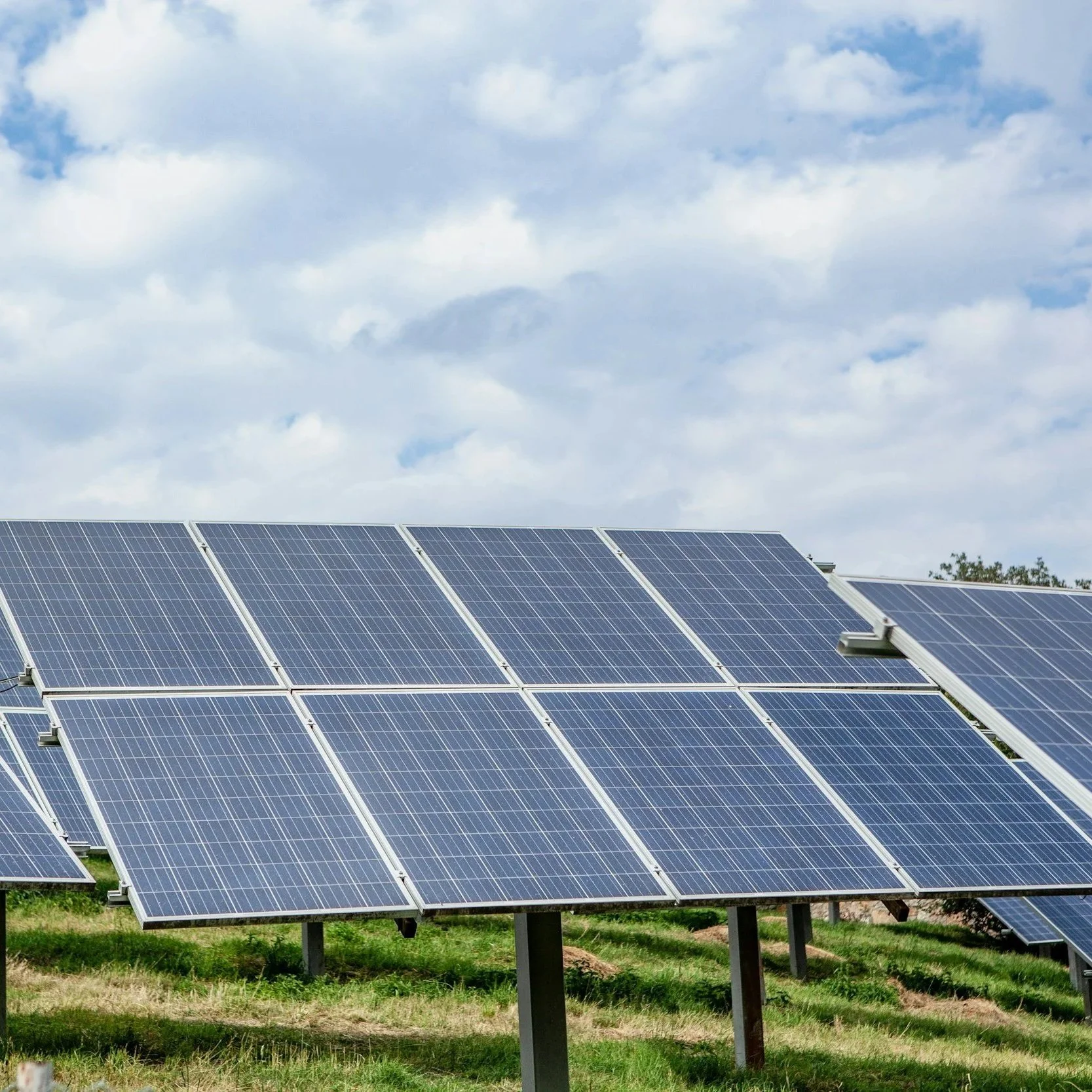
Treaty Oak Energy Company plans to build a 10,000-acre solar farm along the Rapides Parish line near Pitkin.
Read More
Secretary Rollins and NASA Administrator Isaacman Sign MOU to Advance USDA Data Modernization Plan
U.S. Secretary of Agriculture Brooke L. Rollins and National Aeronautics and Space Administration (NASA) Administrator Jared Isaacman signed a Memorandum of Understanding (MOU) between the U.S. Department of Agriculture (USDA) and NASA that will strengthen USDA’s data quality and help ensure that American farmers and ranchers benefit from and have access to cutting-edge technologies.
Read More
The Farm Pressures You Can't See at the Grocery Store
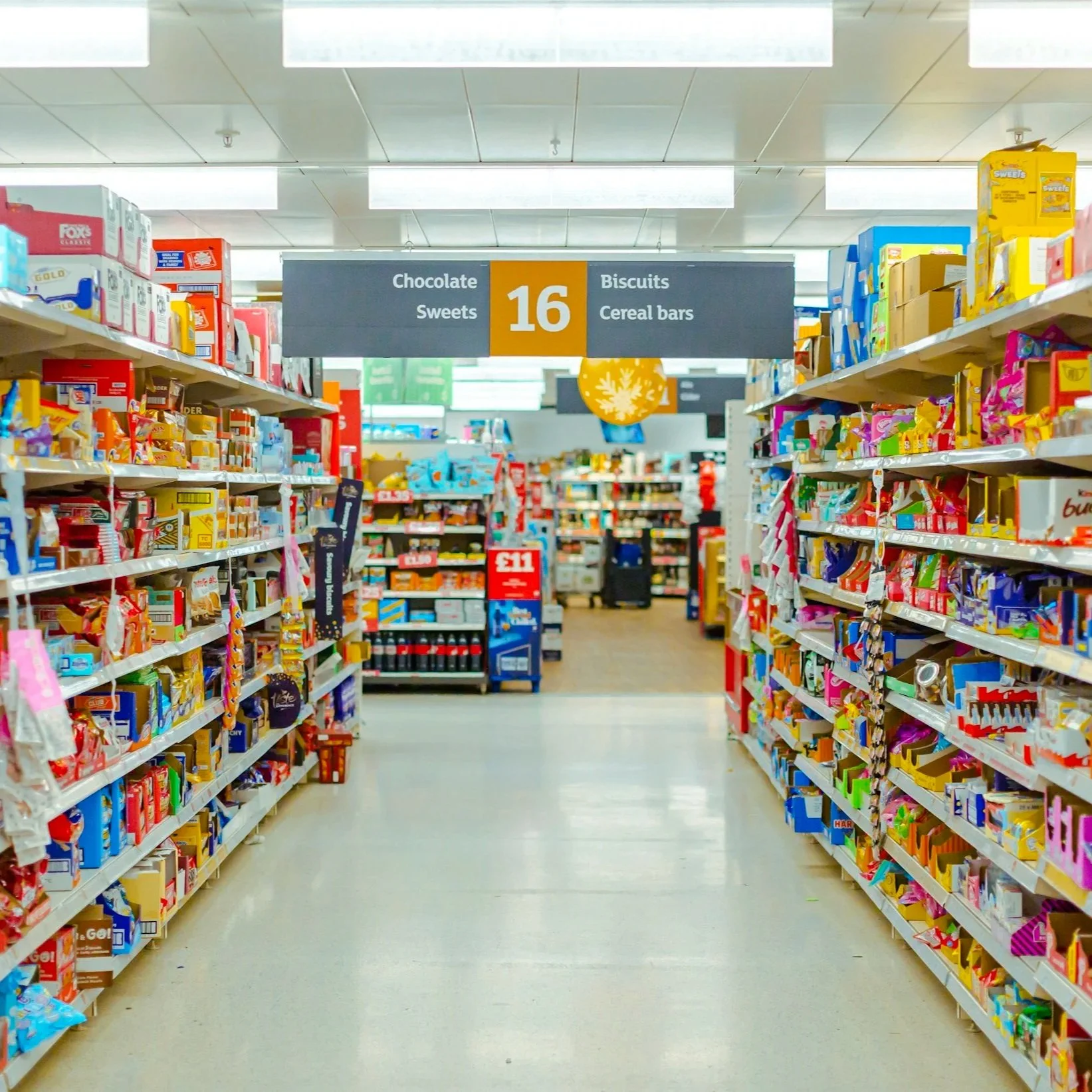
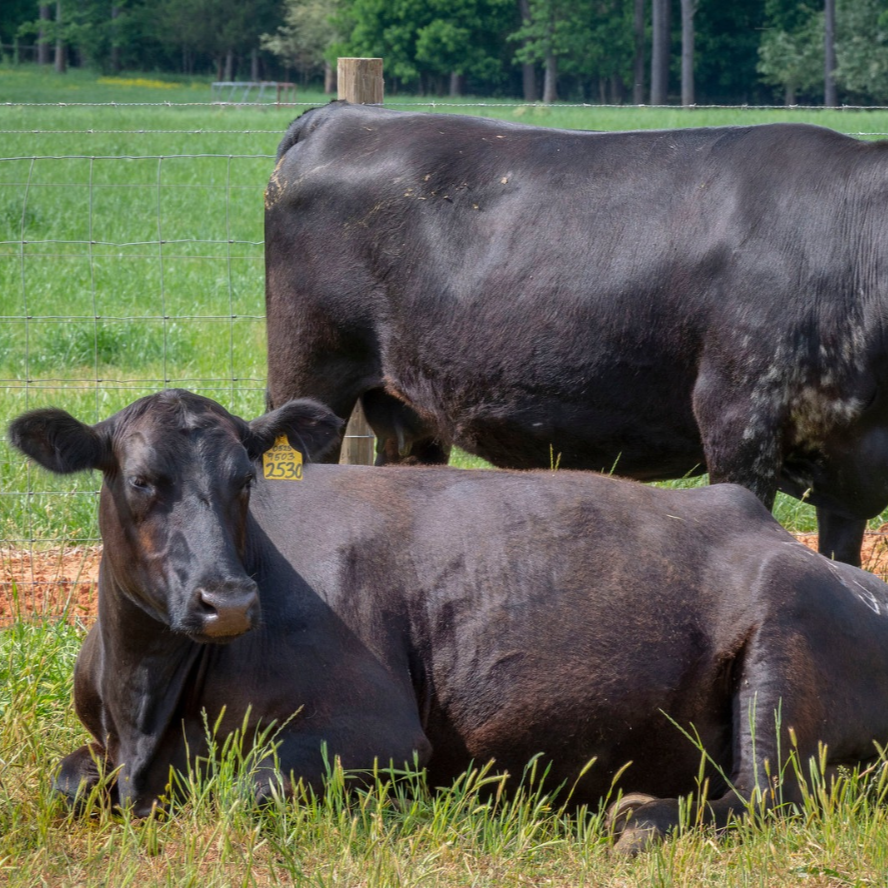
If you bought beef recently, you probably experienced sticker shock over high prices; yet farmers are experiencing the opposite shock, as the price they’re paid for their cattle falls. How can that be? It’s the result of a complex food supply chain, and beef isn’t alone. It’s a scenario playing out across a variety of agricultural products: big disparities between retail prices and farm gate prices. Before we delve into shoppers’ perceptions about it, let’s compare.
Read More
Diesel Aid Could Push 2026 Payments To Farmers At Record $55 Billion
Progressive Farmer's Chris Clayton reported Tuesday that USDA's recently announced Harvest Fuel Relief Program could "push US government payments to farmers in 2026 to $55.4 billion, based on USDA's earlier net farm income forecast with $8 billion added to it. The highest previous aid year was $45.6 billion in 2020, driven by trade aid and pandemic payments."
Read More
Iraq Continues US Rice Purchses
Al Awees, the Iraqi government’s buying agent, confirmed another 44,000 metric ton (MT) purchase of U.S. rice yesterday, with the vessel expected to sail in January 2027. This sale builds on a purchase covering two vessels made this summer, and marks the first shipment of the 2027 USA Rice-Al Awees memorandum of understanding (MOU) which calls for the purchase of 200,000 MT of U.S. rice annually.
Read More
Louisiana Crops Newsletter: October 2026
Choice of varieties for planting is a crucial management decision that sets the stage for yield potential and input costs. While grain yield is the most important factor, test weight, disease resistance, and heading date are important considerations as they also impact economic return.
Test weight is important because low test weight results in dockage at the elevator. Heading day is a function of cold requirement (vernalization) and day length (photoperiod) response that determines when a variety heads out.
Read More
Higgins Encourages Louisiana Farmers to Utilize Trump USDA's New Harvest Fuel Relief Program
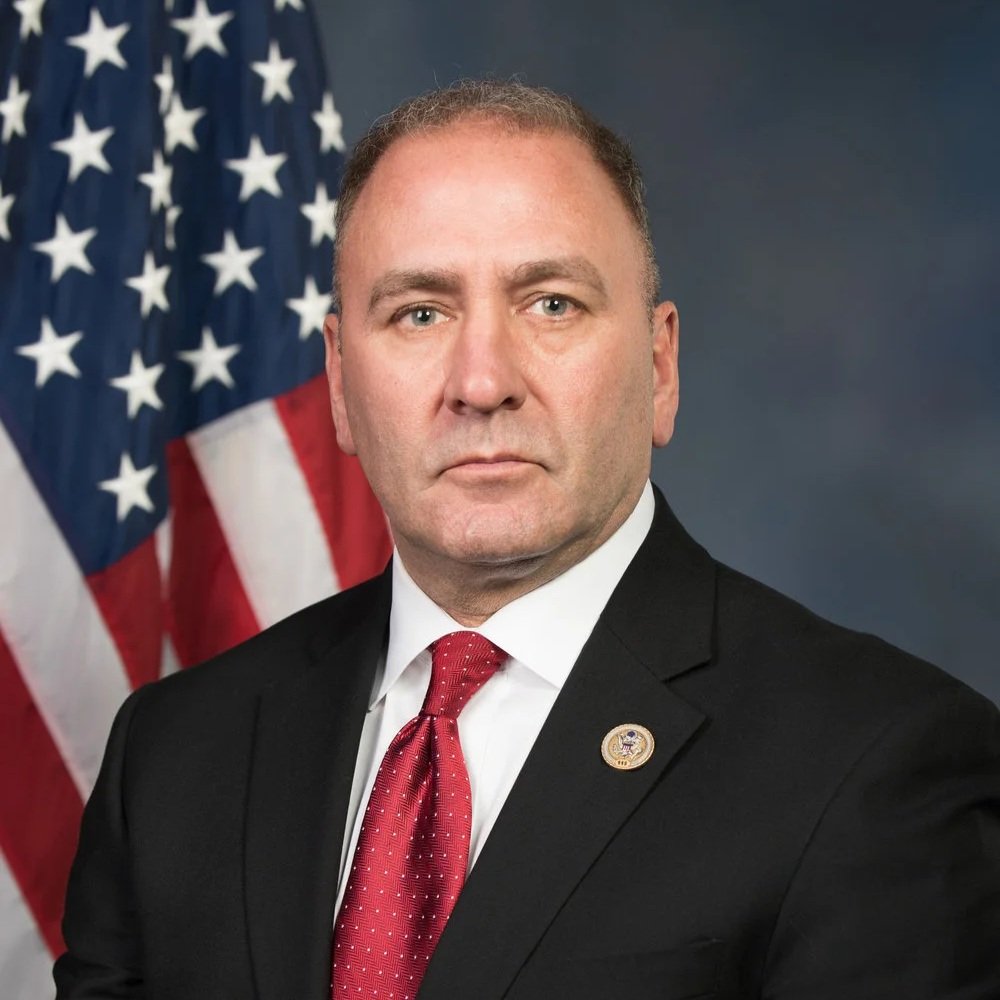
Congressman Clay Higgins (R-LA) today launched a new webpage to help Louisiana farmers prepare for the U.S. Department of Agriculture’s new $8 billion Harvest Fuel Relief Program. Announced by President Trump and Secretary Rollins earlier this week, the program will provide one-time payments to farmers facing high fuel costs and market disruptions this harvest season. Congressman Higgins commended the Administration’s action and encouraged eligible constituents to take steps now to be ready when applications open.
Read More
New World Screwworm Detected in Hunter-Harvested Elk in Pecos County
On Oct. 21, the Texas Parks and Wildlife Department (TPWD) received confirmation of a detection of New World screwworm (NWS) in a hunter-harvested female elk in Pecos County. A sample was collected from the elk and was identified and confirmed as NWS at the ARS Knipling-Bushland U.S. Livestock Insects Research Laboratory in Kerrville.
This detection highlights the critical role hunters, landowners, outdoor enthusiasts and wildlife professionals play in helping detect and manage the spread of NWS.
Read More
Following President Trump's Executive Orders, USDA Updates Its Cash Cattle Market Reports to Advance Transparency
Today, U.S. Secretary of Agriculture Brooke L. Rollins announced an update to the U.S. Department of Agriculture’s (USDA) Agricultural Marketing Service’s (AMS) Livestock Mandatory Reporting (LMR) cash cattle reports as part of the Department’s broader effort to implement two of President Trump’s Executive Orders on “Supporting American Ranchers” and “Promoting Fair Competition in Livestock Markets and Expanding Market Access for American Meat Producers” to bring greater transparency to cattle market cash reporting.
Read More
Trump’s Tax-Exempt Diesel Draws Skepticism From Farmers, Eludes Others
US President Donald Trump signed an executive order this month to expand access to tax-exempt diesel as soaring prices frustrate voters ahead of midterm elections. But farmers say it is too risky to use the fuel on public roads, while some other drivers do not have access to it.
Trump has sought to lower prices and boost his sagging approval ratings through a series of actions focused on fuel, including an $8 billion financial support program he announced on Monday to offset diesel costs for farmers during the autumn harvest.
Read More
Louisiana Farm Bureau and Agricultural Groups Urge Timely Release of Additional H-2B Visas
The Louisiana Farm Bureau Federation joined Louisiana Agriculture and Forestry Commissioner Dr. Mike Strain and other state agricultural organizations in urging federal officials to release the maximum allowable number of supplemental H-2B visas for fiscal year 2027 to help seasonal businesses address labor shortages.
Read More
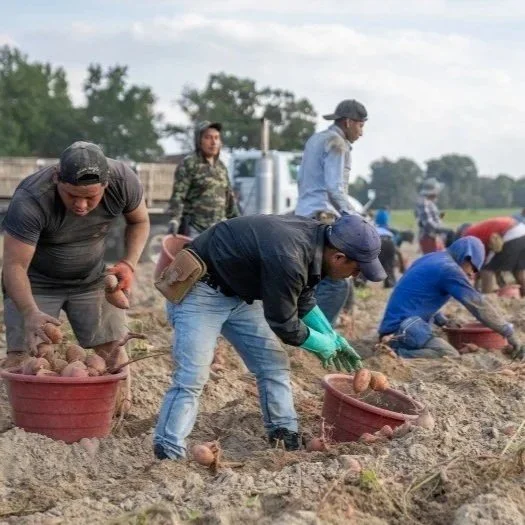
Who Harvests America’s Food? The Role of H-2A in U.S. Agriculture
Every harvest season, I get some version of the same question:
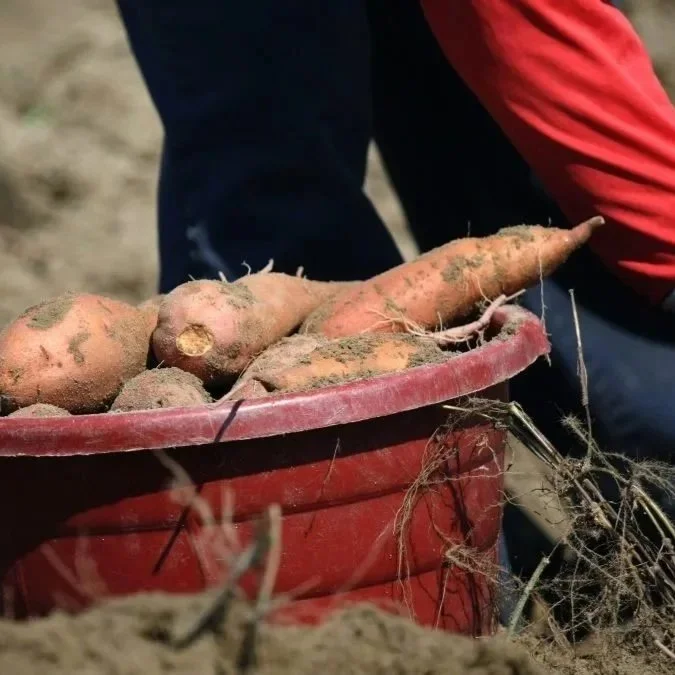
“Why don’t farmers hire Americans workers to harvest the sweet potatoes in Mississippi?”
The difficult reality is that, in many rural communities, a sufficiently large and dependable domestic seasonal workforce simply does not exist.
Read More