Louisiana Agriculture: Trade, Fuel Costs, Harvest Safety and Fall Crops
Louisiana Agriculture Commissioner Dr. Mike Strain joined Mornings With Brian Haldane to discuss agriculture, international trade and the challenges facing Louisiana farmers. Strain highlighted efforts to strengthen Louisiana’s relationship with the United Kingdom through a new Louisiana-United Kingdom Trade Commission.
Louisiana already exports billions of dollars in goods to the U.K., including rice, beef, wood pellets, cotton, soybeans and petrochemicals.
Read More
Bossier Parish Police Jury Highlights 4-H, Local Champions and Parish Growth
The Bossier Parish Police Jury recognized local youth, approved several parish projects and received an update on population growth during its Oct. 7 regular meeting.
The meeting included a celebration of National 4-H Week, with Erica Derma, Bossier Parish 4-H parish chair, highlighting the work of local 4-H members.
Read More
Rapides Parish Issues Burn Ban Due to Dry Conditions
Due to extremely dry conditions throughout the parish, Rapides Parish Police Jury President Craig Smith has issued a burn ban order for all private burning.
The order is effective immediately and will remain in effect until rescinded.
Read More
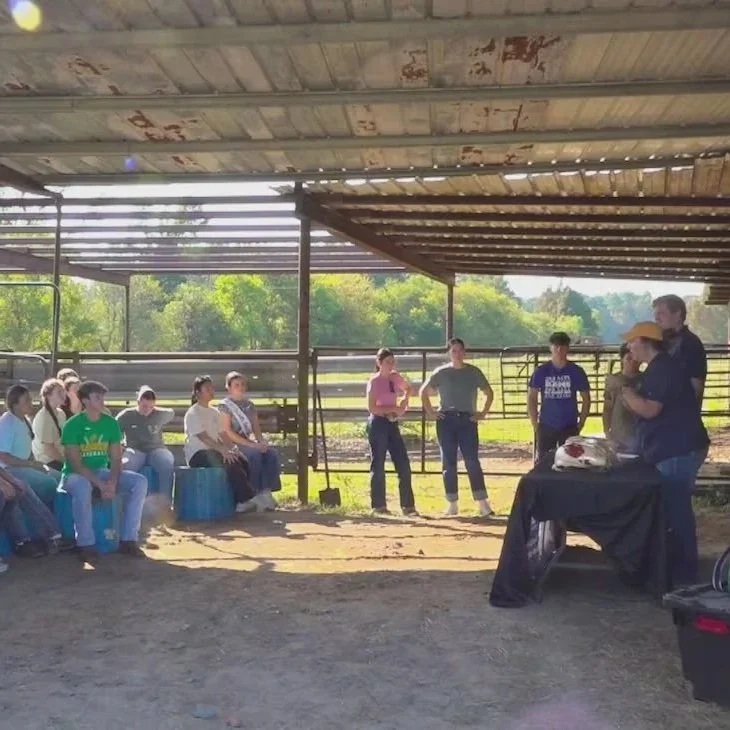
Vernon Parish Youth Day Informs Next Generation on Agriculture Careers
The Vernon Parish Youth Day event invited up to 170 students from Vernon and Rapides Parish schools to learn about the different career fields in agriculture.
Organizers focused the event on the need for younger farmers, as the average age for a farmer is 60. There are multiple careers to choose from, but when work becomes harder for those to keep up, it’s crucial to keep the interest of the next generation.
Read More
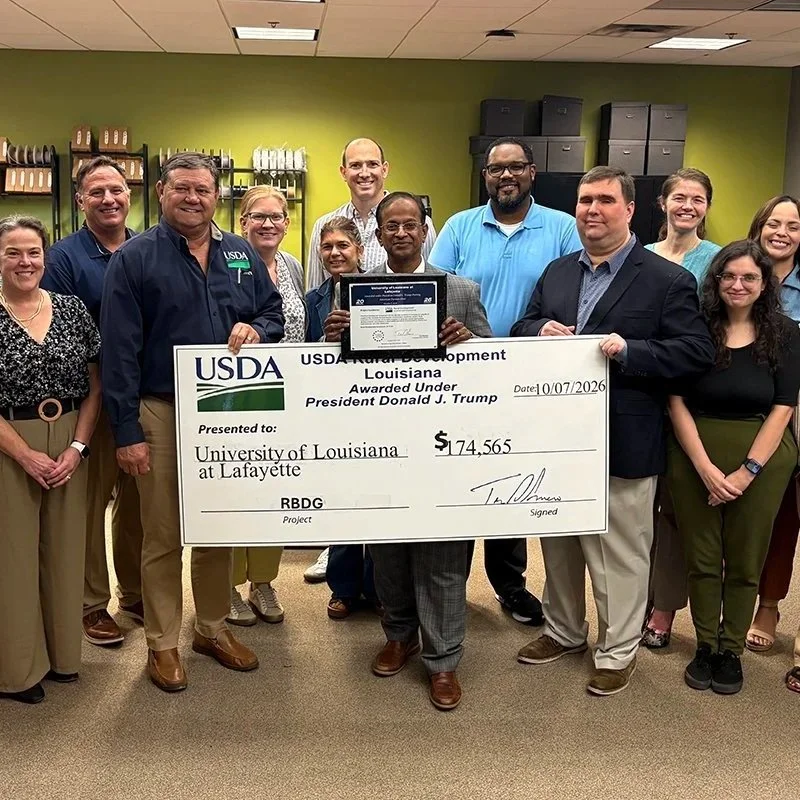
UL Lafayette Receives Second USDA Grant to Expand Support for Rural Businesses
The University of Louisiana at Lafayette has received a $174,565 grant through the U.S. Department of Agriculture’s Rural Business Development Grant Program to expand support for entrepreneurs in rural communities across Acadiana.
The grant, the University’s second USDA Rural Development award supporting its Rural Economic Development Innovation Initiative, or REDII, will establish the Rural Enterprise and Innovation Accelerator, or REIA.
Read More
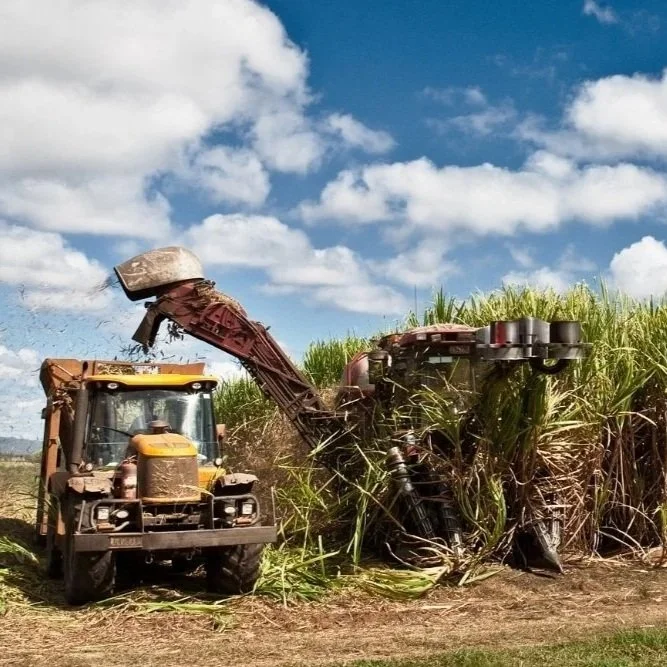
According to Agriculture Commissioner Dr. Mike Strain, 2026 Louisiana Sugarcane Harvesting Season is Going Well
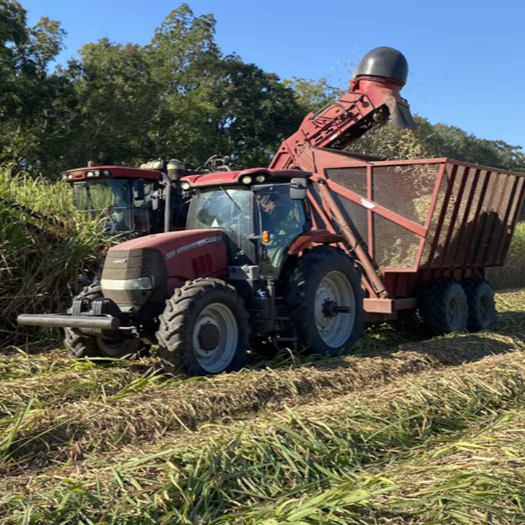
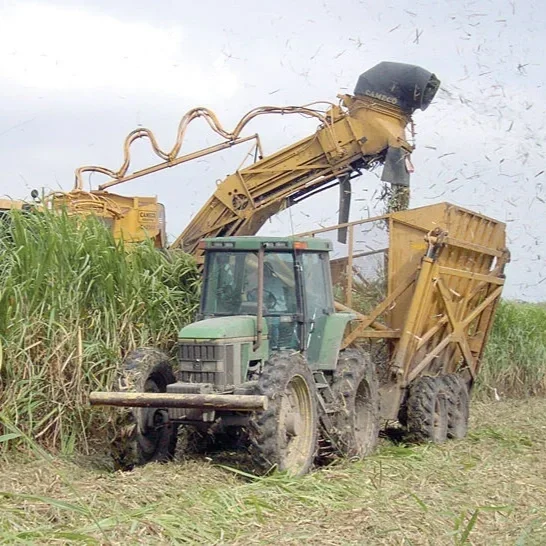
The Louisiana Sugarcane harvest is underway and the state’s Agriculture Commissioner, Mike Strain, says it is going well. Heading into the season there was a concern about the pasture mealybug, an invasive species first identified in Louisiana last year. Strain says the small, white pest likes to drink sugar.
Read More
USDA Announces $1.8 Billion in 2026 Conservation Program Payments
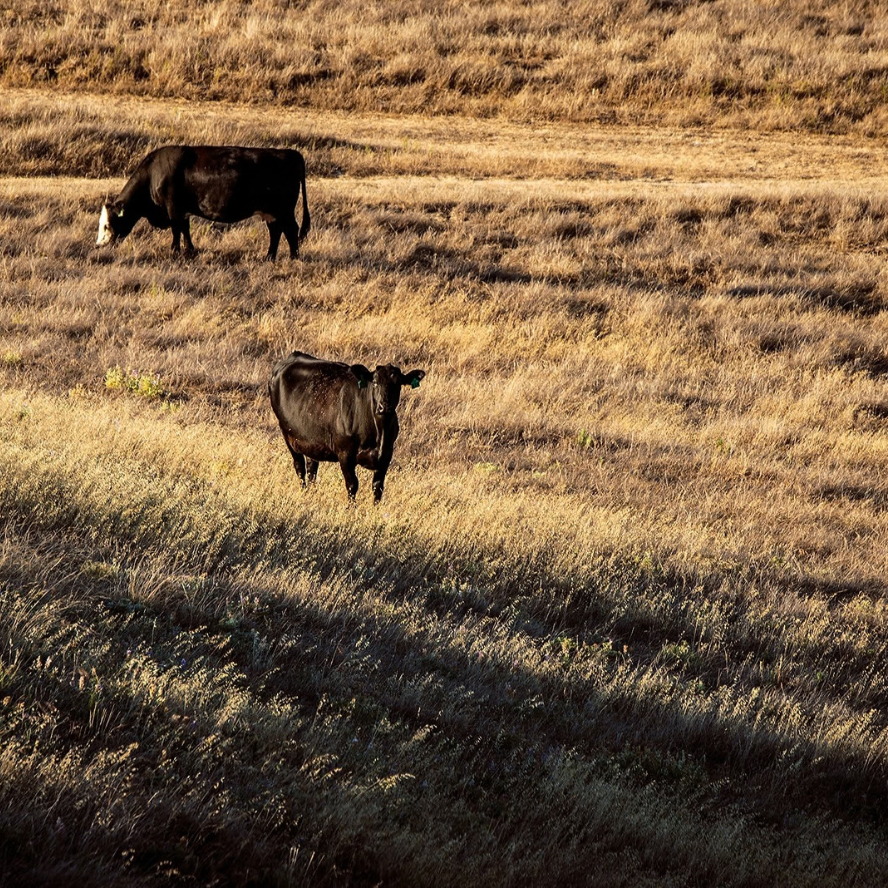
The U.S. Department of Agriculture (USDA) announced today it is issuing approximately $1.8 billion in Conservation Reserve Program (CRP) payments to agricultural producers and landowners for their participation in key conservation programs for 2026. These payments include Grassland CRP payments that play an important role in the Trump Administration’s Ranchers First Initiative announced by USDA Secretary Brooke L. Rollins that includes sweeping actions focused on rebuilding the Great American Cattle Herd and putting America’s ranchers back at the center of our nation’s food supply.
Read More
SU Ag Center To Continue Its Free Teletherapy Services For Rural Communities
The Southern University Ag Center’s free virtual counseling program “Rural Connections for Rural Resilience,” has reopened for enrollment.
The program, which is open to adults, aims to combat alarming mental health trends by providing free teletherapy services to rural communities where access to mental health services is often limited due to geographical barriers.
Read More
USDA Announces Record Payments Of $13.8 Billion For 2025 Crop Year Revenue And Price Safety Net Programs
U.S. Secretary of Agriculture Brooke L. Rollins announced that the Farm Service Agency’s Agriculture Risk Coverage (ARC) and Price Loss Coverage (PLC) will generate approximately $13.8 billion in gross payments to eligible agricultural producers for the 2025 crop year; the largest annual payout by far since these key safety net programs were established in the 2014 Farm Bill.
Read More
Harvest Season Begins for Sugarcane in Louisiana
Through the months of October to December, farmers across the state begin their harvest of sugarcane. The crop has grown for the last 200 years in Louisiana, becoming a staple in its agriculture and economy.
Director of LSU AgCenter’s Audubon Sugar Institute, Dr. Gillian Eggleston, said the harvest time has varied in recent years due to the crops’ success.
Read More
Journey From Farm to Table at This Inaugural Fundraiser
Baton Roots, a local community farm and garden network, is hosting a one-of-a-kind farm-to-table experience to raise funds this Saturday, Oct. 10.
Since the farm’s produce is plentiful and flavorful, Baton Roots director Mitchell Provensal and Walls Project executive director Dr. Ashlyn Harrison decided the best way to show it off was with a direct farm-to-table meal held on the farm grounds. Thus, the idea for the first Boots on the Farm fundraiser came about.
Read More
USDA Awards Nearly $75K To Strengthen Sugarcane Bagasse Economy in Lafourche Parish
The U.S. Department of Agriculture Rural Development is awarding nearly $75,000 to the South Central Planning and Development Commission.
Read More
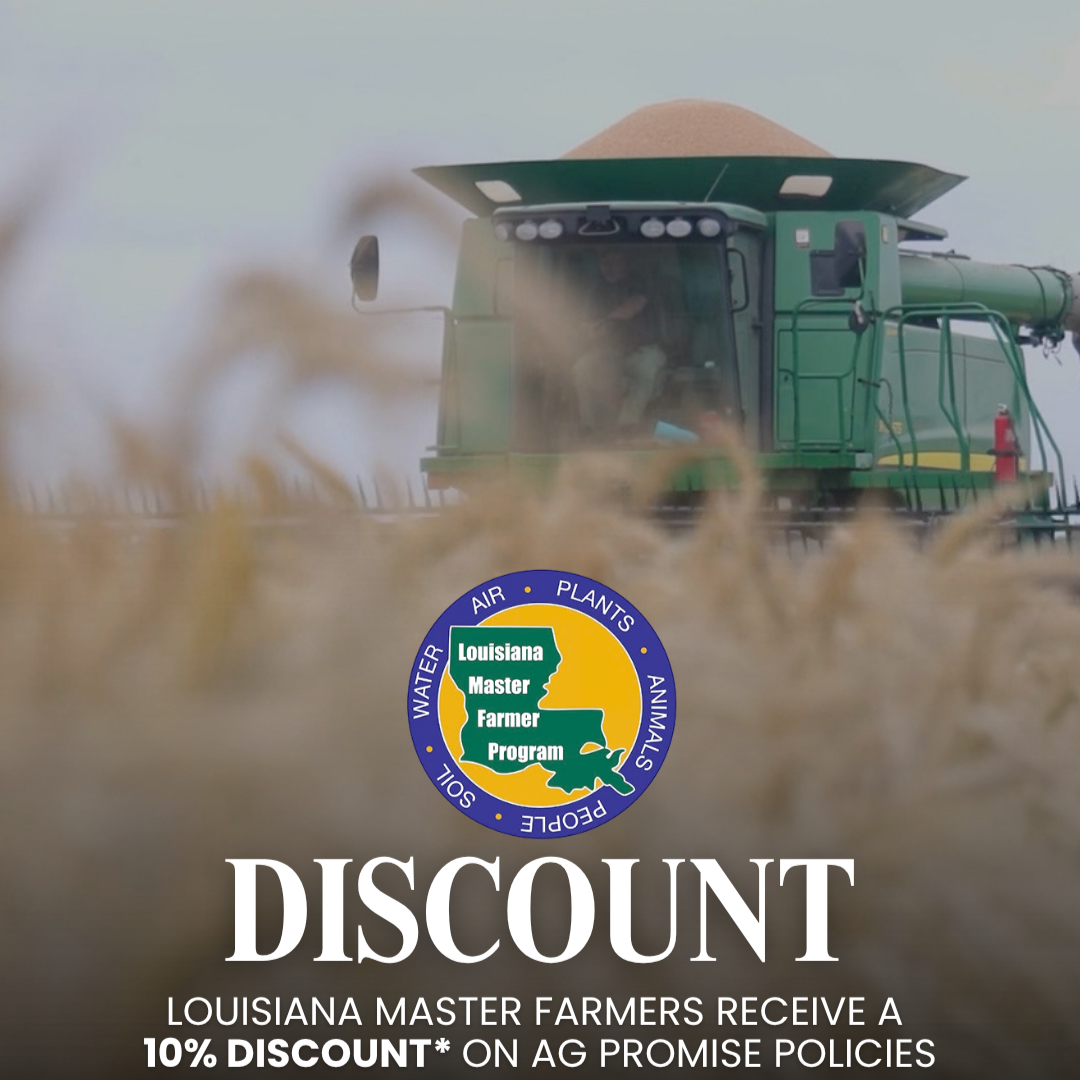
Louisiana Master Farmers Receive Discounts from Louisiana Farm Bureau Insurance
Louisiana Farm Bureau Insurance is giving the state’s farmers and ranchers another reason to join the Louisiana Master Farmer Program administered by the LSU AgCenter. Master Farmers in good standing will receive a 10% discount on Ag Promise policies starting November 1, 2026.
Read More
October Cow Country Reporter
Check out the October edition of the Cow Country Reporter for the latest news and updates affecting the U.S. cattle industry, including cattle imports from Mexico, feedlot numbers, signs of a potential herd rebuild, U.S.-China beef trade and more.
Read More
The Farmer's Forecast: A Storm in the Gulf
We now have Tropical Depression 9, and by the time you're reading this will likely have Tropical Storm Isaias. This system should gather strength over the next few days as it slowly moves eastward and then turns to the north. The initial forecast track brings this inland as a category 1 or 2 hurricane near the Alabama Mississippi border.
Read More