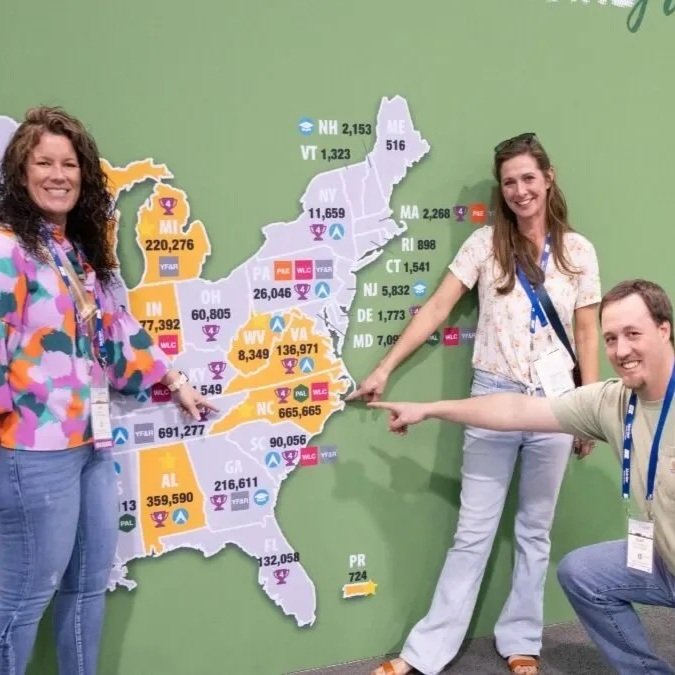
For the middle schoolers at the Northwest Region 4-H Challenge Camp last week, teaming up to play cornhole, kickball and giant volleyball wasn’t just fun and games.
Consolidation in ag, higher input prices, land access issues and other obstacles are making it hard for young farmers to gain a foothold in U.S. agriculture.
The U.S. Department of Agriculture (USDA) today announced proposed updates to federal line speed regulations in poultry and pork establishments operating under modern inspection systems. These updates reflect years of data and experience, and are designed to lower costs for American families, reduce outdated regulatory barriers for processors, and support a more efficient and resilient food supply.
House Agriculture Chair G.T. Thompson (R-Pa.) has finally released his eagerly awaited farm bill text and has scheduled a markup for the week of Feb. 23, but the package is facing obstacles that make advancing it look like a tall task.
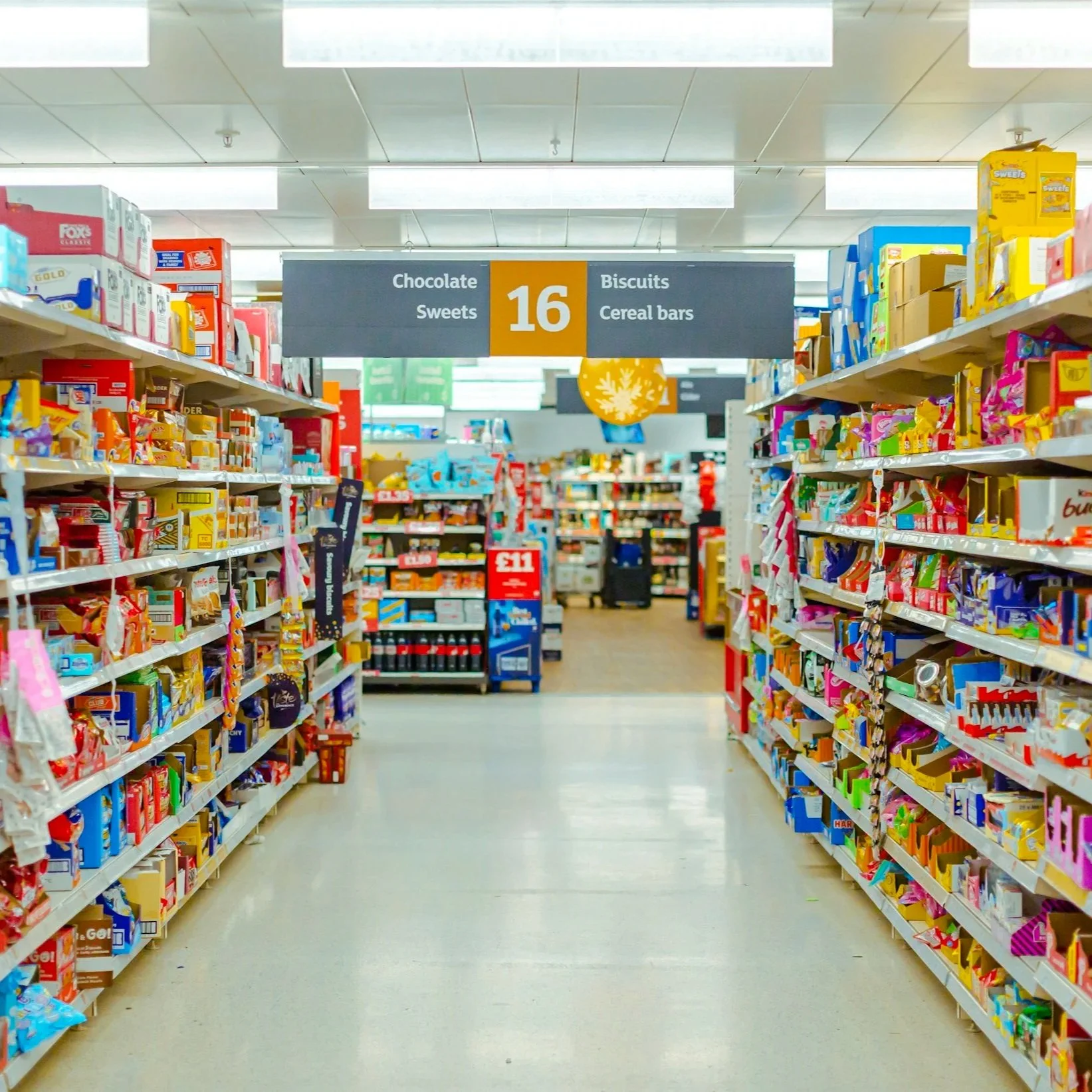
Sugar is certainly a staple in lots of our favorite treats — sodas, candy, baked goods, just to name a few. Despite it being so common, many people don’t seem to know much about how sugar is created. It’s an interesting process going from a plant to the sweet, white crystals that we put in our food.
Last week, more than 300,000 attendees packed the Kentucky Exposition Center in Louisville during the National Farm Machinery Show. The event was particularly special because it was celebrating its 60th year.
Grain bin entrapments continue to pose very serious dangers to farm workers across rural America. New U.S. Department of Agriculture data shows 2025 was a record year for corn production, with more than 17 billion bushels harvested nationally. At the same time, corn stockpiles are expected to reach their highest level in eight years, creating an even greater need for proper storage and management of grain.
The number of U.S. farms shrank by 15,000 in 2025, bringing the total to 1.865 million, USDA said (last week) in its Land in Farms report. This continues a long-lasting trend of declining farm numbers. Analysis from the American Farm Bureau Federation noted that farm bankruptcies were also on the rise.
Corn and soybean prices have trended down for more than three years, squeezing margins. As preparations for the 2026 crop begin, are farmers looking at another tight year? Experts indicate most likely yes. What about the year after that and beyond? Maybe.
Like a lot of people who grew up in Louisiana, LSU AgCenter horticulturist Jason Stagg has fond memories of eating casseroles and other dishes his mother prepared using mirlitons — a unique squash that has been grown in the state for generations.
Acadiana’s Mardi Gras takes the gold. Purple, green and gold, actually. This from someone who was born and raised in New Orleans. I spent my early Februarys on a wooden bench on top of a ladder, soaking in the Carnival. As I grew older, I branched out into attending Mardi Gras balls, dragging the Quarter, even riding in the parades giving progress reports. When I moved to Acadiana after college, (a girl must have a job…), I thought I’d lost Mardi Gras as I knew it forever. But I was wrong.
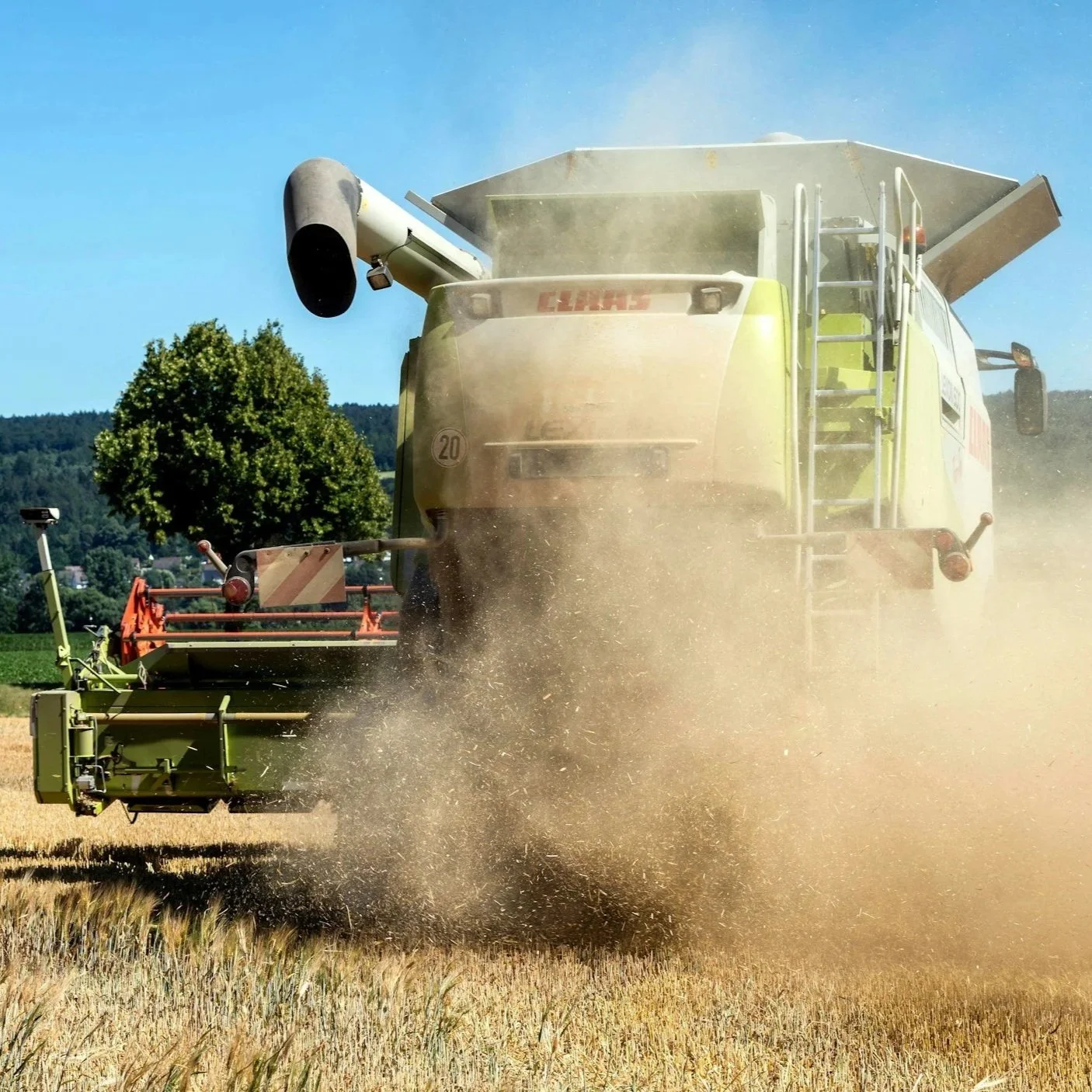
John Deere’s Deanna Kovar details how the company is cutting parts costs, adjusting production and responding to EPA moves on Right to Repair and DEF as farm income pressure keeps the ag equipment market in a downturn.
This week, the USDA announced awardees for two of its export support programs.
The department’s Foreign Market Development (FMD) Program and the Market Access Program (MAP) are cost-share partnerships that help U.S. producers build and maintain a competitive presence in the global marketplace, according to USDA.
With a pair of scissors in hand and a crowd of excited supporters crammed into the hallway around him, Eric Greely beamed as he cut a red ribbon spanning the doorway of a new food pantry for students at Capitol High School in Baton Rouge.
A slimy pest is plaguing Louisiana - causing utter destruction for crawfish and rice harvesters.
The apple snail, native to South America, is an invasive species that carries a parasite called rat lungworm, which can be fatal to humans and devastating to crops.
As we look ahead to another year of challenges in the farm economy, indicators of farm financial health are under close inspection. Filing for Chapter 12 bankruptcy is a last resort for farmers who have undertaken large debt to continue operating with increased flexibility for payments. AFBF Market Intel reports have long followed annual filings of Chapter 12 family farm bankruptcies, and this year’s uptick is another reminder of the strain American farmers and ranchers face.
Louisiana Gov. Jeff Landry (R) issued a disaster declaration for the crawfish industry Wednesday, according to a press release.
I had my first platter of boiled crawfish for the 2026 season last week, and it was well worth the wait.
Crawfish Time on Ridge Road in Lafayette was bustling the week before Mardi Gras, with crowds in the restaurant and drive-thru focused on one thing: putting away 3 or 5 pounds of succulent, tender crawfish and fixings.
U.S. Secretary of Agriculture Brooke L. Rollins announced that the U.S. Department of Agriculture (USDA) is providing $1 billion in Assistance for Specialty Crop Farmers (ASCF) Program assistance for specialty crops and sugar, commodities not covered through the previously announced Farmer Bridge Assistance (FBA) program. These one-time bridge payments will help address market disruptions, elevated input costs, persistent inflation, and market losses from foreign competitors engaging in unfair trade practices that impede exports. Specialty crop producers have until March 13, 2026, to report 2025 acres to USDA’s Farm Service Agency (FSA).
The USA Rice Farm Policy Fly-in held here this week marked the final leg in the two-year Rice Leadership Development Class program and the 2024 Class participated in events and were recognized at a graduation ceremony.
Thanks to Buck Leonards and the staff at Louisiana Farm and Ranch for providing the digital edition.
The Louisiana Farm Bureau Federation is urging the U.S. Department of Agriculture to review and revive key local food purchasing programs that have supported farmers and ranchers while providing fresh, nutritious food to schools and food banks across Louisiana.
Louisiana officials are trying to remove 400,000 of them every year. Maryland spent two decades and $30 million hunting them down. California farmers are finding their almond orchards under siege. The culprit? A South American rodent that can weigh over 20 pounds, sports bright orange teeth, and breeds so prolifically that a single female can produce around 200 offspring in her lifetime.
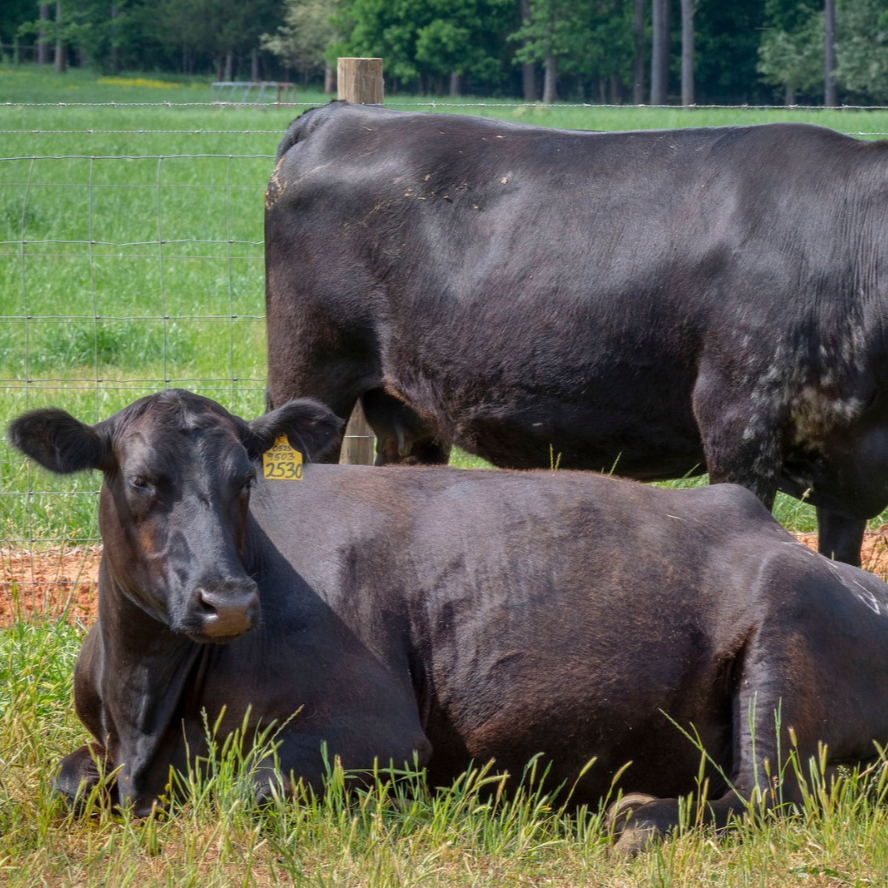
Today, the National Cattlemen’s Beef Association (NCBA) welcomed the announcement that U.S. beef exports will gain duty-free access to Taiwan under a new trade agreement. The agreement removes both tariff and non-tariff barriers, strengthening one of the most important and fastest growing markets for U.S. beef.
Listen to the latest markets and headlines in Louisiana Agriculture on The Voice of Louisiana Agriculture Radio Network.