FDA Rejects 67 Shrimp Entry Lines for Banned Antibiotics in First Nine Months of 2026
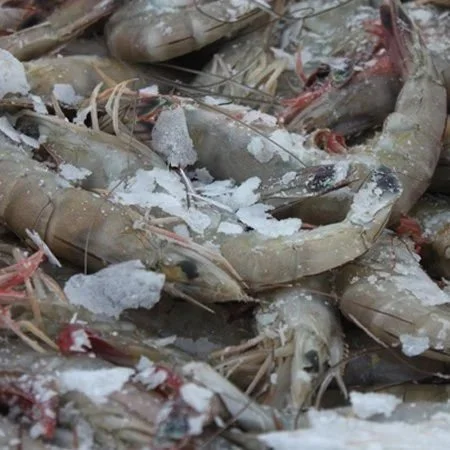
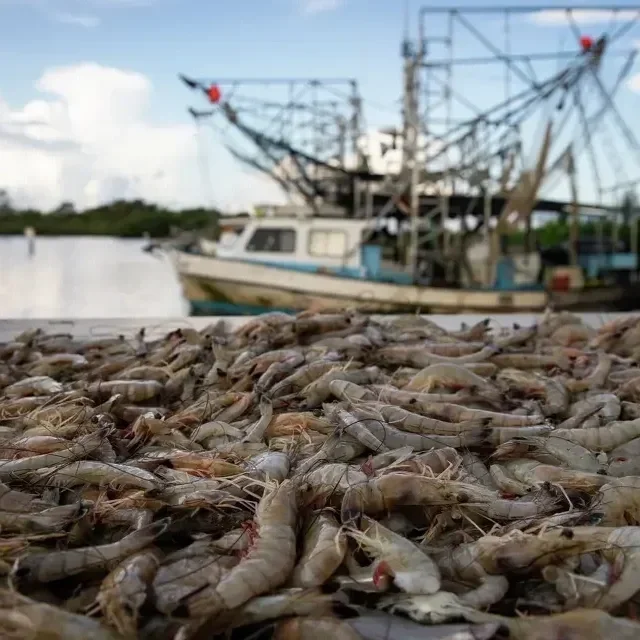
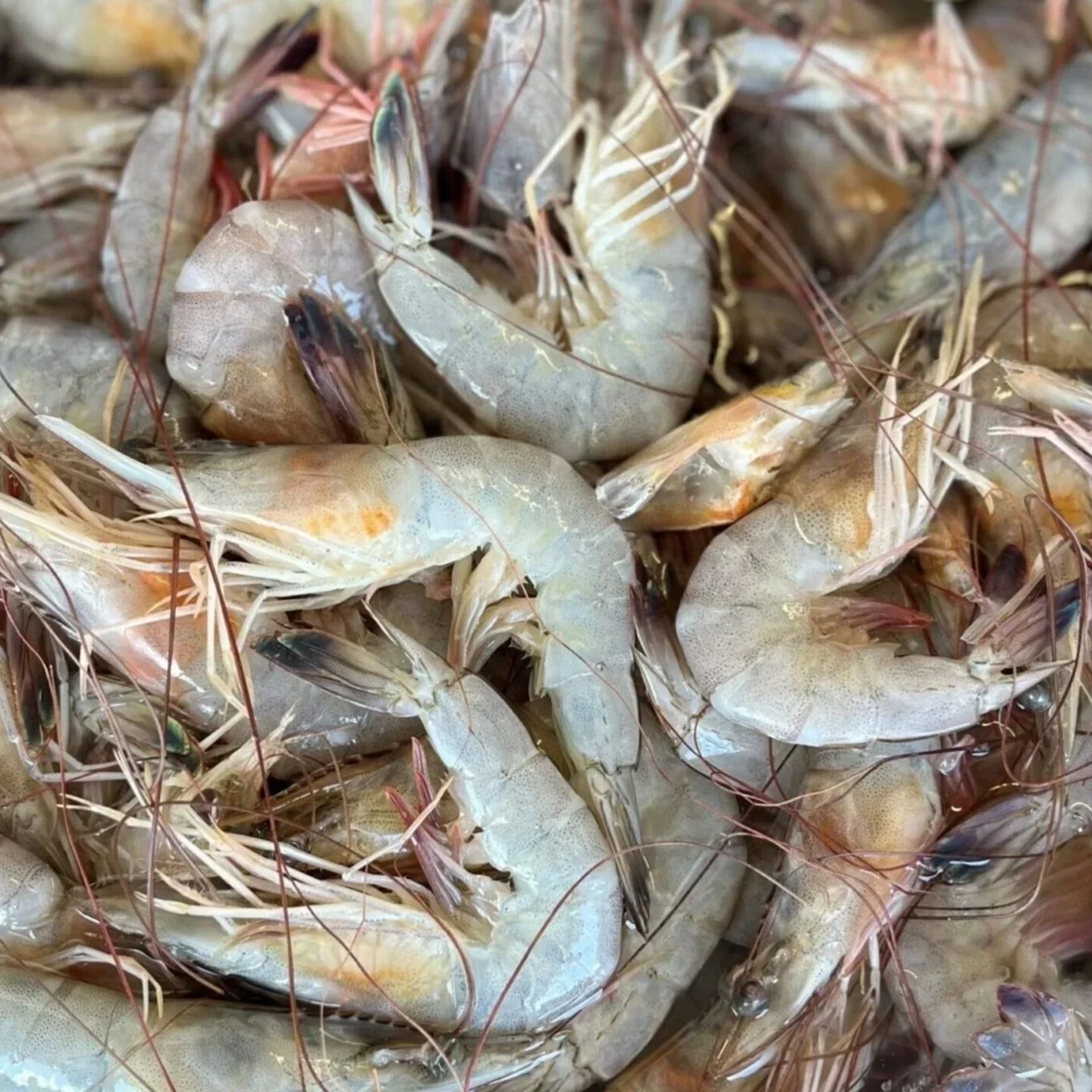
The US Food and Drug Administration refused 11 shrimp entry lines in September 2026 for banned veterinary drug residues, taking the year-to-date total for antibiotic-related shrimp refusals to 67 entry lines, according to an analysis of agency refusal data by the Southern Shrimp Alliance reported by The Houma Times.
Read More
Louisiana to Distribute $27 Million in Disaster Assistance to Local Fishermen
Commercial vessel owners and fishermen affected by hurricanes now have the opportunity to claim a part of $27 million allocated by the NOAA.
The $27 million was allocated to Louisiana by the National Oceanic and Atmospheric Administration (NOAA) for fisheries disaster assistance programs under NOAA Grant Number NA25NMFX477C0009.
Read More
Price of Diesel Affecting Shrimping Industry
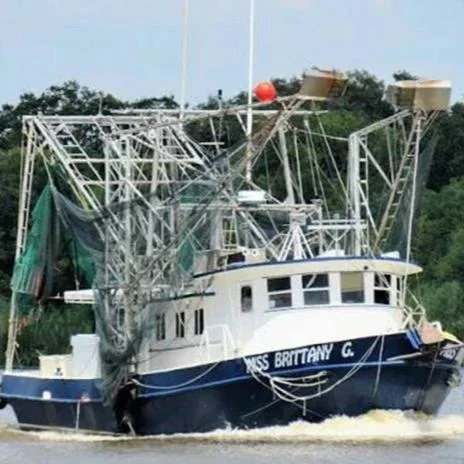
For years, the shrimping industry has battled wave after wave of challenges, from surges of imported shrimp to plummeting prices and wild weather. Now, a new threat looms: skyrocketing diesel fuel costs.
Read More
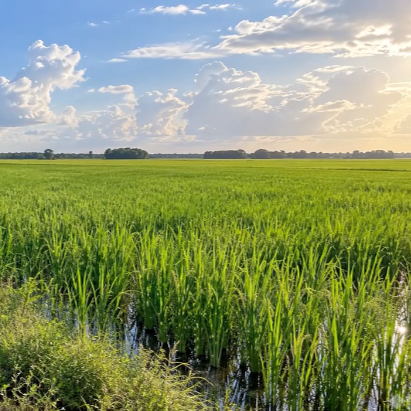
Weather at the Table: How Weather Turns Louisiana Rice Fields Into Crawfish Country
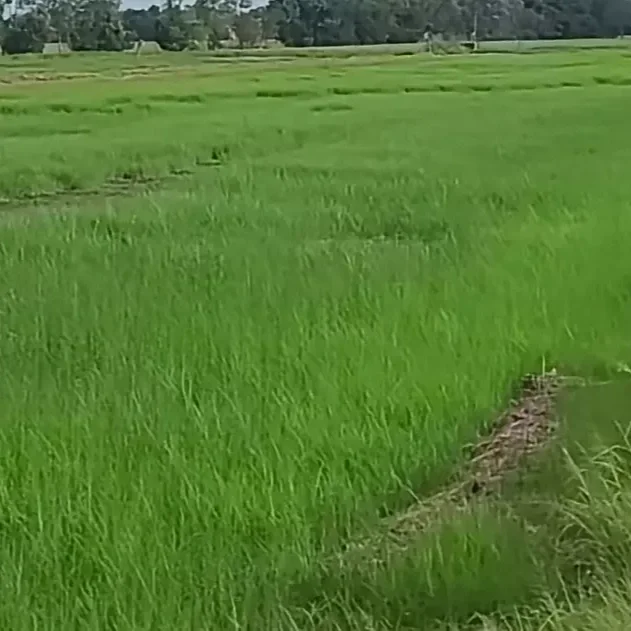
In South Louisiana, a field of rice may have a second life after the grain is harvested.
Months later, that same field can be filled with water, dotted with traps and producing another Louisiana staple: crawfish.
Read More
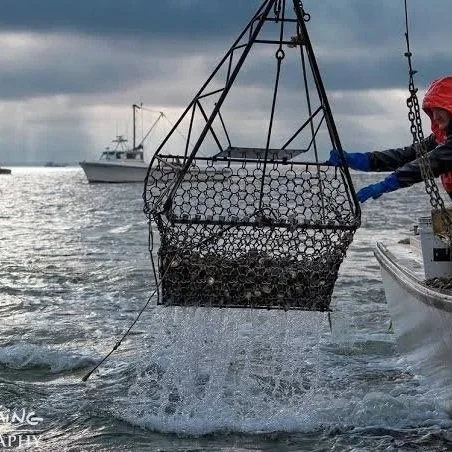
Oyster Season Set to Open With Boom in Harvest
Oystermen heading to Louisiana’s public harvest areas as this year’s season opens will find more than twice as many shellfish ready for market this year.
Read More
SpaceX Coming to Louisiana
For generations, agriculture has helped shape the economy, landscape and culture of Vermilion Parish. Rice fields, crawfish ponds and sugarcane farms stretch across the parish toward Louisiana’s Gulf Coast.
Now, another industry is preparing to put down roots alongside them.
Read More
Louisiana Shrimpers Seek Federal Help Amidst Economic Crises
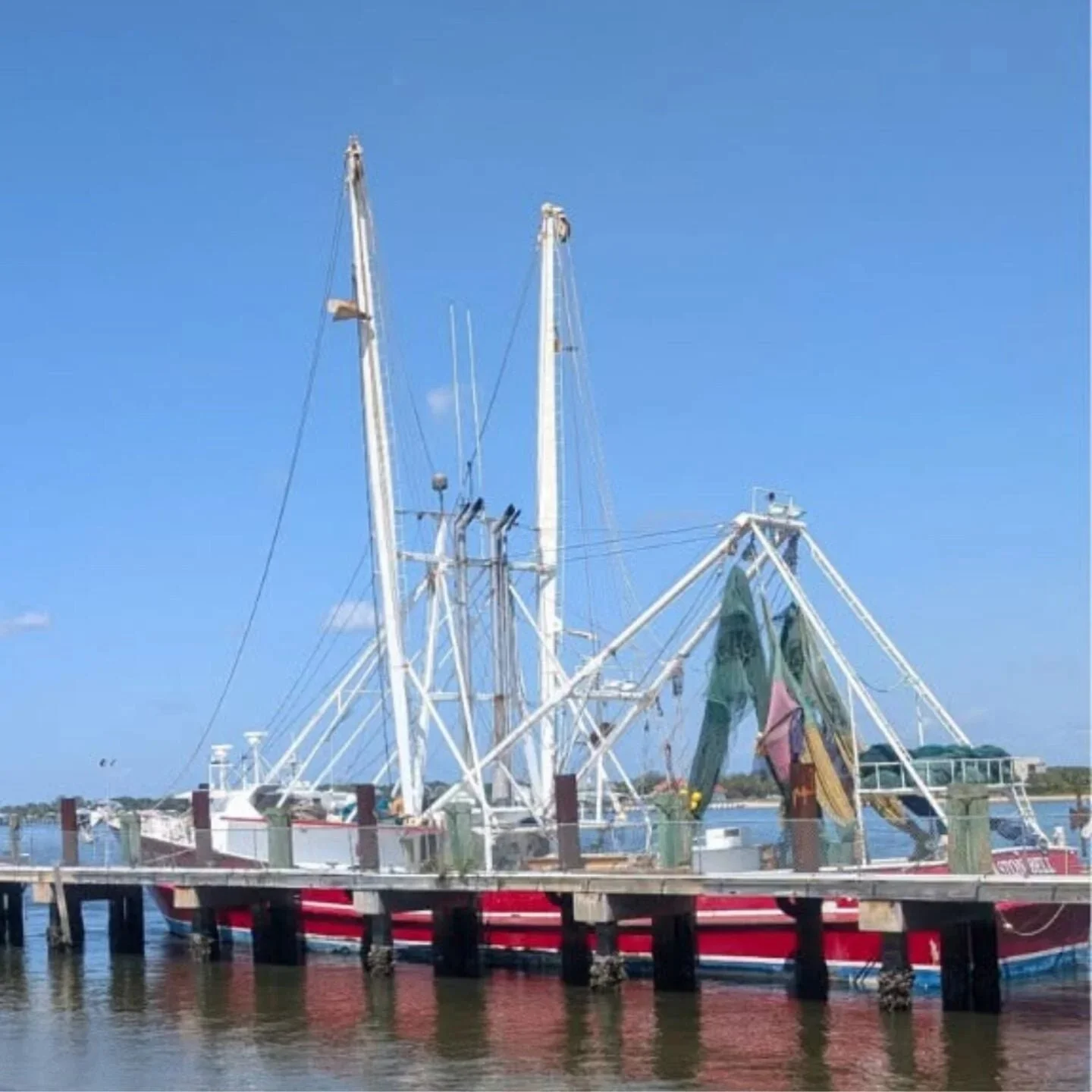
Louisiana shrimpers say that industry is under increasing pressure as they struggle with low dockside prices, rising operating costs and competition from imported shrimp.
Acy Cooper, president of the Louisiana Shrimp Association, says the pressure starts at the dock, where the price fishermen receive for their catch can make it difficult to justify the cost of going out.
Read More
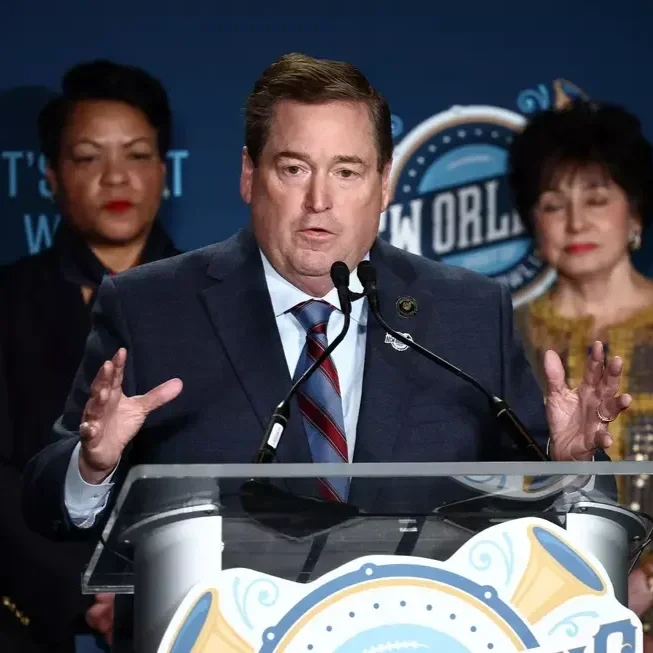
Nungesser Fires Back at Mislabeled Shrimp Served in Baton Rouge
Louisiana's Lieutenant Governor, Billy Nungesser, issued a response to an article recently published about several Baton Rouge-area restaurants selling and serving mislabeled shrimp. The article specifically mentioned Nungesser because of his close connection to Louisiana's Seafood Industry and tourism.
Read More
Louisiana Shrimpers Ask Trump for a Lifeline Amid Influx of Imports
Texas isn't the only Gulf Coast state facing a crisis in the shrimping industry. The Louisiana Shrimp Association (LSA), a nonprofit coalition of commercial fishermen in the nation's top shrimp-producing state, drafted a petition earlier this week urging the Trump administration to throw it a lifeline.
Read More
USDA Announces $20 Million Purchase of Wild-caught American Shrimp
The U.S. Department of Agriculture has announced plans to purchase $20 million in wild-caught American shrimp through its Section 32 program.
This will be the first USDA purchase of warm water, wild-caught shrimp in more than a year, bringing much-needed demand at a time when Gulf shrimpers are facing extremely low dock prices, high operating costs, and continued pressure from imported farm-raised shrimp, according to the Louisiana Shrimp Association.
Read More
The Remarkable Growth of Louisiana’s Crawfish Industry
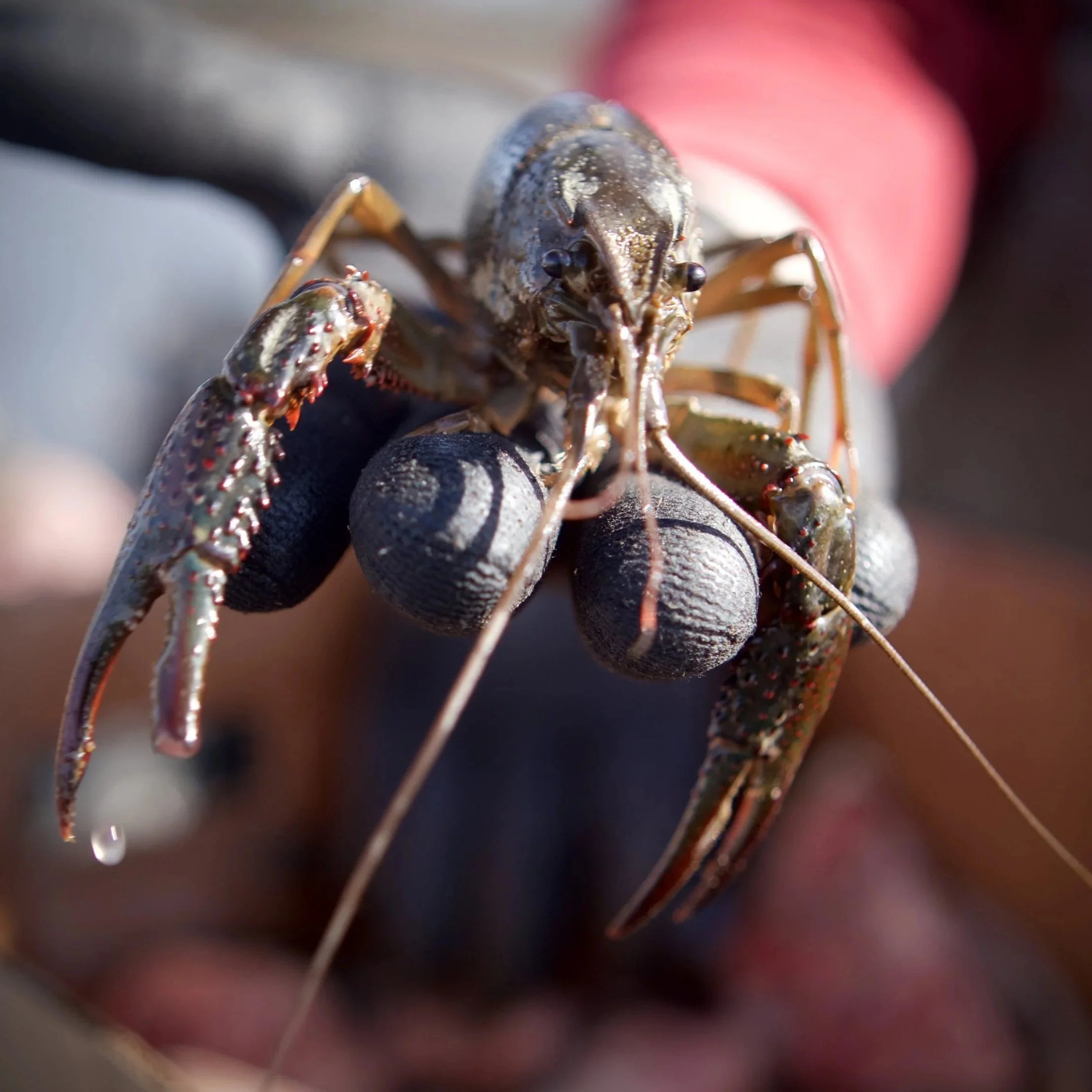
Few agricultural success stories are more uniquely Louisiana than the remarkable growth of crawfish farming. What began as a relatively small agricultural enterprise has evolved into a major contributor to the state’s economy. Amazingly, Louisiana now produces an estimated 90 to 95 percent of the nation’s crawfish! I was fortunate to witness and participate in part of that transformational growth during my early career with the Louisiana Cooperative Extension Service.
Read More
Abbeville High School Has A Crawfish Pond, And Yes, The Students Run The Whole Operation
Crawfish is part of our culture in South Louisiana, and Abbeville High School is educating its students about the industry by using a pond on its campus.
If you're from Acadiana, you already know that the crawfish industry is huge across our region, and many farmers in our area make great money by harvesting crawfish.
Read More
Louisiana’s Recreational Alligator Hunting Lottery Opens August 20
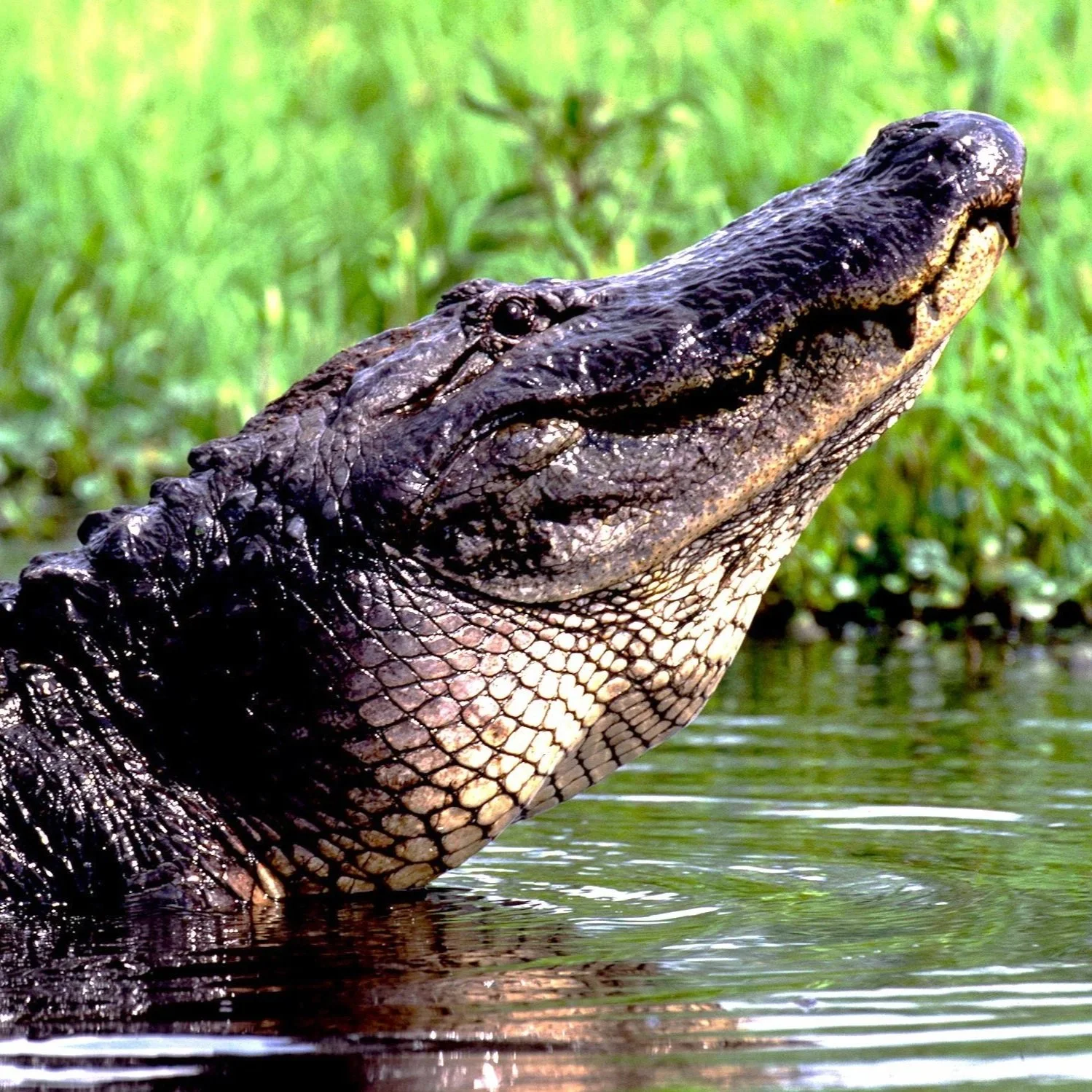
Earlier in 2026, the Louisiana Wildlife and Fisheries Commission approved rules to establish a recreational alligator hunting season. And soon, you'll be able to apply for tags via a lottery system.
Read More
Grand Isle Fishing Tournament Set for National ESPN Coverage
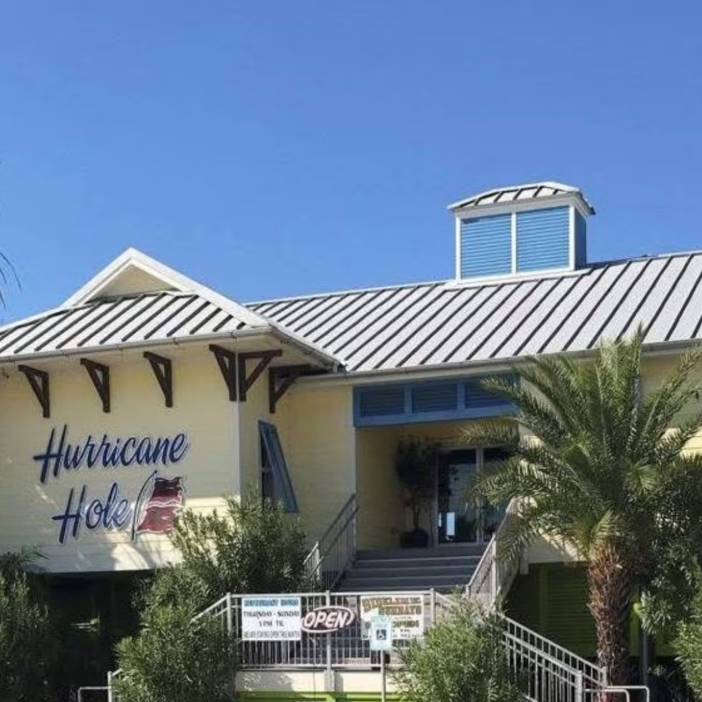
Grand Isle is set to take center stage on the national television screen later this month. The 2026 Hurricane Hole Louisiana Open, presented by Visit Jefferson Parish, is bringing national broadcast coverage to Grand Isle for the first time in its history. ESPN+ will broadcast the four-day offshore fishing tournament live from August 28–30, culminating in a nationally televised recap show airing on ESPN2 over Labor Day Weekend.
Read More
LDWF Hoping to Reopen Red Snapper Season to Allow Fishing Through Labor Day Weekend
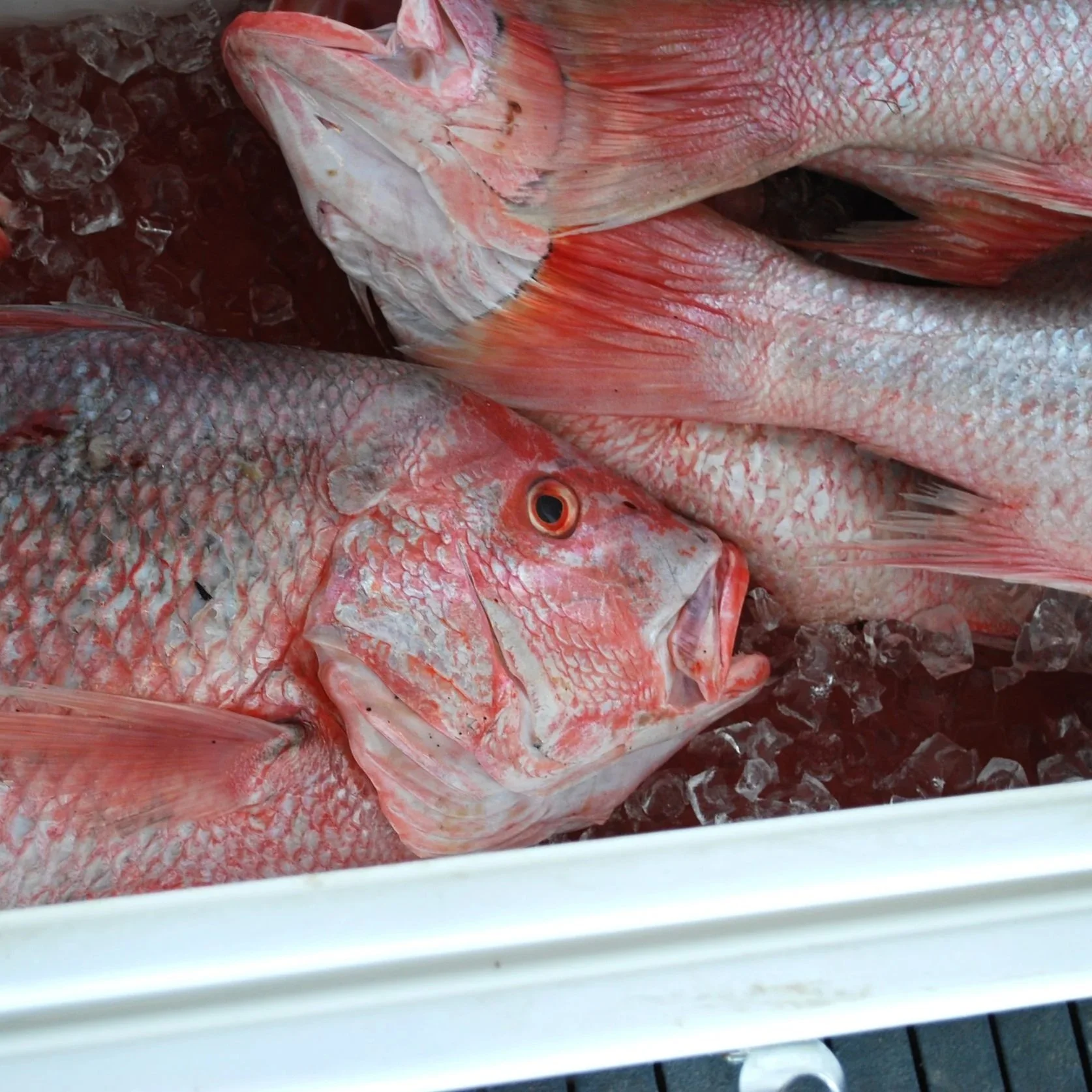
LDWF closed the private recreational Red Snapper season in state and federal waters off the Louisiana coast earlier this month, but there is a hope there will be another Red Snapper fishing opportunity again this summer. LDWF assistant secretary Ryan Montague says the season had to close because Louisiana is approaching its statewide quota, but LA creel is still counting what was caught during the first week of August.
Read More