October Cow Country Reporter
Check out the October edition of the Cow Country Reporter for the latest news and updates affecting the U.S. cattle industry, including cattle imports from Mexico, feedlot numbers, signs of a potential herd rebuild, U.S.-China beef trade and more.
Read More
USDA Investment Helps Louisiana Producer Grow Market for Value-Added Meat
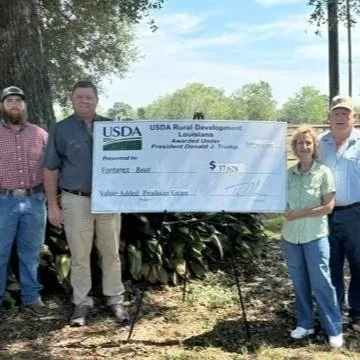
U.S. Department of Agriculture Rural Development Louisiana State Director Troy Romero today announced the agency is awarding a $37,628 grant to Fontenot Beef LLC to expand marketing and sales of its value‑added beef and pork products, targeting health‑conscious consumers across the region.
Read More
This Louisiana Cattle Town Is Throwing A Full Weekend Festival Around Rodeo Culture, Food, And Small-Town Traditions
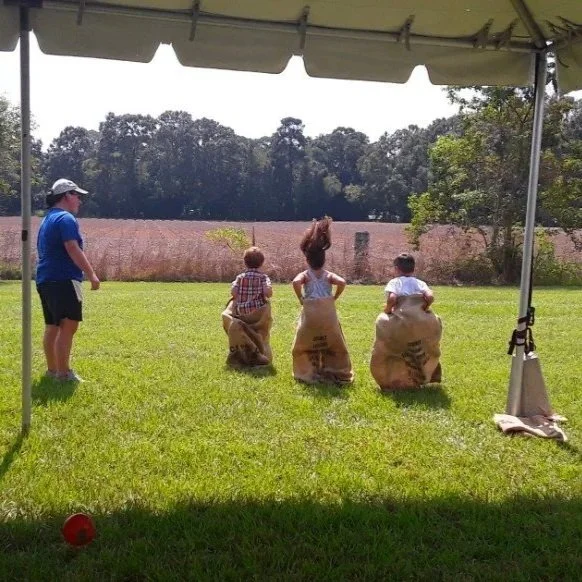
Some festivals feel borrowed from somewhere else. This one could only belong to cattle country, where show rings, parade routes, contests, and live music fold into one local weekend.
The atmosphere is cheerful without feeling polished, and that is exactly what gives the celebration its charm.
Read More
Diesel Costs Add to Expenses for Cattle Producers
Cattle prices are still holding at high levels, even though they have come down from the highs seen this spring.
For cattle producers, the price they get when they sell can play a big role in how their operation does.
Read More
USDA Targets Small Meat Processing Capacity Shortages Nationwide
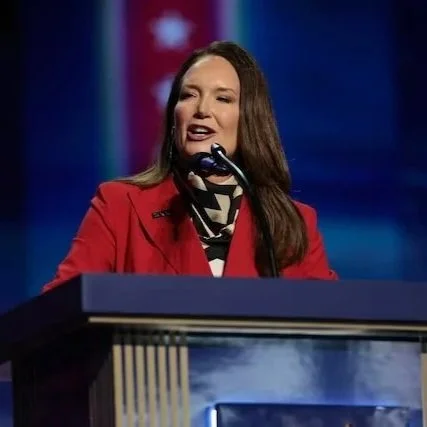
USDA is targeting shortages in small meat processing capacity as ranchers in some areas face long trips to get cattle harvested. Under Secretary for Food Safety Dr. Mindy Brashears says about 80% of U.S. beef processing capacity is concentrated among four major processors.
Read More
Farm Bureau Reinforces Call to End Beef Imports with Price Data
The American Farm Bureau Federation on Thursday called on President Donald Trump to roll back the additional 300,000 metric tons of beef imports authorized by his administration. The group cited new data showing little change in retail ground beef prices since the lower-tariff imports began entering the United States.
Read More
U.S. Eases Screwworm Ban on Mexican Cattle, but Beef Prices Unlikely to Budge
The United States plans to reopen the biggest port for livestock inspections along the U.S.-Mexican border on Thursday, expanding America’s cattle supplies but not slashing record-high beef prices, government and industry officials said.
Read More
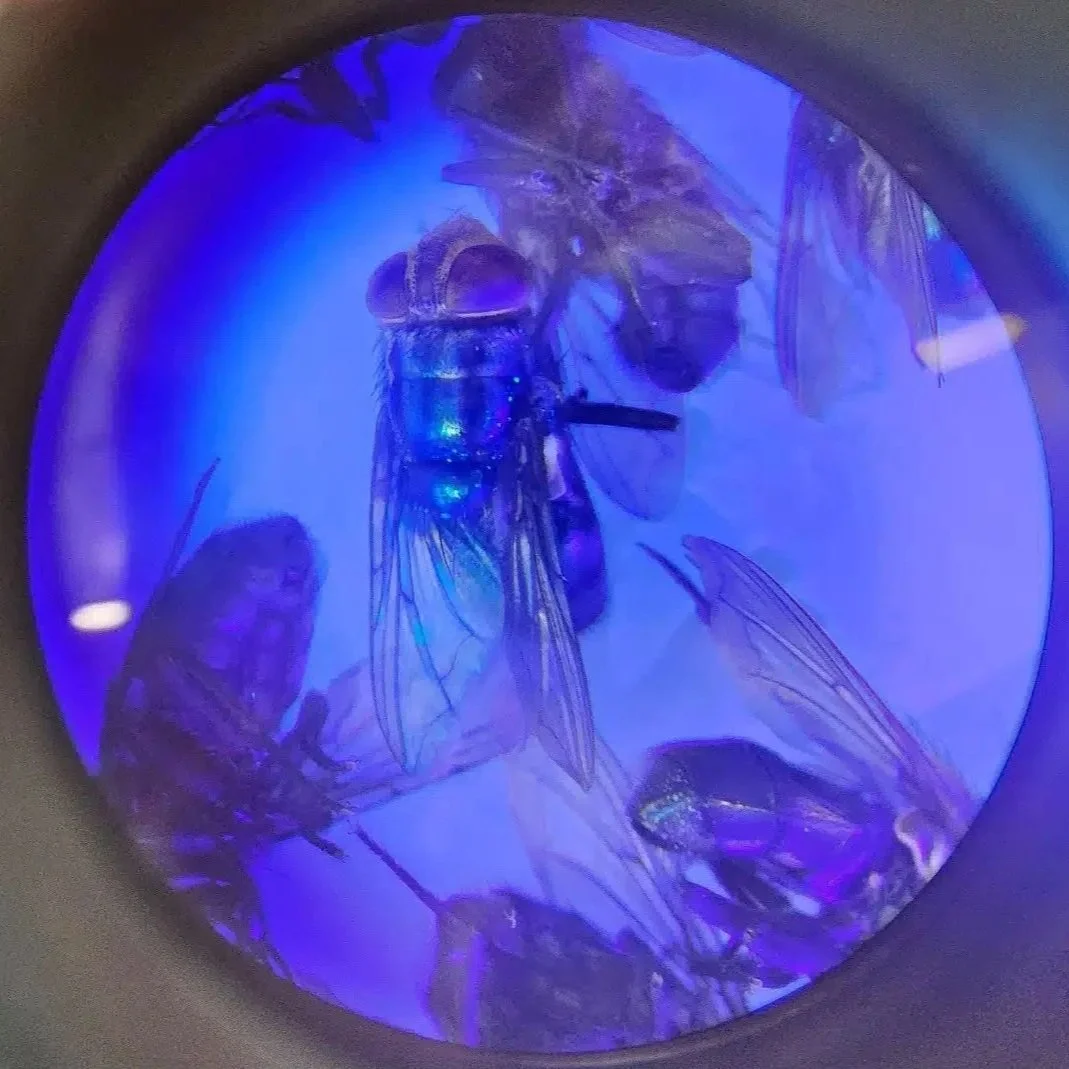
Scientists Test FDA-Approved Drug Against New World Screwworm
The Foundation for Food & Agriculture Research and the University of Notre Dame are investing $140,389 to determine whether nitisinone, a drug already approved for human use, can kill New World screwworm larvae as the pest continues to threaten livestock across the Southern U.S.
Read More
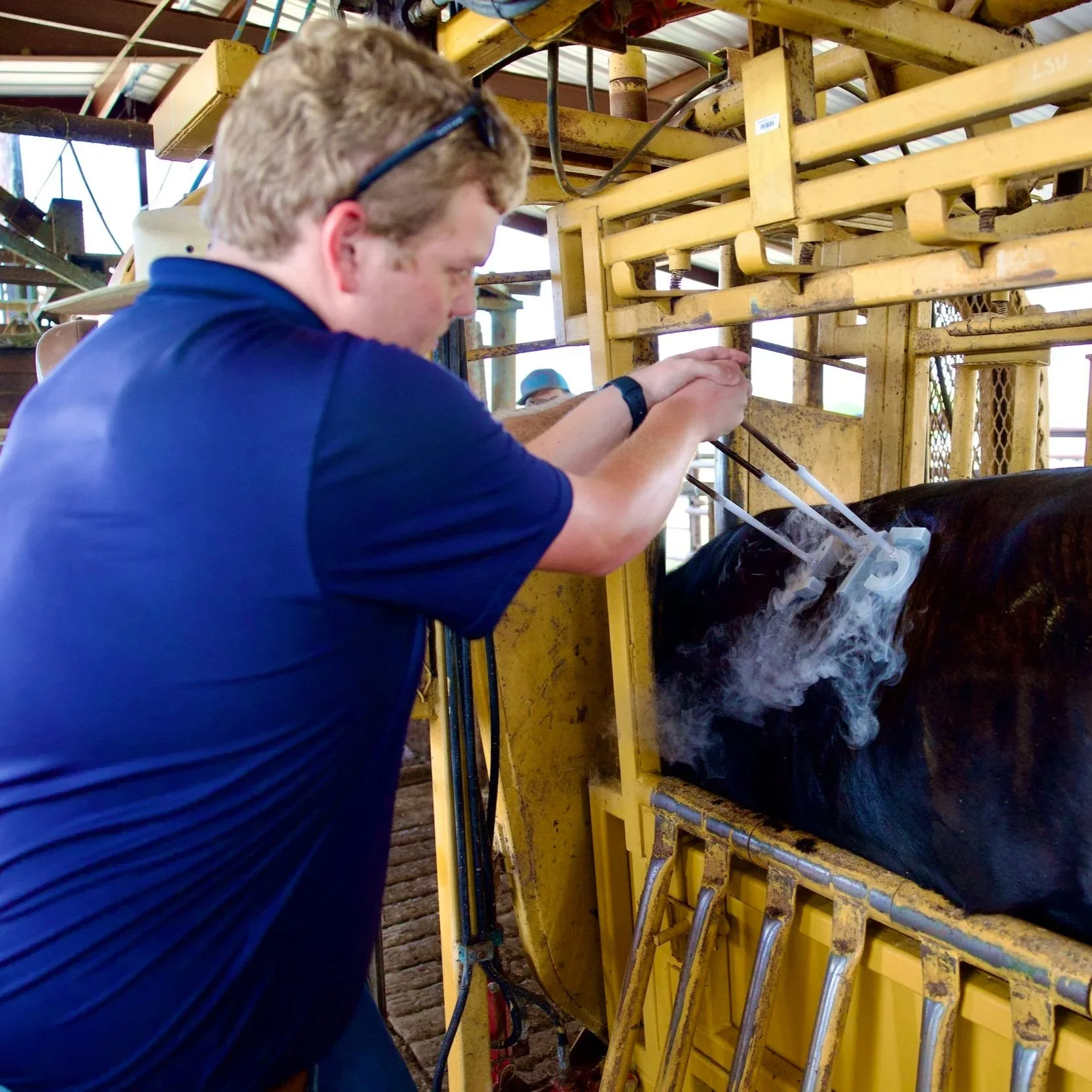
Beef, Forage Field Days Focus On Cattle ID Methods, Soil Drainage, More
The waning days of summer brought researchers and producers together in central and northeast Louisiana with the focus on improving multiple aspects of the cattle business at the LSU AgCenter’s annual beef and forage field days.
Read More
Beef, Pork Export Sales Rise, While Corn, Soybeans Fall
U.S. meat export sales were up on the week. The USDA says beef sales during the week ending September 10th were larger than the previous week and above average thanks to improved demand from several key customers including South Korea and Mexico. Pork had a week-to-week improvement, with Mexico and Japan leading the way. Aside from wheat, grains and oilseed export sales were lower than last week partially due to high prices compared to other exporters. The USDA’s next supply and demand update is October 9th.
Read More
US Farm Agency Prepares to Reopen New Mexico Port to Livestock Trade Next Week
U.S. Agriculture Secretary Brooke Rollins said on Wednesday that the Department of Agriculture is preparing to reopen a New Mexico port to livestock trade next week after it was closed because of New World screwworm.
Read More
Cattle Prices Peak Before Herd Rebuilding Adds Supply
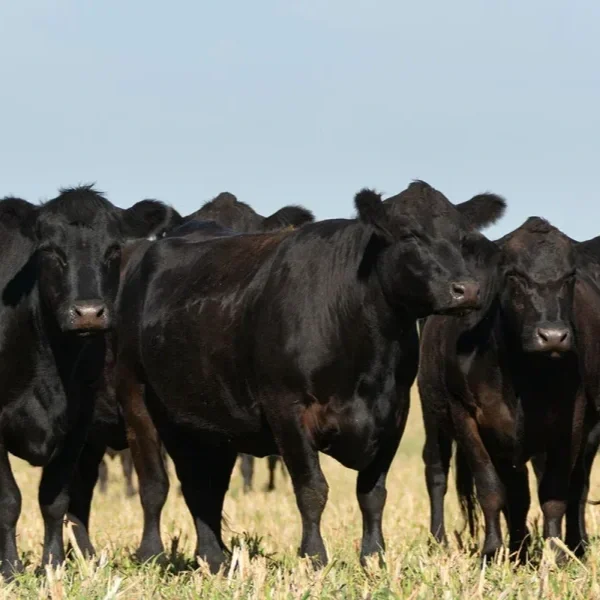
Record cattle prices could extend into 2027 before gradual herd rebuilding adds enough supply to pull values lower, according to FAPRI’s latest U.S. agricultural market outlook.
Read More
New Livestock Watering System Provides Many Benefits to Producer, Cattle
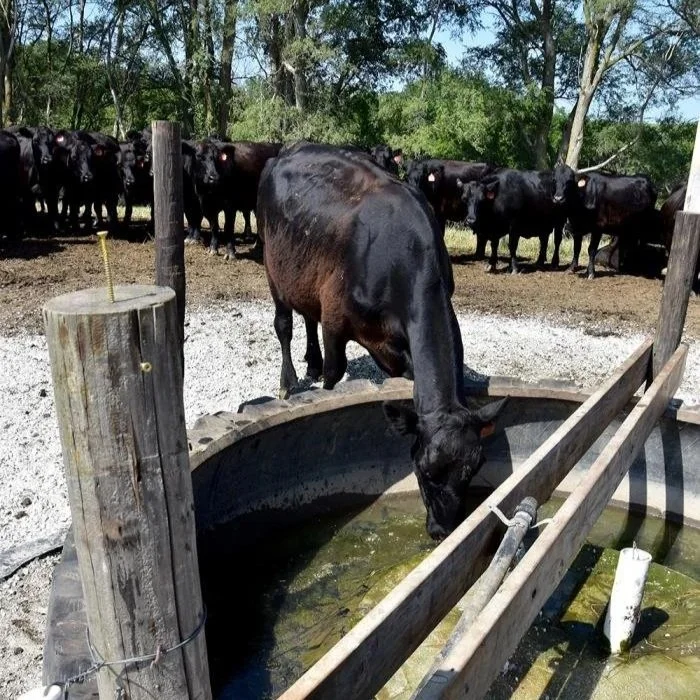
A new solar-powered livestock watering system implemented with assistance through the U.S. Department of Agriculture (USDA) is allowing Crawford County farmer Ralph Dorale to better utilize his pasture, reduce soil erosion, increase his cow herd, and improve cattle performance on his rented 153-acre pasture.
Read More
Trump Moves to Expand Beef Processing Options, Competition
President Trump has signed a pair of executive orders that address market access and competition for America’s farmers and ranchers.
Read More
Franklin Parish Farmer Discusses Drought and Price Challenges
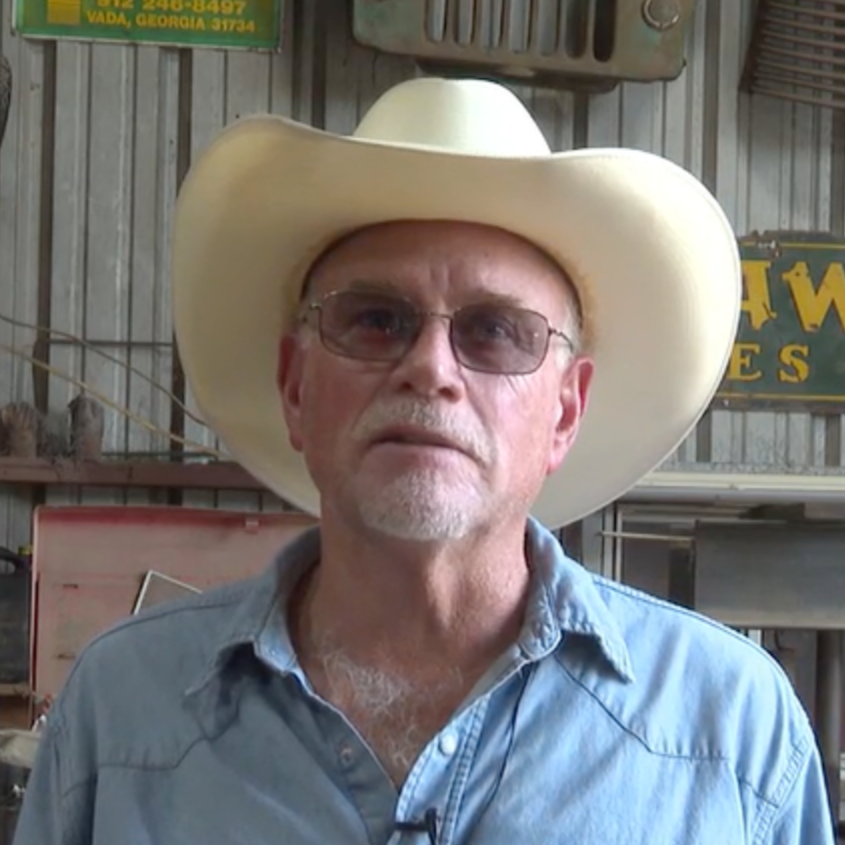
Franklin Parish Greg Kincaid says the ongoing drought has given him a mixed bag of results over the last few months. He says rain is much needed for cattle and hay farmers.
Read More