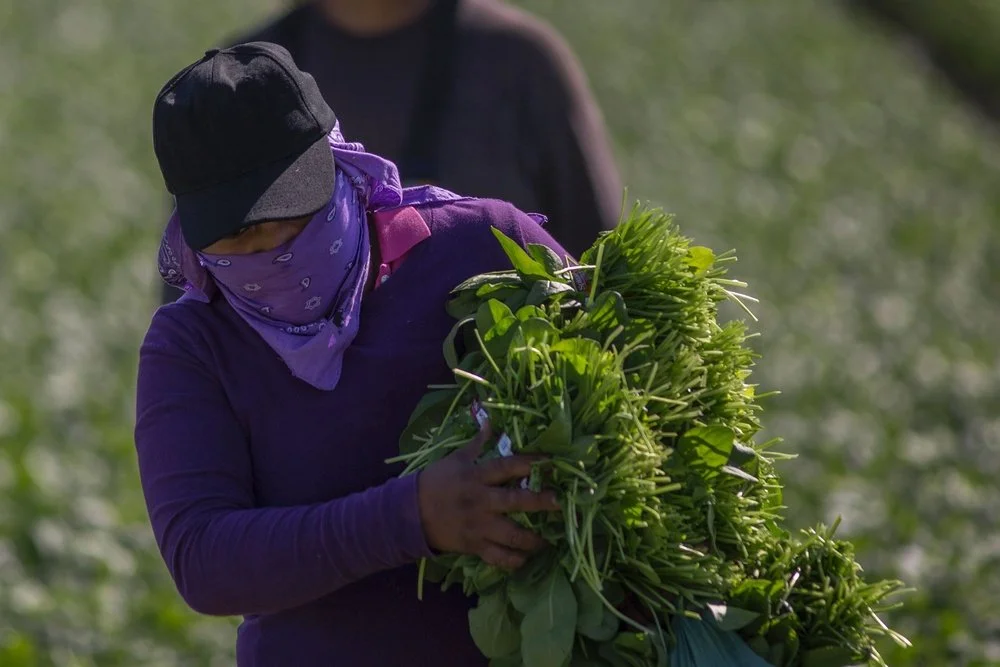
There is a growing need for agricultural workers across the country, but industry leaders say few U.S. applicants are filling those jobs.
Read More
There is a growing need for agricultural workers across the country, but industry leaders say few U.S. applicants are filling those jobs.
Read MoreFarms and ranches who employ workers under the H2-A program now have their federally mandated minimum wage under the new Adverse Effect Wage Rate. Cameron Castillo, an associate economist for the American Farm Bureau Federation, says wages are set to increase almost entirely across the board.
Read MoreH-2A Adverse Effect Wage Rates (AEWRs) for 2026-2027 are set to increase across the country, with a handful of exceptions. Released by the U.S. Department of Labor’s (DOL) Office of Foreign Labor Certification, AEWRs represent the federally mandated minimum wage for H-2A guestworkers in each state. Notably, this set of AEWRs is the first full-year iteration of wages based on DOL’s new Occupational Employment and Wage Statistics (OEWS) survey, as stipulated by the department’s Interim Final Rule (IFR) issued in October 2025. While these wage rates are a significant improvement from the previous wage structure, congressional action is still needed to ensure farm and ranchers can continue to grow the nutritious food our country depends on for our health and well-being.
Read MoreU.S. Senator Mike Crapo (R-Idaho) joined a bicameral group of lawmakers in urging the federal agencies responsible for administering the H-2A agricultural guest worker program to make changes to improve its effectiveness.
In addition to Crapo, the letter was led by Senator Cindy Hyde-Smith (R-Mississippi) and also signed by Senators Bill Cassidy, M.D. (R-Louisiana), Roger Wicker (R-Mississippi), John Cornyn (R-Texas) and Thom Tillis (R-North Carolina).
Read MoreH-2A agricultural employers have been awaiting the Department of Labor’s publication of the new H-2A Adverse Effect Wage Rates (AEWRs), and eager to hear how soon they would be required to update rates. Federal officials just released a public inspection copy of the new rates, which is set to be published in the Federal Register on Monday.
Read MoreAmerica’s farmers are facing a labor crisis. Continued agriculture workforce shortages threaten farmers’ ability to grow the food families rely on. Many labor challenges are addressed in new legislation introduced by House Agriculture Committee Chair G.T. Thompson. The Securing Agriculture’s Workforce Act of 2026 builds on recommendations of the bipartisan Agricultural Labor Working Group and modernizes the H-2A visa program by expanding access to a year-round workforce and eliminating unpredictable swings in wage rates, among other changes.
Read MoreThe H-2A program allows agricultural employers to hire temporary foreign workers when there are not enough available U.S. workers to fill seasonal farm jobs.
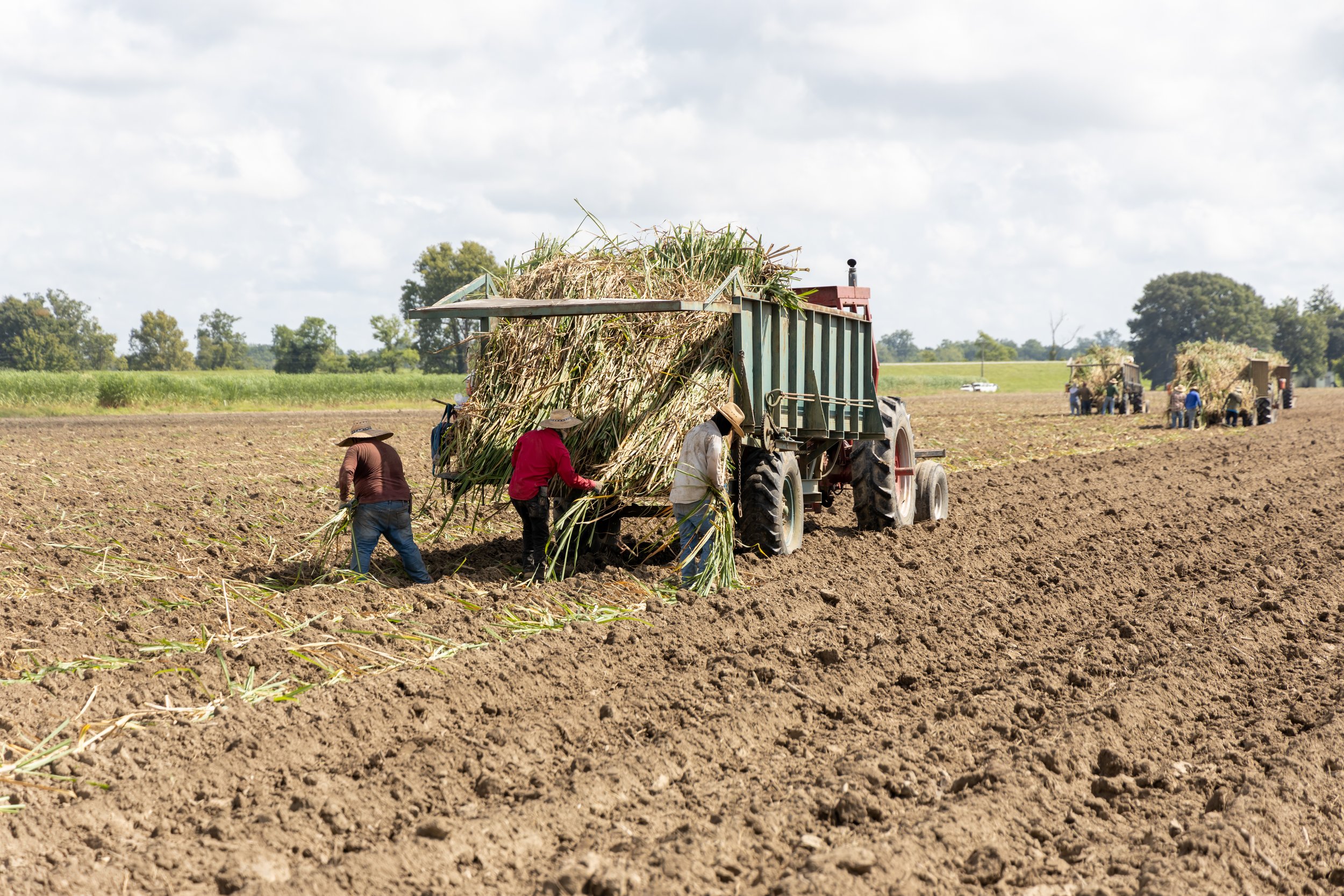
Widely used across Louisiana agriculture, the program helps support industries such as sugarcane, crawfish, forestry, nurseries, and vegetable production during peak planting and harvest seasons.
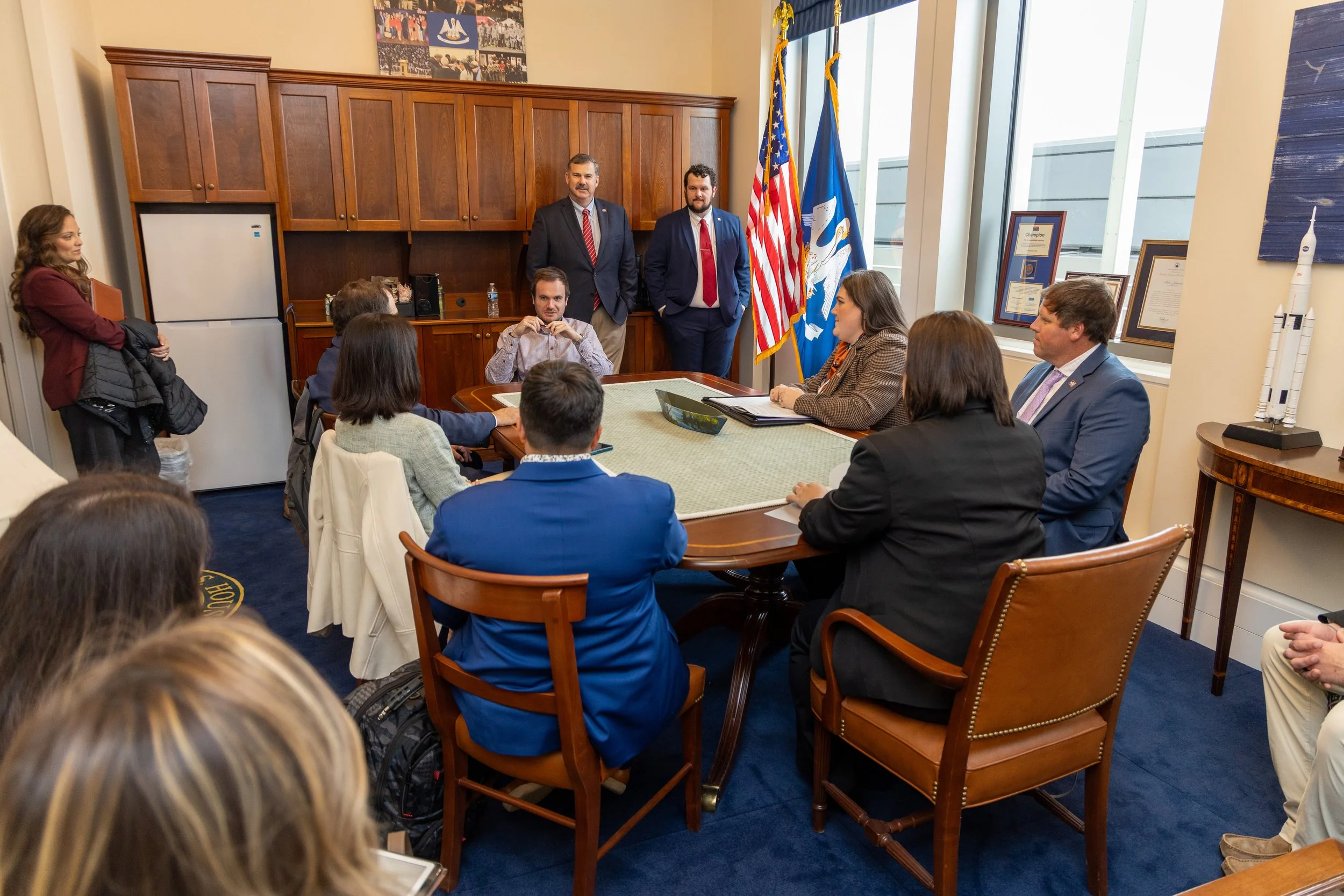
Read MoreA group of Louisiana Farm Bureau Young Farmers and Ranchers recently traveled to Washington, D.C., to meet with members of Louisiana’s congressional delegation and advocate for issues affecting agriculture in the state.
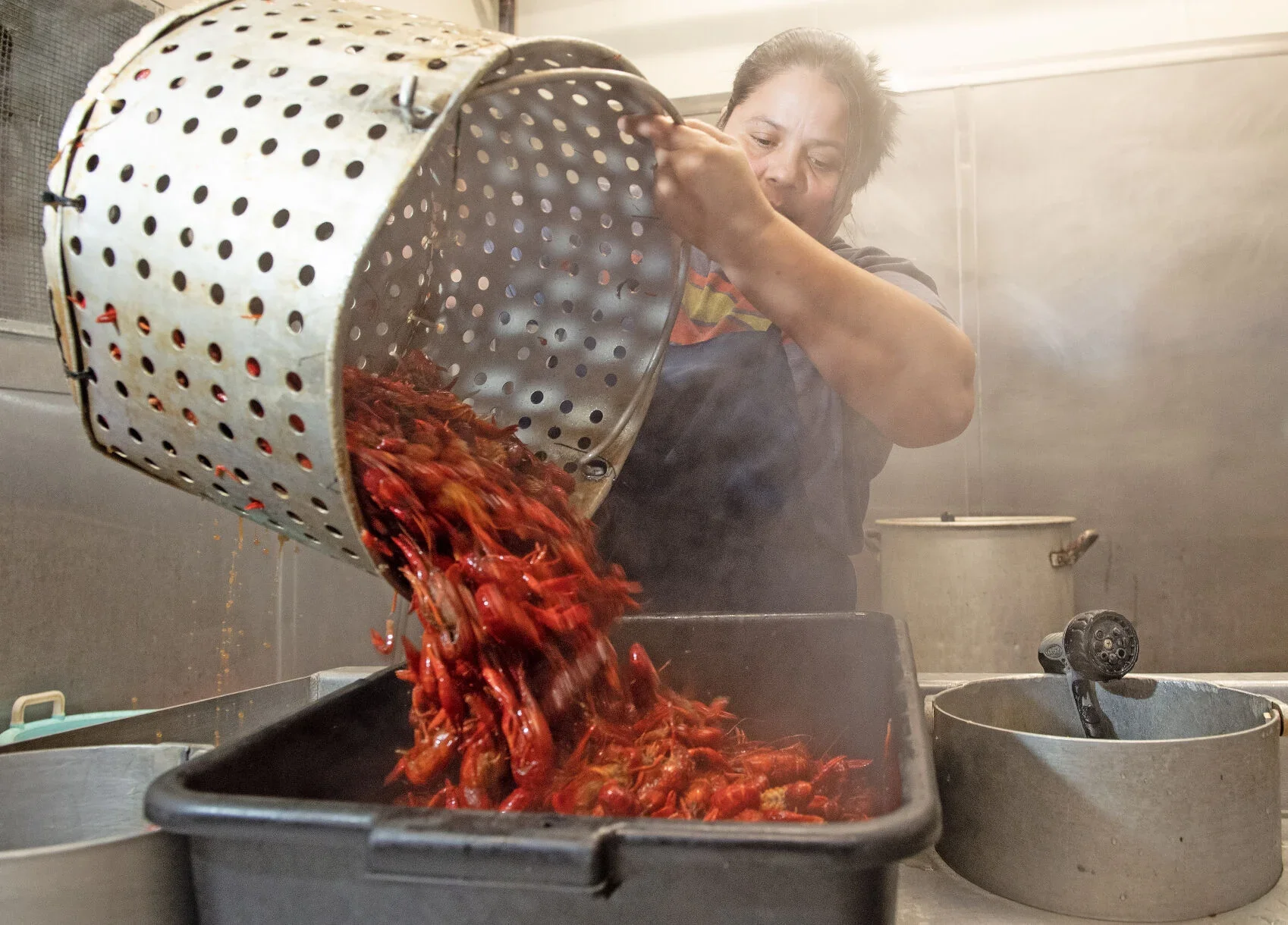
Read MoreLast fall, Don Benoit had been making plans to hire 80 seasonal migrant laborers to work at his crawfish processing plant during the upcoming spring season, and he was applying for guest-worker visas just like he had for the last eight years. But the longest federal government shutdown in U.S. history would soon throw his plans — and his business — into disarray.
Read MoreWith deportation raids sending a chill across farm country, the Trump administration wants to make it easier for U.S. farms to hire migrant workers, angering critics across the political spectrum.
On January 1, new emergency rules took effect, allowing U.S. farms to hire more workers and pay less in wages for migrants coming in on H-2A temporary labor visas.
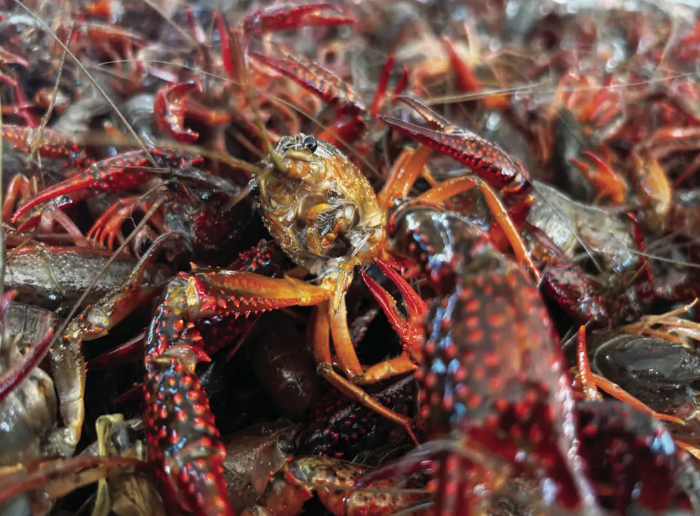
Read MoreCrawfish processors across Louisiana say a shortage of temporary work visas has left them without the migrant labor they depend on, forcing plants to sit idle during the busiest part of the season, and threatening a key part of Louisiana’s $640 million crawfish industry.
Read MoreThe trade and immigration policies of the Trump administration have rippled through the nation’s economy in myriad ways, and Louisiana has not been immune to their effects. In recent months, we’ve catalogued the ways tariffs have affected our ports, our retailers and even our coffee shops.
Read MoreThe commissioner of agriculture and forestry is sounding the alarm over the lack of crawfish peelers in the state. Mike Strain says this is because the Department of Homeland Security has stopped processing H-2B applications for skilled guest workers, preventing them from coming back.
Read MoreThe crawfish industry is facing a labor shortage due to federal immigration caps as the state enters the start of the harvesting season, Commissioner of Agriculture Mike Strain said in a House committee meeting on Tuesday.
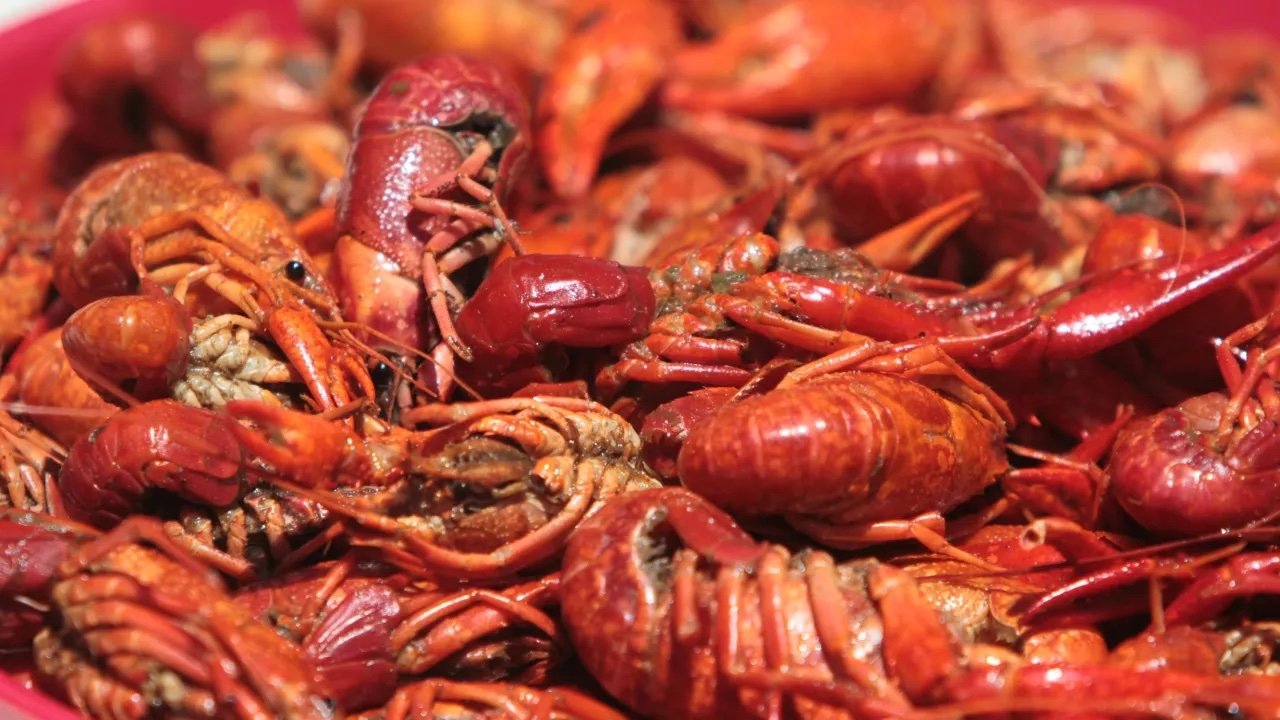
Read MoreThe next time you pour out a sack of boiled crawfish, bite into a sweet slice of king cake or buy a carton of fresh Louisiana strawberries, think about the work that happens long before those Louisiana staples reach your table.
Read More