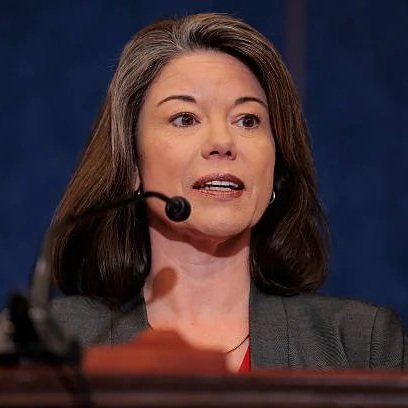
The Ranking Member of the U.S. House Agriculture Committee is introducing a relief package to address farm income losses caused by tariffs.
Read More
The Ranking Member of the U.S. House Agriculture Committee is introducing a relief package to address farm income losses caused by tariffs.
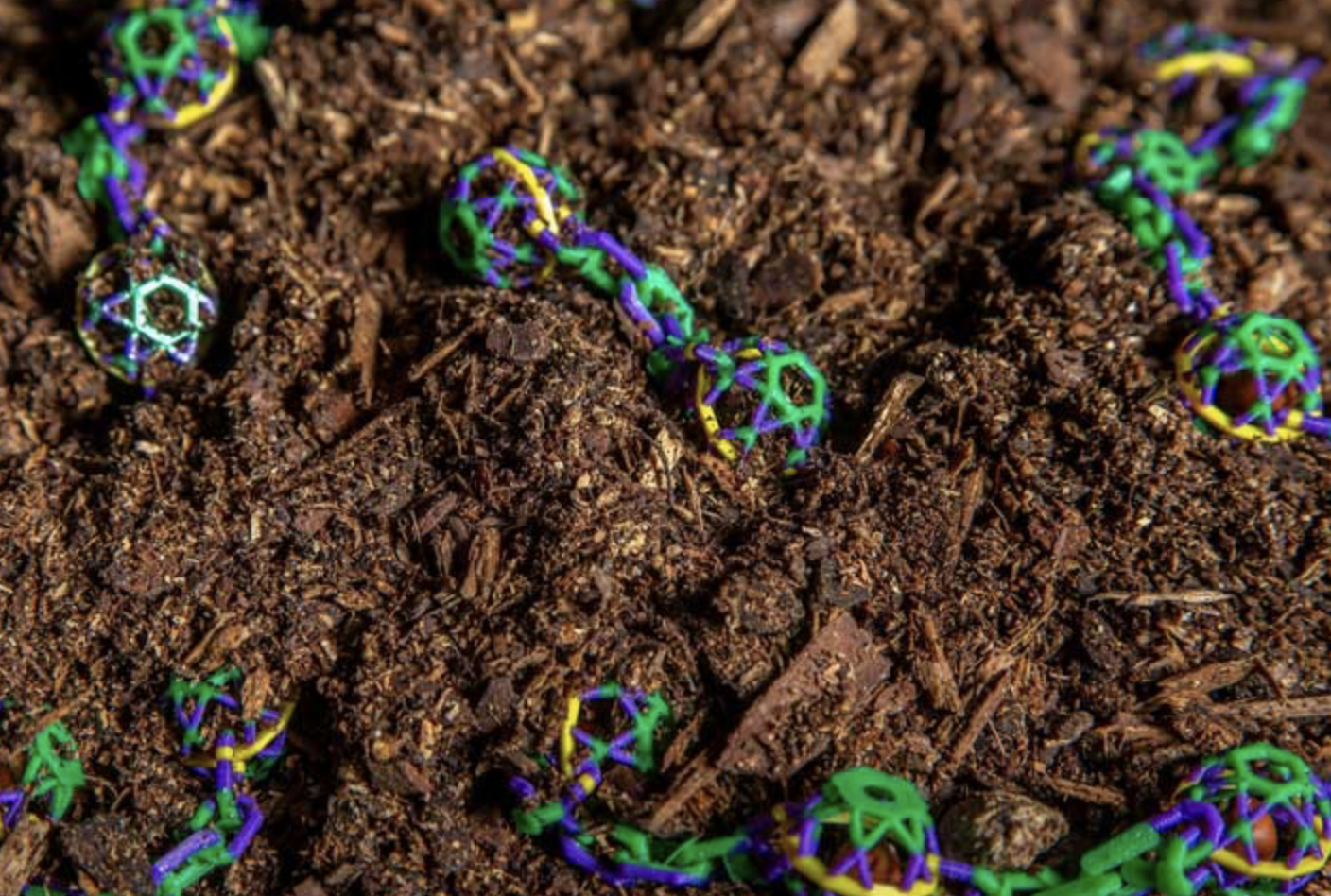
Read MoreThrowing and catching gold, green, and purple beads is a cherished Mardi Gras tradition, but as it turns out, these petroleum-based plastic beads have a heavy impact on the New Orleans environment long after celebrations have ended.
Traditional Mardi Gras beads are produced from natural gas and oil-derived feedstock and take an estimated 500 years to decompose. And when they do, they release heavy metals and other toxins into the environment. According to Louisiana State University, they can even clog sewer systems across the city.
Read MoreTechnology moves fast. For example, five years ago, we were just seeing commercially available selective spraying machines in the U.S., now a handful of companies have hundreds of machines across the country.
Changes in the industry were recognized by Ag Data Transparent, an industry group founded 10 years ago with the goal of bringing greater transparency for farmers and the industry in how data is used, collected and stored.
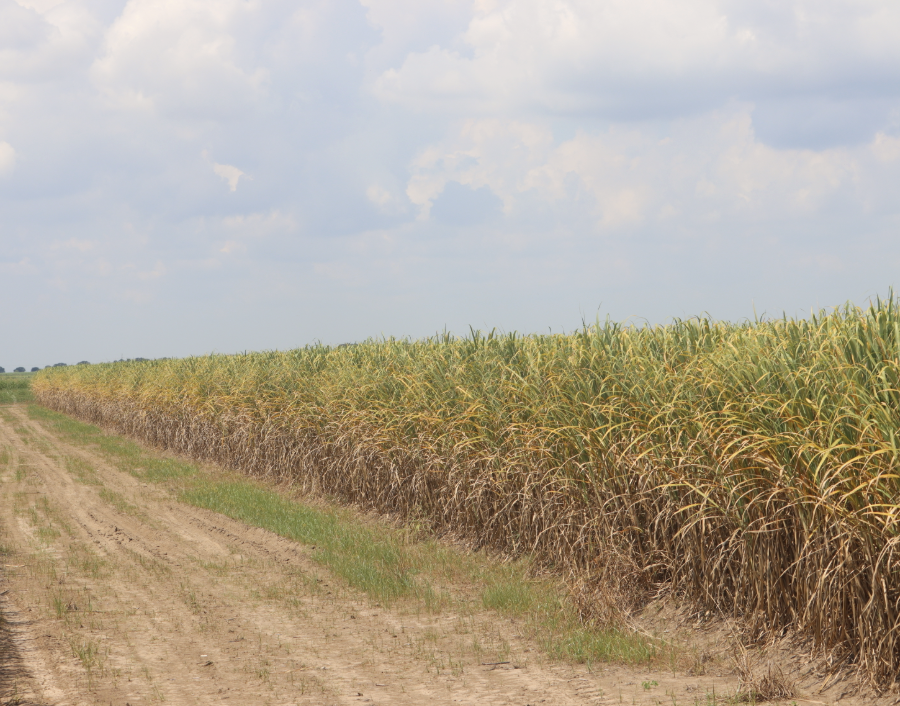
Read MoreLSU AgCenter researchers have confirmed the presence of a new invasive insect in Louisiana sugarcane fields. The pasture mealybug was detected in Vermilion and Iberia parishes late last year, raising concerns among growers, ranchers and researchers.
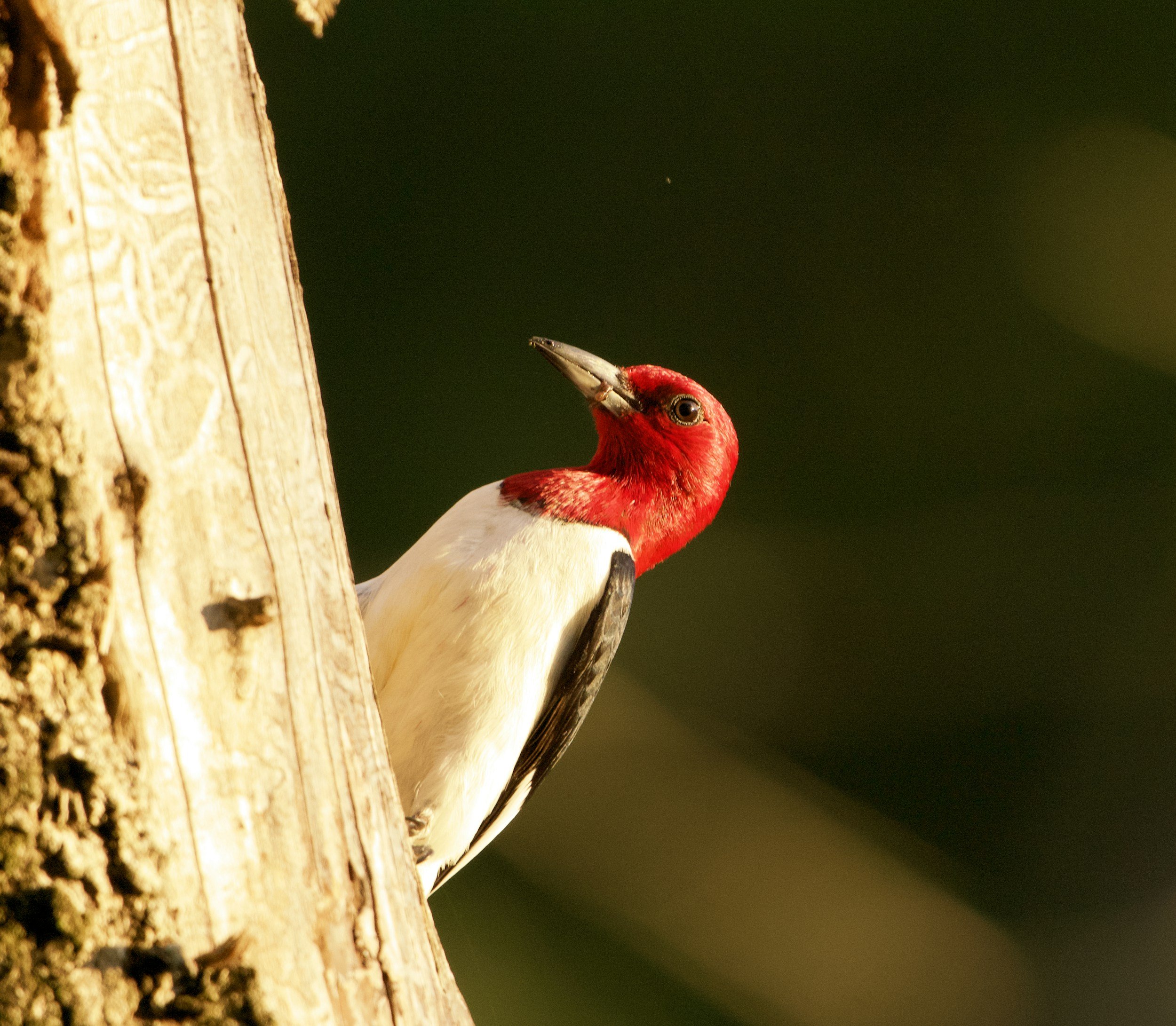
Read MoreThe red-cockaded woodpecker, which lived on the edge of extinction for more than four decades, is making a comeback in central Louisiana’s Kisatchie National Forest.
Read MoreProgressive Tractor & Implement Co., one of the region’s most respected agriculture and equipment dealers, has been named a Community Partner with Building a Better Avoyelles, strengthening a shared commitment to cultural, educational, and civic outreach across Avoyelles Parish.
Read MoreA new elementary school, complete with a working farm, is on track to open in Baton Rouge in the fall after winning preliminary approval to operate, despite a negative review by an independent evaluator.
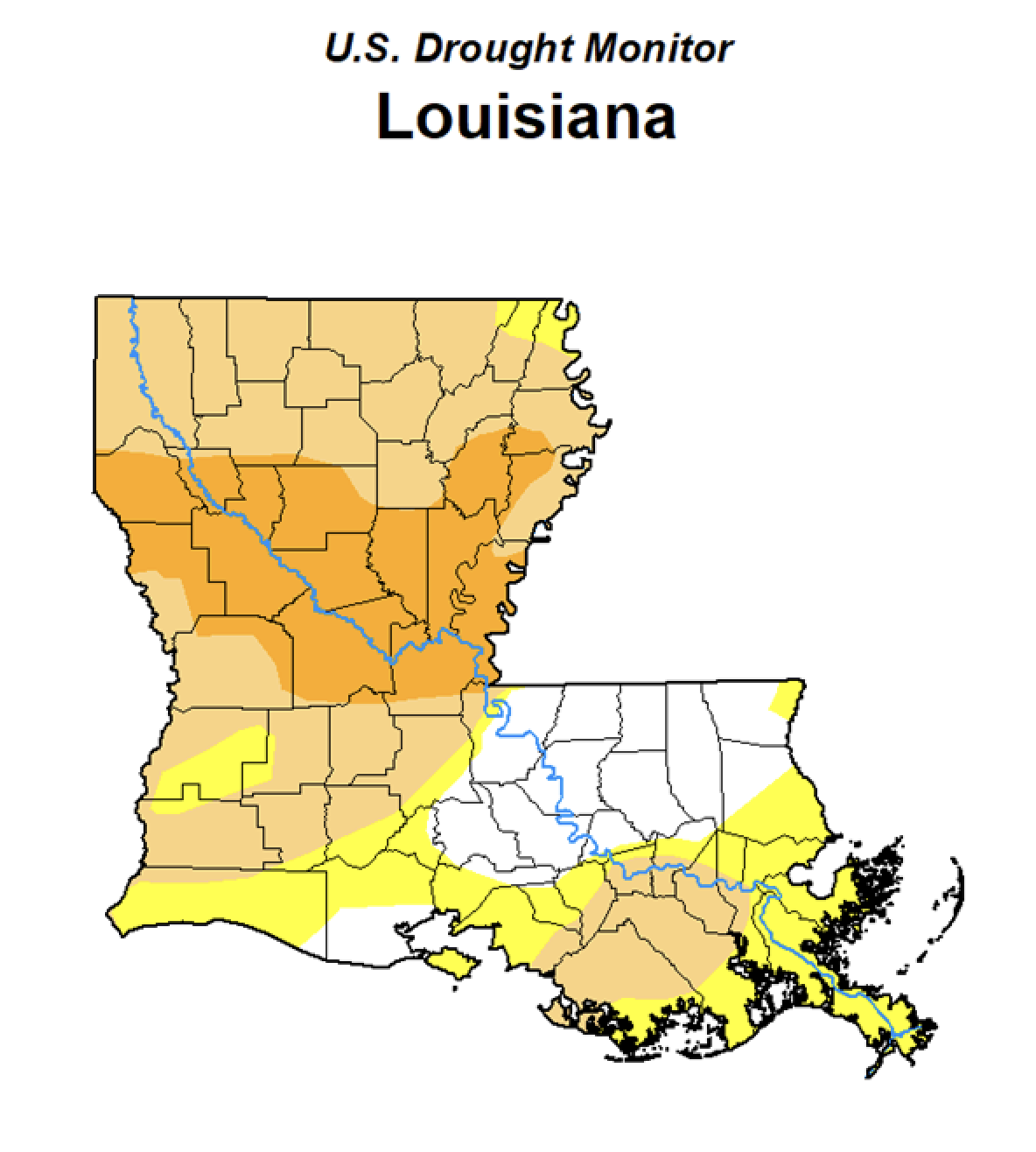
Read MoreRains over the course of the 7-day period (6-13 Jan) took a bite out of the developing drought for parts of Louisiana, with one-category improvements (Drought Category reductions) across the Florida Parishes and near/along the I-20 corridor in northern Louisiana. Yet nearly two-thirds of the state remains "in drought" with more than 20% of Louisiana in "Severe Drought" (D2).
Read MoreWith social media promoting the potential … and South Louisiana residents remembering Sneaux-mageddon of January 2025, I wanted to get on top of the current forecast(s) for Saturday evening into early Sunday morning as of this morning (Thursday AM).
Read MoreWe've chipped a little of the severe drought away, but rain is still very much needed across a large part of Louisiana. My main concern is that we don't want to be dry when things start to warm up. 90 degree days, and dry ground aren't a good thing. I do have some short term hope.
Read MoreHAPPY NEW YEAR! May the year 2026 find you happy, safe, healthy and prosperous! We started the year 2025 with 2% less cattle and calves and ended the year selling 2% more cattle through our 6 Louisiana auctions (Mansura closed July 1, 2025). If we used the last week’s sale in December 2025 and compared it to the first sale in January 2025 in the USDA Southeast Region, 400-700 lb. calves were $500.00-$600.00 per head higher. Throughout the marketing year calves and feeders reached record highs.
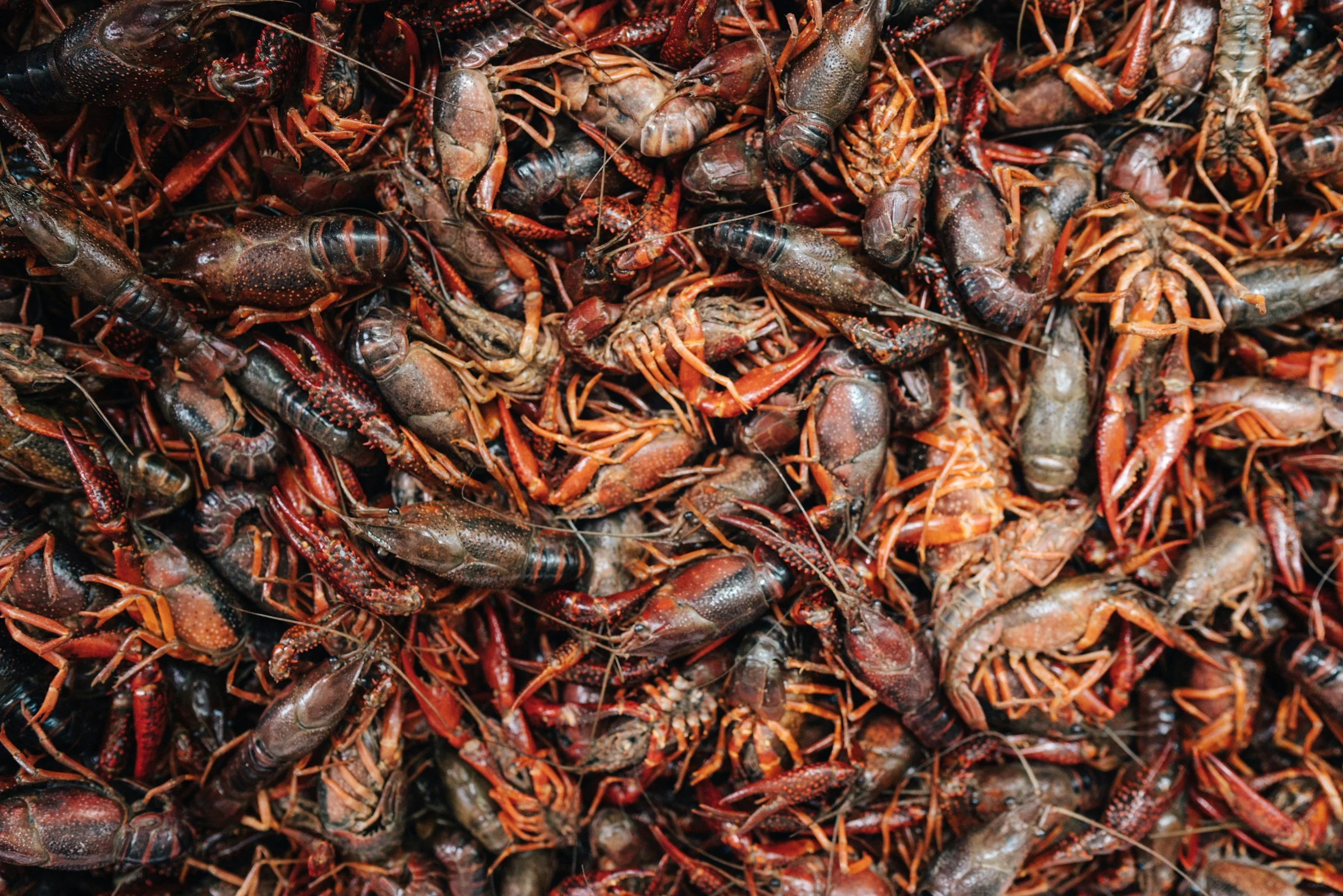
Read MoreSeafood spots in New Orleans are beginning to boil mud bugs, but some say they are facing a unique challenge.
Farmers are reporting that their immigrant employees are opting out of work due to the ongoing federal immigration crackdown across Louisiana. As a result, farmers say production is slower due to reduced staff.
Read MoreFarmer and rancher delegates to the American Farm Bureau Federation’s 107th Convention today adopted policies to guide the organization’s work in 2026. Key topics ranged from labor to animal health to risk management.
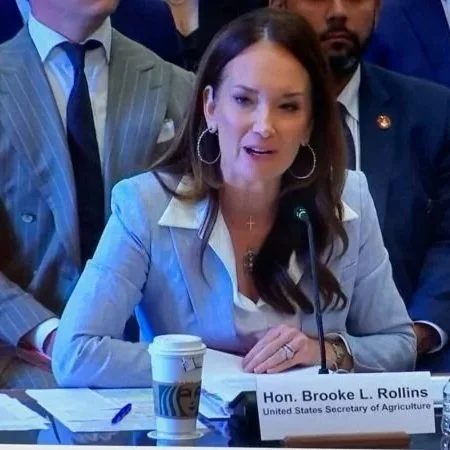
Read MoreAg Secretary Brooke Rollins says the Trump administration continues to address labor challenges that are facing America’s farmers and ranchers.
Read MoreAfter the feasting that happens in November and December, many people resolve to eat healthier in January.
The LSU AgCenter partnered with a rural restaurant in northeast Louisiana to help locals make healthy choices when dining out.
Read More