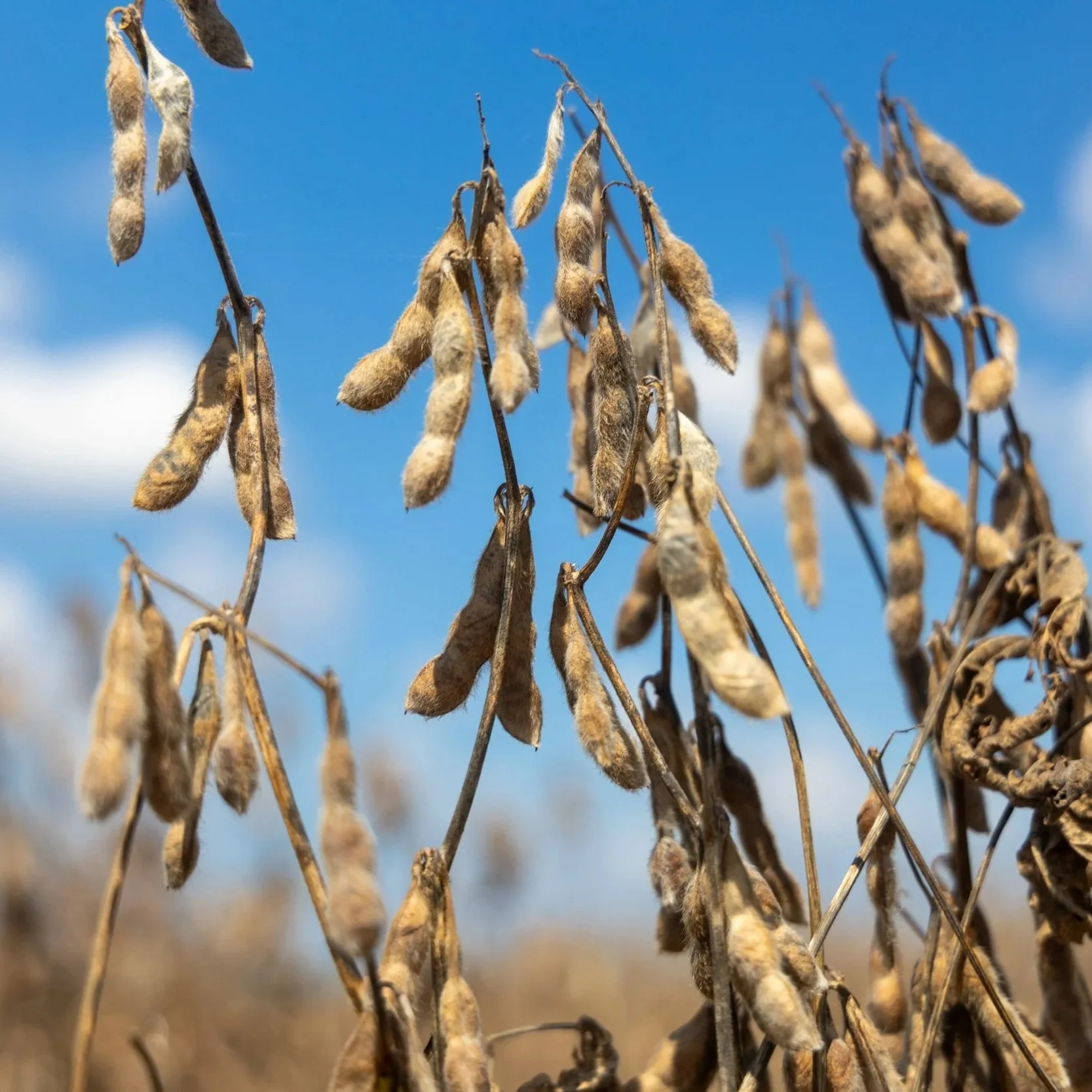
Update On Flood Damage In Soybeans From Tropical Storm Arthur
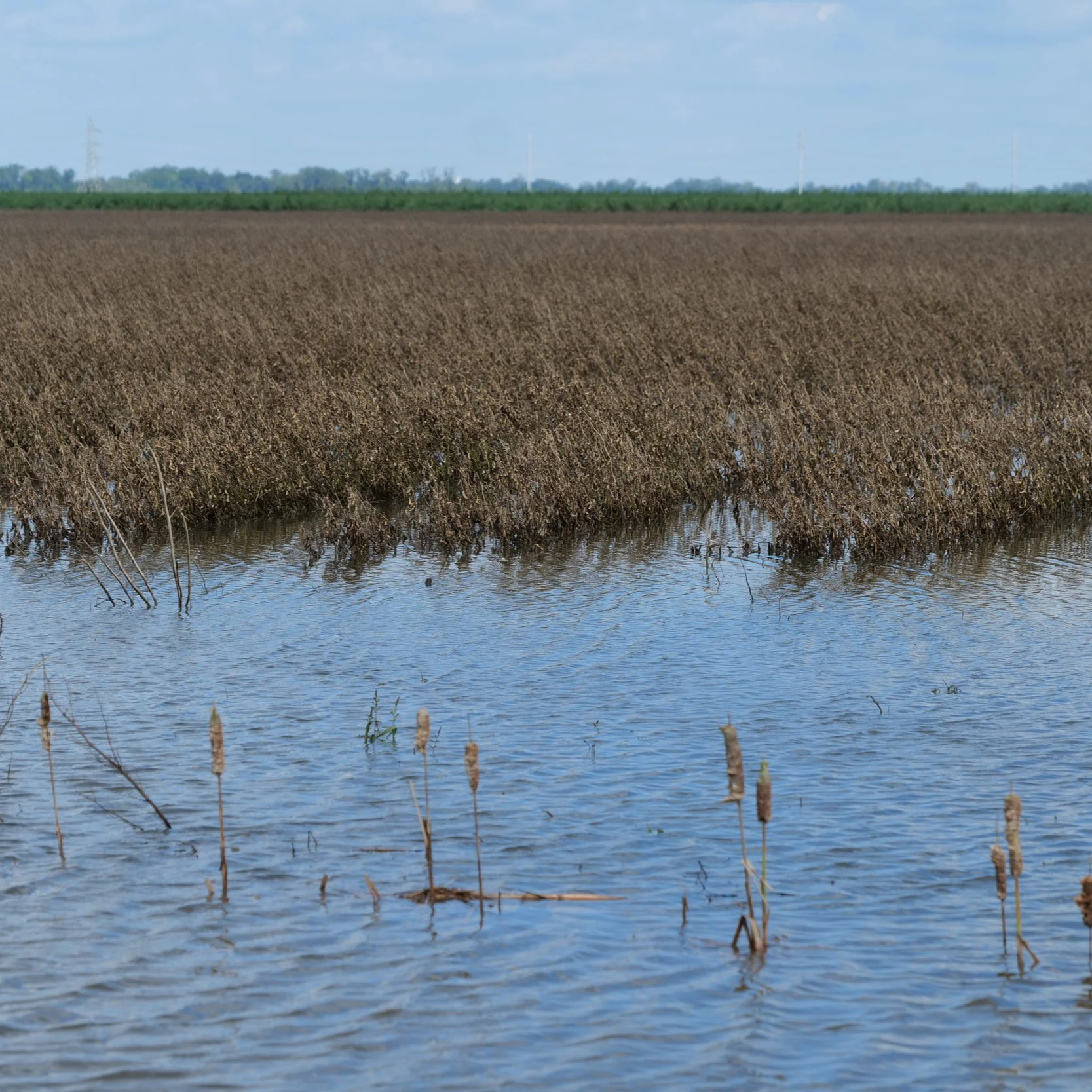
Tropical Storm Arthur brought historic rainfall to portions of Louisiana, with some areas reportedly receiving up to 30 inches of rain in a single day. The resulting flooding and prolonged saturated soil conditions caused widespread damage to soybean fields across the central Louisiana region.
Read More
Declining Rice Acres Threaten Critical Bird Habitat, Researchers Say
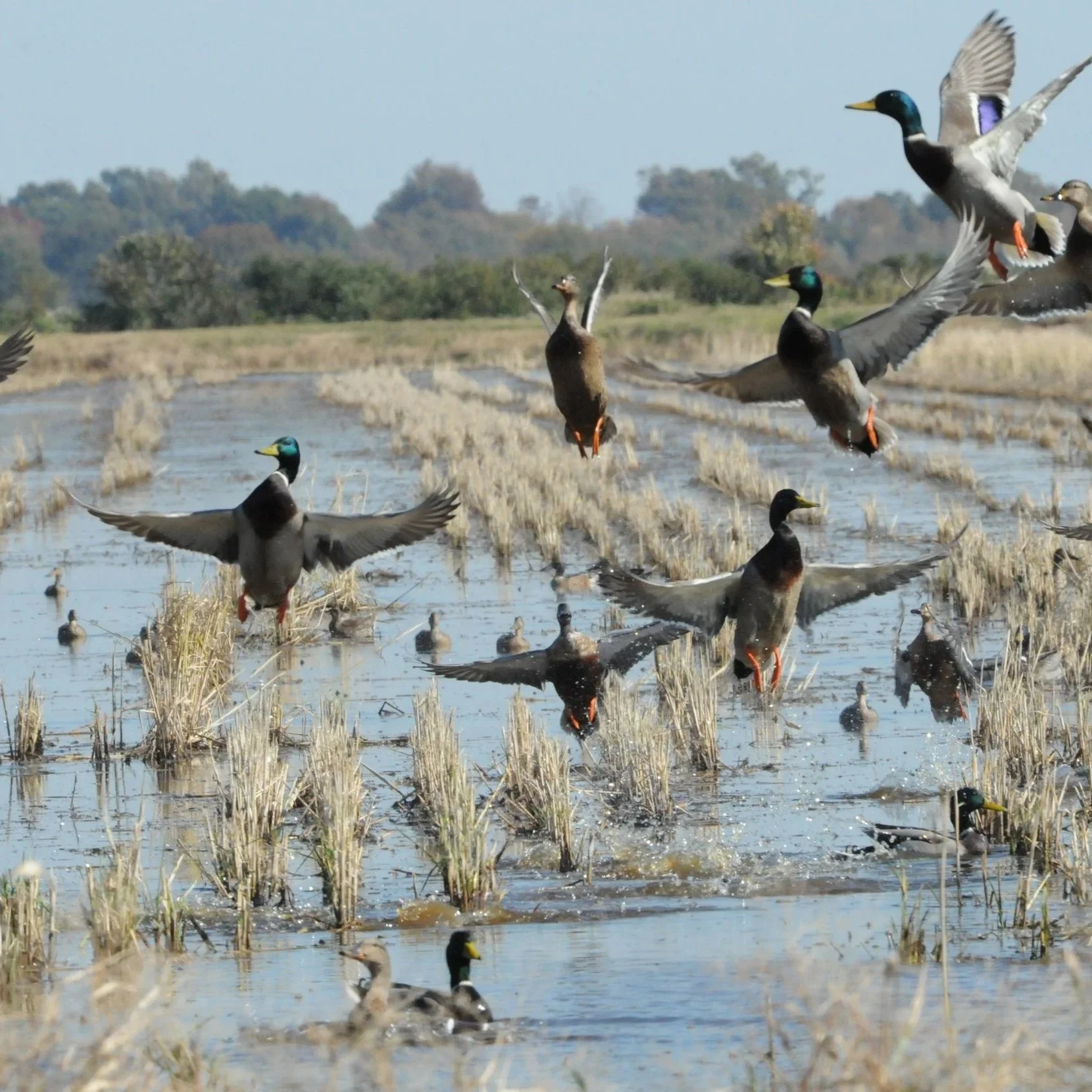
Scientists highlighted the increasingly important role rice production plays in sustaining North America's migratory birds during the Waterfowl & Agriculture Field Day, organized by the Rice Stewardship Partnership and hosted at the Northeast Rice Research and Extension Center last week.
Read More
Tropical Storm Arthur Causes Estimated $112 Million in Losses for Louisiana Farmers
Louisiana farmers suffered an estimated $112 million loss as a result of Tropical Storm Arthur last month. Avoyelles, St. Landry and Rapides Parishes accounted for 90% of total losses. Agriculture Commissioner Mike Strain says Avoyelles received 29 inches of rain in less than 24 hours.
Read More
Louisiana Rice Farmers Face High Yields, Low Prices During First 2026 Harvest
Gerard Frey is pleased with the rice coming through the combine this summer. He is less than satisfied with what that rice is worth.
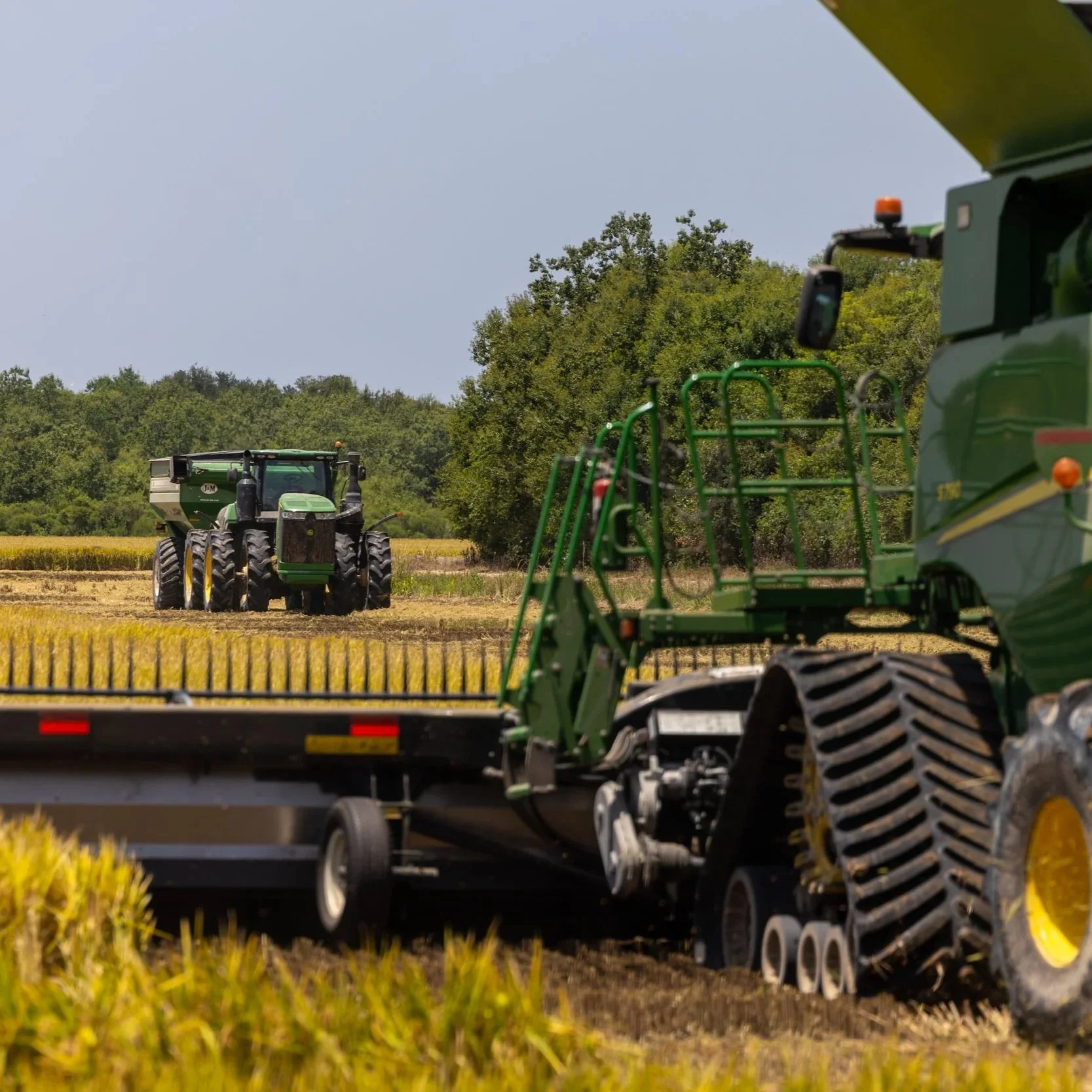
According to Frey, a rice and crawfish farmer, first-crop rice harvest is going well. He operates with GX2 Farms, which has a little over half of their crop already in, and so far yields are generally reaching the high 40s and low 50s in barrels per acre.
Read More
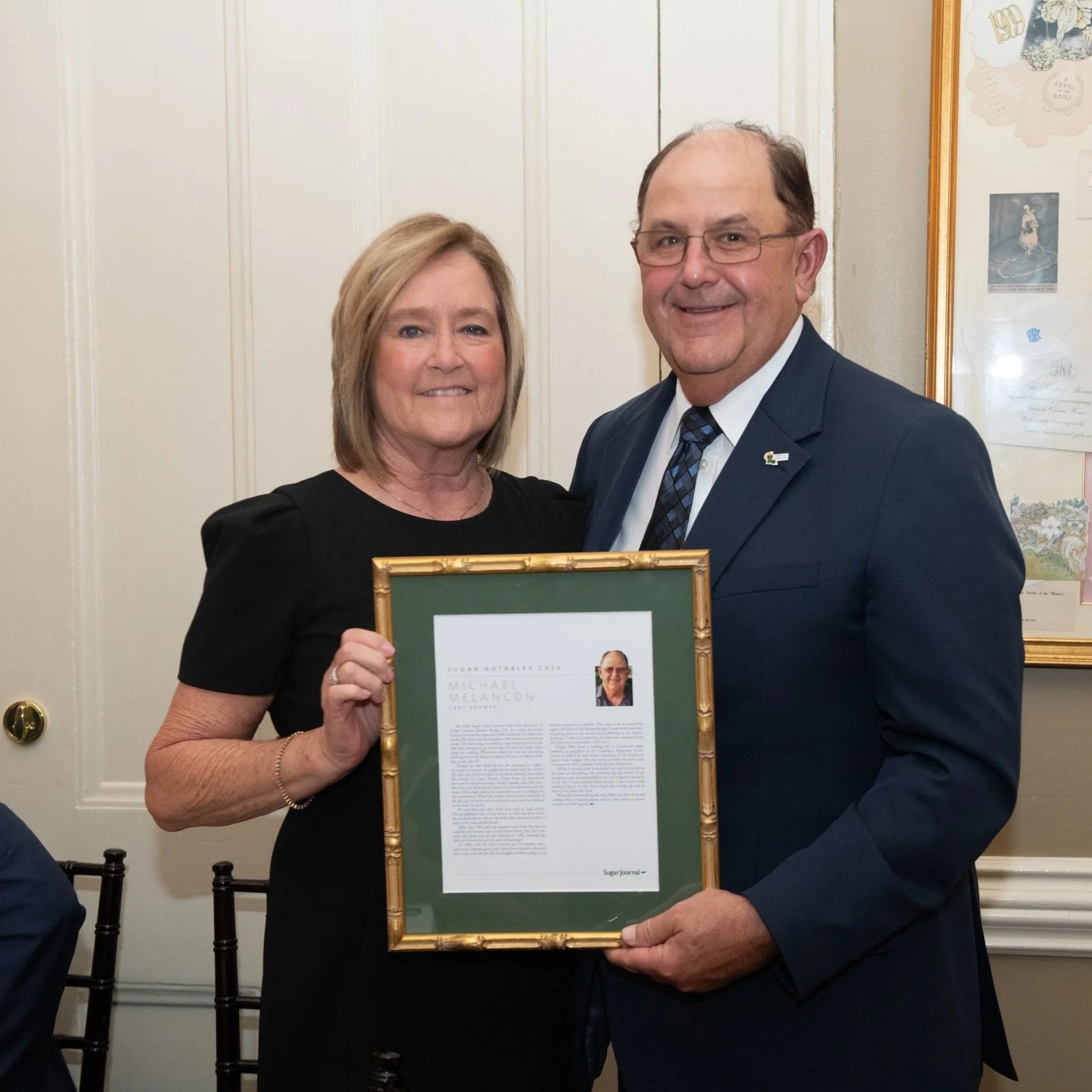
Louisiana Farm Bureau’s Mike Melancon Recognized Among 2026 Sugar Notables
Louisiana Farm Bureau Federation Secretary-Treasurer Mike Melancon was recognized Saturday evening as one of Sugar Journal’s 2026 Sugar Notables, an international honor celebrating individuals whose careers have made lasting contributions to the global sugar industry.
Read More
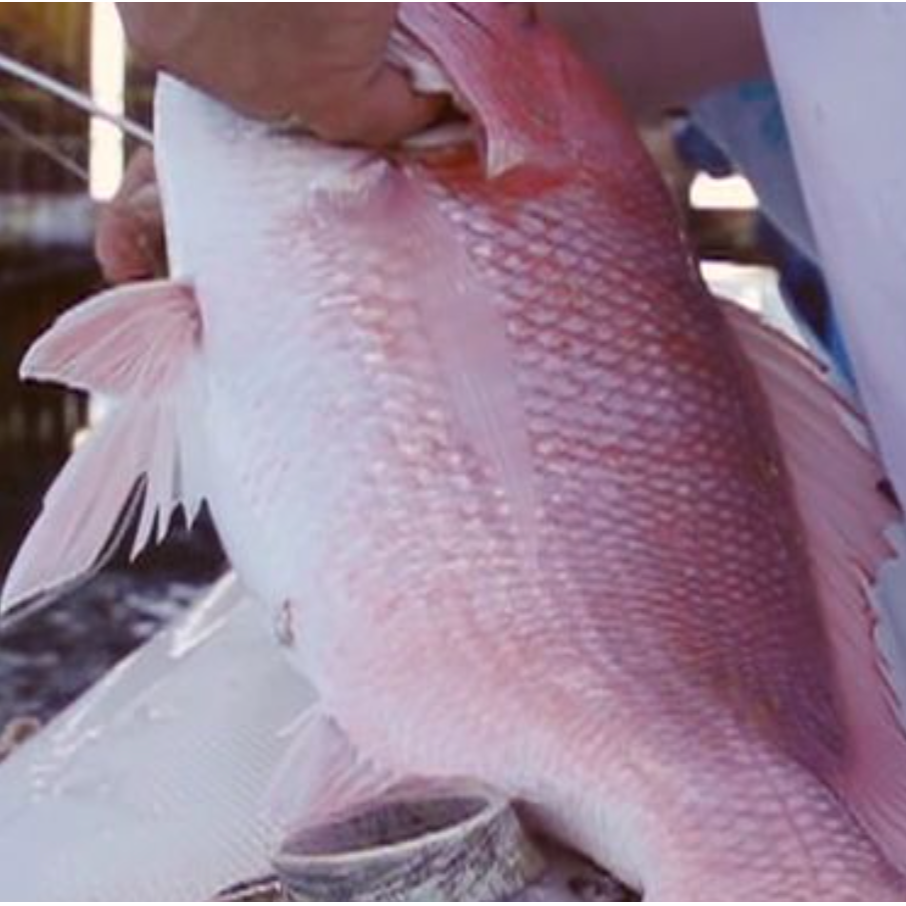
More Than 70% of Red Snapper Quota Caught Just Two Months Into Season
According to state wildlife and fisheries agents, more than 71% of Louisiana's 2026 annual private recreational allocation of red snapper has been caught.
Read More
United Soybean Board Approves FY27 Budget To Sharpen Focus And Maximize Farmer Returns
In the year ahead, the United Soybean Board (USB) will boost demand for U.S. Soy℠, drive on-farm resilience and bring value to the nearly half a million U.S. soybean farmers. Led by its 77 farmer-leaders, USB recently approved a $122.5 million budget for the 2027 fiscal year, strategically allocating funds across vital research, promotion and education investments. This spans the food, feed, fuel, industrial, exports and sustainable production market segments.
Read More
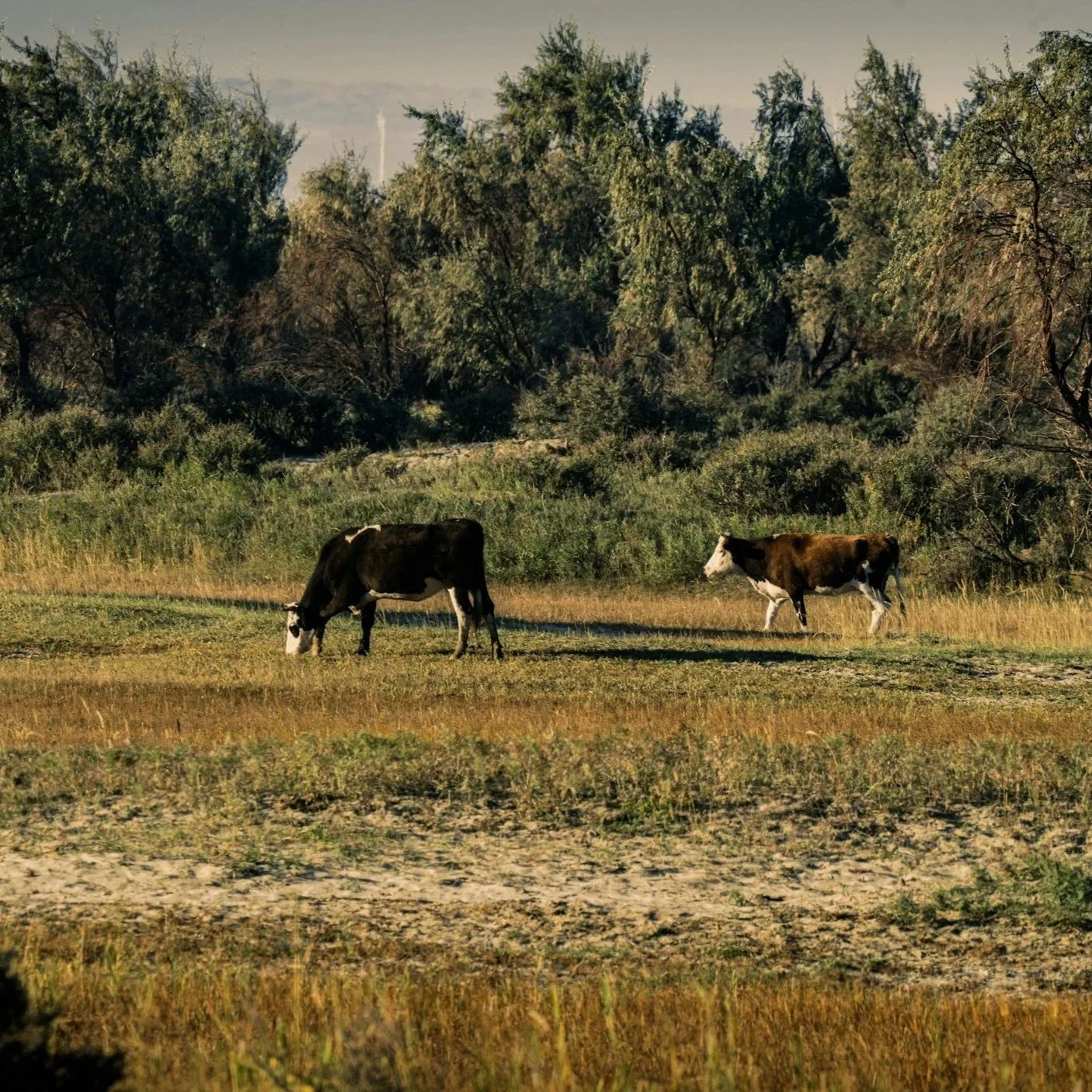
USDA Raises Cattle Price Outlook as Tight Supplies and Drought Slow Herd Rebuild
The U.S. Department of Agriculture (USDA) is forecasting continued strength in cattle prices after lowering its beef production outlook and raising steer price projections through 2027.
Read More
Higgins Works with Louisiana Farm Bureau to Modernize USDA Program
Congressman Clay Higgins (R-LA) introduced H.R. 9781, the Defend American Agriculture Act, legislation that raises the borrowing authority of the U.S. Department of Agriculture’s (USDA) Commodity Credit Corporation (CCC) from $30 billion to $45 billion through September 2031.
Read More
Hydroponic Farming Systems are Helping Local Farmers Meet Lettuce Demands
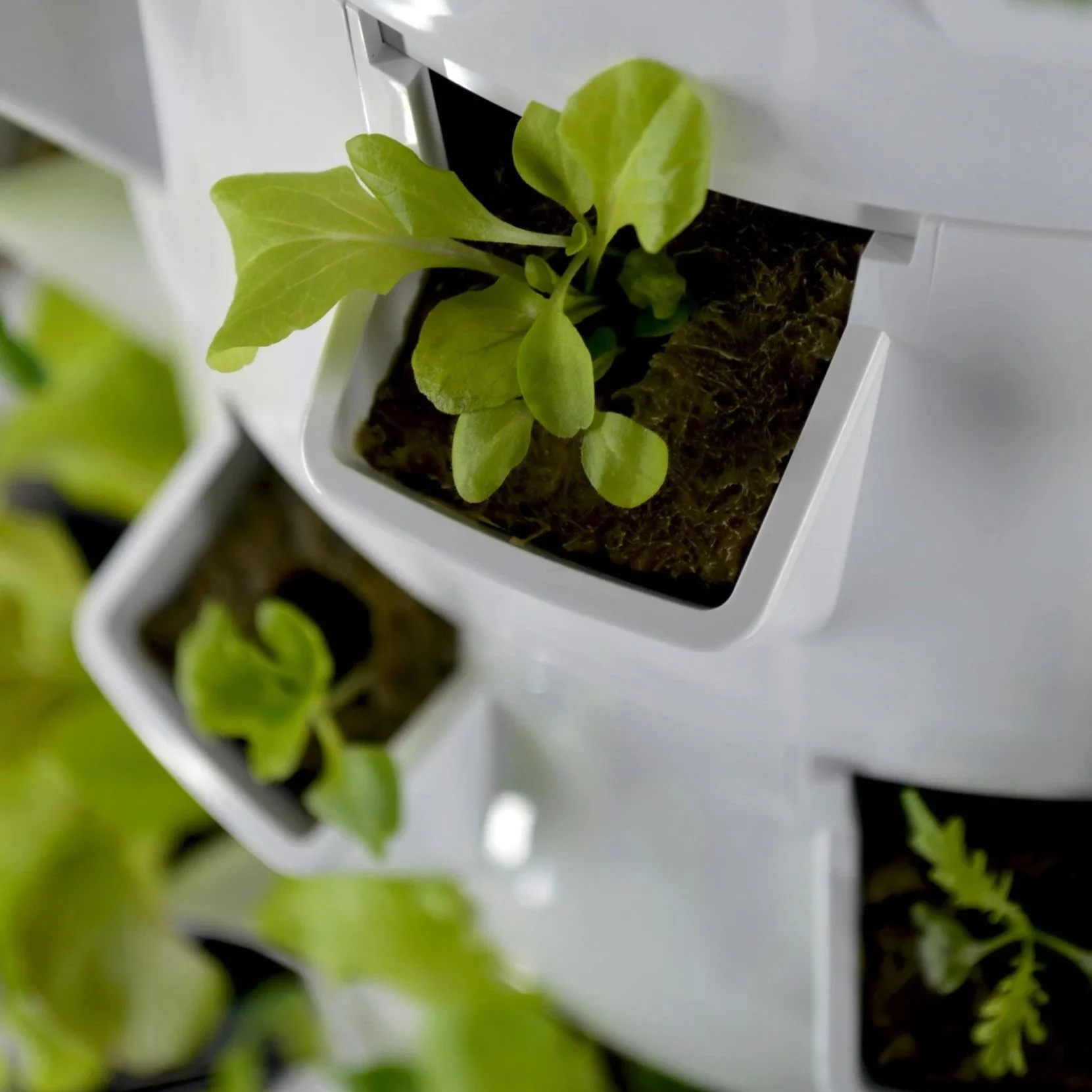
A Cyclospora outbreak has significantly altered consumer buying habits, leading thousands of heads of lettuce from large brands to remain on grocery store shelves. This shift has prompted consumers to turn to local farmers for safe, fresh produce. Amid the outbreak, Big Daddy Farms is providing a solution with its hydroponic growing system.
Read More
What to Check First When Floodwaters Recede From Your Hayfields
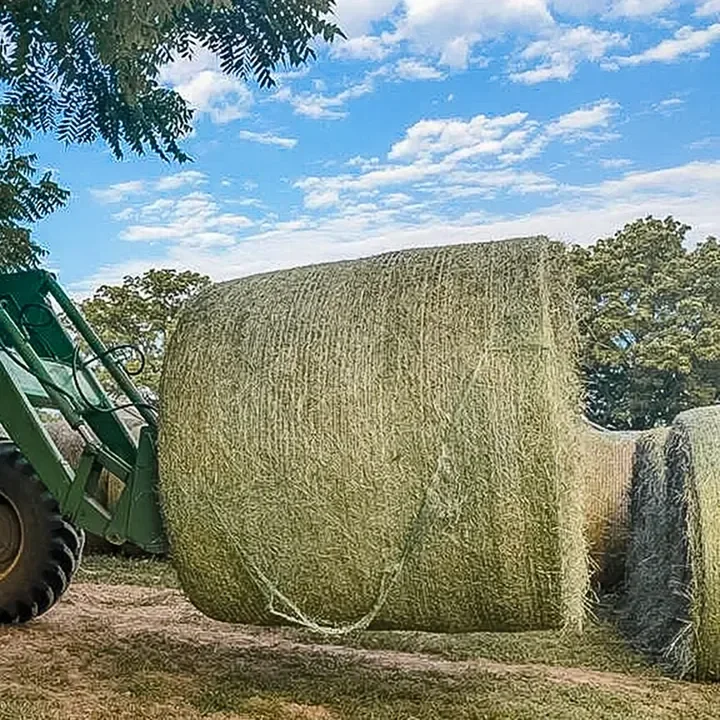
Flood damage after Tropical Storm Arthur in Avoyelles and St. Landry parishes in Louisiana, as well as counties across the state line in Mississippi, left many farmers questioning how to carry on in a growing season that sorely needed success.
In Louisiana, more than 29 inches of rain fell in 24 hours, breaking a state record set in 1962. Both Louisiana Gov. Jeff Landry and Mississippi Gov. Tate Reeves declared states of emergency.
Read More
Despite Legislators’ Moos, Raw Milk Law has Been Detrimental to Public Health
The Louisiana Legislature has sometimes been accused of having a herd mentality. One time it was literally true.
That was in 2024, when the House passed a bill allowing the sale of raw, unpasteurized milk directly from farms. As the vote was being taken, a number of legislators belted out hearty moos to celebrate.
Read More
USDA Announces $35 Million To Combat Feral Swine On American Agricultural Lands
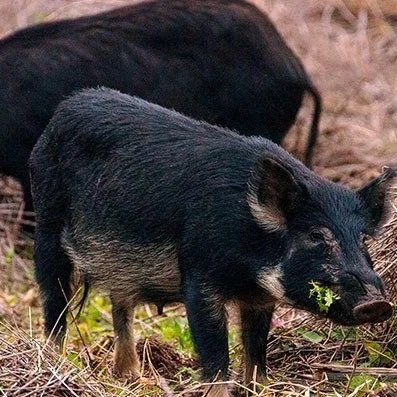
The U.S. Department of Agriculture (USDA) is making available $35 million for partnerships to respond to the threat feral swine pose to American agriculture, landscapes and human and livestock health. This partnership opportunity is part of a broader $105 million investment for the Feral Swine Eradication and Control Pilot Program, where USDA’s Natural Resources Conservation Service (NRCS) and USDA’s Animal and Plant Health Inspection Service (APHIS) are working together to target feral swine.
Read More
Irrigation Efficiency Program Launches In Mississippi
Farmers in the Mississippi Delta can now enroll in an irrigation efficiency program focused on protecting water supplies. This opportunity is led by The Nature Conservancy (TNC) to address the challenges of aquifer decline in the Mississippi River valley.
Read More
Master Farmer Program Celebrating 25 Years Of Improving Louisiana Agriculture
For 25 years, the Louisiana Master Farmer Program has helped farmers improve efficiency, sustainability and long-term productivity. A rancher in south Louisiana completed the program, which led her to make environmental improvements.
Read More