Louisiana Rice Farmers Face High Yields, Low Prices During First 2026 Harvest
By Karl Wiggers & Anna Holmes
ACADIA PARISH, La. — Gerard Frey is pleased with the rice coming through the combine this summer.
He is less than satisfied with what that rice is worth.
According to Frey, a rice and crawfish farmer, first-crop rice harvest is going well. He operates with GX2 Farms, which has a little over half of their crop already in, and so far yields are generally reaching the high 40s and low 50s in barrels per acre.
“The fields are good. The yields are good,” Frey said. “We’re really pleased with the crops.”
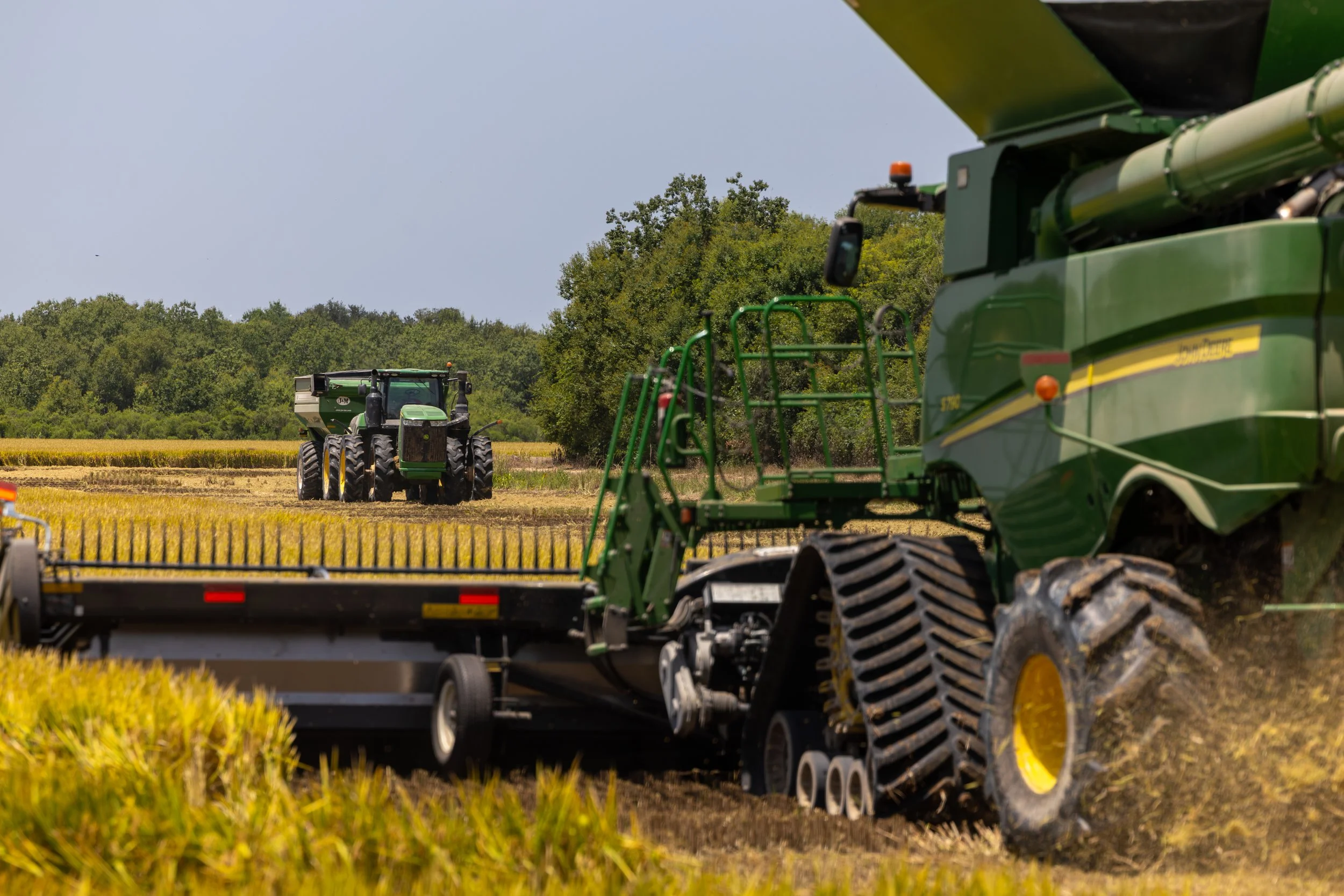
The operation had to work around several weather challenges. A windstorm flattened rice in portions of some fields before five consecutive days of rain interrupted harvest. Frey said the farm was able to harvest most of the damaged rice before the rain arrived, but one remaining field produced roughly seven fewer barrels per acre than comparable fields harvested earlier.
After the rain, they had to wait for both the rice and the ground to dry. Frey said conditions improved during the following week, allowing combines to move without damaging the fields.
That matters because harvest is not the end of the season for GX2 Farms.
The operation shreds the remaining rice stubble to encourage regrowth for a second, or ratoon, crop. That second harvest has become increasingly important to the farm’s success.
“The stalks and the plants look healthy,” Frey said. “We think we’re going to get into a healthy second crop, which is so important. We have to have that second crop to cash flow today.”
Garrett Cormier, who became Frey’s partner in the operation this year after working with him full-time for six years, said the second crop helps increase the total production generated from each acre.
“We second crop everything,” Cormier said. “We think second crop is very important for our rotation.”
Cormier described the end of first-crop harvest as a relief, particularly when storms threatened mature rice. Once the crop is in the bins, he said, the risk of wind, rain and further field losses begins to ease.
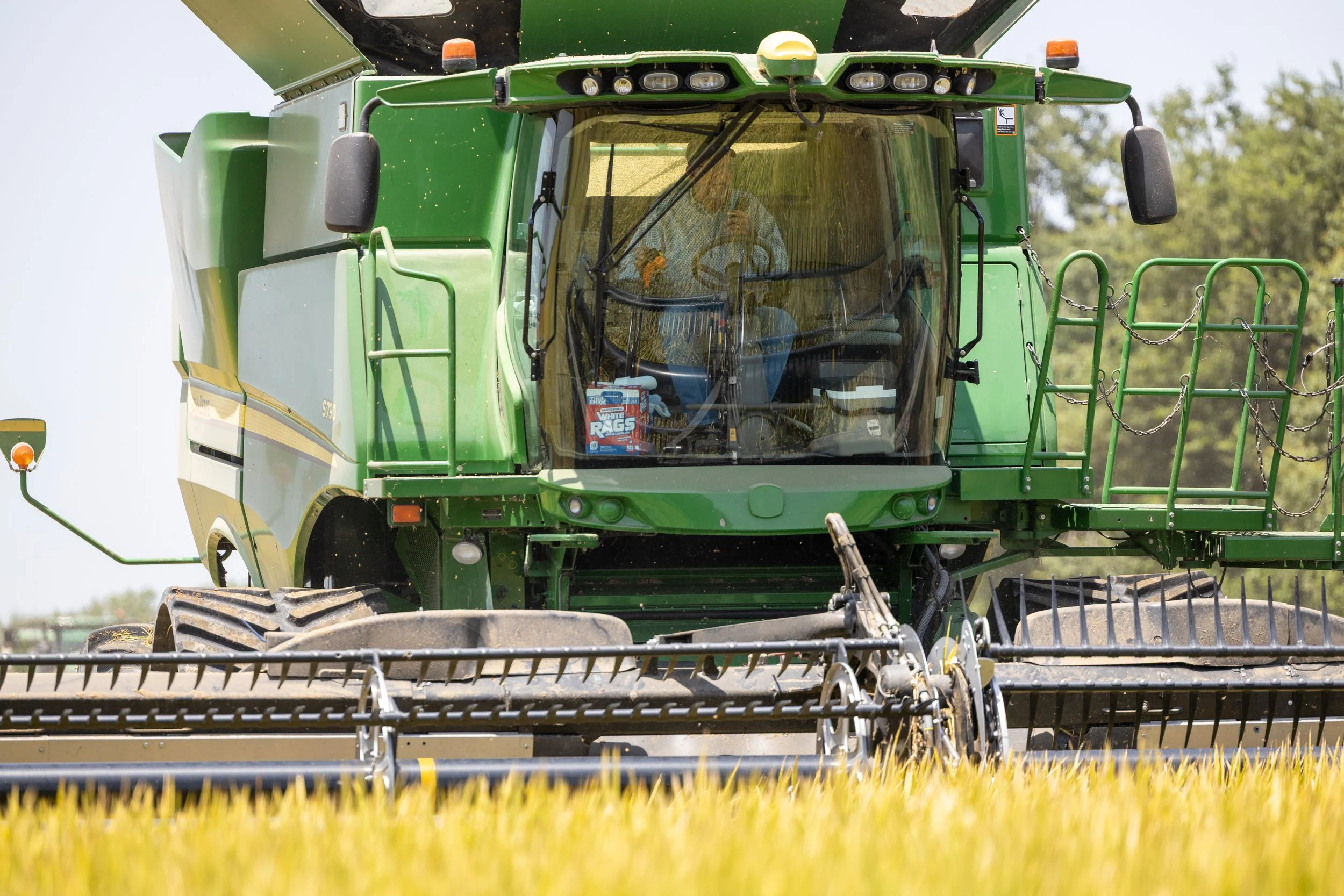
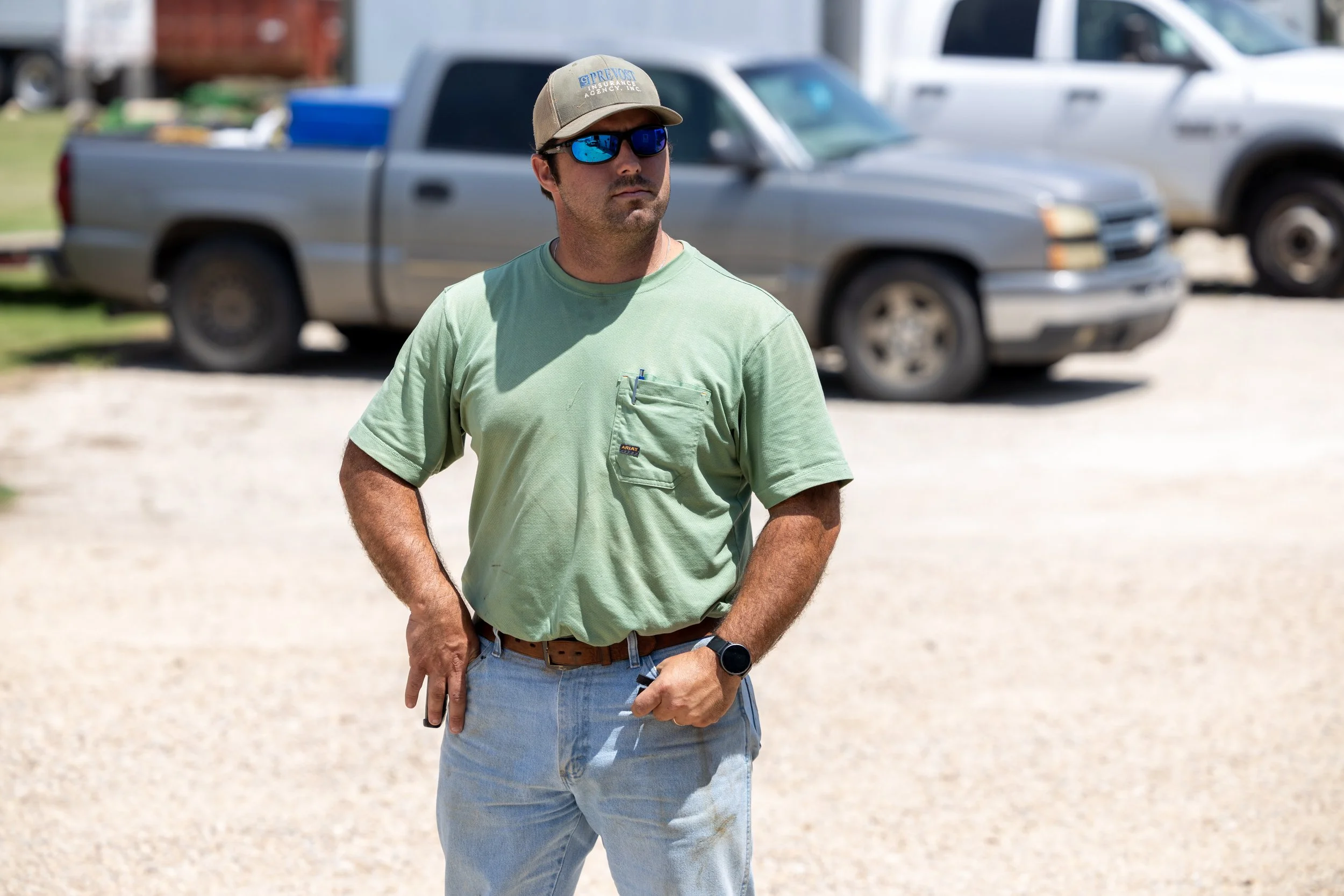
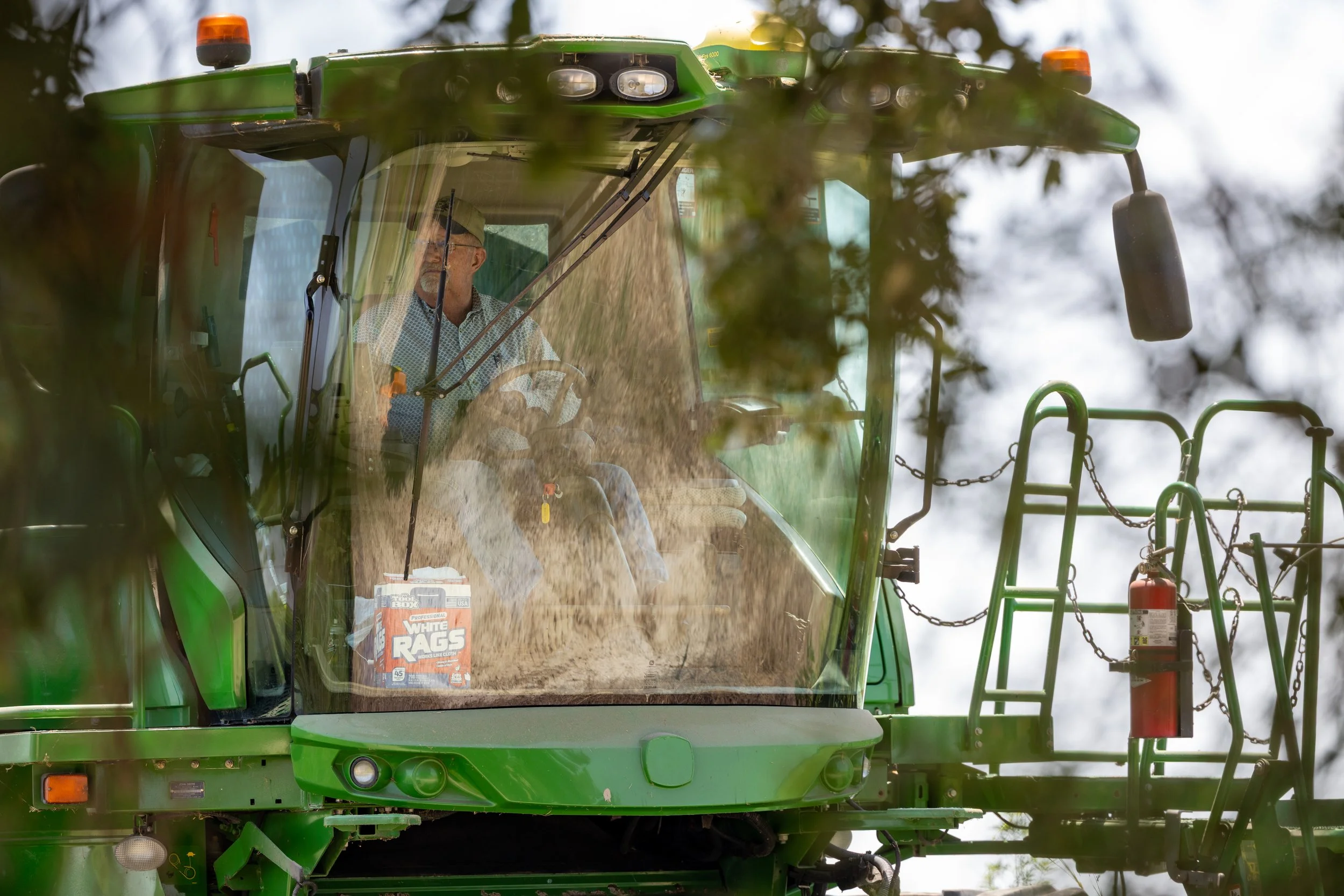
Gerard Frey harvesting his 48th rice crop in Acadia Parish.
“It’s a big sigh of relief to get the crop out of the ground before the weather comes and damages it more,” Cormier said. “Once you have the crop out and in the bins, you know you’re safe.”
Despite favorable yields, the financial outlook remains difficult. The U.S. Department of Agriculture (USDA) reported the average price farmers received for rice in May was $11.40 per hundredweight, down $2.70 from the same time last year. While USDA’s latest outlook projected some improvement in future long-grain prices, Frey said the challenge to find enough return from the crop to cover rising input costs remains.
Frey said the operation is producing the rice it needs. The missing piece is a price that provides enough margin to replace equipment, manage debt and prepare for the next crop.
“The numbers are there,” Frey said. “We just don’t have the price.”
After 48 crops, Frey has seen equipment costs rise dramatically. When he began farming in 1979, he purchased a tractor, plow and other equipment with a $28,000 loan. Today, a combine alone can approach $1 million, and that’s before adding a header or other implements.
Frey said rice prices have not kept pace with those increases.
“We’re selling rice for the same price as we were 48 years ago,” Frey said. “Fertilizer, we were paying $100 to $125 a ton. Now we’re paying $500, $600, $700, $800 a ton.”
For now, Frey and Cormier are focused on finishing the remaining first crop while protecting the plants that will produce the second.
“We’ve cut several different varieties so far, and we’ve been very pleased,” Cormier said. “It’s been a great season so far. Hopefully, it will stay like that.”