USDA Urges Farmers And Ranchers To Take Action Ahead Of The 2026 Hurricane Season
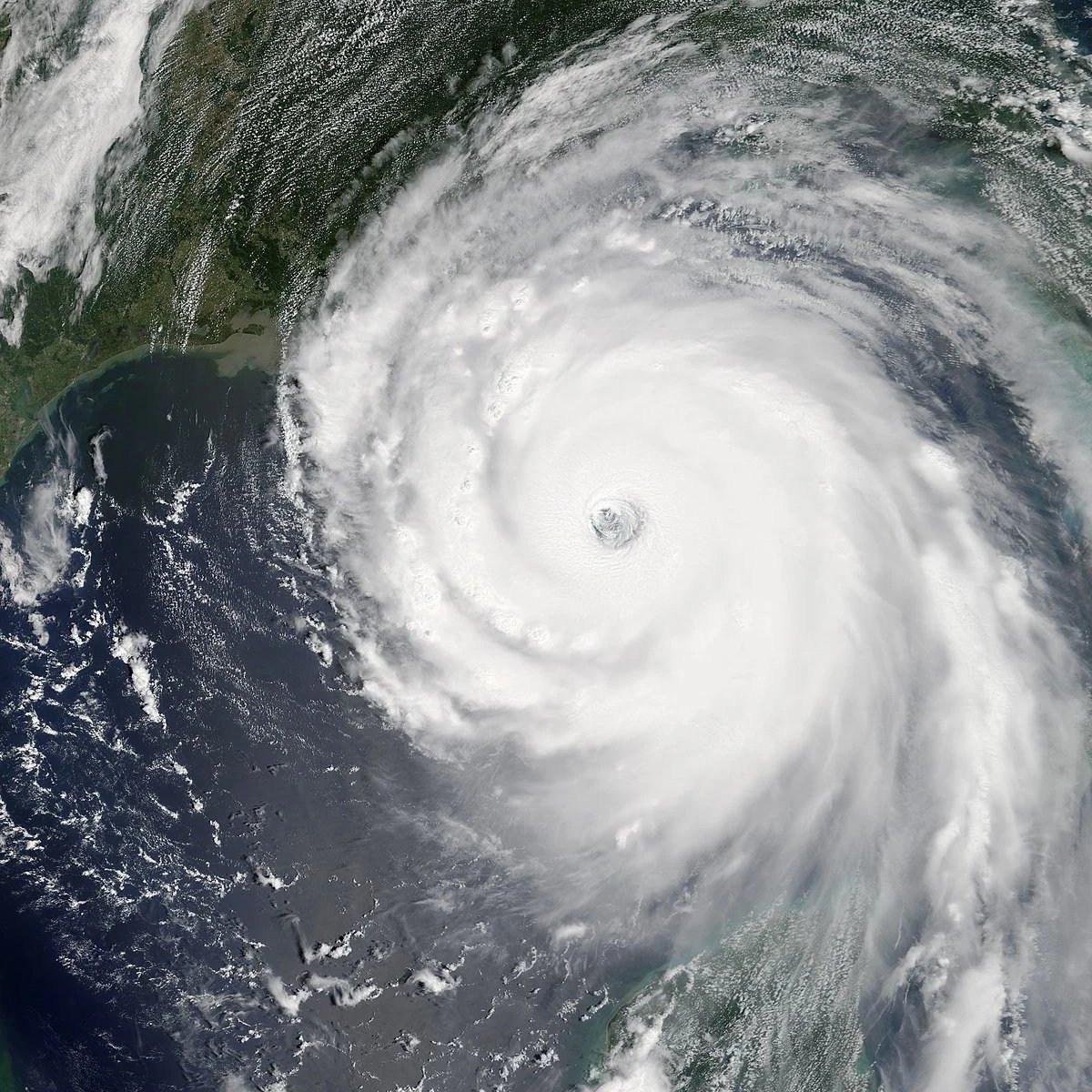
USDA is here to help you prepare for and recover from hurricanes and related tropical weather activity. The 2026 hurricane season begins on June 1, and USDA is asking producers to prepare their operations for potential impacts and explore recovery resources.
Read More
Officials Say Louisiana's Black Bear Bounty Could Boost Hunting This Year
Louisiana is set to once again nearly double the number of black bears hunters can legally bag starting later this year.
The number of bear tags issued to hunters will increase from 26 in 2025 to 42 this year, according to the Louisiana Wildlife and Fisheries Commission announced Thursday. Hunters are still limited to one bear each, so the increased count clears the way for more people to pursue the animals.
Read More
Grain Export Sales Numbers Mixed
U.S. grain export sales were mixed in the latest weekly report from the USDA. Soybean sales fell to their lowest level of the marketing year that began September 1.
Read More
More Rain Still to Come...
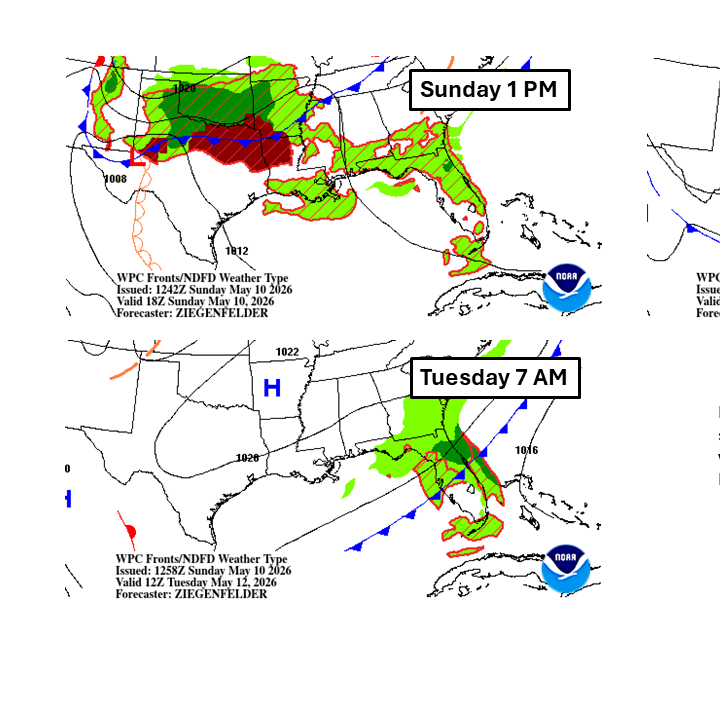
A forecast model shows storm activity from Sunday morning through Tuesday morning. The Storm Prediction Center has placed northern Louisiana under a Slight Risk for severe weather Sunday, while much of southern Louisiana is under a Marginal Risk. Strong to severe thunderstorms are possible, especially in the north, with damaging winds and large hail as the main threats. Tornadoes are not currently expected in Louisiana.
Read More
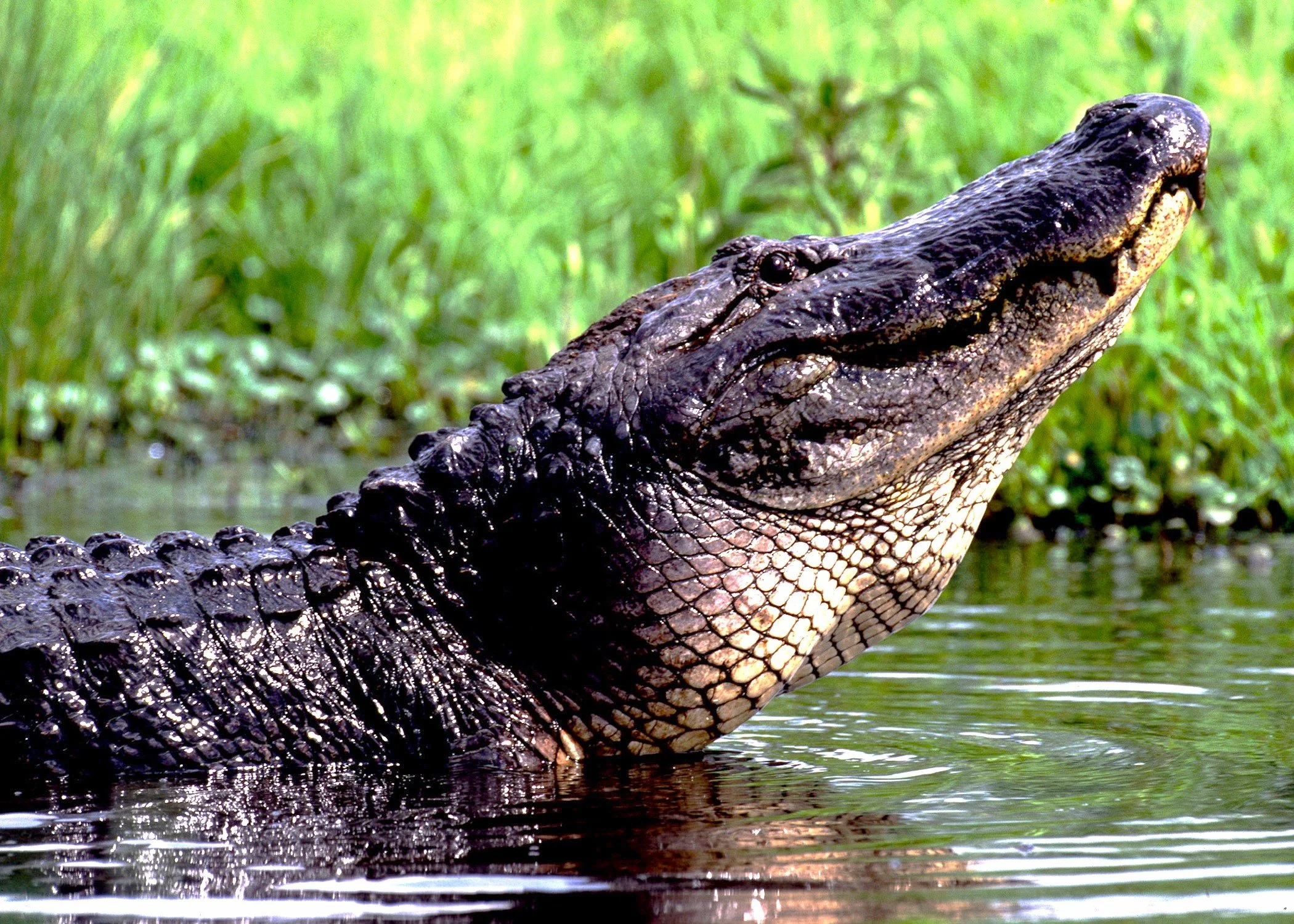
Bill to Create Recreational Alligator Hunting Season in Louisiana Signed by Governor
Louisiana is getting its first recreational alligator hunting season after Gov. Jeff Landry signed the bill into law, State Sen. Robert Allain III (R-Franklin) announced Thursday.
Read More
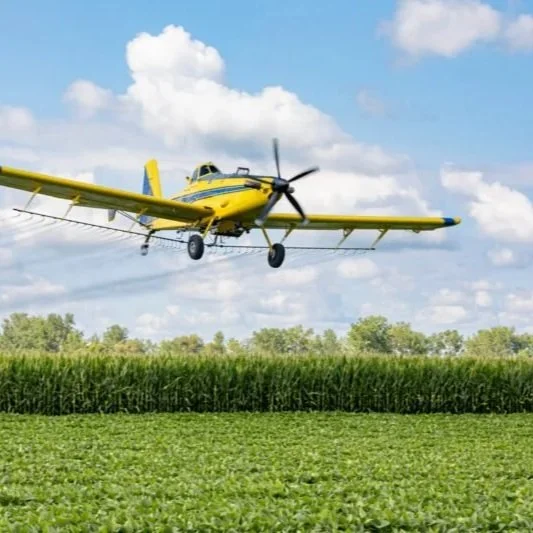
Agriculture Still Digesting Draft EPA Fungicide Strategy
The U.S. agriculture industry is still digesting the details of the EPA’s recently released draft fungicide strategy.
Richard Gupton with the Ag Retailers Association tells Brownfield the strategy, which is 163 pages long, appears to align with EPA’s broader efforts on pesticide regulations related to the Endangered Species Act.
Read More
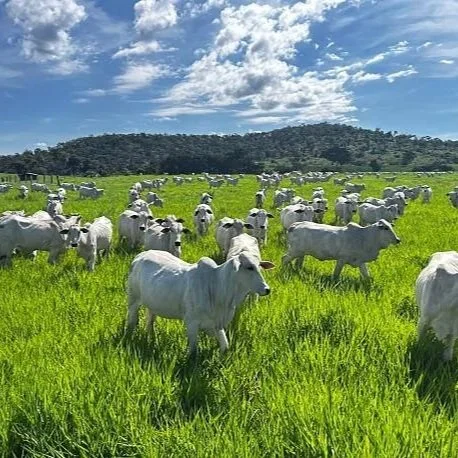
U.S. Imports of Brazilian Beef Surged in the First Quarter
Growing scrutiny of the meatpacking industry and rising Brazilian beef imports are fueling a new debate over competition and U.S. food security.
Read More
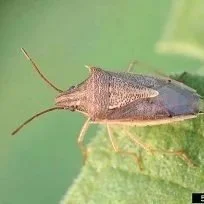
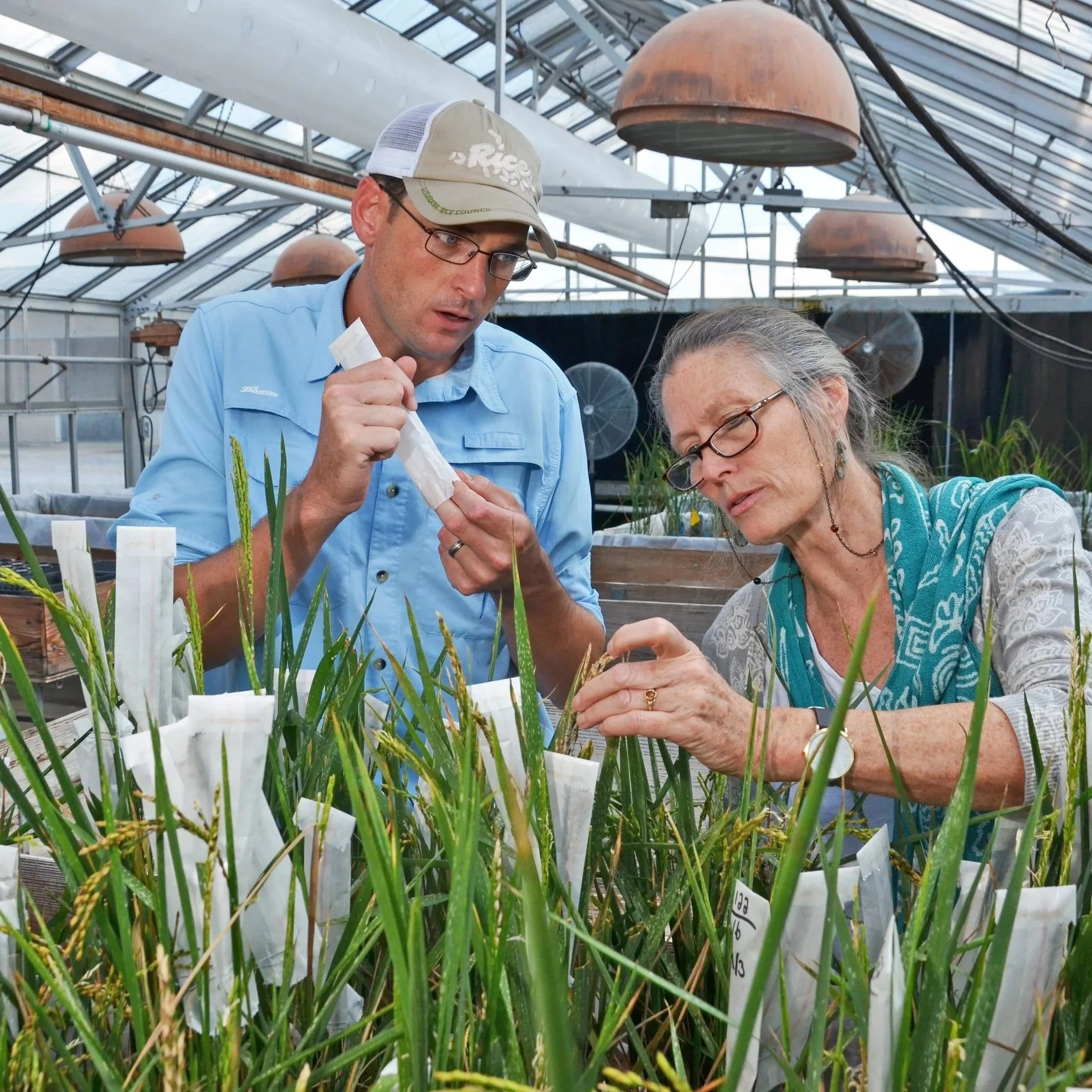
Rice Stink Bug Focus Of Ag Researchers In Several States
Arkansas’ rice crop this year is set to be the smallest in nearly 50 years. Drought, higher input costs, and lower commodity prices are among the factors that are driving down this year.
There’s one pest, however, that has plagued rice farmers since the 1880s — the rice stink bug. The insect reportedly causes up to $20 million worth of damage to rice crops in Arkansas each year, according to AgInnovation. In heavily infested fields, yields can drop by up to 10%.
Read More
Farm Bureau Selects New Leadership Class Participants
The American Farm Bureau Federation recently announced the members of its 13th Partners in Advocacy Leadership (PAL) class, a program designed to help agricultural leaders strengthen their advocacy and communication skills.
Read More
EPA Grant for Farmer-Led Conservation On Working Lands
The Environmental Protection Agency’s Gulf of America Division has announced up to $50 million in new grant funding aimed at improving water quality, habitat restoration, environmental resilience, and environmental education across America’s working lands.
Read More
Mississippi Farmers Change The Way They Grow Rice
When a system works, there is little reason to change and many reasons to stick with success; any change in that system is often small things to improve efficiency.
Mississippi’s rice industry is not following that pattern.
Read More
Louisiana Farm Bureau Unites Members for Inaugural Membership Monday Drive
The Louisiana Farm Bureau Federation is organizing a one-day, statewide Membership Monday drive today, May 11, bringing together staff, existing members and volunteers to increase membership while strengthening Louisiana agriculture.
Read More
Louisiana Farm Bureau Members Advocate for Agriculture at the State Capitol
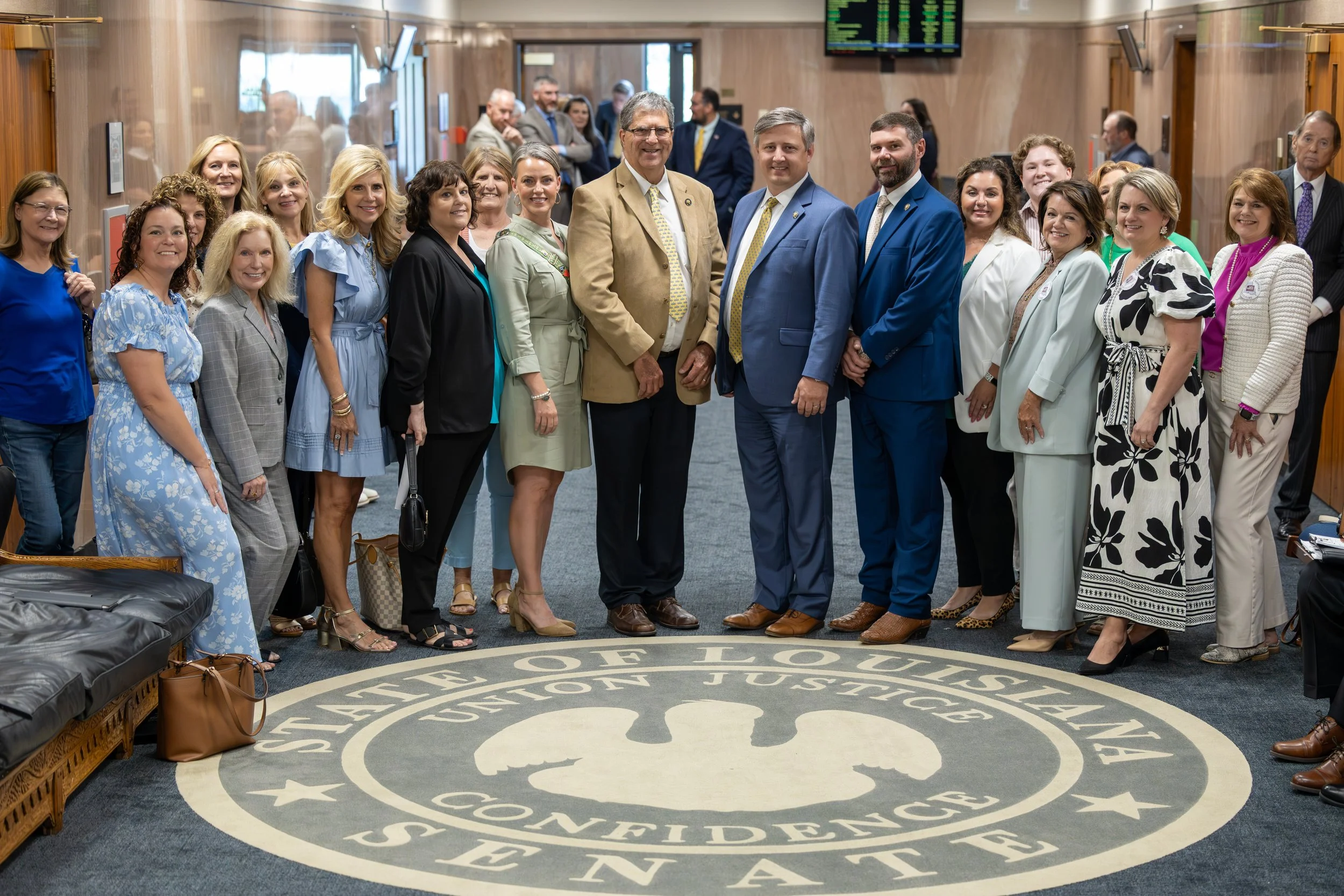
Members of the Louisiana Farm Bureau Federation’s Women’s Leadership Committee and Young Farmers and Ranchers brought their voices directly to lawmakers at the state capitol, advocating for policies that impact farmers and rural communities across Louisiana.
Read More
Diesel Prices Are Breaking Records Across Multiple States, And Relief May Not Come in 2026
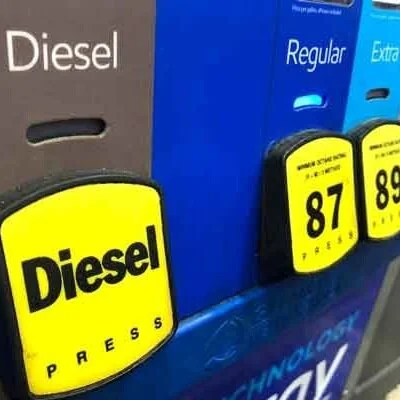
Diesel prices are just 20 cents from a record high, with multiple states already setting new records. Experts warn relief is uncertain as prices could remain elevated through 2026.
Read More
Louisiana Proposal Looks to Avoid Critter Clashes Over Rescued Wildlife
Wildlife agents might soon have official legal rules to follow when seizing wild animals raised as pets or rescued injured animals that are against Louisiana law to keep. The goal would be to release more of them back into the wild and, when it’s been a last resort, put fewer to death.
Read More