Secretary Rollins Launches ‘One Farmer, One File’ At Commodity Classic
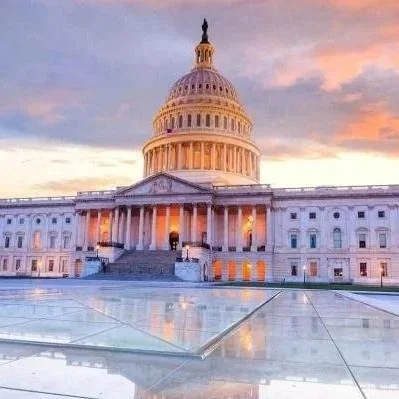
Agriculture Secretary Brooke Rollins unveiled USDA's new “One Farmer, One File” initiative Thursday at the 2026 Commodity Classic, promising a single streamlined digital record that follows producers across all agency systems and slashes paperwork burdens.
Read More
Farm Bureau Welcomes USDA’s Streamlined Efforts
American Farm Bureau Federation President Zippy Duvall commented today on USDA’s new “One Farmer, One File” initiative, which promises to streamline efforts to make its services more efficient for farmers and ranchers across the country.
Read More
Why Brazil's Cost Of Producing Soybeans Is Less Then The US
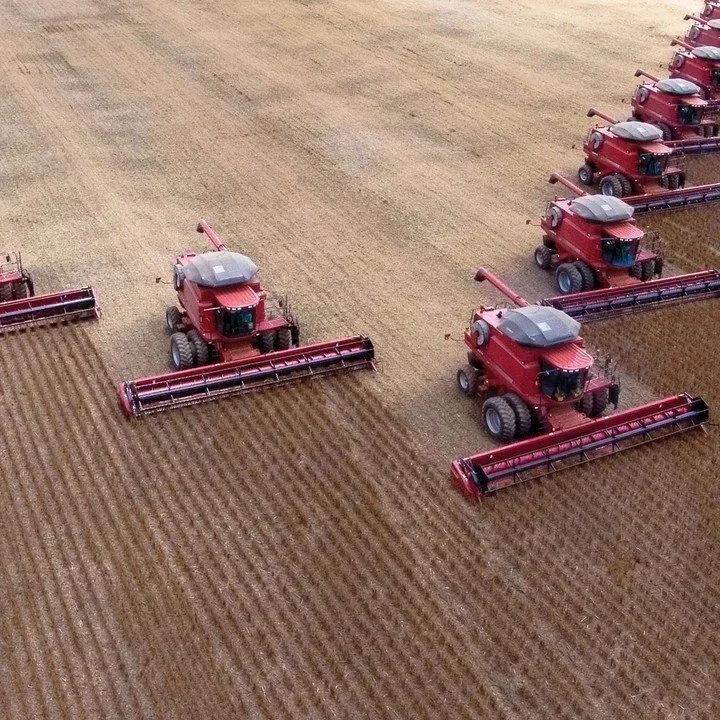
Brazil's rise as a dominant force in global soybean markets has become a central concern for U.S. producers. In the January 2026 Purdue University Ag Economy Barometer survey, 44% of U.S. farmers indicated they were "very concerned" and 36% reported being "concerned" about the competitiveness of U.S. soybean exports relative to Brazil
Read More
House Agriculture Committee Plans To Finish Work On The Farm Bill This Week
Tomorrow, the House Agriculture Committee will begin consideration of the Farm, Food, and National Security Act of 2026, which addresses policy changes not included as part of the One Big Beautiful Bill Act that was signed into law last summer. These programs span all 12 titles of the farm bill and will work in tandem with the enhancements to the farm safety net made last year, aiming to provide long-term certainty to the agricultural community.
Read More
Louisiana Ag Hall Of Distinction Inducts Three New Members
A forester, a former LSU AgCenter administrator with an entomological background and an advocate for Louisiana’s sugarcane industry were inducted into the Louisiana Agriculture Hall of Distinction. The induction took place at the L’Auberge Hotel in Baton Rouge Feb. 26.
Read More
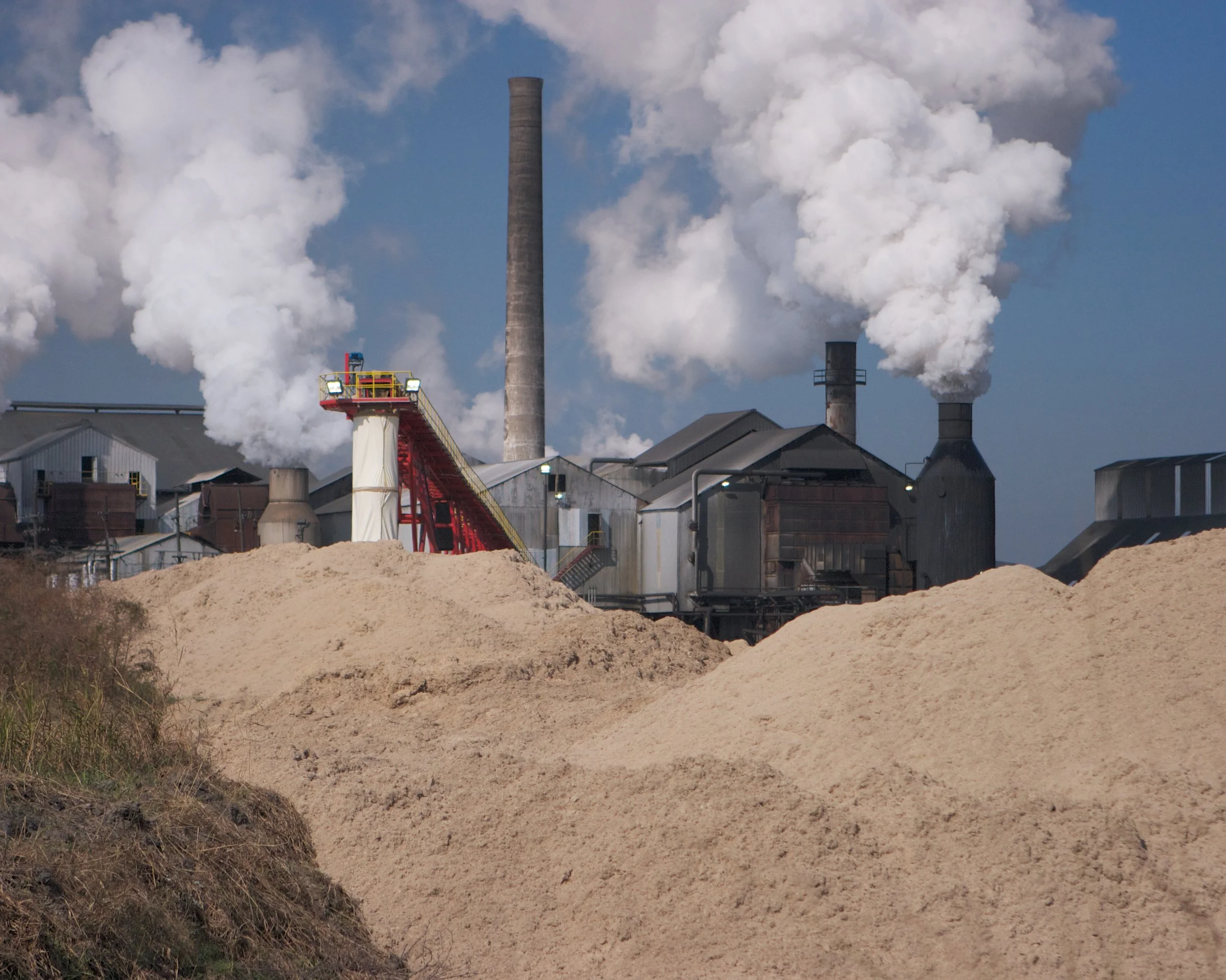
Fueling the Future with Farm Byproducts
Aviation and agriculture have shared a long history. From aerial seeding to crop dusting, airplanes have long played a role in modern farming. Now, new research underway at Louisiana State University could allow agriculture to return the favor—helping power the aviation industry itself.
Read More
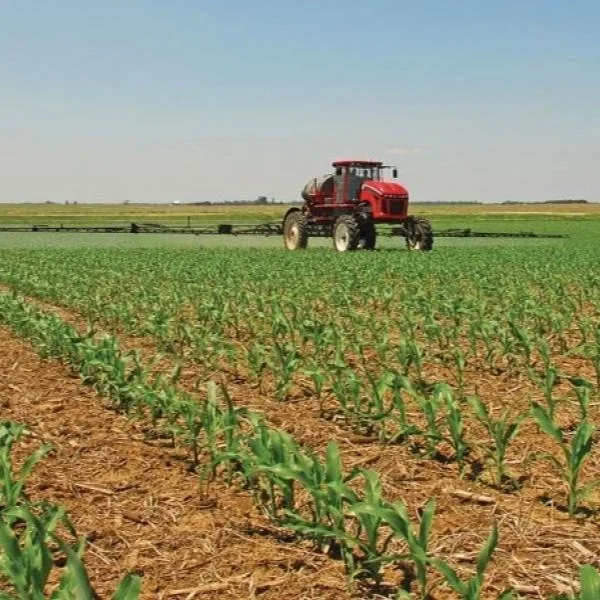
Update For Maximum Annual Use Rate Of Dicamba For Use In DT Cotton and Soybean
New dicamba labels for use in DT cotton and soybean included a reduction in the maximum annual use rate. This reduction applies to all sources of dicamba when using or intending to use Engenia, Stryax, or Tavium. Therefore, if you intend to apply Engenia, Stryax, or Tavium in DT cotton or soybean, you need to take into consideration other sources of dicamba such as burndown applications, cover crop termination, or applications in rotational crops made or intended to be made in the same year.
Read More
Farm Bureau Calls On House Agriculture Committee To Pass Farm Bill
American Farm Bureau Federation President Zippy Duvall today commented on the Farm, Food, and National Security Act of 2026.
Read More
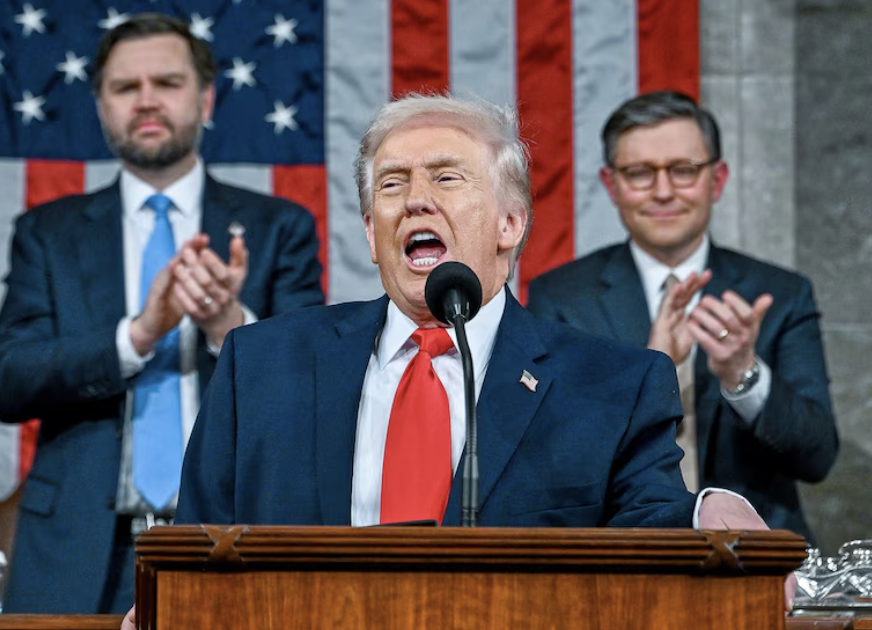
Trump Doubles Down on Tariffs and Grocery Prices in State of the Union Address
In the longest State of the Union addresses in history, President Donald Trump doubled down on tariffs as both an economic engine and a geopolitical lever.
Read More
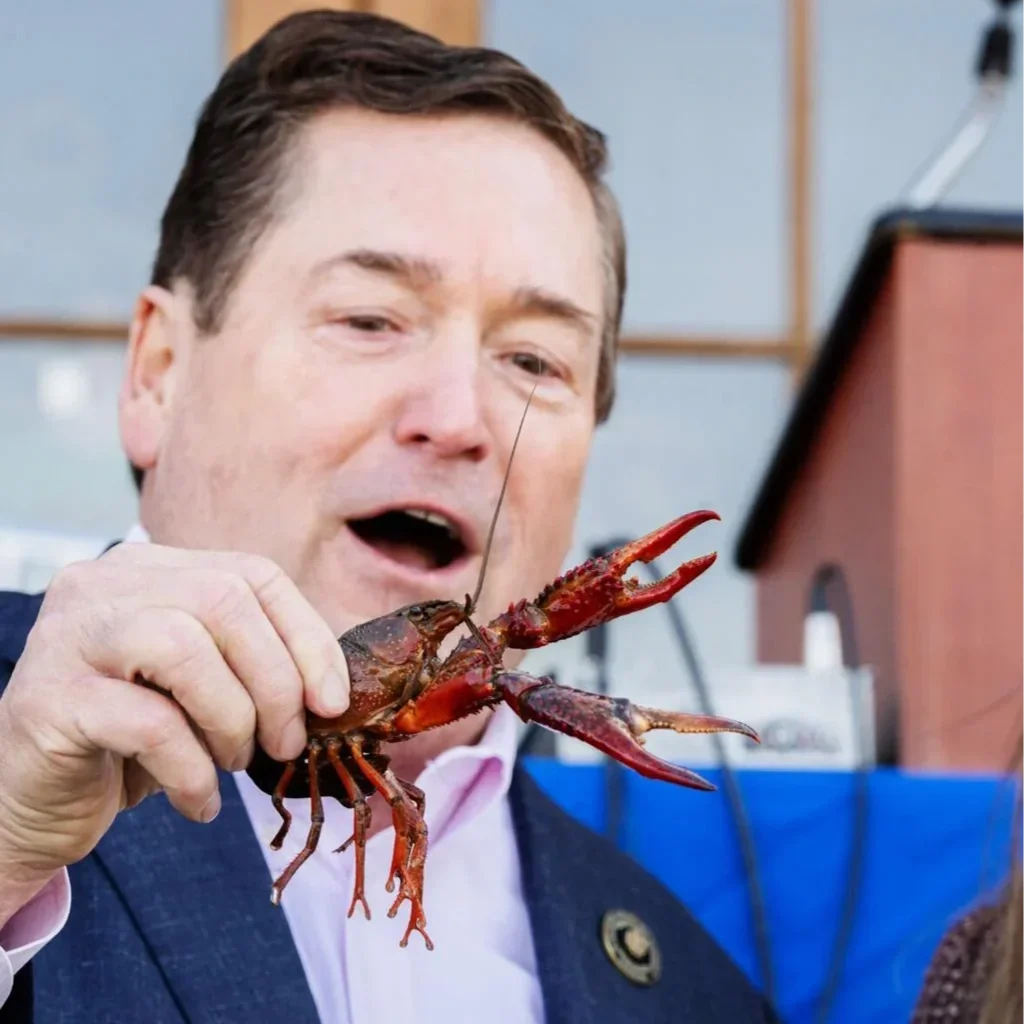
Crawfish Season Officially Begins With Pardoning of Tony the Crawfish
Lt. Gov. Billy Nungesser granted an official pardon to Tony the Crawfish on Tuesday. The event marks the first official day of crawfish season in Louisiana.
Read More
Louisiana Industry Has a Ball at Annual Meetings
This past weekend, the Louisiana Rice Council and the Louisiana Rice Growers Association (LARGA) held their joint annual membership meeting here. The organizations’ respective presidents, Eric Unkel and Alan Lawson, presided over the business meetings.
Read More
Louisiana Farm Bureau Joins Groups Urging Congress to Support Cotton
The Louisiana Farm Bureau Federation is joining a broad coalition of agricultural organizations, cotton industry leaders and major retailers in urging Congress to support the bipartisan Buying American Cotton Act (H.R. 7230).
Read More
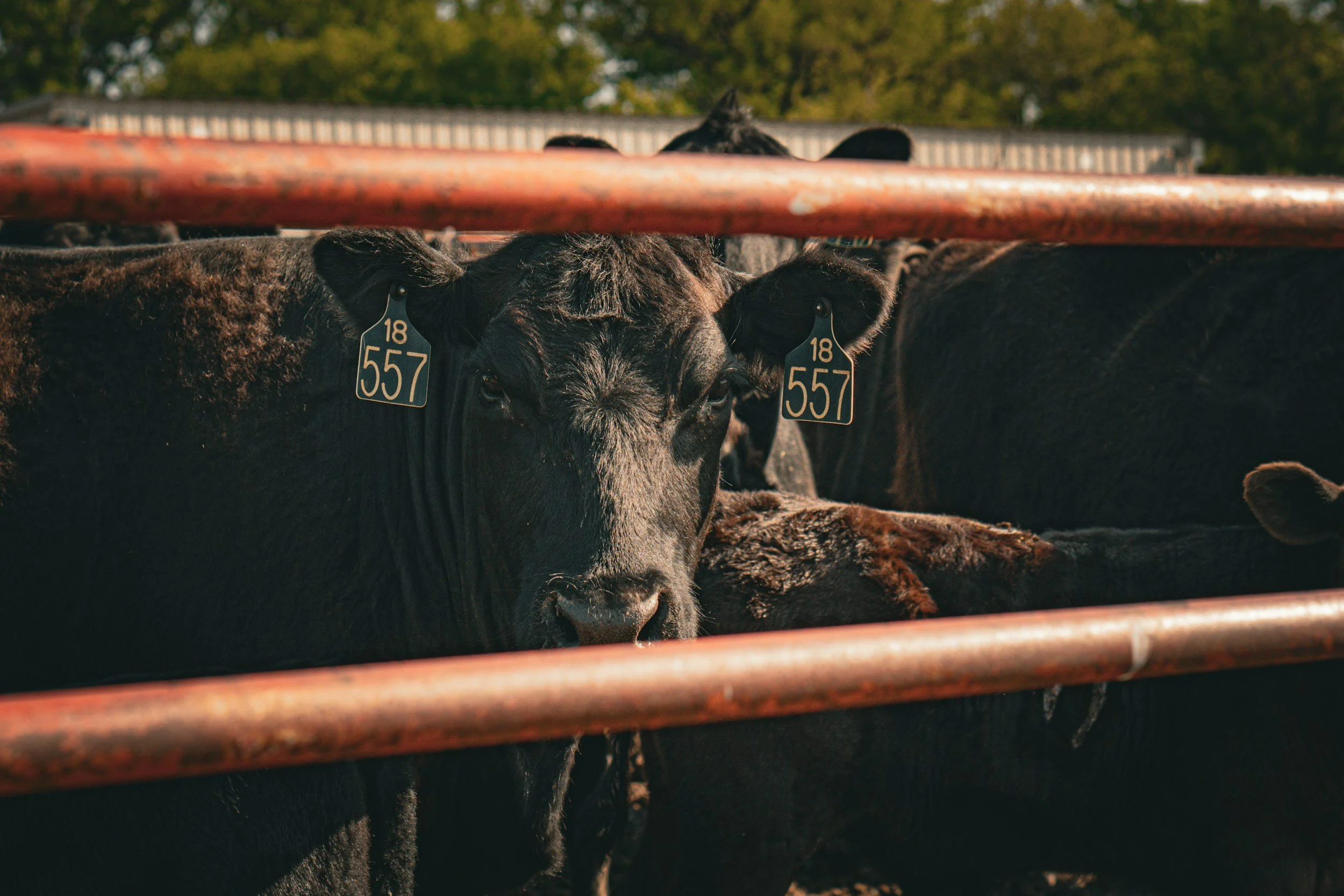
Livestock Brand Commission to Host Saddle Microchipping Event March 4
The Louisiana Department of Agriculture and Forestry’s (LDAF) Livestock Brand Commission will host a saddle microchipping event on Wednesday, March 4, from 10 A.M. to 2 P.M. It will be held at the Florida Parishes Arena located at 1301 NW Central Avenue, Amite, LA 70422.
Read More
The Farmer's Forecast: Waiting on Rain
La Nina has done a number on Louisiana drought conditions. In the last 30 days, we've seen around 20-50% of the climatological average amount of rain. A large part of the state is also running a significant precipitation deficit over the last year. This has put parts of the state into the extreme drought category, and it explains all the wildfires and burn bans.
Read More
Florida Farm Bureau Establishes Disaster Relief Fund for Agriculture
Florida Farm Bureau has created a disaster relief fund that will assist Florida farmers and ranchers who have suffered significant agricultural losses or expenses because of weather-related events and other natural disasters.
Read More