USDA to Release Flies Near U.S.-Mexico Border to Fight Screwworm Pest
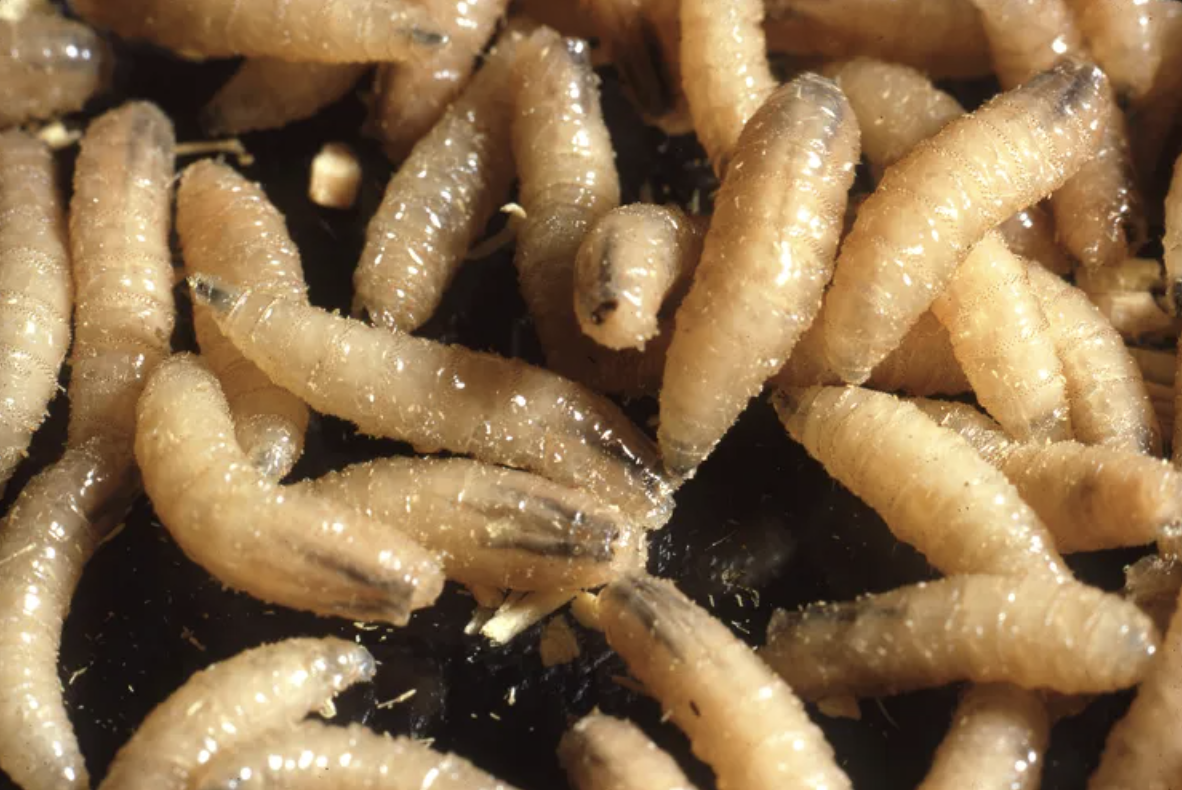
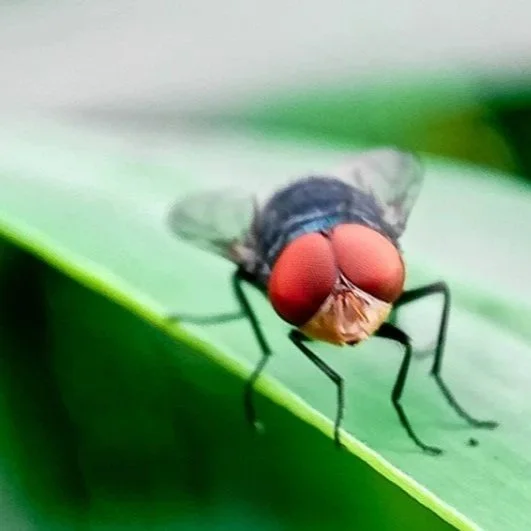
The U.S. Department of Agriculture will disperse glow-in-the dark, sterile flies in Mexico, closer to the U.S. border, and in southern Texas, as officials race to keep flesh-eating New World screwworm pests from spreading in Mexico, the agency said.
Read More
Louisiana Strawberry Growers Manage Freeze-Affected Harvests
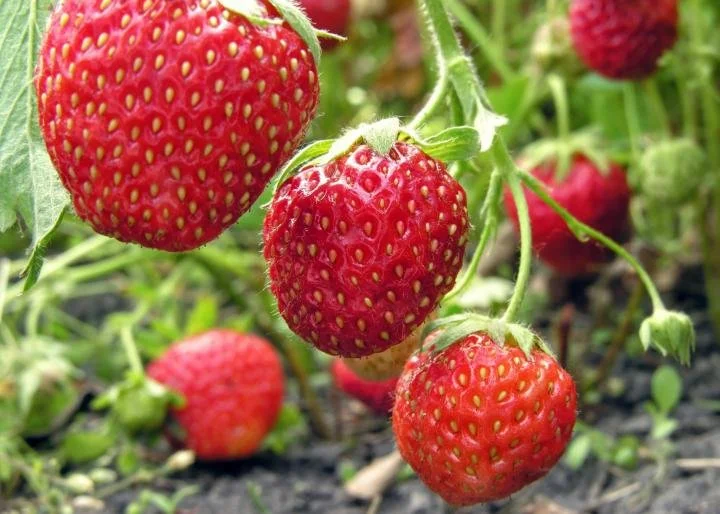
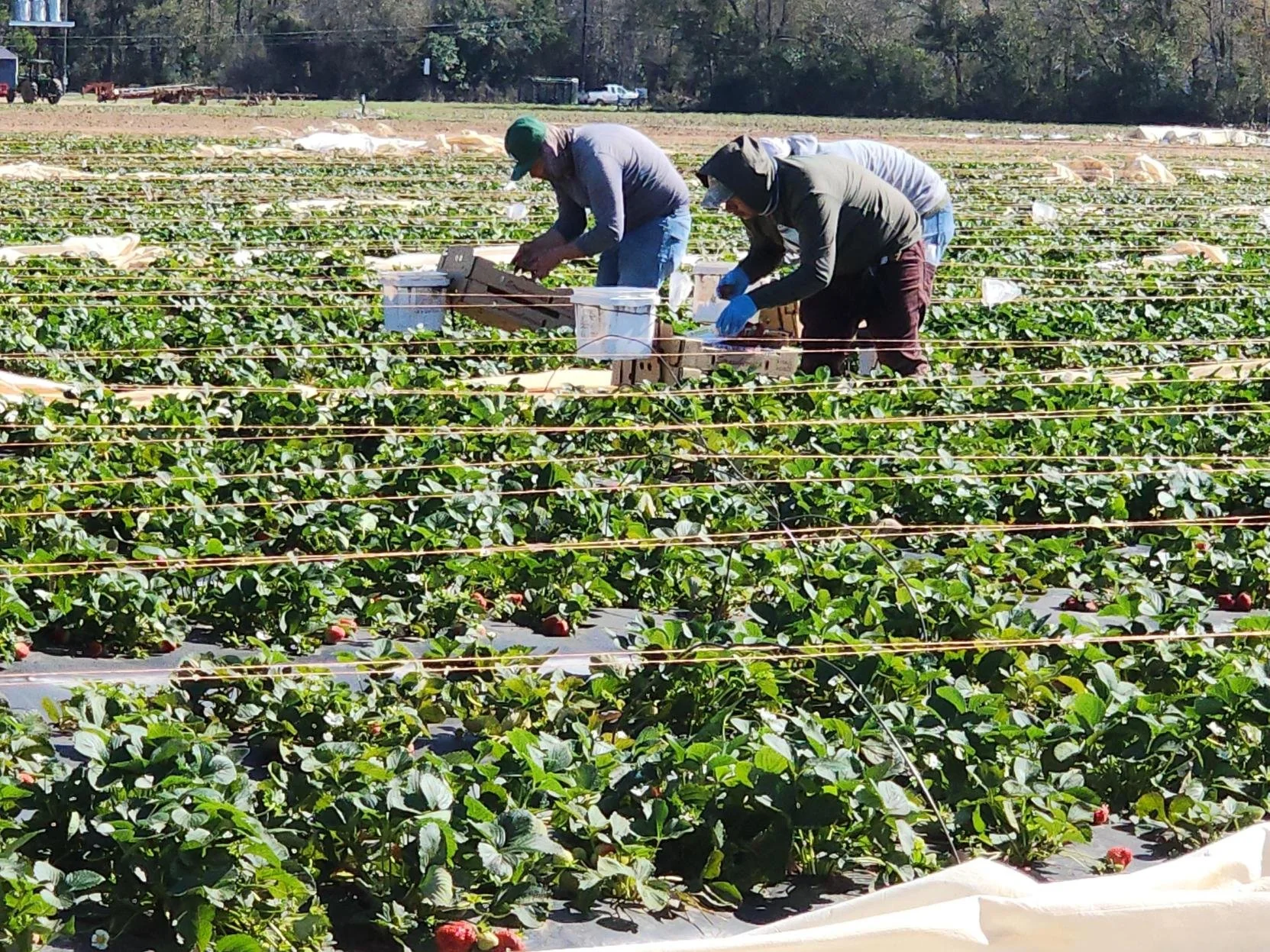
Strawberry growers in Ponchatoula, Louisiana, were assessing crop conditions on February 2 as temperatures warmed following an extended cold period. Growers reported that freezing weather can affect strawberry development in more than one way.
Read More
Local Arborist William Manuel Achieves Prestigious ISA Certification
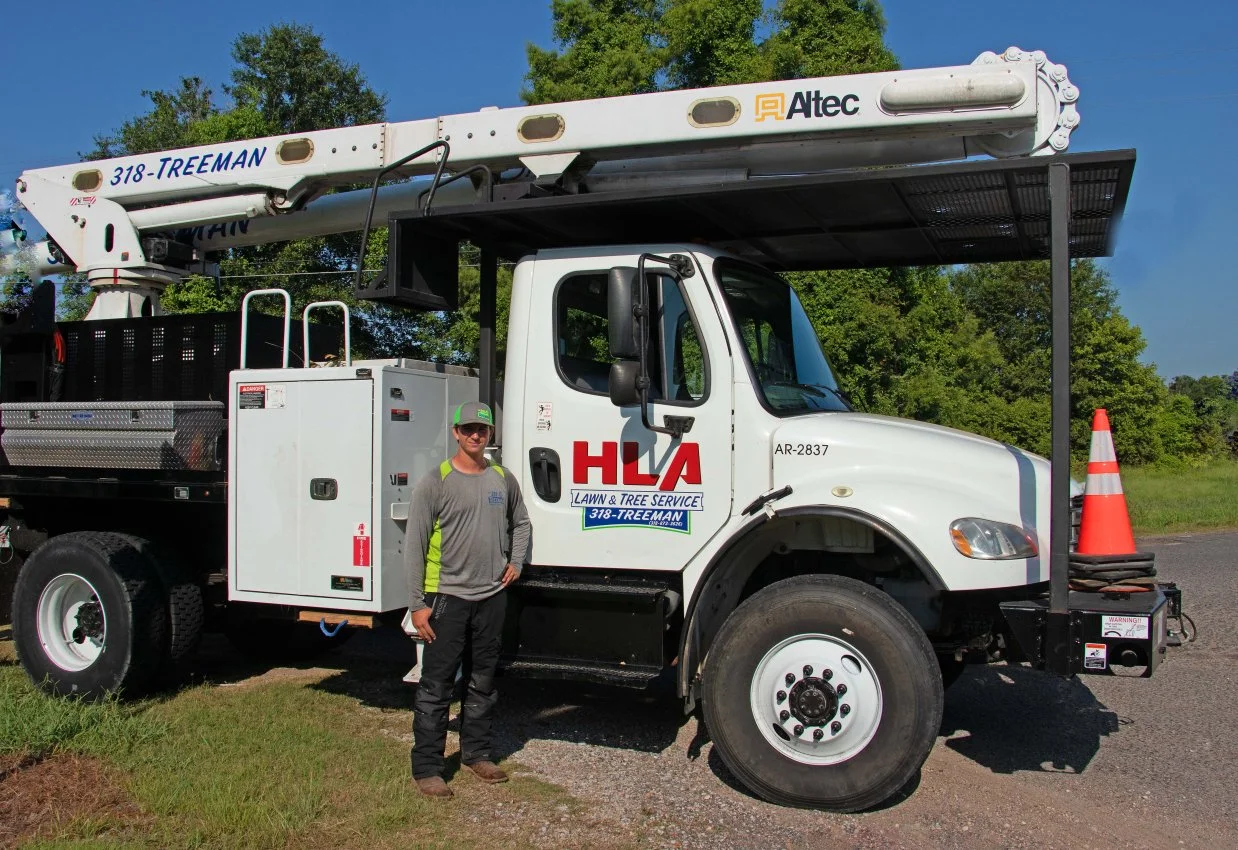
While most young entrepreneurs are just beginning their careers, William Manuel, owner of HLA Tree Service in Hessmer, LA, has already established himself as a dominant force in the Central Louisiana arboriculture industry.
Read More
Comeaux High Teacher, Award Finalist, Says She Puts ‘Heart and Soul’ Into Students and School
In Emily Benoit’s agriculture class at Comeaux High School, she works with students to see how real life is processed, made and grown.
It’s not a concept students are totally unfamiliar with, Benoit said, but they don’t always understand the full picture. She takes pride in seeing students’ understanding grow.
Read More
Report Says EPA Will Approve The Use Of Dicamba This Year
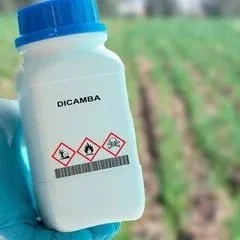
EPA plans to re-register the controversial herbicide dicamba, according to a report in The Washington Post that cites a draft statement seen by the newspaper. The EPA document calls the pending decision "the most protective dicamba registration in agency history," according to the report.
Read More
Contraction Continues In The Cattle Industry
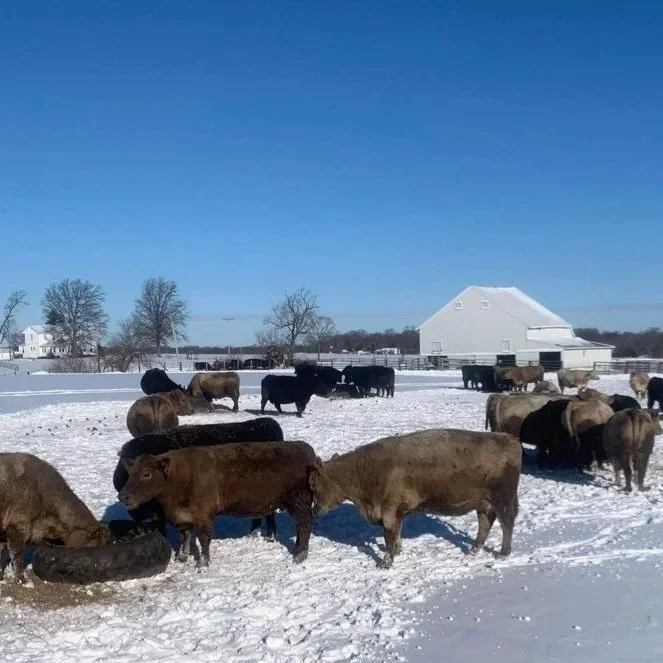
An ag economist says there’s still no signs of expansion in the cattle herd. Josh Maples with Mississippi State University Extension says 2025 was another year of contraction.
Read More
NCBA Releases 2026 Policy Priorities At CattleCon
The National Cattlemen’s Beef Association (NCBA) today announced its 2026 policy priorities following approval by the organization’s Executive Committee at CattleCon 2026. NCBA’s focus centers on policies that directly impact producer profitability, including reducing regulatory costs, defending free markets, expanding trade opportunities, and maintaining strong beef demand.
Read More
Temporary Burn Ban Declared in Avoyelles Parish
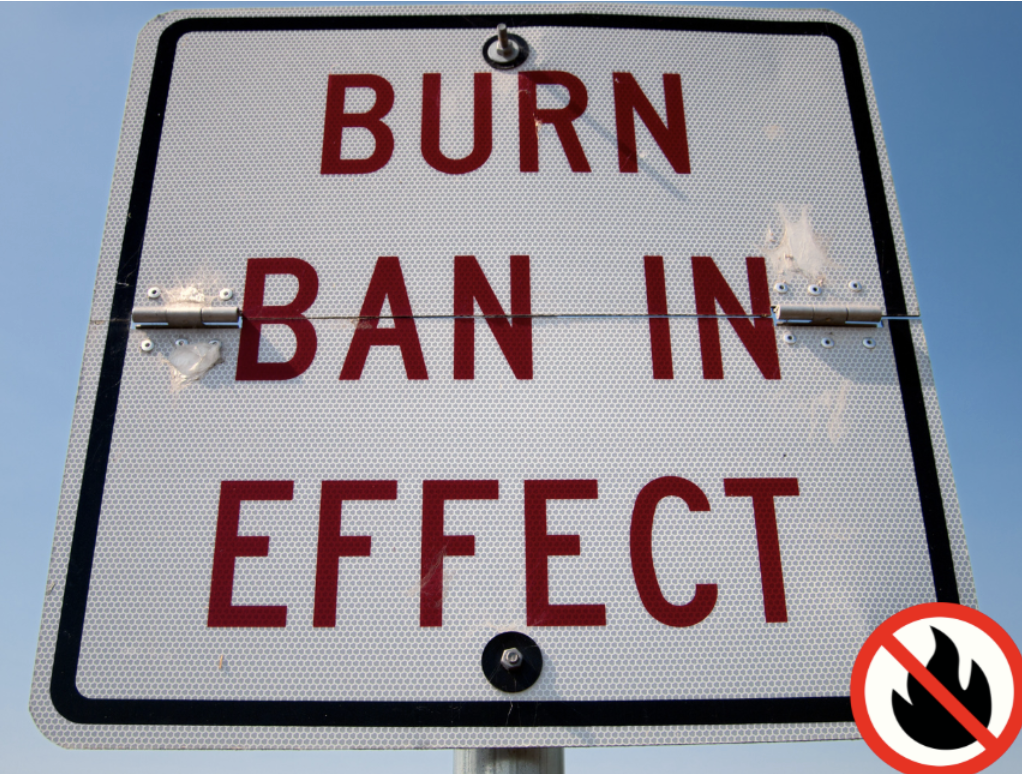
A resolution declaring a temporary burn ban in Avoyelles Parish due to extreme fire danger.
Read More
EPA Advances Farmers’ Right to Repair Their Own Equipment, Saving Repair Costs and Productivity
Today, the U.S. Environmental Protection Agency (EPA) advanced American farmers and equipment owners’ lawful right to repair their farm and other nonroad diesel equipment. EPA’s guidance to manufacturers clarifies that the Clean Air Act (CAA) supports, rather than restricts, Americans’ ability to make repairs on their own, and makes clear manufacturers can no longer use the CAA to justify limiting access to repair tools or software. For America’s farmers, timely and affordable repairs are essential to planting, harvesting, and keeping operations running.
Read More
USDA Announces February 2026 Lending Rates For Agricultural Producers
The U.S. Department of Agriculture (USDA) announced loan interest rates for February 2026, which are effective Feb. 1, 2026. USDA Farm Service Agency (FSA) loans provide important access to capital to help agricultural producers start or expand their farming operation, purchase equipment and storage structures, or meet cash flow needs.
Read More
Federal Agencies Temporarily Increase Number of H-2B Visas; Rep. Letlow Says This Helps Crawfish Farmers
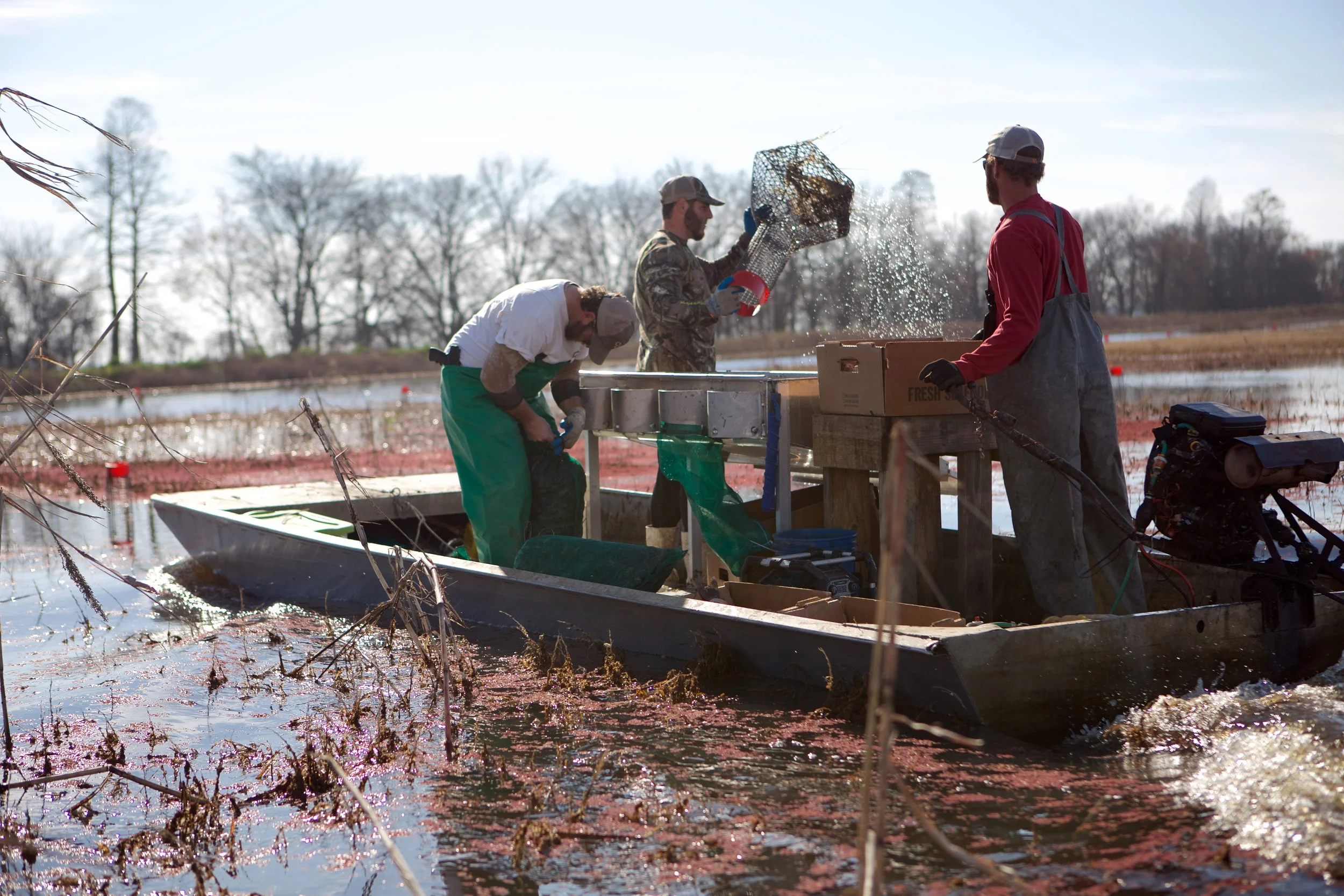
The federal government has temporarily increased the number of H-2B non-immigrant visas that will be awarded in 2026, a provision that Rep. Julia Letlow says will benefit Louisiana crawfish farmers.
Read More
USDA Ramps Up Border Defense Against New World Screwworm
The U.S. Department of Agriculture’s Animal and Plant Health Inspection Service is shifting its 100 million per week sterile fly dispersal efforts to stop the northern spread of New World screwworm.
Read More
Freezing Temperatures Take Toll on South Louisiana Crops
South Louisiana may not have gotten the ice and snow seen further north, but parts were blanketed in white.
In Tangipahoa Parish, strawberry grower Joey Liuzza has been working to protect his crop while continuing to harvest. White fields dotted with frost cover aren’t snowdrifts—they’re protective row covers used to shield strawberry plants from freezing temperatures.
Read More
Farmer Financials: From a Yellow Light to a Check Engine Warning
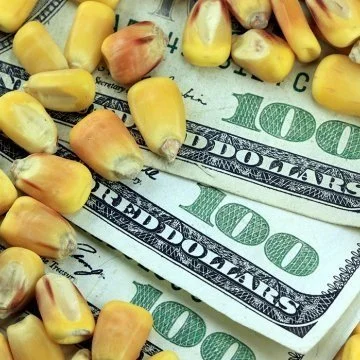
In 2025, the average size of loans for farmer operating expenses reached a record high (30% higher than last year) and pushed up lending volumes, according to the National Survey of Terms of Lending to Farmers. As noted by Federal Reserve of Kansas City Economist, Ty Kreitman, demand for farm loans has risen with tighter working capital, elevated production costs and higher cattle prices.
Read More
The Louisiana Red Swamp Crayfish Has Invaded European Rivers, Transmits a Deadly Fungus, Eliminates Native Crustaceans, and Transforms Freshwater Ecosystems in Just a Few Years
The red swamp crayfish of Louisiana doesn't seem threatening at first glance. It measures on average between 5 and 12 centimeters, lives at the bottom of rivers, lagoons and canals, and resembles a common crustacean. But this North American species has become one of the... the most destructive aquatic invasive species on the planet, capable of reshaping entire ecosystems in just a few years, wiping out native populations, and spreading a virtually lethal disease to other crustaceans.
Read More