Secretary Rollins Blocks Taxpayer Dollars For Solar Panels On Prime Farmland
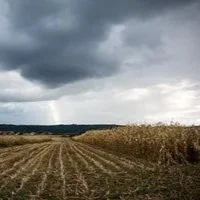
U.S. Secretary of Agriculture Brooke L. Rollins alongside Tennessee Governor Bill Lee, Senator Marsha Blackburn, Senator Bill Hagerty, Representative John Rose, and U.S. Department of Agriculture (USDA) Deputy Secretary Stephen Vaden, announced USDA will no longer fund taxpayer dollars for solar panels on productive farmland or allow solar panels manufactured by foreign adversaries to be used in USDA projects. Subsidized solar farms have made it more difficult for farmers to access farmland by making it more expensive and less available. Within the last 30 years, Tennessee alone has lost over 1.2 million acres of farmland and is expected to lose 2 million acres by 2027. This problem is not just in Tennessee, since 2012, solar panels on farmland nationwide have increased by nearly 50%. That is why the Department is taking action.
Read More
Keeping The Southeast The Land Of Cotton
Of all the crops grown across the Southeast, cotton is the most romantic. Cotton has always been a temperamental and challenging crop, but the “white gold” is entwined in the very fabric of the South because it built communities and brought wealth to those who produced it.
Cotton has always been a difficult crop to grow, but for many cotton farmers, that difficulty is the greatest reward. Of all the crops a farmer grows, cotton responds the best to active management. Sure, it’s a tough crop to grow, but in the end, it delivers dividends.
Read More
EPA Extends Comment Period For Proposed New Dicamba Registration To September 6
The U.S. Environmental Protection Agency (EPA) said it is extending the public comment period for proposed registration for three end-use dicamba products for broadleaf weed control in dicamba-tolerant cotton and dicamba-tolerant soybeans.
The comment period, originally set to expire on Aug. 22, has now been extended to Sept. 6, 2025.
Read More
USA Rice Outlook Conference Origin Story
Today the USA Rice Outlook Conference, coming to New Orleans in December 2025, is widely acknowledged as the preeminent rice event in North America, but where did it come from?
In the late 20th Century, the Cooperative Extension Services in the primary rice growing states assembled annually to update each other about rice research being conducted and their outlook for the coming crop year.
Read More
Louisiana 4-H Explores Agriculture on the Emerald Isle
When more than 140 Louisiana 4-H members, leaders and parents boarded planes bound for Dublin, they were stepping into more than a ten-day international tour—they were embarking on a journey that would shape their agricultural knowledge, life skills and friendships.
The trip, organized through Louisiana 4-H, included stops at dairy farms, beef operations, vegetable farms, an apple orchard, oyster farms and even the famed Irish National Stud horse farm. Each visit offered a chance for students to see how Irish farmers operate in a climate where lush green pastures thrive nearly year-round.
Read More
Preparation is a Must for Deer Season
Much of the southeastern United States is blessed with long deer seasons and generous harvest limits. What’s more, you can hunt deer with everything from a compound bow to a cross bow, and from a primitive muzzle loading firearm to a modern rifle fitted with a sophisticated variable scope that’s capable of minute of angle precision accuracy.
Read More
Delcambre Shrimp Festival Celebrates Community and Tradition
Visitors and locals alike flocked to Delcambre for the final day of the 73rd Annual Shrimp Festival, enjoying a vibrant atmosphere filled with food, music, and camaraderie.
First-time festival-goer Joe Tamporello expressed his enthusiasm, saying, “We just come out here, and got some food to eat. And we’re going to have a couple of drinks and listen to the band.”
Read More
Hurricanes Push Crop Insurance Costs Higher in Mid-South
Farmers in Arkansas, Louisiana, and Mississippi pay much higher crop insurance premiums compared to those in the Midwest. Research from the University of Arkansas System Division of Agriculture shows that hurricane risks are a major factor in driving these costs.
“I began to study the price of insurance crop insurance across the United States, and what I noticed was, there were vast differences in prices between what folks in the South and primarily the Mid-South would pay versus those in the upper Midwest. One thing that I begin to think about and do some research on is what's different about the Mid-South?” said economist Hunter Biram.
Read More
Pawpaws: An Old Native with Renewed Interest
The pawpaw (Asimina triloba), America’s largest native fruit, is experiencing a resurgence of interest from chefs, brewers and native plant enthusiasts. The LSU AgCenter has been encouraging the cultivation of pawpaws in Louisiana through an annual Pawpaw Symposium in partnership with the Meraux Foundation and through extension education outreach to specialty crop producers looking to diversify their offerings.
Read More
Cattle Producers Back Administation On Screwworm Fight
The National Cattlemen's Beef Association announced continued support for the U.S. Department of Agriculture's (USDA) aggressive plan to combat the spread of New World screwworm by ramping up construction of a sterile fly distribution facility alongside a production facility at Moore Air Base in south Texas.
Read More
Louisiana Reminding Farmers of Harvest Season Safety and Guidelines
The Louisiana Department of Agriculture and Forestry is reminding farmers to have the proper documentation and inspections when crossing state lines.
“We still have boll weevil control program in place where we monitor if we’re going to get bow weevils back, it’s going to be a hitchhiker,” Louisiana Commissioner of Agriculture and Forestry Mike Strain said. “It’s going to come in on a piece of equipment or in some type of debris from a boll weevil infected area.”
Read More
USDA Announces Sweeping Plans to Protect the United States from New World Screwworm
U.S. Secretary of Agriculture Brooke L. Rollins at the Texas State Capitol alongside Governor Greg Abbott and stakeholders from across the country announced the largest initiative yet in the U.S. Department of Agriculture’s (USDA) plan to combat the New World Screwworm (NWS). This announcement builds upon USDA’s five-pronged plan issued in June to combat the northward spread of NWS from Mexico into the United States.
NWS is a devastating pest. When NWS fly larvae (maggots) burrow into the flesh of a living animal, they cause serious, often deadly damage to the animal.
Read More
Louisiana Farm Bureau Federation Applauds USDA Action to Fight New World Screwworm
The Louisiana Farm Bureau Federation applauds today’s announcement of a fully federally funded domestic production facility for sterile New World Screwworm (NWS) flies to be constructed at Moore Air Base in Texas. This critical investment represents a monumental step forward in protecting American agriculture, livestock health, and rural economies from one of the most devastating livestock pests in history.
Read More
This Louisiana Farmer Turned A Little-Known Tropical Plant Into A Thriving Business
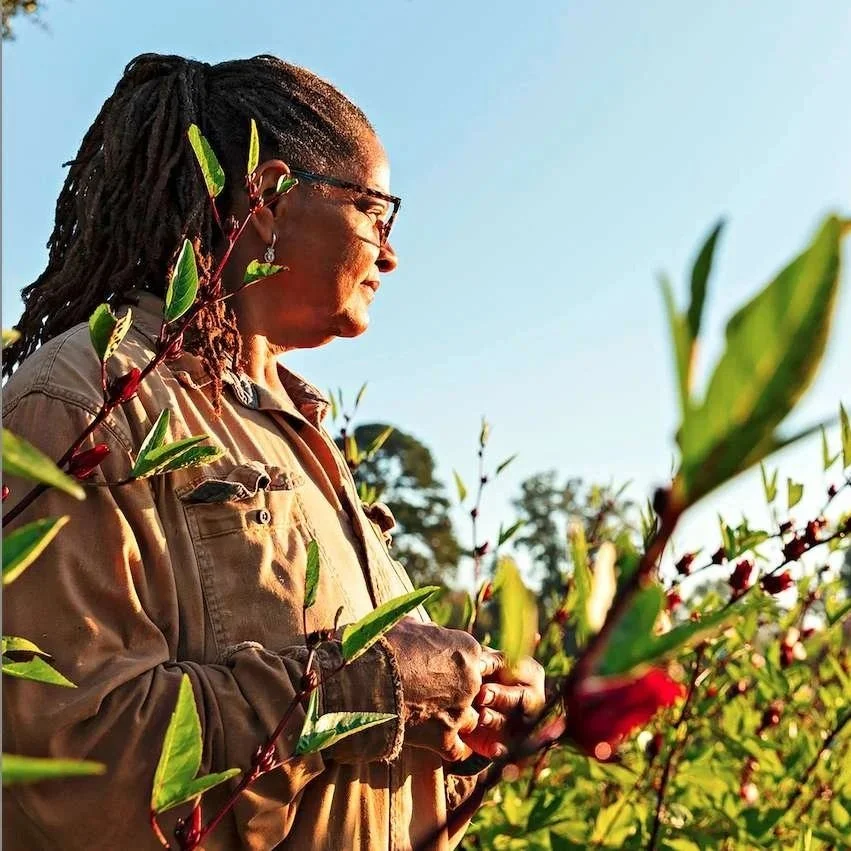
There’s a booth at the Red Stick Farmers Market in Baton Rouge where the star attraction is hibiscus. But it’s not the showy ornamental plant you’ll often see adorning Southern front porches. It’s roselle hibiscus, the smaller, bloodred flower with a fruit that’s long been used in a variety of culinary applications. Clinton, Louisiana’s Lena Farms began cultivating it in 2012, tapping into a rising interest in hibiscus teas and other products.
Read More
The Louisiana Forestry Sate of the Union
Buck Vandersteen joins the show from the LegisGator Conference to discuss the state of Louisiana’s forestry industry, highlighting its vast forest coverage—over 15 million acres, mostly privately owned. Historically, early 20th-century logging led to deforestation, but reforestation efforts over the past 75 years have reversed that trend. Today, Louisiana grows 70% more wood than it harvests, creating a surplus of timber, especially small-diameter wood from first thinnings.
Traditionally, this surplus fed the pulp and paper industry, but declining newspaper demand and mill closures—like International Paper in Pineville—have left millions of tons of wood without a market.
Read More