Farm Bureau Reinforces Call to End Beef Imports with Price Data
The American Farm Bureau Federation on Thursday called on President Donald Trump to roll back the additional 300,000 metric tons of beef imports authorized by his administration. The group cited new data showing little change in retail ground beef prices since the lower-tariff imports began entering the United States.
Read More
Scammers are Impersonating Farm Equipment Businesses
The Federal Trade Commission is hearing about a scam targeting some of the hardest working people out there: farmers. Scammers posing as farm equipment businesses are selling (fake) equipment to farmers, who end up empty-handed. Here’s how the scam works and how to avoid it.
Read More
Farm Bureau President: Keeping Farmland in Agriculture Starts With Keeping Farmers on the Land
Farmland is disappearing across the United States as development and other pressures reduce the amount of land available for agriculture.
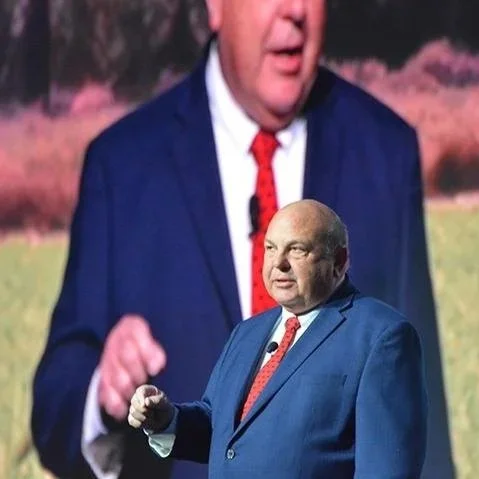
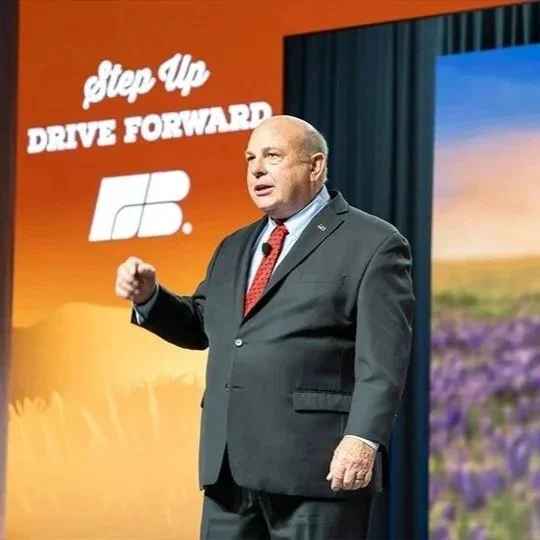
American Farm Bureau Federation (AFBF) President Zippy Duvall says competition for farmland is growing as housing, businesses, solar projects, and data centers expand.
Read More
Financing the Farm: A Look at USDA Farm Loan Programs
Farming requires significant capital. Producers pay for seed, fertilizer, feed, fuel and other inputs months and sometimes years before crops are harvested or livestock are sold. Buying farmland, machinery and other long-term assets often require even more financing.
Those needs are growing. USDA projects total production costs for major field crops to reach new highs in 2027.
Read More
Use of Credit Offers Snapshot Into Farm Economy
Credit is an essential part of agriculture, helping farmers manage costs and invest in their operations. But as borrowing costs rise, what does increased reliance on credit say about the overall health of the farm economy? American Farm Bureau Economist Faith Parum breaks it down.
Read More
Farm Bureau: USDA Revises Farm Income Higher, but Costs Still Bite
USDA's September 2026 net farm income forecast, released Sept. 3, projects that net farm income, a broad measure of farm sector profitability, will decline to $158.4 billion in 2026. That is $4.3 billion, or 2.6%, below the newly revised 2025 estimate of approximately $162.7 billion. After adjusting for inflation, the decline becomes considerably larger at $9.1 billion, or 5.5%.
Read More
Farmers Respond to EPA Biofuels Announcement
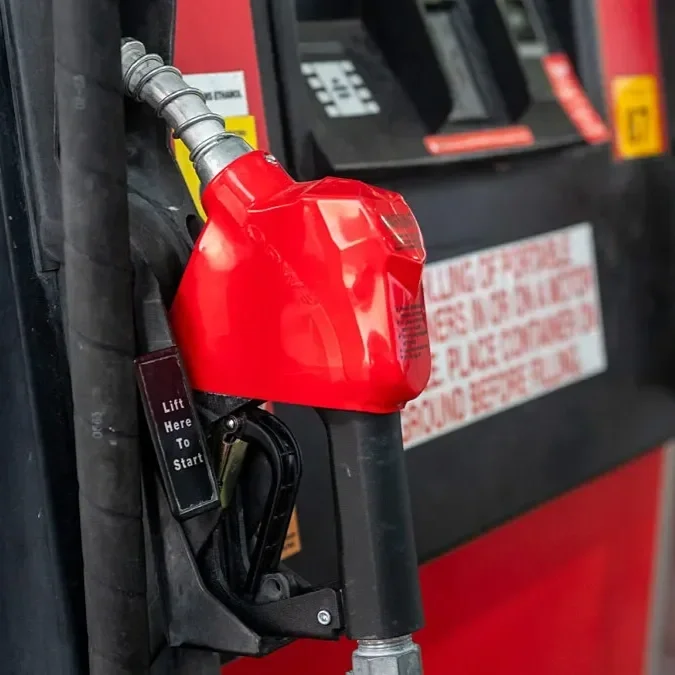
American Farm Bureau Federation President Zippy Duvall commented today on the Environmental Protection Agency’s (EPA) announcement regarding small refinery exemptions, which impact biofuel demand by exempting refineries from blending renewable fuel as required under the Renewable Fuel Standard.
Read More
Farm Bureau: Understanding The Beef Cycle
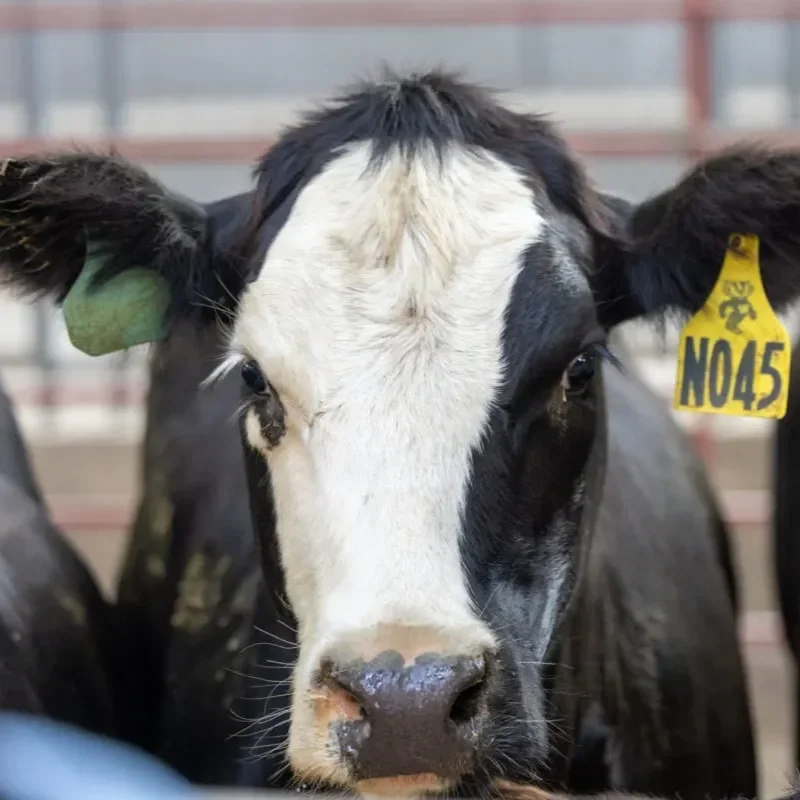
The beef production cycle is a long-term process that takes several years to complete.
Cattle farmers' daily decisions affect the beef supply and prices for years to come.
America's beef cattle herd is at its lowest level since the 1970s, reflecting the years of depressed prices, high input costs and persistent drought conditions ranchers have faced.
Read More
USMCA Negotiations Must Resume
American Farm Bureau President Zippy Duvall commented today on the breakdown of trade talks between the United States and Canada, and the imposition of additional damaging tariffs.
“Canada has been one of the most important trading partners for U.S. agriculture since our first free trade agreement in 1989.“
Read More
Blockchain Beyond Bitcoin: Understanding Digital Assets in Agriculture
Blockchain technology is used for securely recording and sharing information. Instead of one company, bank or government maintaining the official ledger of record, debits, credits, etc., blockchain networks distribute control and maintenance across a network of computers that make up a decentralized, digital ledger.
Read More
AFBF President Duvall: "Increased Beef Imports Could Create Long-term Damage"
American Farm Bureau Federation President Zippy Duvall commented on President Trump’s plan to import an additional 300,000 metric tons of beef in addition to already record-high beef imports.
“Farmers and ranchers are extremely disappointed to learn that President Trump plans to flood the American market with hundreds of millions of pounds of foreign-raised beef. The U.S. is already importing beef at record levels. This decision would be an unprecedented move and would translate to nearly an additional 60% increase in imports over the next 90 days.”
Read More
Competing Across the Calendar: The Growing Squeeze on U.S. Produce
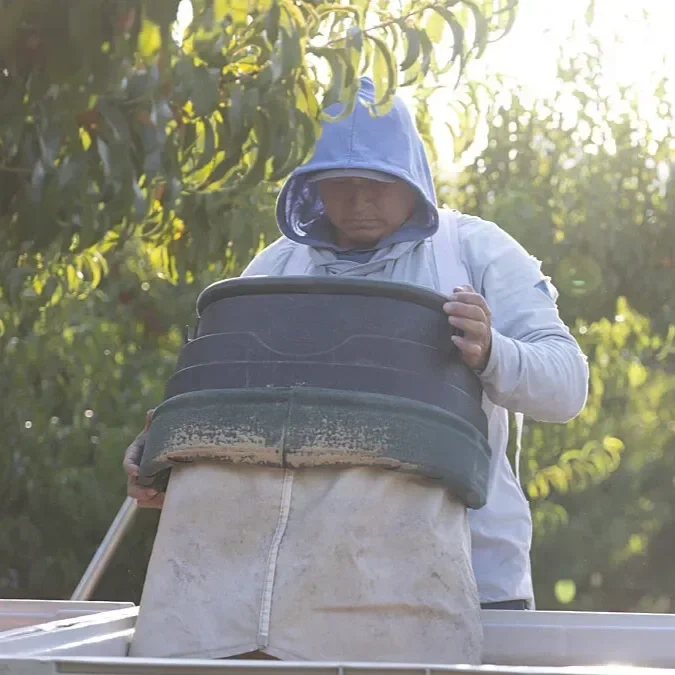
Fresh produce markets run on strict timing. Fruits and vegetables are highly perishable, harvest windows are often short, and growers generally cannot store a crop while waiting for prices to improve. A few weeks of excess supply can determine whether a season ends in profit or loss.
Imports are an essential part of this system. They fill seasonal production gaps, support year-round consumer demand, and strengthen integrated supply chains.
Read More
USMCA Trade Negotiations Vital to U.S. Agriculture Success
U.S. farmers and ranchers are closely watching the U.S.-Mexico-Canada Trade Agreement negotiations. Virginia Houston, the senior director of congressional affairs for the American Farm Bureau Federation, said Mexico and Canada as trading partners are vital to the success of U.S. farmers and ranchers.
Read More
AFBF Calls on Congress to Stabilize the Adverse Effect Wage Rate
Farms and ranches who employ workers under the H2-A program now have their federally mandated minimum wage under the new Adverse Effect Wage Rate. Cameron Castillo, an associate economist for the American Farm Bureau Federation, says wages are set to increase almost entirely across the board.
Read More
USDA: Farmland Values Have Climbed Nearly 44% Since 2020
Farmland values remain at record highs even as growth slows. Average farm real estate values rose 3.4% to $4,500 per acre in 2026, marking a sixth consecutive annual increase and a nearly 44% gain since 2020.
Read More