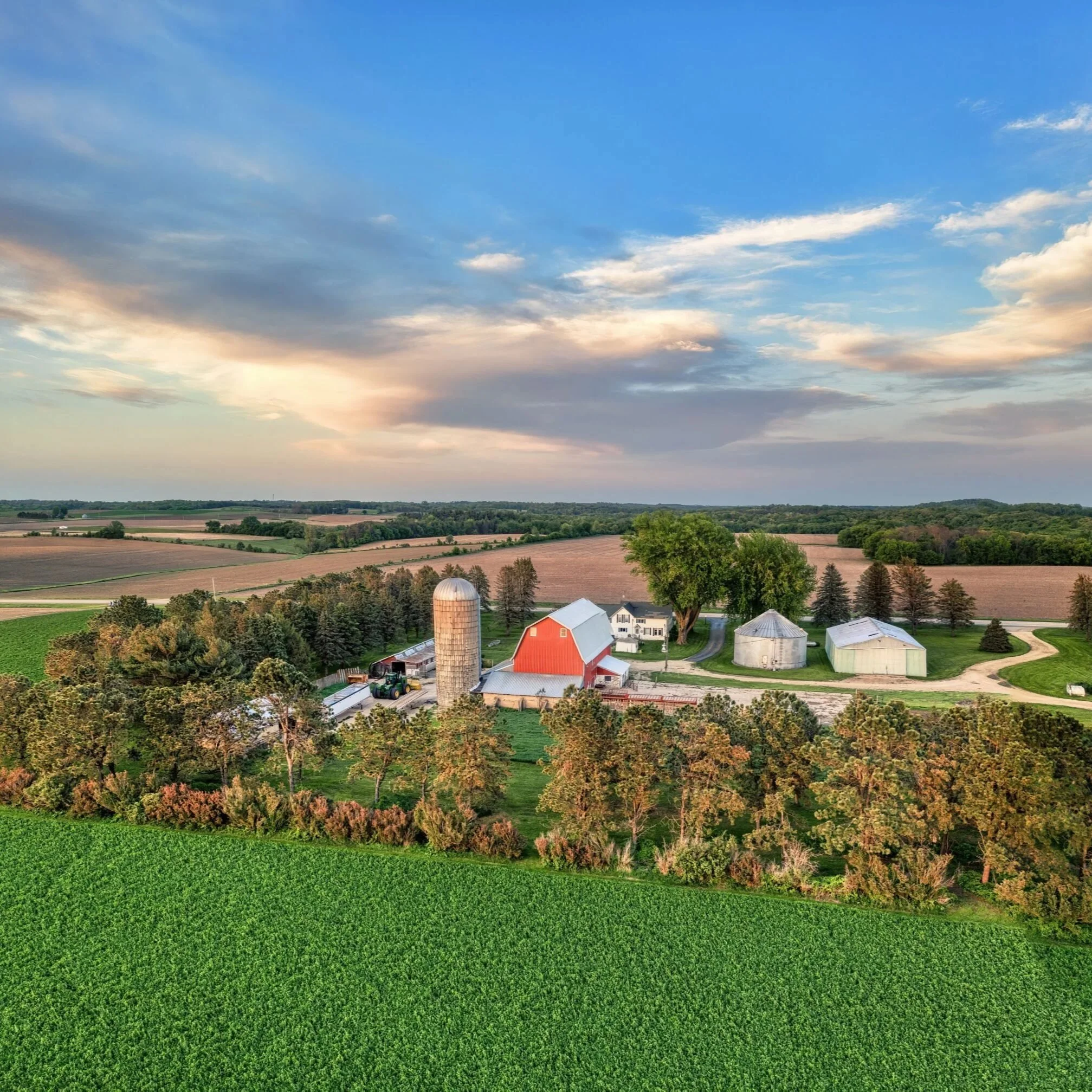
Use of Credit Offers Snapshot Into Farm Economy
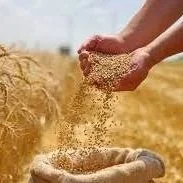
Credit is an essential part of agriculture, helping farmers manage costs and invest in their operations. But as borrowing costs rise, what does increased reliance on credit say about the overall health of the farm economy? American Farm Bureau Economist Faith Parum breaks it down.
Read More
USDA/NASS Updated Louisiana 2026 Crop Data
The USDA has released updated estimates for Louisiana’s 2026 crop production, including acreage, yields and total production for major commodities across the state.
Read More
JagFresh Farmers Market Set to Open Sept. 24, 2026
The Southern University Ag Center’s JagFresh Farmers Market will open for the fall season on the Southern University campus.
The farmers market will feature nearly 30 vendors selling fresh produce, crafts, baked goods, plants and herbs, honey, and local products. Healthy living information will also be provided by the 1890 Center of Excellence.
Read More
Rice Field Day Showcases Conservation Techniques Studied in AgCenter Grant Project
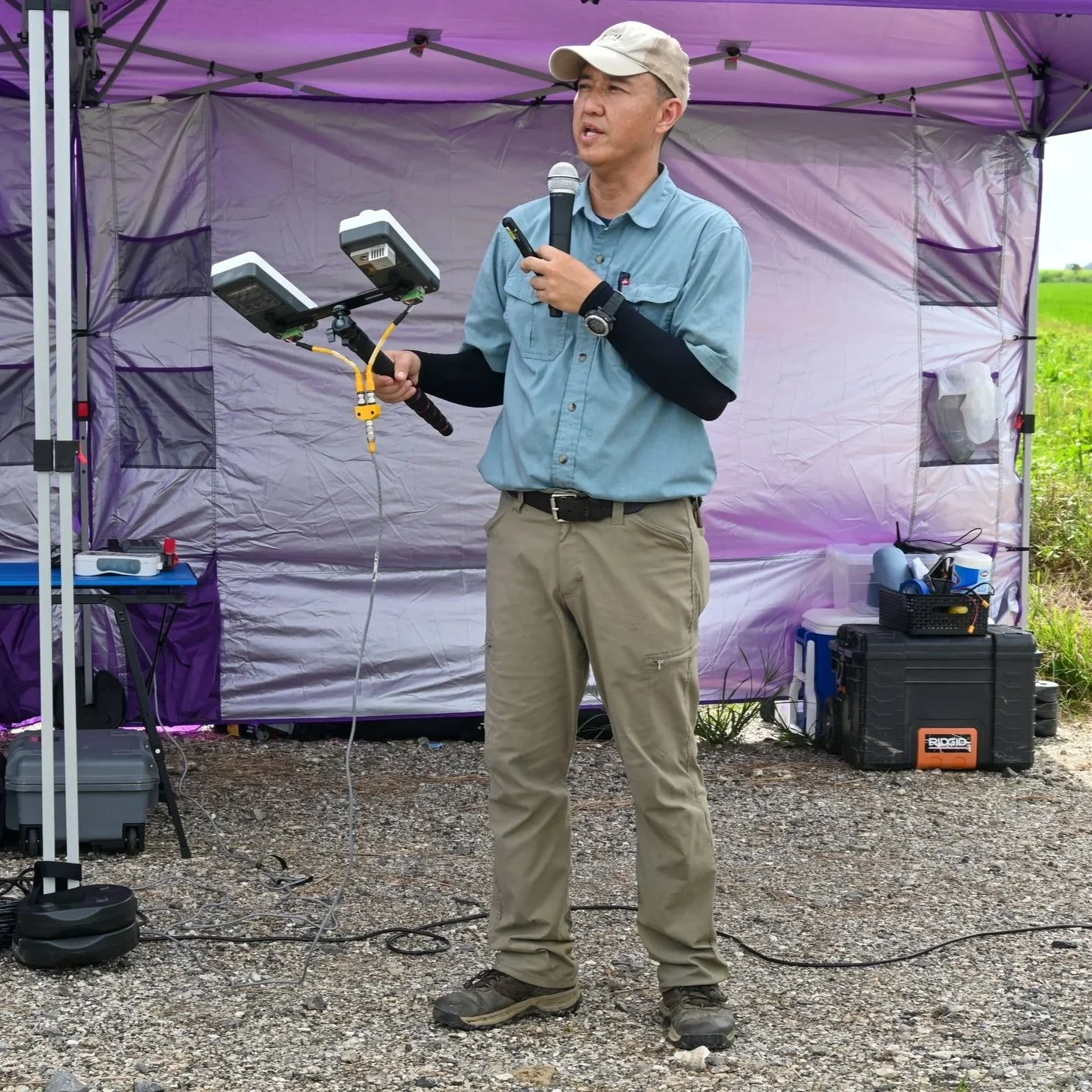
Farmers, conservation partners and LSU AgCenter researchers gathered for a field day focused on soil health, nitrogen management and watershed protection in rice‑growing areas of southwest Louisiana.
Read More
Farm Bureau: USDA Revises Farm Income Higher, but Costs Still Bite
USDA's September 2026 net farm income forecast, released Sept. 3, projects that net farm income, a broad measure of farm sector profitability, will decline to $158.4 billion in 2026. That is $4.3 billion, or 2.6%, below the newly revised 2025 estimate of approximately $162.7 billion. After adjusting for inflation, the decline becomes considerably larger at $9.1 billion, or 5.5%.
Read More
Louisiana High School Seniors Eligible for National Rice Month College Scholarship Video Contest
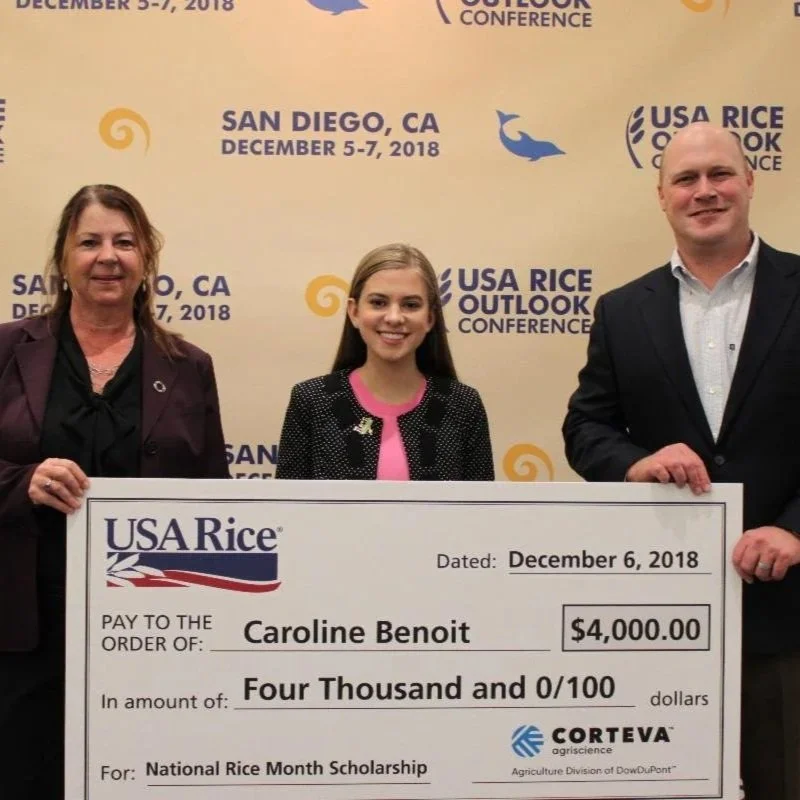
The U.S. rice industry is giving away $10,000 to high school seniors in Arkansas, California, Louisiana, Mississippi, Missouri, and Texas as part of The Rice Foundation's annual National Rice Month Video Scholarship Contest. A Louisiana student hasn’t won the top grand prize since 2018 – and they are certainly due!
Read More
Prevailing World Prices and Loan Deficiency Payment Rates
The Department of Agriculture's Commodity Credit Corporation today announced the following prevailing world market prices of milled and rough rice, adjusted for U.S. milling yields and location, and the resulting marketing loan gain (MLG) and loan deficiency payment (LDP) rates applicable to the 2026 crop, which will become effective today at 7:00 a.m., Eastern Time (ET).
Read More
High Inputs Mean High Break-Evens for '27 Crop
A pair of ag economists with the University of Illinois say input costs are likely to continue to limit farmer profitability next season.
Read More
New Livestock Watering System Provides Many Benefits to Producer, Cattle
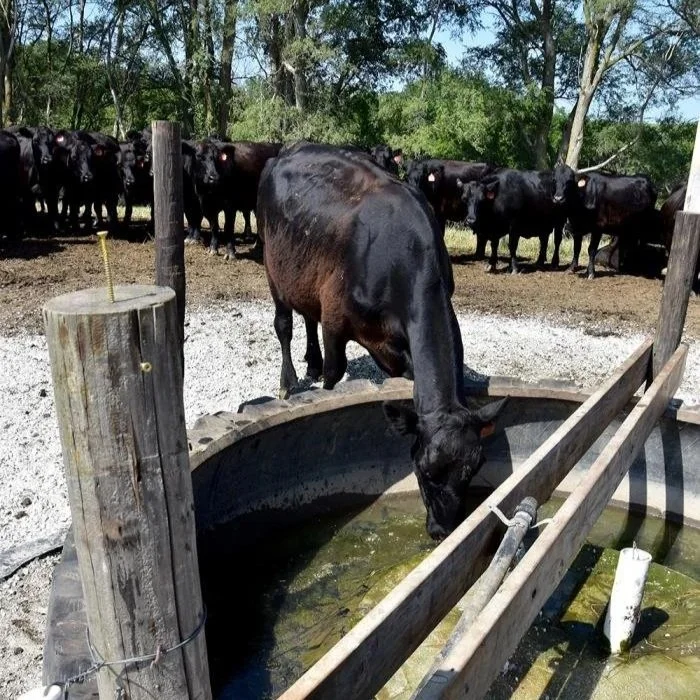
A new solar-powered livestock watering system implemented with assistance through the U.S. Department of Agriculture (USDA) is allowing Crawford County farmer Ralph Dorale to better utilize his pasture, reduce soil erosion, increase his cow herd, and improve cattle performance on his rented 153-acre pasture.
Read More
Strong El Niño Could Reshape Winter Weather for U.S. Ag
Evidence is mounting that a strengthening El Niño could bring a notably different weather pattern across U.S. farm country this winter, with wetter conditions favored across parts of the southern tier. At the same time, portions of the northern Plains and Rockies could trend warmer and drier.
Read More
USDA Improves Access to Credit by Streamlining and Modernizing Farm Loans
The U.S. Department of Agriculture (USDA) is improving access to credit for farmers and ranchers by making farm loan policy and technology improvements, reducing administrative burdens and strengthening financial security.
Read More
Trump Moves to Expand Beef Processing Options, Competition
President Trump has signed a pair of executive orders that address market access and competition for America’s farmers and ranchers.
Read More
Franklin Parish Farmer Discusses Drought and Price Challenges
Franklin Parish Greg Kincaid says the ongoing drought has given him a mixed bag of results over the last few months. He says rain is much needed for cattle and hay farmers.
Read More
2026 Mid-Year Farm Financial Condition Update
Entering the second half of 2026, a new farm financial snapshot points to the continued financial challenges facing Southern agriculture, particularly among crop producers. The findings are based on a semi-annual survey conducted by the Mississippi State University Extension. Survey respondents included producers, professional farm managers, land appraisers, commercial bankers, Farm Credit System lenders, and USDA Farm Service Agency personnel operating in Mississippi, Arkansas, Louisiana, Tennessee, and neighboring states.
Read More
Economics of Backgrounding Calves on Winter Forage in 2026
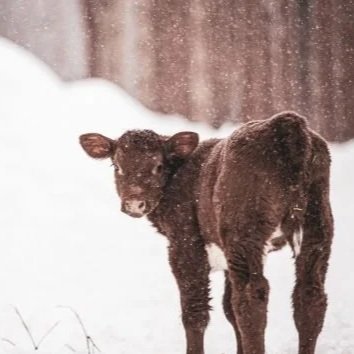
As fall approaches and spring-born calves are being weaned, many cattle producers are evaluating whether those calves should be sold at weaning or retained and backgrounded on winter forage before being marketed at heavier weights. Likewise, producers operating stocker enterprises are determining whether current market conditions justify purchasing lightweight calves for winter grazing programs. One factor complicating these decisions in 2026 is the continued drought affecting many areas of Louisiana. For some producers, the ability to successfully establish winter forage may ultimately determine whether backgrounding is even feasible.
Read More