

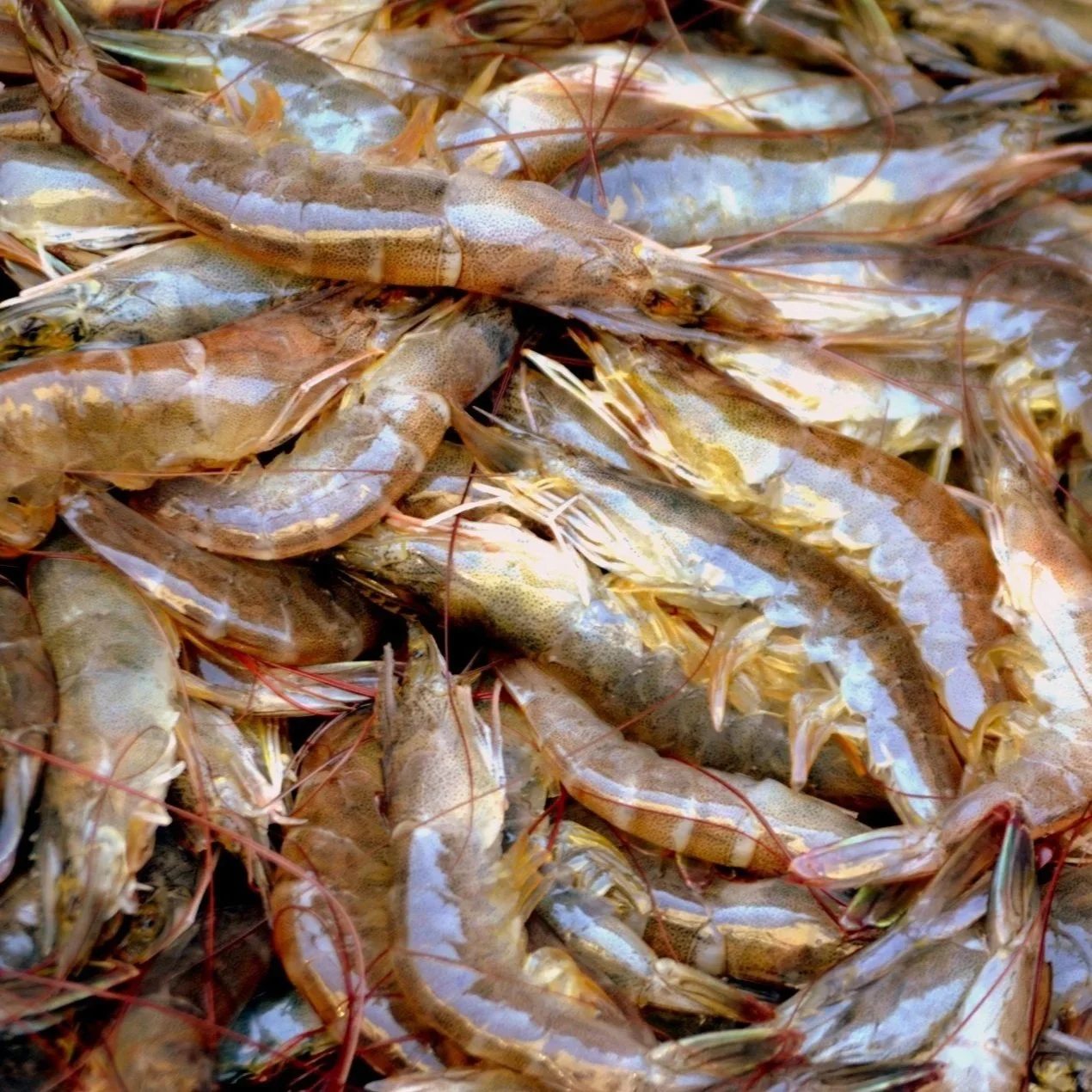
According to the U.S. Department of Agriculture, the United States imported more than $25 billion worth of seafood last year, making it one of the world’s largest seafood importers. Domestic shrimpers like Acy Cooper say that volume of imports has made it harder to compete.
Read More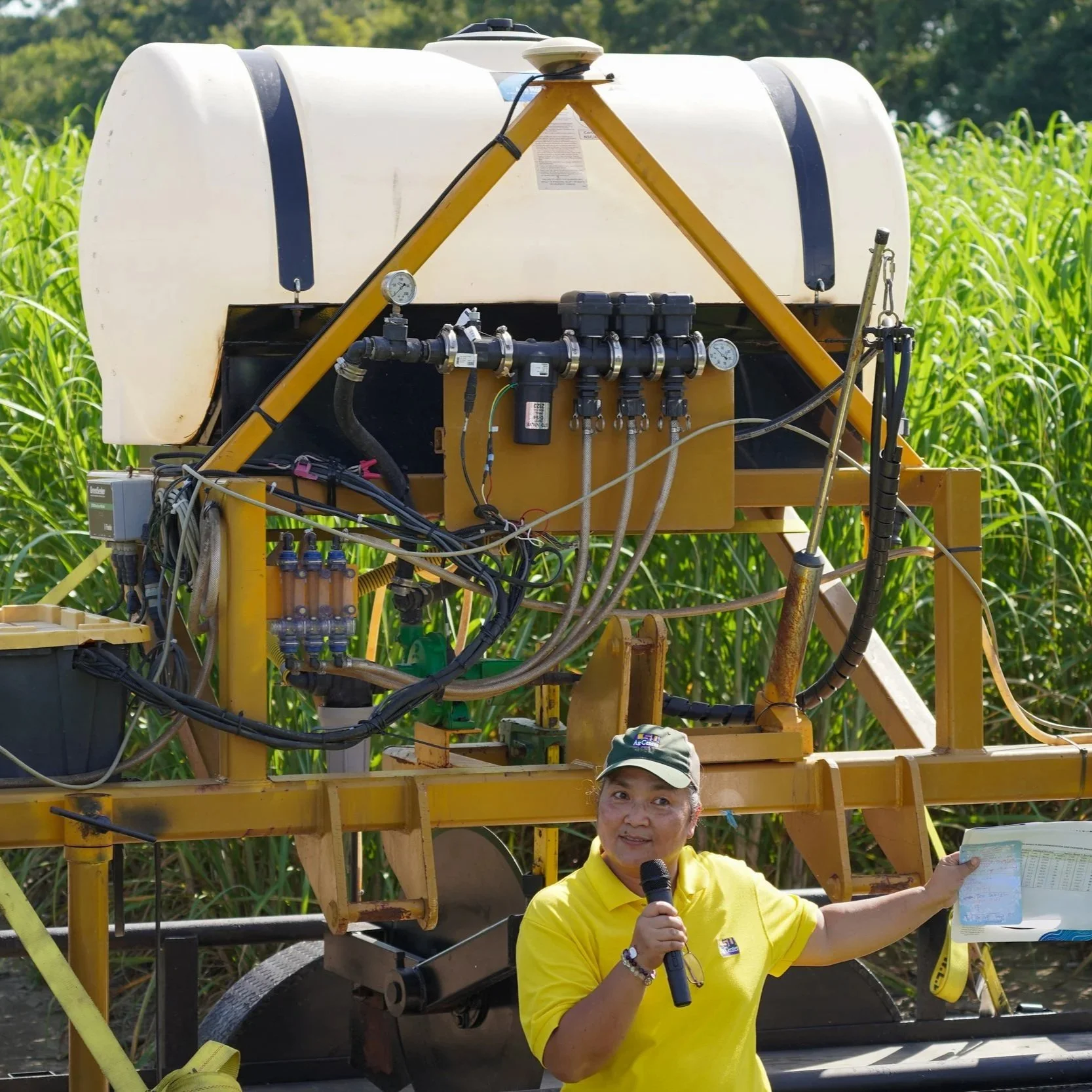
Sugarcane growers learned about a fertilizer management tool designed to improve efficiency and reduce input costs during a field day July 22 at the LSU AgCenter Iberia Research Station.
Read More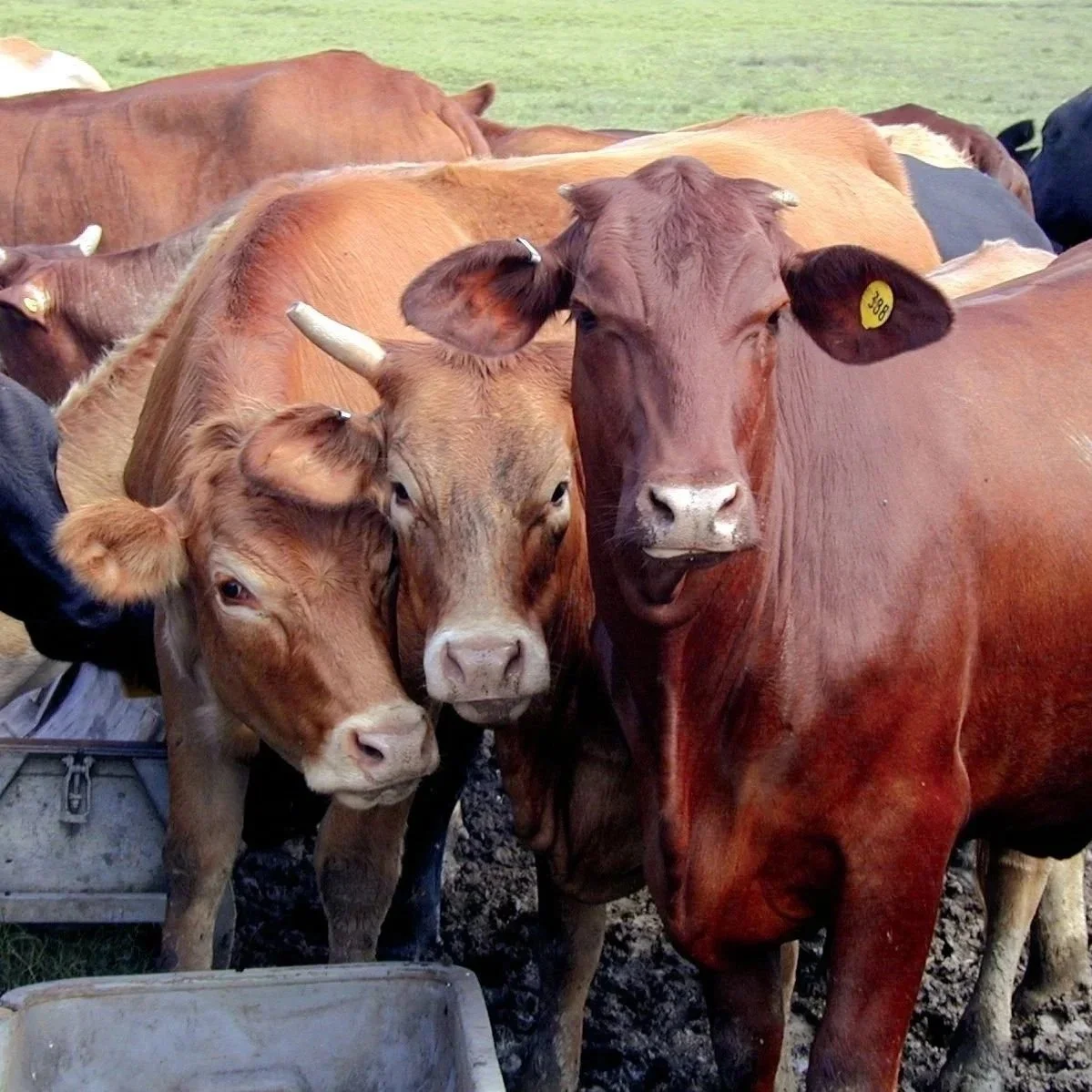
Pasture conditions have improved in several regions, but forage stress remains worse than last year and continues limiting cattle herd expansion. Mississippi State University livestock economist Dr. Josh Maples says moisture shortages remain a major constraint.
Read More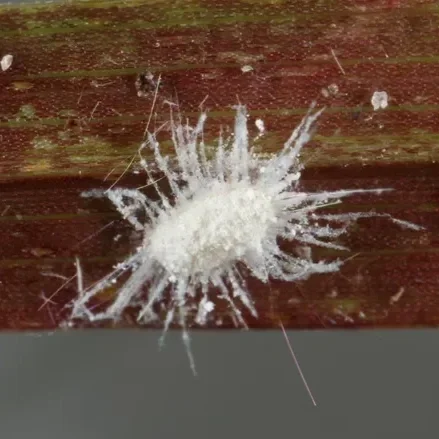
Louisiana's sweetest crop is under attack from an Australian native insect that arrived in the United States last year.
Read More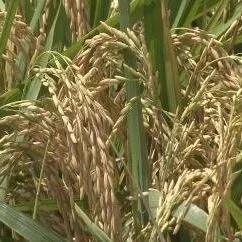
U.S. rice production is projected near a 40-year low, tightening supplies and lifting prices without restoring profitability for many growers. Mississippi State University Extension economist Will Maples says high costs continue to outweigh stronger market values.
Read More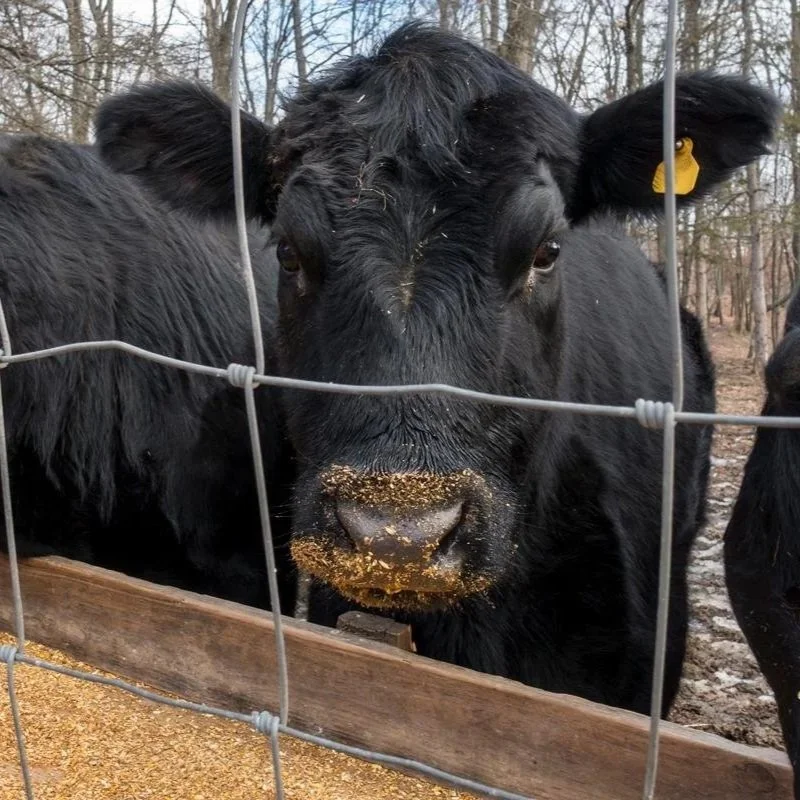
The U.S. Department of Agriculture (USDA) is announcing a coordinated, phased reopening of southern cattle ports, contingent on Mexico’s adherence to the Joint Action Plan. Beginning August 24, 2026, USDA will open the Douglas, AZ port of entry to cattle trade, while simultaneously initiating the operational steps necessary for subsequent openings at the Santa Teresa, NM, and Columbus, NM, ports. Every animal entering the United States through these ports will undergo a full USDA inspection to ensure it is free of any signs of New World screwworm (NWS).
Read More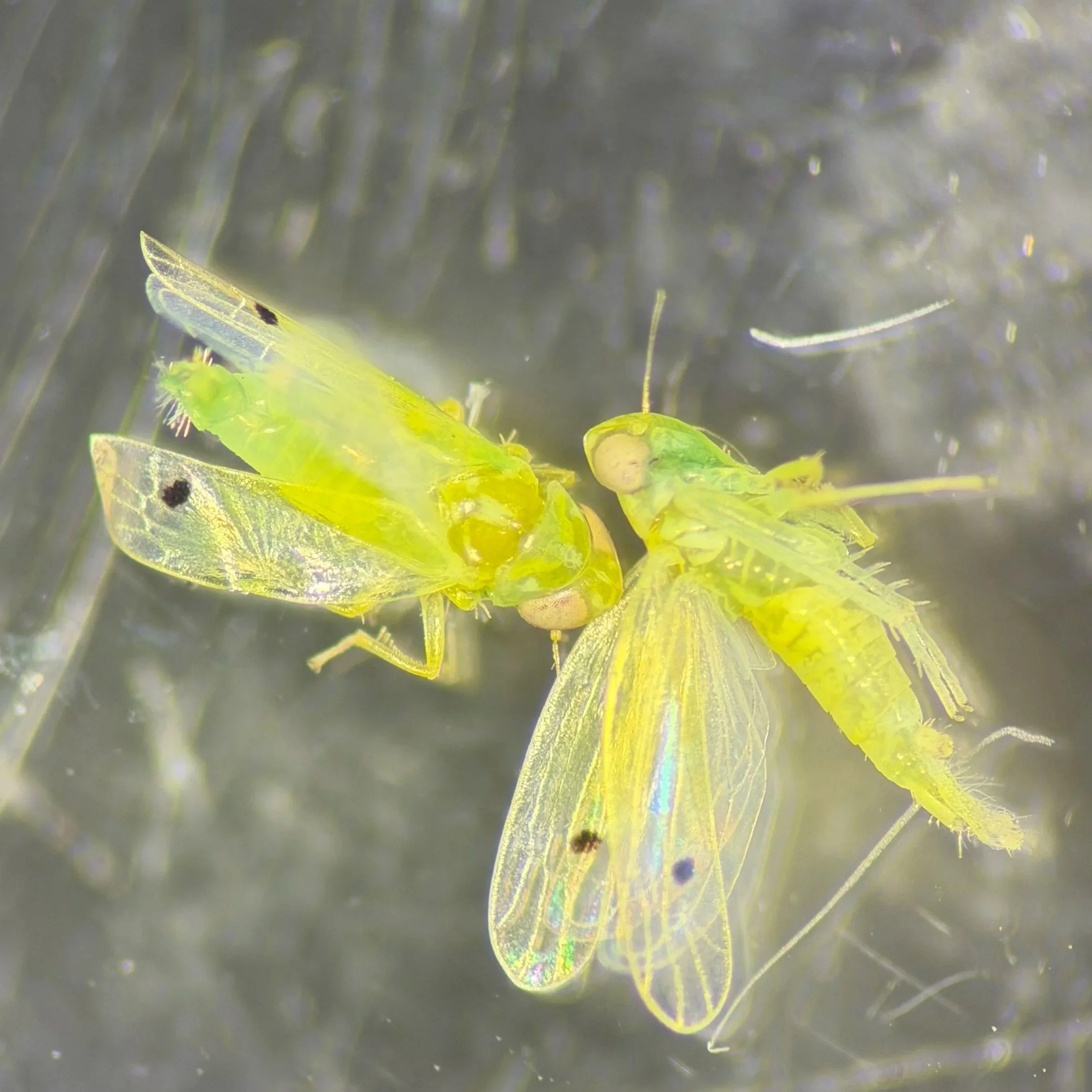
Cotton jassids, also known as two-spot cotton leafhoppers, have been detected in cotton in Alexandria. Two adult jassids were captured in approximately 200 sweeps using sweepnets. This detection follows last year’s finding of cotton jassids on cotton regrowth in Louisiana, confirming the need for continued monitoring in cotton fields this season.
Read More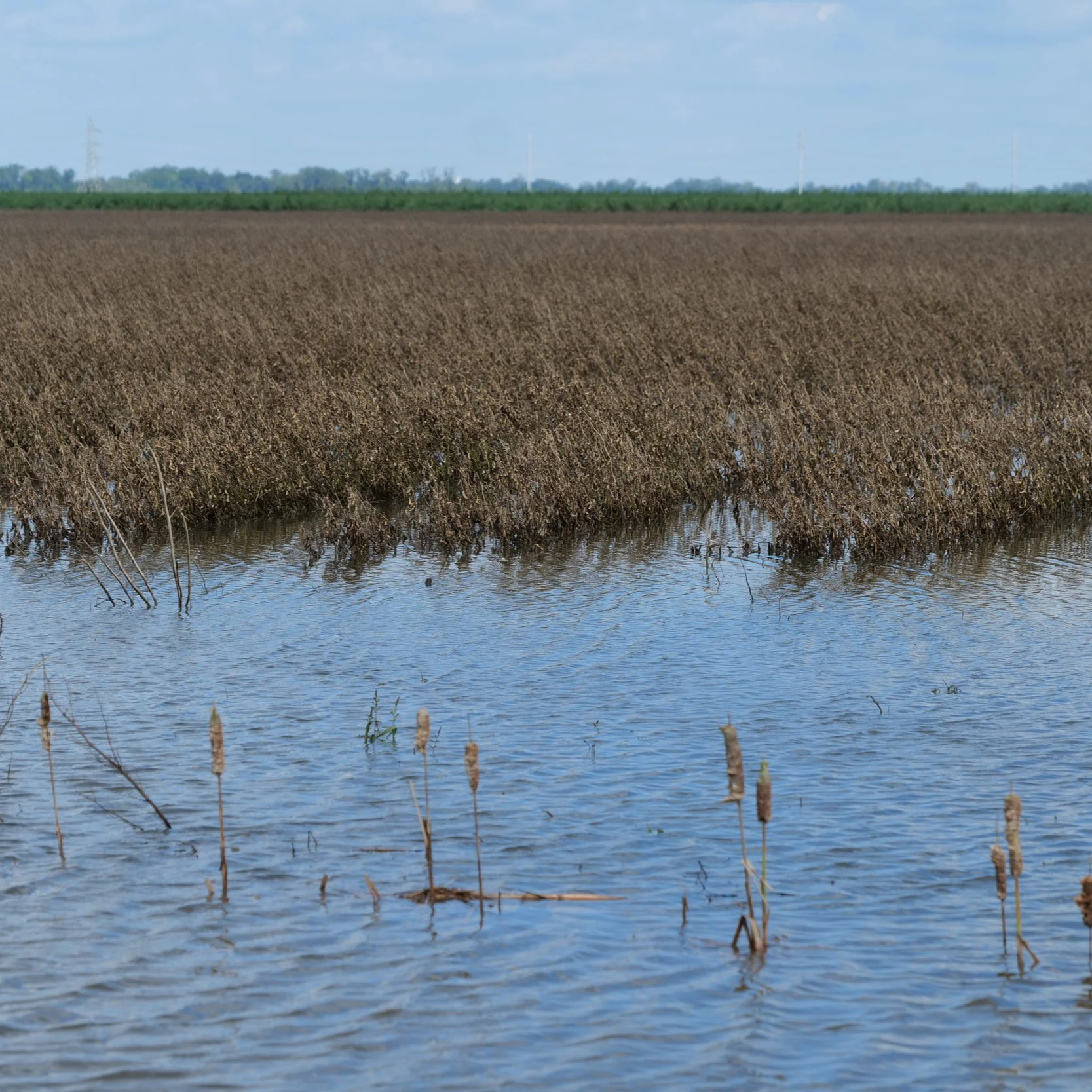
Tropical Storm Arthur brought historic rainfall to portions of Louisiana, with some areas reportedly receiving up to 30 inches of rain in a single day. The resulting flooding and prolonged saturated soil conditions caused widespread damage to soybean fields across the central Louisiana region.
Read More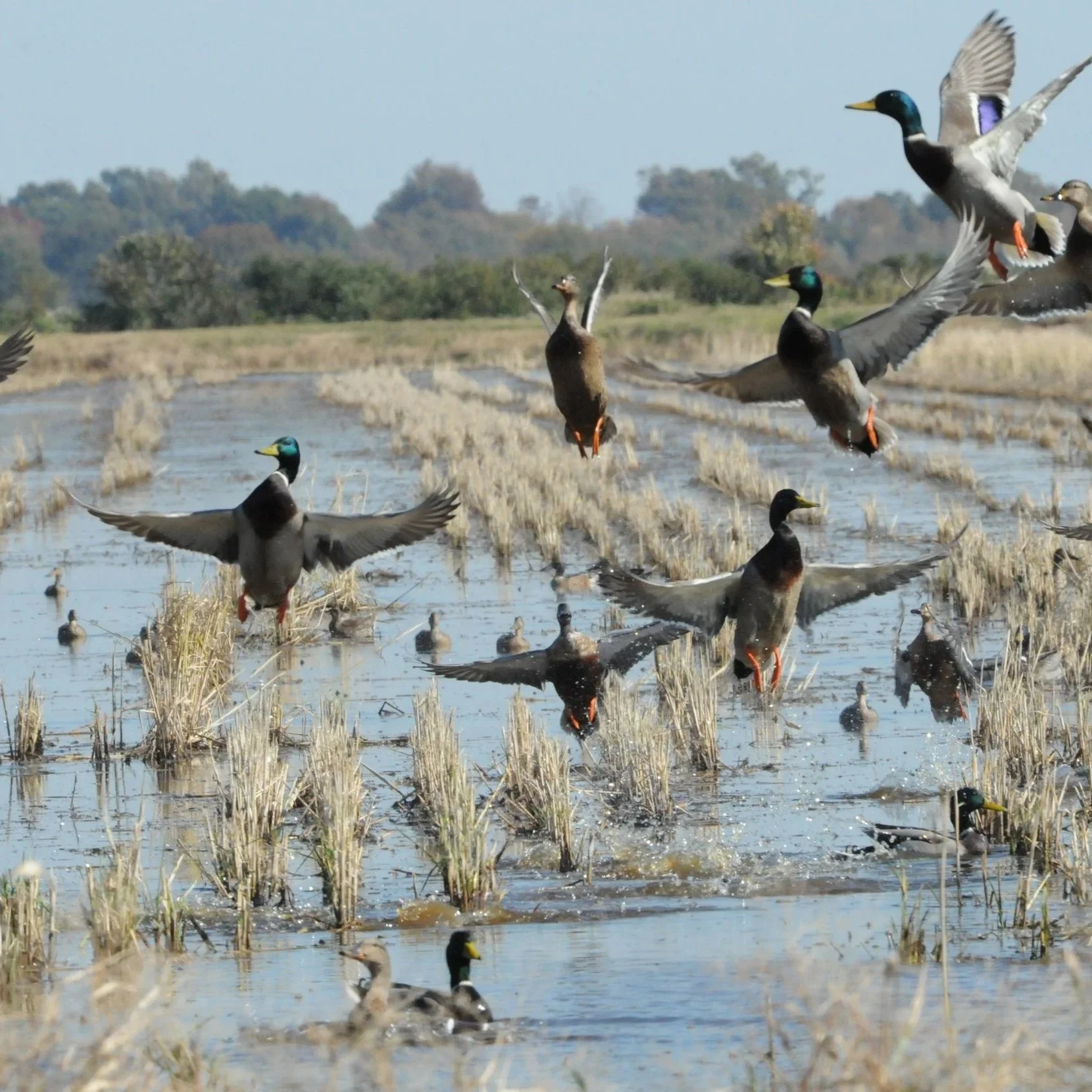
Scientists highlighted the increasingly important role rice production plays in sustaining North America's migratory birds during the Waterfowl & Agriculture Field Day, organized by the Rice Stewardship Partnership and hosted at the Northeast Rice Research and Extension Center last week.
Read More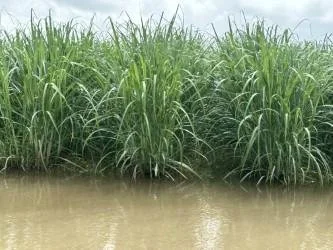
Louisiana farmers suffered an estimated $112 million loss as a result of Tropical Storm Arthur last month. Avoyelles, St. Landry and Rapides Parishes accounted for 90% of total losses. Agriculture Commissioner Mike Strain says Avoyelles received 29 inches of rain in less than 24 hours.
Read More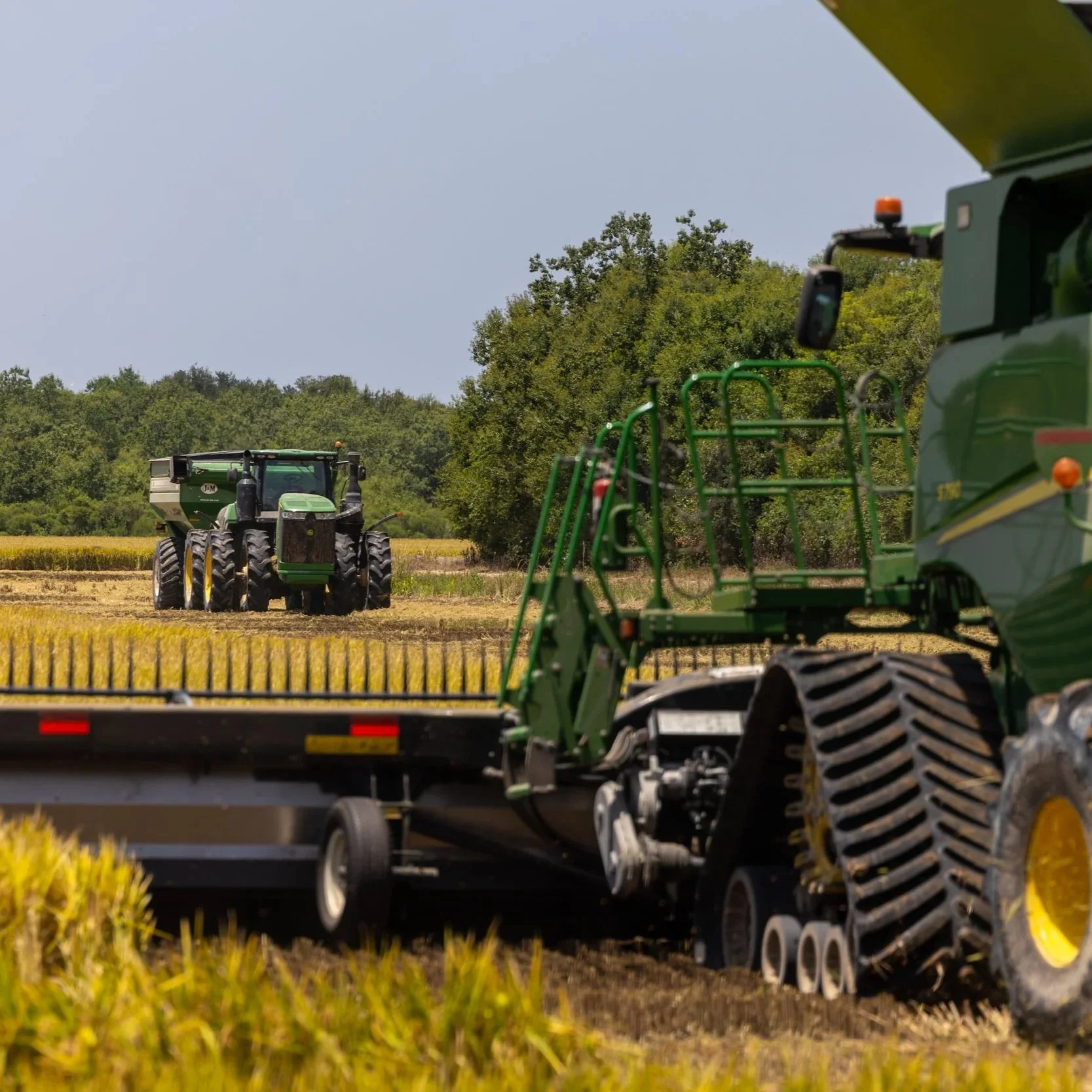
Gerard Frey is pleased with the rice coming through the combine this summer. He is less than satisfied with what that rice is worth.
According to Frey, a rice and crawfish farmer, first-crop rice harvest is going well. He operates with GX2 Farms, which has a little over half of their crop already in, and so far yields are generally reaching the high 40s and low 50s in barrels per acre.
Read More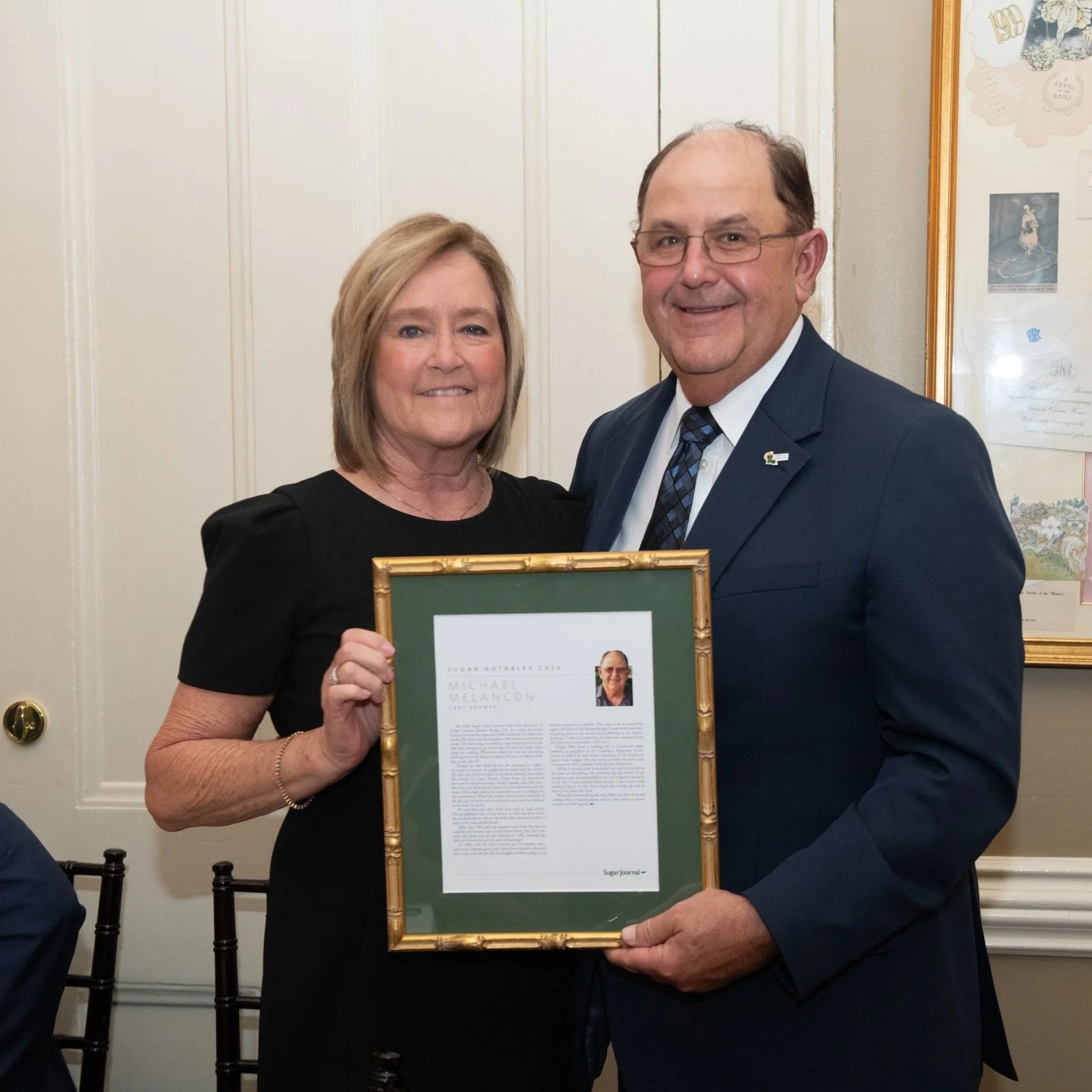
Louisiana Farm Bureau Federation Secretary-Treasurer Mike Melancon was recognized Saturday evening as one of Sugar Journal’s 2026 Sugar Notables, an international honor celebrating individuals whose careers have made lasting contributions to the global sugar industry.
Read More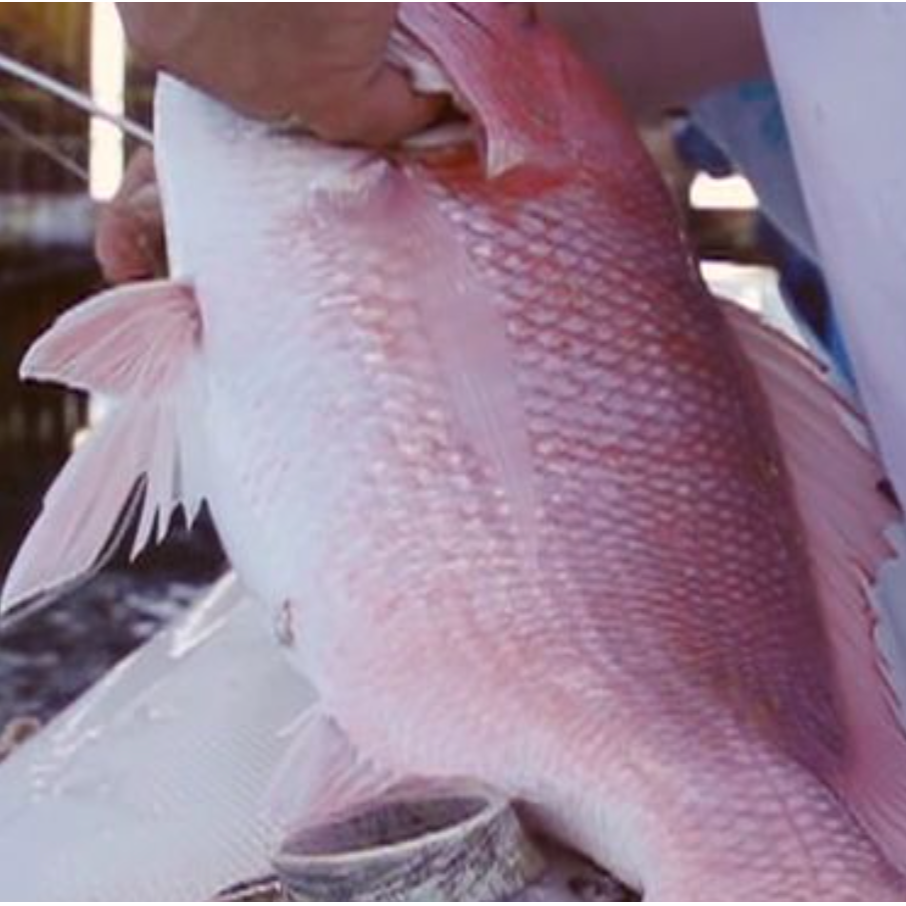
According to state wildlife and fisheries agents, more than 71% of Louisiana's 2026 annual private recreational allocation of red snapper has been caught.
Read More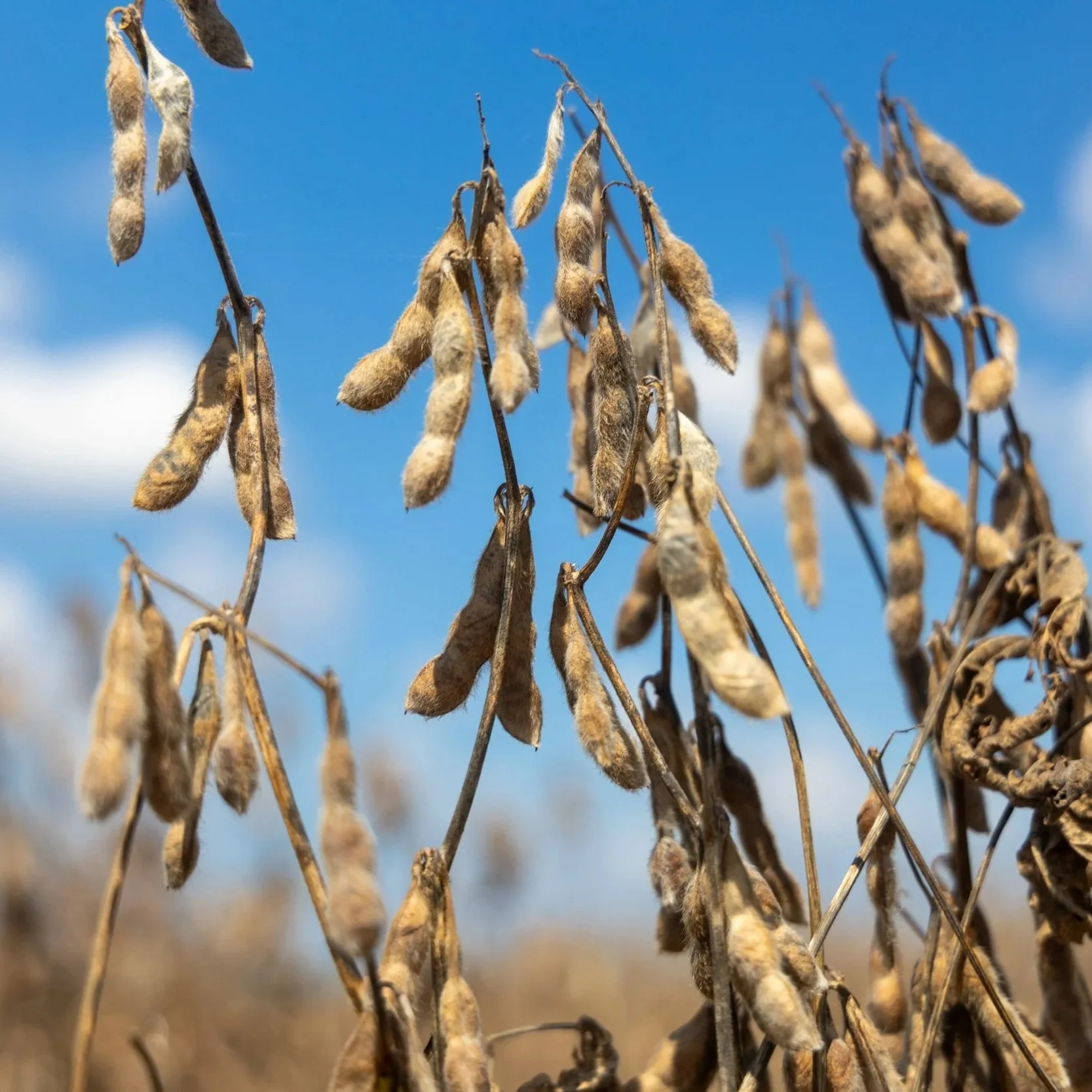
In the year ahead, the United Soybean Board (USB) will boost demand for U.S. Soy℠, drive on-farm resilience and bring value to the nearly half a million U.S. soybean farmers. Led by its 77 farmer-leaders, USB recently approved a $122.5 million budget for the 2027 fiscal year, strategically allocating funds across vital research, promotion and education investments. This spans the food, feed, fuel, industrial, exports and sustainable production market segments.
Read More