USDA Confirms Presence of New World Screwworm in the United States
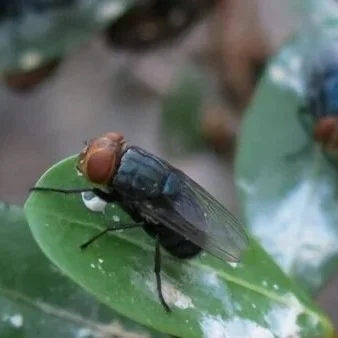
The U.S. Department of Agriculture’s (USDA) Animal and Plant Health Inspection Service (APHIS) confirmed the detection of a New World screwworm (NWS) in a bovine in Zavala County, Texas. NWS is a serious pest that affects livestock, pets, wildlife, and less commonly, people and birds. NWS larvae (maggots) burrow into the flesh of living animals, causing serious damage to livestock and economic losses.
Read More
New World Screwworm Case Discovered In The U.S.
American Farm Bureau Federation President Zippy Duvall commented today on USDA’s announcement that the first case of New World screwworm (NWS) has been reported in the United States.
Read More
USDA Expands Payment Limitation and Payment Eligibility Provisions for Farmers
The U.S. Department of Agriculture’s Farm Service Agency (FSA) is expanding payment limitation and payment eligibility provisions that affect program payments including allowing for the equitable treatment of business entities. Additionally, producers will benefit from an increased payment limitation for certain programs, and a broader definition of farming income that will result in more exceptions to income limitations.
Read More
NCBA Responds To USDA Detection Of Screwworm In The United States
Today, National Cattlemen’s Beef Association (NCBA) CEO Colin Woodall responded to the announcement from the U.S. Department of Agriculture (USDA) that one case of New World Screwworm has been detected in a calf in South Texas.
Read More
USDA Announces Improved Support, Reduced Burdens, And $60 million In Investments To Support Small Meat And Poultry Plants
Today, U.S. Secretary of Agriculture Brooke L. Rollins launched the Small Processors Action Plan (PDF, 2.3 MB), a new set of actions to better support small and very small meat and poultry processing plants, improve customer service, and reduce unnecessary regulatory burdens while maintaining strong food safety protections for consumers.
Read More
Does El Niño mean another 'quiet' Hurricane Season for the Bayou State?
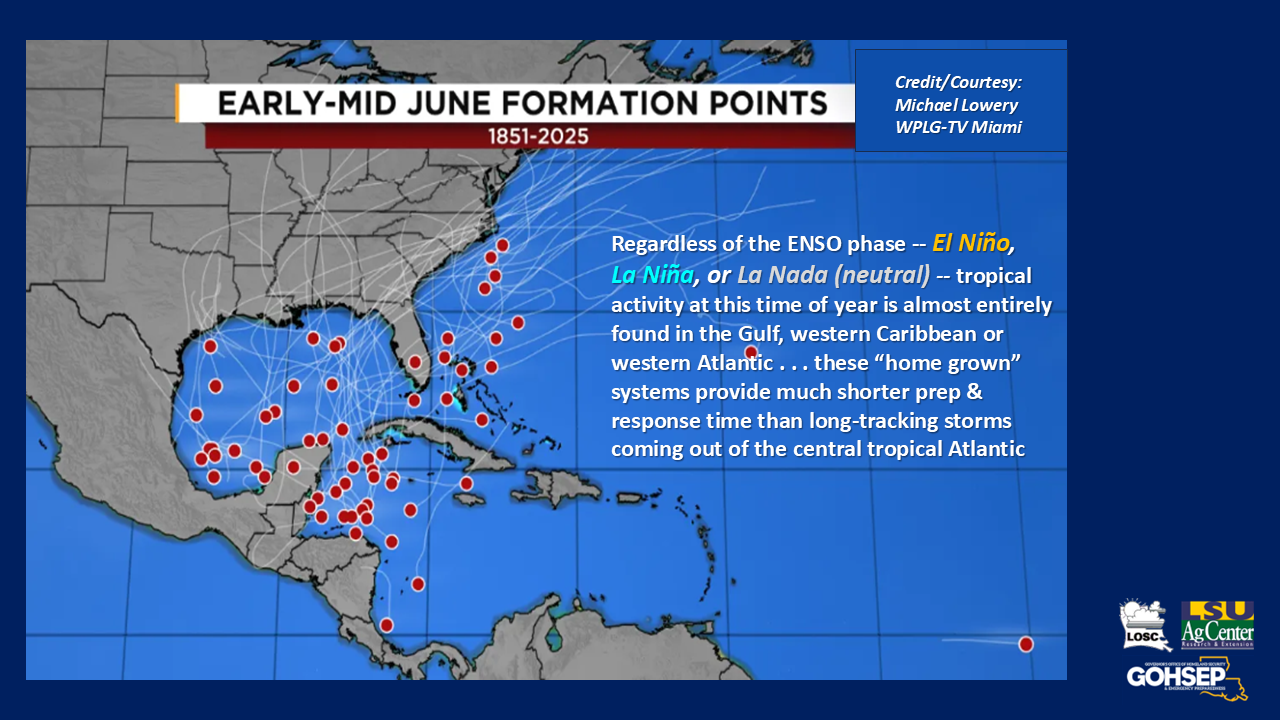
El Niño is expected to develop during this year’s hurricane season, and while El Niño years typically produce fewer storms across the Atlantic and generally lower the risk for Louisiana, it does not eliminate the threat of tropical weather.
Read More
Responsible Weight Limit Adjustments in Transportation Bill
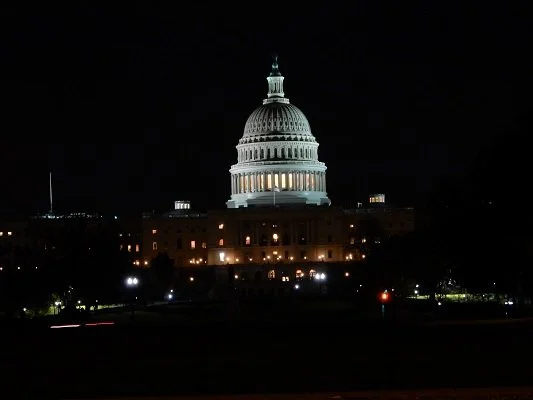
Farmers could see reduced grain hauling costs and fewer transportation bottlenecks under a proposal moving through Congress that would permit heavier six-axle semitrailers on interstate highways. The measure is designed to improve freight efficiency for agricultural shippers who routinely face rising input costs, limited truck availability during peak harvest periods, and continued pressure on rural logistics networks that move large volumes of grain to market.
Read More
The Hardest Crop To Grow In 2026 Is A Profit Margin
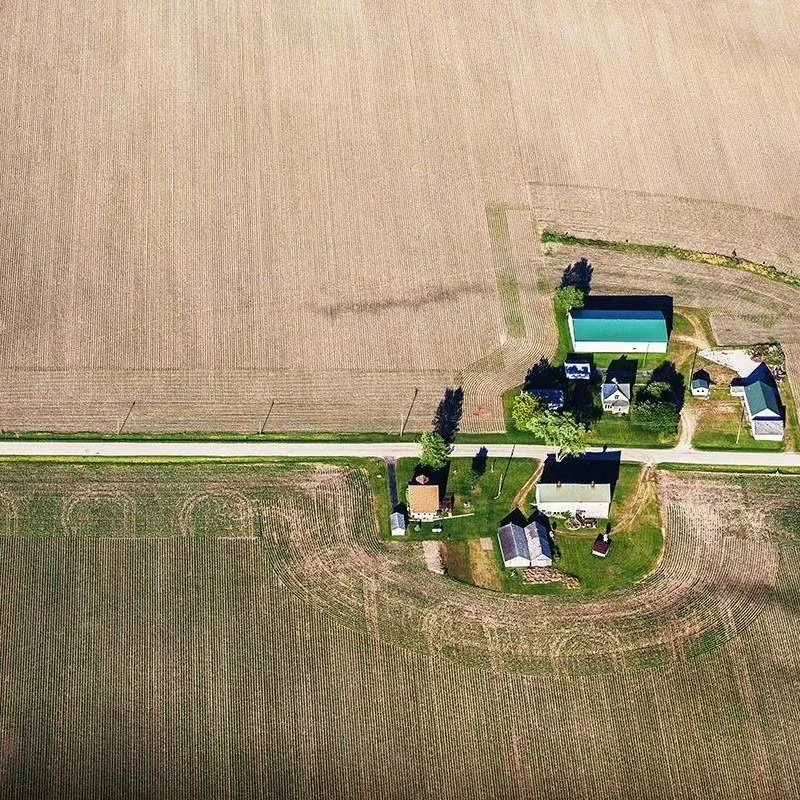
The hardest thing to grow on an American farm right now isn’t corn or soybeans — it’s a profit margin. Between competition from Brazil, Argentina and other countries and the unpredictable nature of trade deals, many U.S. growers are finding survival, much less profitability, an uphill climb in 2026.
Read More
Trump Cuts Tariffs on Ag Equipment to 15 Percent
President Donald Trump has announced tariff reductions on certain agricultural and industrial equipment, a move that could help ease some cost pressures facing farmers and machinery dealers.
Read More
LSU College Of Ag Student Receives NSF Grant
LSU student Keana Howard, who will begin as a master’s student at the College of Agriculture this fall, was awarded the National Science Foundation Graduate Research Fellowship on May 1. The award is given to undergraduate or graduate university students that demonstrate notable achievements in their research and complete a comprehensive application process.
Read More
One Of Louisiana's Oldest Forestry Associations Keep Growing In East Feliciana Parish
The Feliciana Forestry Association, one of the oldest forestry associations in Louisiana, has been connecting landowners across the Felicianas since 1994.
Read More
Trump Makes Changes to Steel, Aluminum and Copper Tariffs
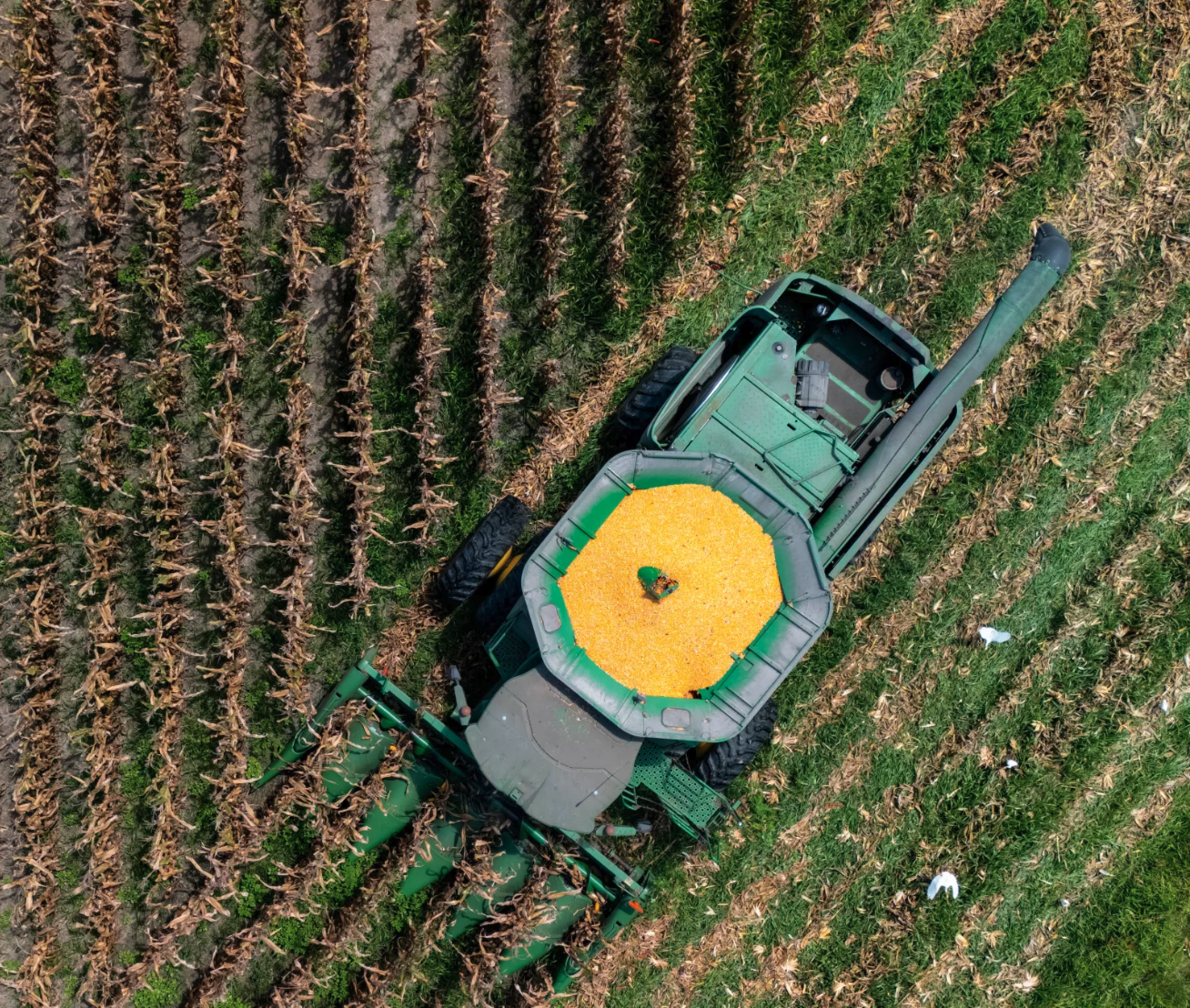
President Donald Trump on Monday adjusted tariffs on some steel, aluminum and copper imports, lowering some tariffs on farming equipment and extending the lower rate to other equipment.
In an executive order, Trump lowered tariffs on agricultural equipment, including combines and harvesters, and heating, ventilation, and air conditioning (HVAC) systems, to 15% from 25%.
Read More
New Louisiana Laws Target Unlabeled Foreign Seafood. Will Local Shrimpers Benefit?
Louisiana will soon see tougher regulations on imported seafood with the passage of a slew of laws designed to support the state’s shrimpers, whose industry has struggled for decades to compete with cheap foreign imports.
Read More
Solar Restrictions in Farm Bill Draw Concern From Rural Landowners
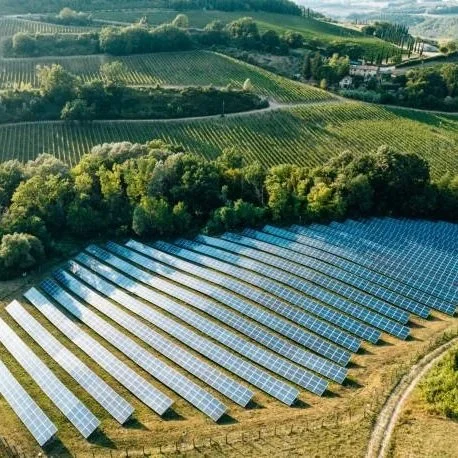
A provision in the House-passed farm bill is drawing criticism from farmers and renewable energy advocates who say it could limit opportunities for solar development on productive agricultural land.
Read More
June 1 Louisiana Crop Progress And Condition Report
The June 1, 2026 USDA NASS national crop progress database shows that while Louisiana's corn and cotton crops are steadily progressing, they have experienced different impacts from recent weather.
Read More