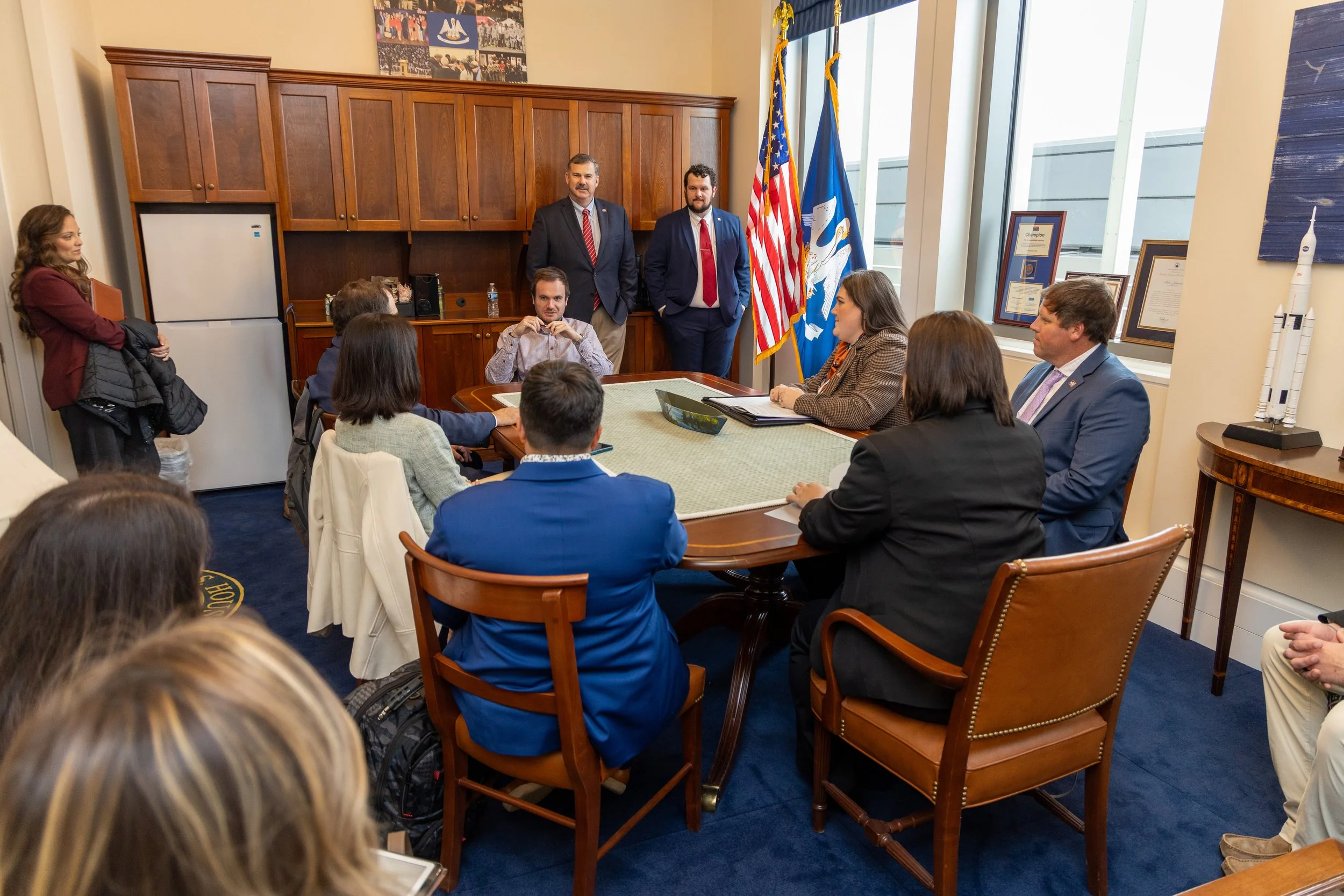
A group of Louisiana Farm Bureau Young Farmers and Ranchers recently traveled to Washington, D.C., to meet with members of Louisiana’s congressional delegation and advocate for issues affecting agriculture in the state.
Read More
A group of Louisiana Farm Bureau Young Farmers and Ranchers recently traveled to Washington, D.C., to meet with members of Louisiana’s congressional delegation and advocate for issues affecting agriculture in the state.
Read MoreThe National Cattlemen’s Beef Association (NCBA) is aware of online rumors that allege a new or unknown animal disease is circulating in a feedlot in the Texas Panhandle. These claims are false. Animal health officials from USDA, state officials in Texas, along with leaders at Texas Cattle Feeders Association, have confirmed there is no such disease present.
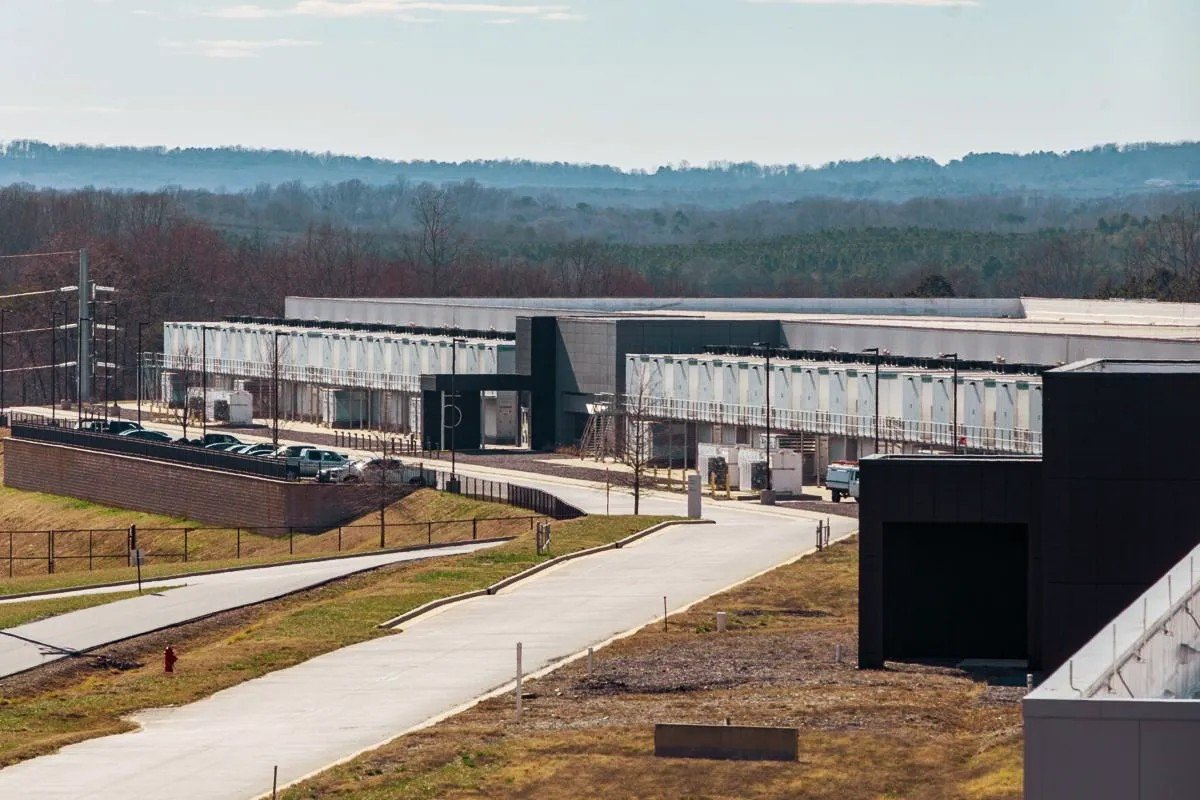
Read MoreThe push continues to add more data centers across rural America, and farm organizations are concerned. The topic came up during the recent National Farmers Union annual convention in New Orleans, Louisiana. Wisconsin Farmers Union President Darrin Von Ruden talked about the debate over data centers advancing into rural America.
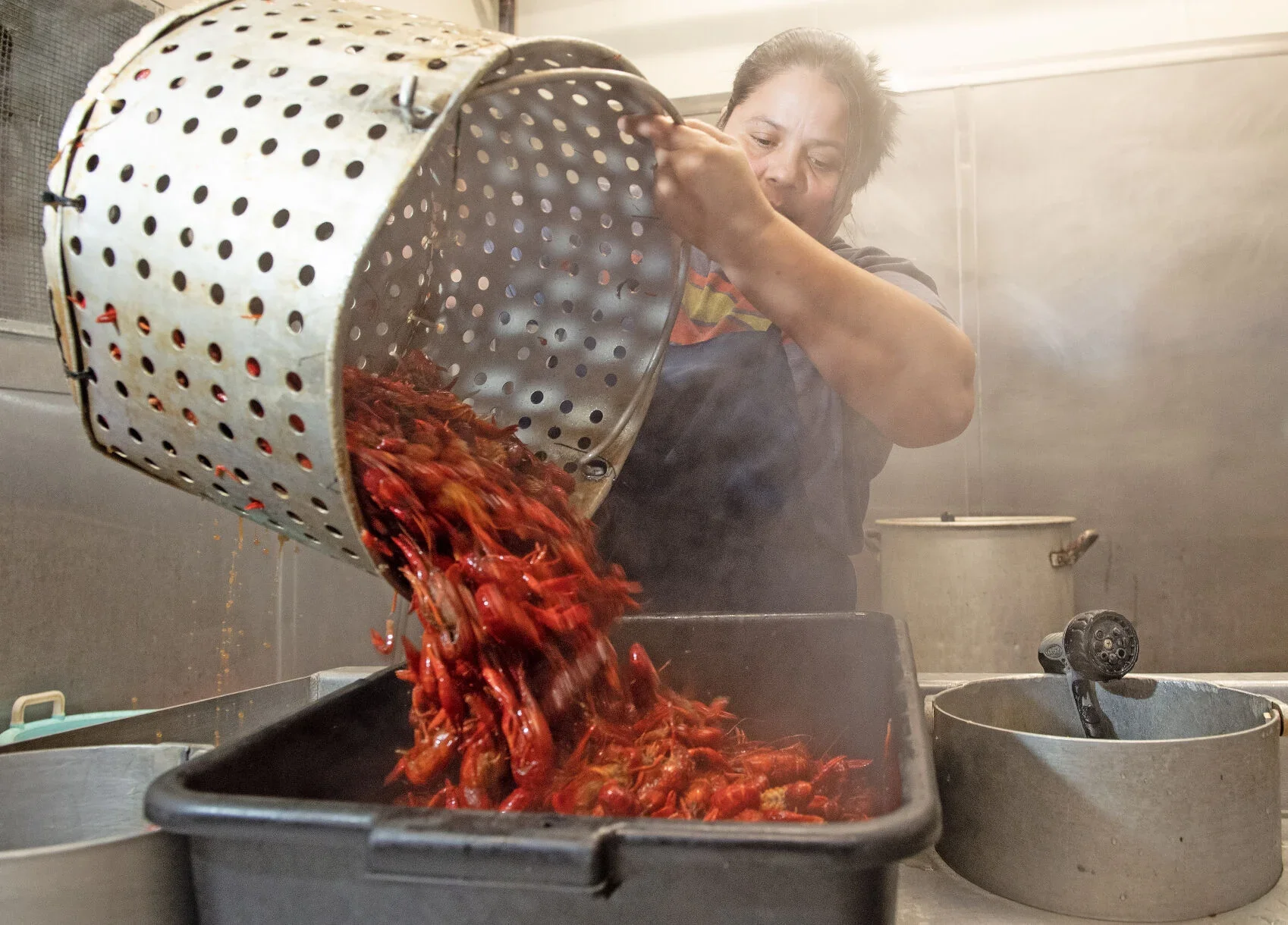
Read MoreLast fall, Don Benoit had been making plans to hire 80 seasonal migrant laborers to work at his crawfish processing plant during the upcoming spring season, and he was applying for guest-worker visas just like he had for the last eight years. But the longest federal government shutdown in U.S. history would soon throw his plans — and his business — into disarray.
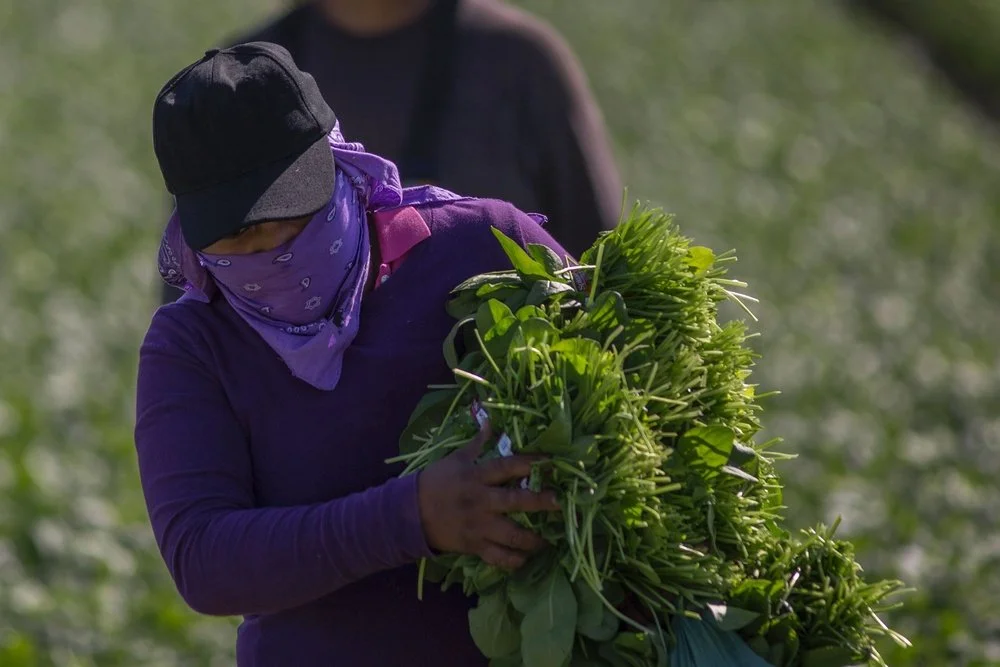
Read MoreWith deportation raids sending a chill across farm country, the Trump administration wants to make it easier for U.S. farms to hire migrant workers, angering critics across the political spectrum.
On January 1, new emergency rules took effect, allowing U.S. farms to hire more workers and pay less in wages for migrants coming in on H-2A temporary labor visas.
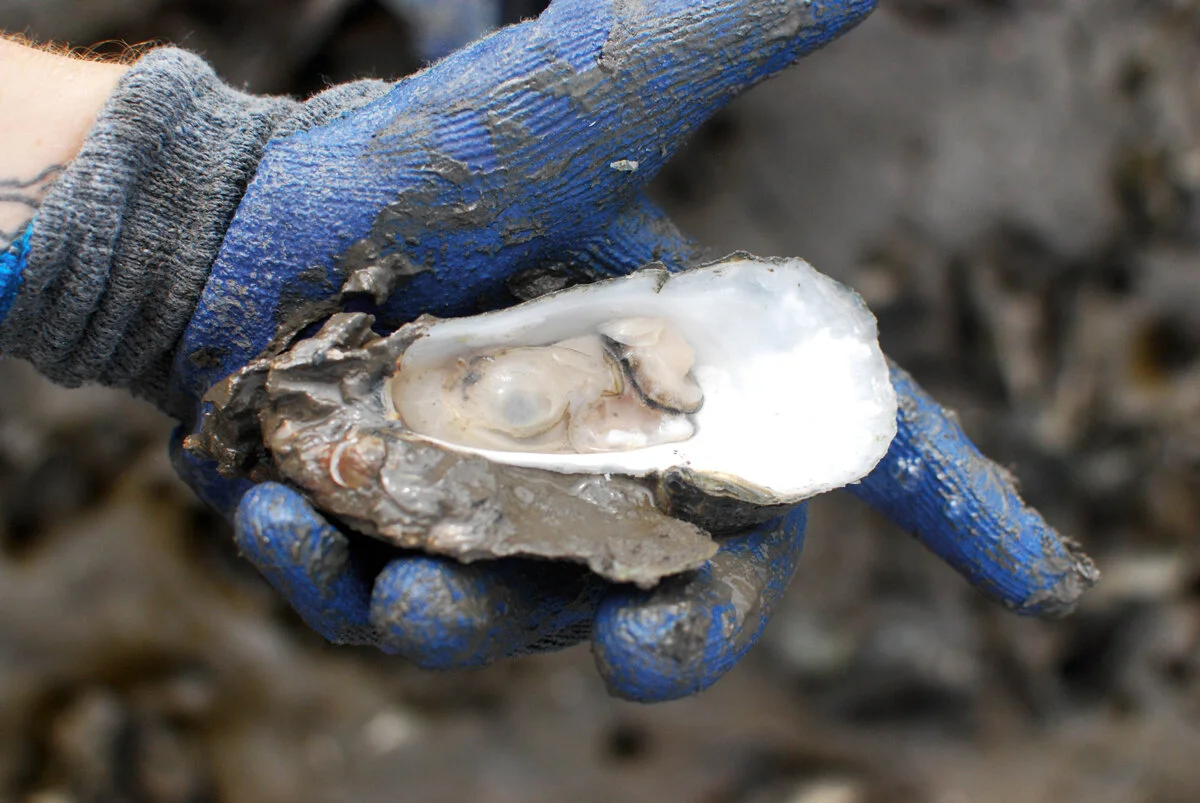
Read MoreStrong winds are raising concerns that an oil leak about 20 miles from Port Fourchon could spread and impact the commercial seafood industry, according to oyster farmers in Terrebonne Parish.
Read MoreJacob Sagrera unrolls an alligator skin and lays it flat on a metal table, brushing off flecks of salt. He holds it up to the light, looking for blemishes, and gives it a score. That score will help a tannery an ocean away prepare it to be used by a luxury designer — for items like boots, watch bands and handbags destined for fashion runways and posh shops.
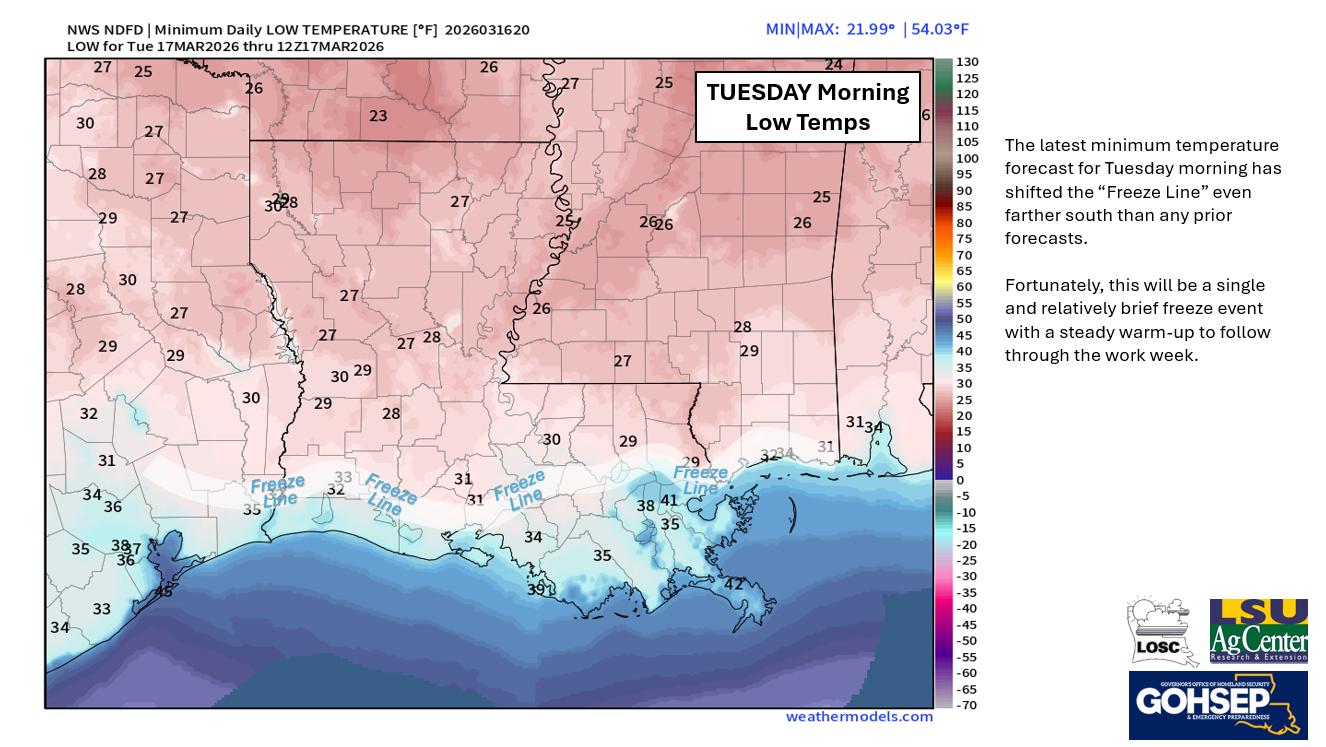
Read MoreIt's going to be especially cold for Tuesday's morning commute and bus ride .... not only because of the morning freeze expected for most LA communities but also the fact that up until today, March has been dominated by "warm" days for this time of year with highs in the 70°s and even some 80°s around the state. (LA's last widespread freeze was on Feb 24th.)
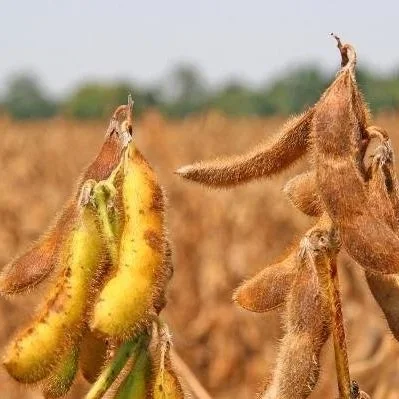
Read MoreNitrogen fixation is a process where soybean plants can utilize nitrogen from the air by a symbiotic relationship with Bradyrhizobium japonicum bacteria and is essential for economical soybean production. An article written by the Science for Success group (A national team of soybean agronomist) published an article on the Soybean Research & Information Network website stating that nitrogen fixation can account for 40 to 70% of the nitrogen requirement for soybean.
Read MoreMinnesota lost about 1,300 farms between 2024 and 2025, reflecting broader financial pressure facing U.S. agriculture, according to new federal data. A report from the U.S. Department of Agriculture shows the number of farms in the state fell from roughly 65,300 in 2024 to about 64,000 in 2025, as farmers grappled with rising costs and weak commodity prices. Producers and farm groups say the decline is the result of years of financial strain rather than a single poor season. KAAL-TV reports farm bankruptcies nationwide rose about 46% in 2025, adding to concerns about the long-term viability of some operations. Farmers say many are selling crops below breakeven levels, forcing difficult decisions about whether to continue operating. Industry leaders note that some farms are closing as operators retire or consolidate operations, while advances in technology allow fewer producers to farm larger acreages. Federal officials have introduced assistance programs aimed at helping farmers manage short-term financial stress, but many producers say stronger domestic demand and stable markets will be critical to sustaining the next generation of farms.
Read MoreSara Bair, a junior majoring in agriculture education at Utah State University, has been named the winner of the American Farm Bureau Young Farmers & Ranchers Collegiate Discussion Meet. Bair earned the national title following a dynamic discussion on how communities can grow responsibly while protecting farms, ranches and the agricultural way of life.
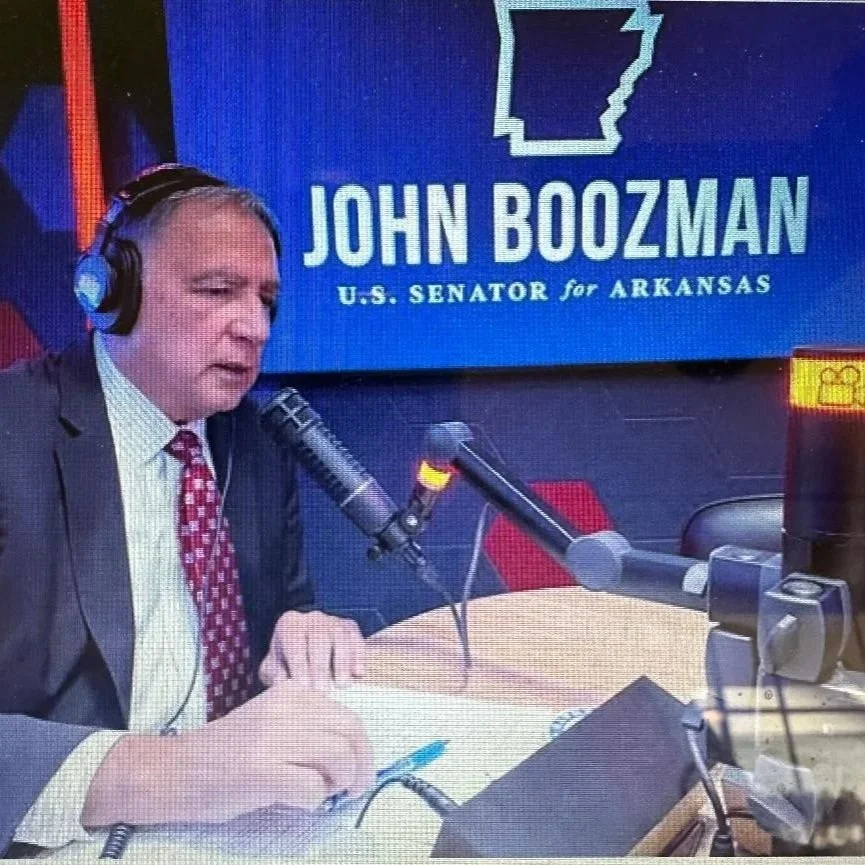
Read MoreThe chairman of the Senate Ag Committee says 2026 is a pivotal year for ag policy.
“We are facing a generational crisis right now.”
Read MoreMultinational agriculture technology company Syngenta announced last March 3 that it will cease global production of the herbicide paraquat by the end of June, including at its facility in Iberville Parish.
Banned in more than 70 countries, paraquat is repackaged and distributed in the United States from Syngenta’s manufacturing site in St. Gabriel.
Read MoreCongressman Clay Higgins (R-LA) released the following statement on efforts to address workforce challenges facing Louisiana’s crawfish industry.
“Many of Louisiana’s crawfish processors are facing significant workforce shortages due to complications involving legal immigrant temporary employee visas. Historically, seasonal workers and the visa system that allows them to be legally employed in America is fraught with controversy and bureaucratic uncertainty.”
Read MoreThe bacteria that is responsible for nitrogen fixation in soybean is Bradyrhizobium japonicum. If a field has never been planted to soybean, it is likely the seed will need to be inoculated. The bacteria can survive many years until the next soybean crop, but the common recommendation is to inoculate seed if soybean has not been planted for 3 to 5 years. However, research has indicated that an increase in yield is possible if seed is inoculated in a regular soybean rotation.
Read More