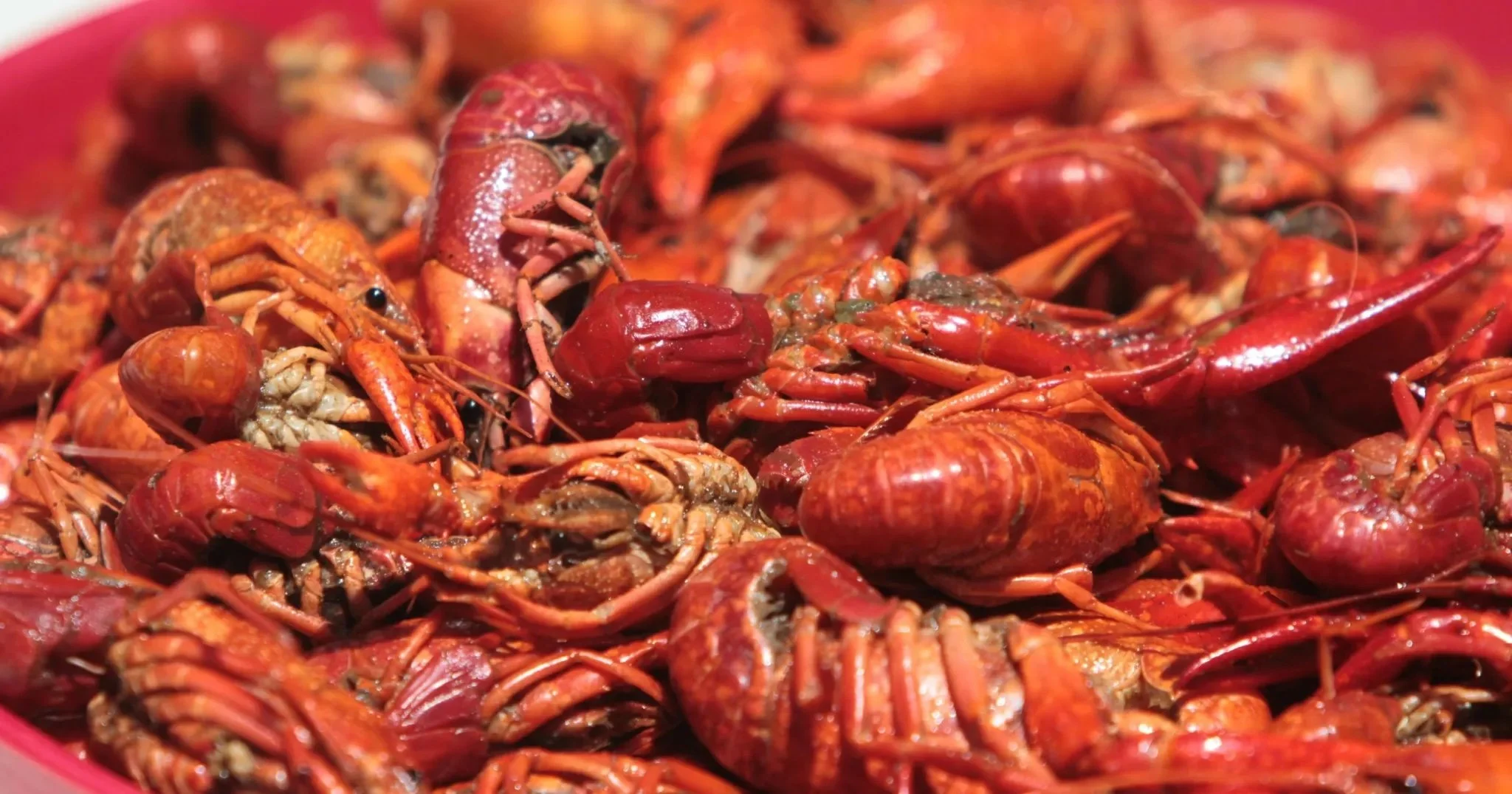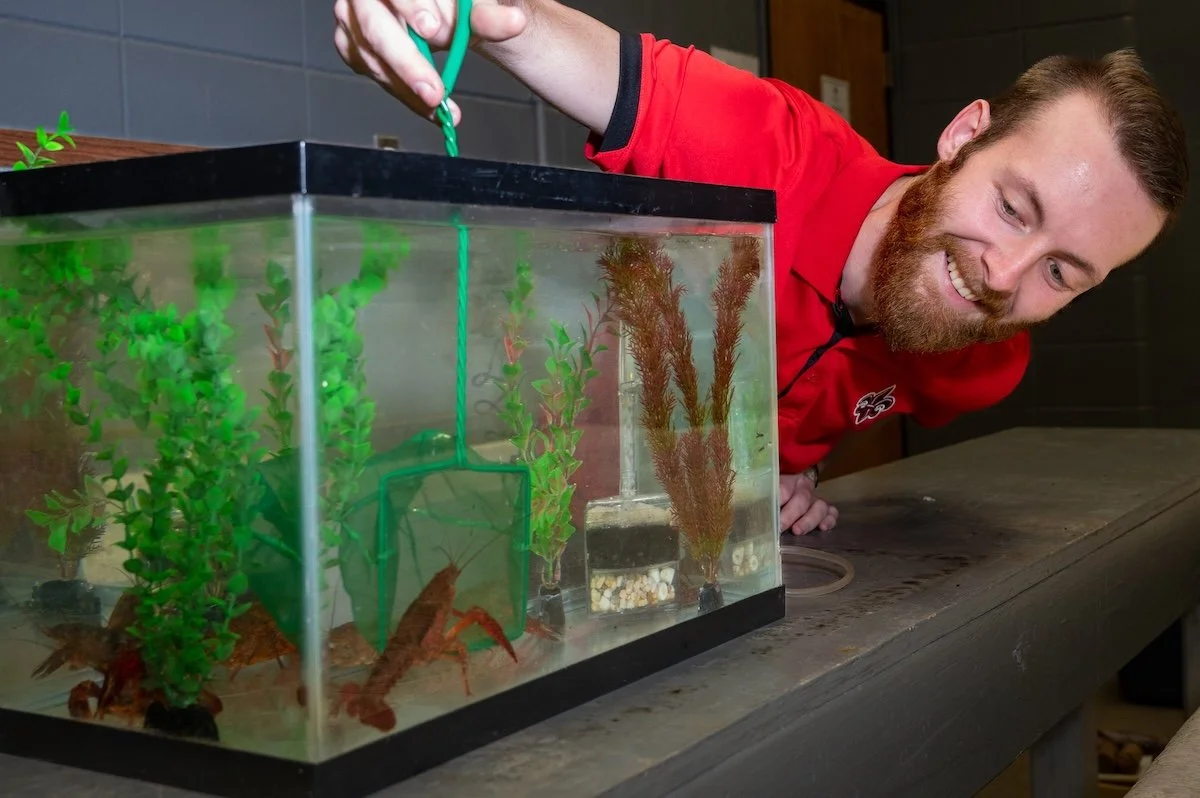
The crawfish industry annually contributes more than $300 million to Louisiana’s economy. A research study at the University of Louisiana at Lafayette is proving it could also help control invasive carp in Louisiana rivers.
Read More
The crawfish industry annually contributes more than $300 million to Louisiana’s economy. A research study at the University of Louisiana at Lafayette is proving it could also help control invasive carp in Louisiana rivers.
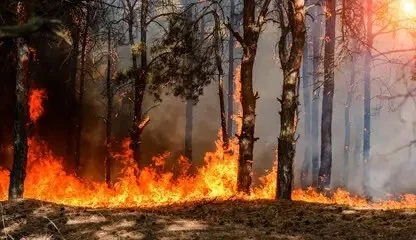
Read MoreA professor and his researchers at LSU have developed a disaster management instrument called “DeepFire,” a tool using artificial intelligence to predict when and where wildfires can start before ignition.
DeepFire is an AI-based system that can predict wildfires in particular regions so that emergency managers can allocate resources ahead of time to prevent disaster.
Read MoreAs strawberry season in Louisiana picks up, Louisiana Public Broadcasting will debut a new independent documentary about the sweet treat, a boost to the region's economy.
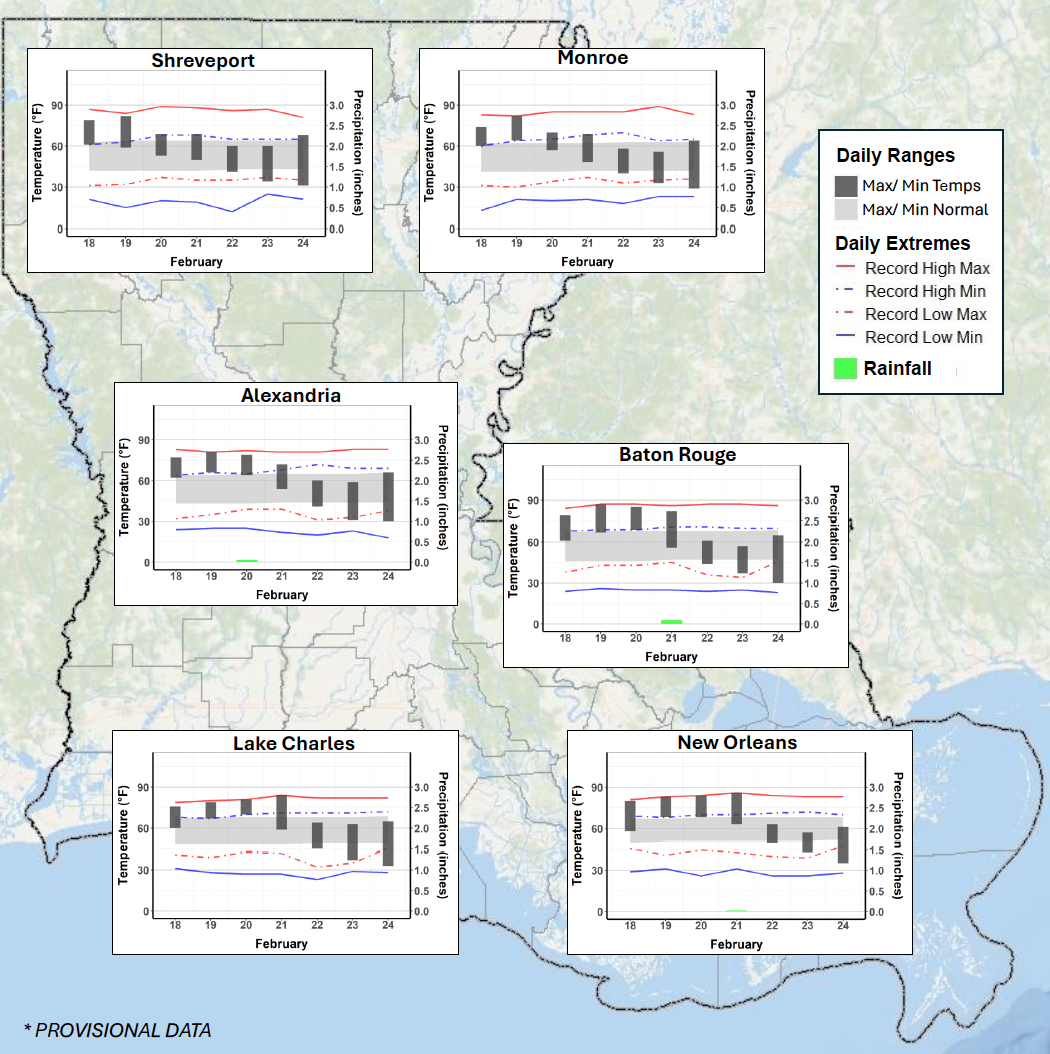
Read MoreLOSC preliminary assessment indicates that the 2025-26 winter (Dec 1 thru Feb 28) was a “warm” and “dry” one across Louisiana, fitting the climatic patterns expected for an ENSO/La Niña phase winter.
Read MoreThe U.S. Department of Agriculture (USDA) announced loan interest rates for March 2026, which are effective March 1, 2026. USDA Farm Service Agency (FSA) loans provide important access to capital to help agricultural producers start or expand their farming operation, purchase equipment and storage structures or meet cash flow needs.
Read MoreOn February 26, the Louisiana Department of Agriculture and Forestry’s (LDAF) livestock brand inspectors arrested 35-year-old Meagan Breanna Byrd. Byrd was arrested on a warrant for two counts of theft of livestock.
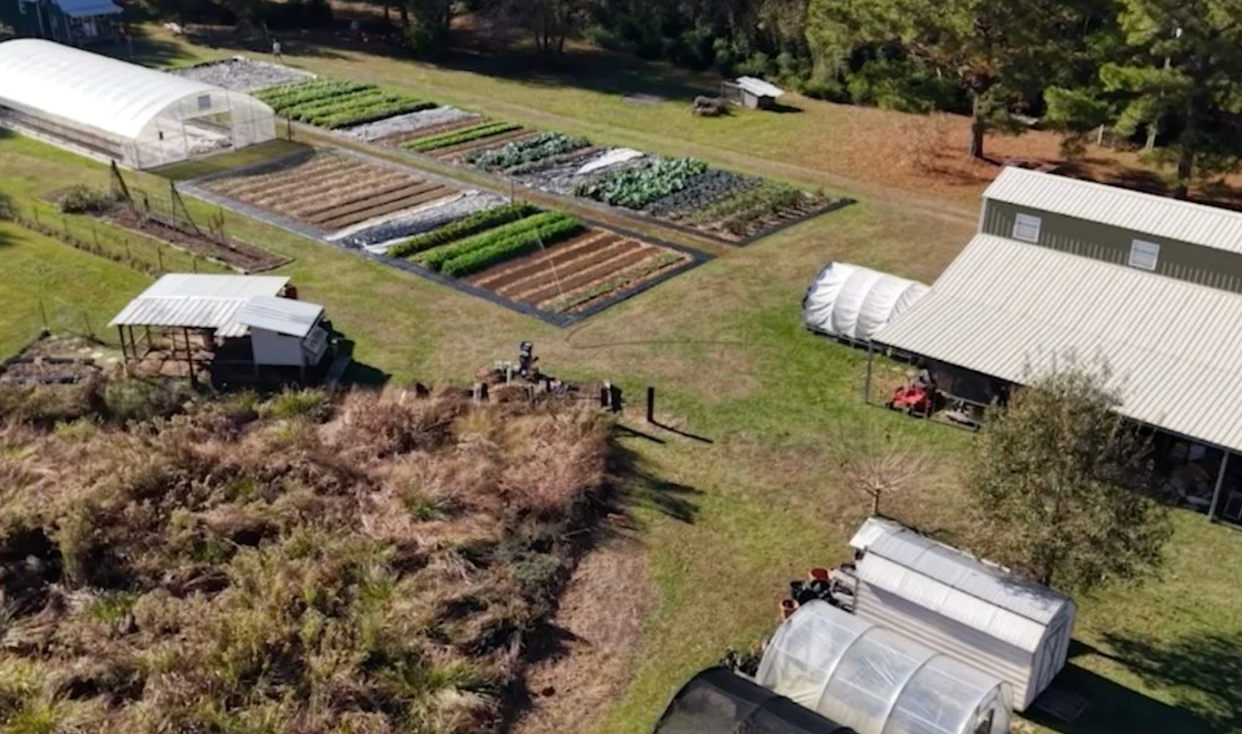
Read MoreThe road into Arnaudville winds through open fields and quiet stretches of Acadiana, the kind of landscape that invites you to slow down and pay attention. When I arrived at Cajun Prairie Farm, the land itself felt intentional. Rows were orderly but alive, prairie grasses moved in the breeze, and the air carried that familiar mix of soil, sun, and growing things. This is not a farm designed to impress at first glance. It is a farm designed to endure.
Read MoreThe push to get a five-year farm bill has been renewed in the House Ag Committee. Chairman G.T. Thompson released language and mark up began on Monday.
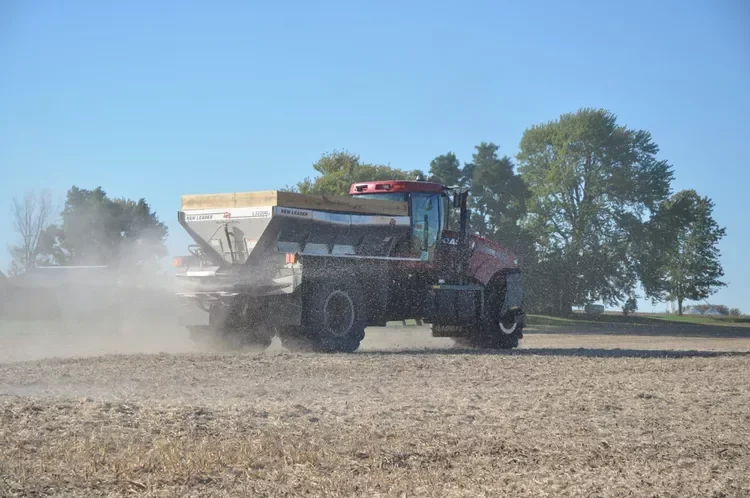
Read MoreA prolonged military conflict in the Middle East could potentially upend key commodity markets due to Iran’s control of the Strait of Hormuz, one of the world’s most important trade routes. America’s crop growers could see fresh price spikes for inputs like fertilizer while battling a multi-year downturn in profitability, experts warned ahead of the attack.
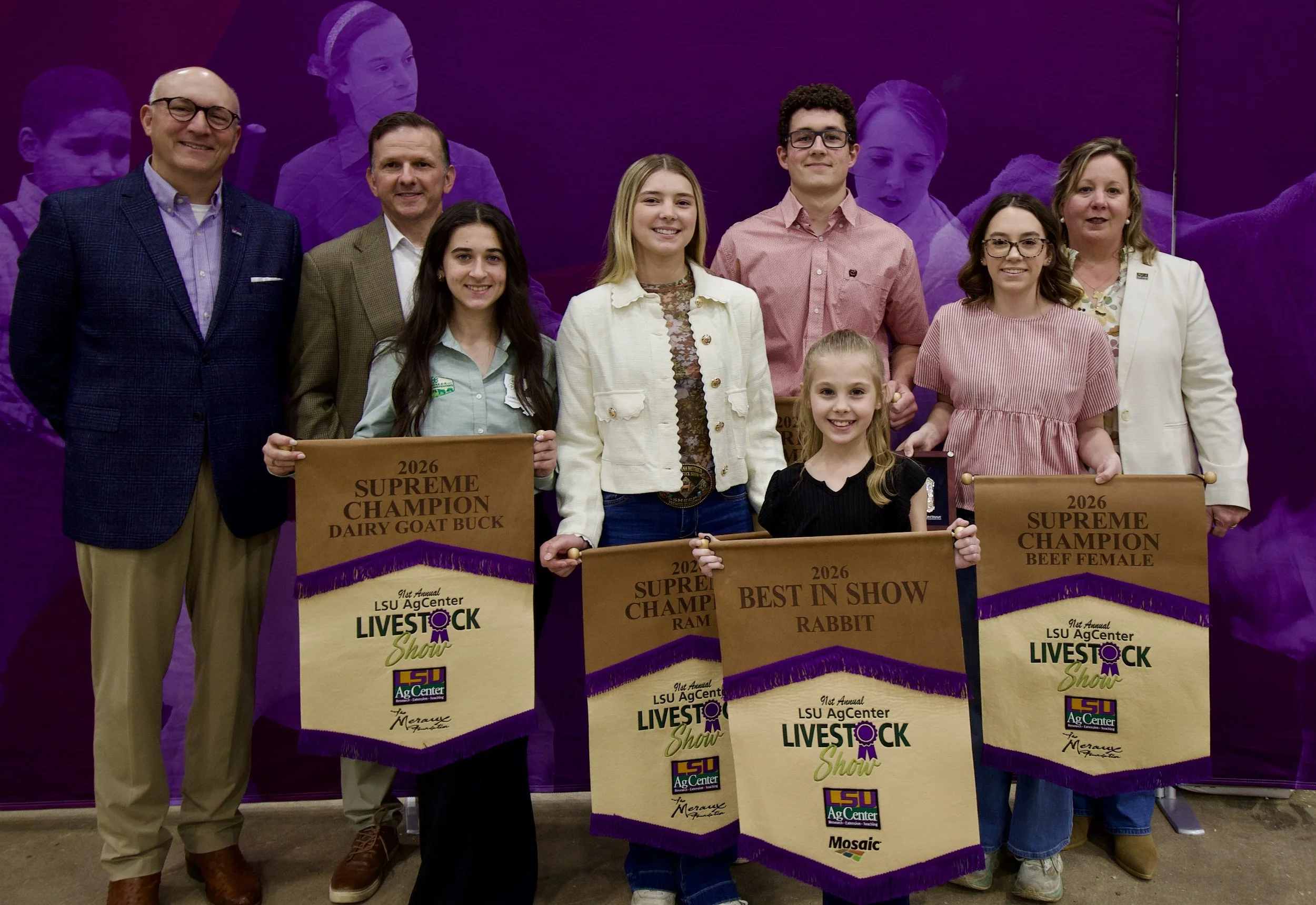
Read MoreLouisiana 4-H and FFA livestock competitors from Homer to Houma and all points between came together to participate in the 91st annual LSU AgCenter Livestock Show from Feb. 14 to 21 at the Lamar-Dixon Expo Center in Gonzales.
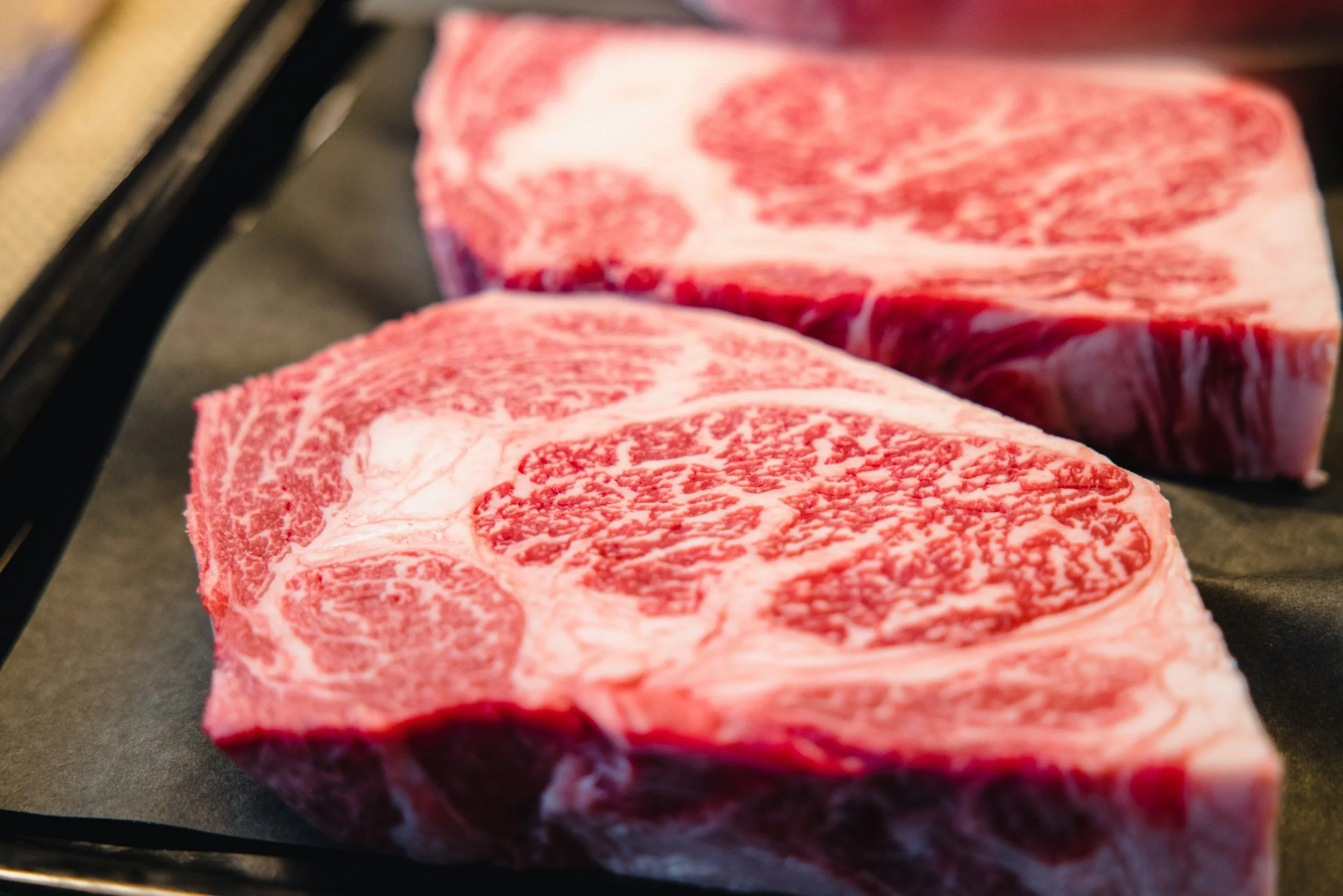
Read MoreThe beef industry is evolving, and the producers who stay ahead are the ones willing to see what’s possible beyond their fence line.
The 2026 Louisiana Farm Bureau Beef Tour is quickly approaching, offering an eye-opening experience for not only cattle farmers, but those eager to learn more and network in Central and Eastern Texas.
Read MoreOn Wednesday, Louisiana State Senator Michael Fesi introduced Senate Bill 152, and on Thursday, State Representative Rodney Schamerhorn introduced House Bill 512, companion measures that would prohibit the advertising, manufacturing, distribution, and sale of lab-grown meat products for human consumption in the state. The bills define lab-grown meat as animal tissue grown from cells outside of a living animal.
Read MoreIt was a “quiet” 7-day run for Louisiana, with no severe weather Watches or Warnings issued during the period. However, dry and windy conditions prompted three of the four local NWS offices to post multiple Red Flag Warnings, extending over the southern parishes between Feb 22-24.
Read MoreDuring the Lenten season, Fridays mark a surge in seafood demand. Crawfish prices are crucial for those planning weekend boils.
Read MoreFor 35 years, U.S. soybean farmers have invested together with a singular purpose: to build a stronger, more resilient future for U.S. Soy. Through the Soy Checkoff, those collective investments across food, feed, fuel, industrial, exports and sustainable production, have transformed the soybean industry. It’s created entirely new categories for demand and advanced production—delivering measurable results back to the farm.
Read More