Louisiana Lawmakers Ponder Gasoline Stockpile for Hurricanes
Louisiana already has 1 million gallons of fuel available if needed for its hurricane response efforts. State lawmakers are considering setting aside another 4 million gallons to address critical shortages in the wake of major storms.
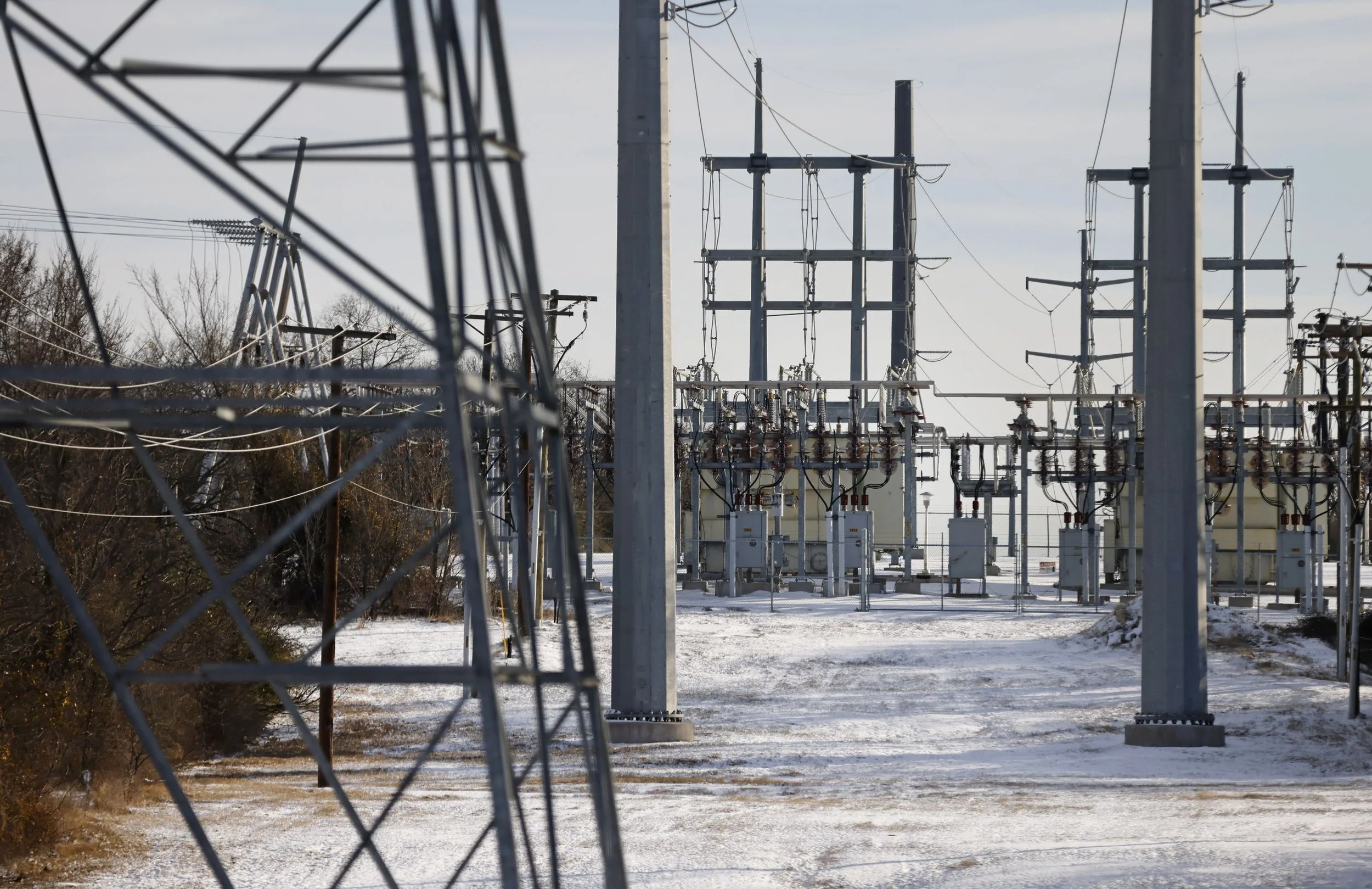
Rep. Daryl Deshotel, R-Hessmer, has proposed the Louisiana Strategic Fuel Reserve in House Bill 1057. It calls for the state to spend $25 million to build three storage tanks at the Central Louisiana Regional Port in Alexandria, according to the bill’s fiscal note. Two tanks would hold gasoline and diesel, and the third would contain ethanol for blending fuels.
Read More
Availability of Low-Interest Physical Loss Loans for Louisiana Producers Affected by Natural Disasters
Physical loss loans can help producers repair or replace damaged or destroyed physical property essential to the success of the agricultural operation, including livestock losses. Examples of property commonly affected include essential farm buildings, fixtures to real estate, equipment, livestock, perennial crops, fruit and nut bearing trees and harvested or stored crops and hay.
Read More
US Drought Expands To Largest Area Since 2012
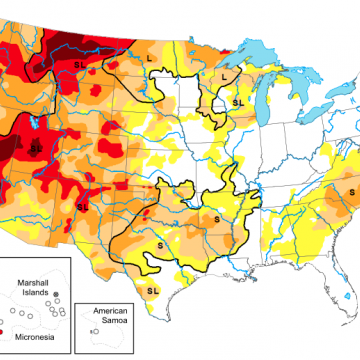
The U.S. Drought Monitor released Thursday contained more bad news for ranchers and all of agriculture. More than 61% of the contiguous US is in some classification of drought.
Read More
Freeze Injury On Wheat
Freezing temperatures can be detrimental to wheat. Temperatures, depending on where you are in the state, beginning this weekend and into next week (February 4-12) are projected to dip into the mid to low 20s. Wheat that hasn’t jointed should be ok except for some foliar injury. This injury is usually superficial, and the plants should recover
Read More
Blame Bad Weather for Your Bigger Bills
One of the major inflationary forces of 2021 has been the weather.
Wild weather around the world wreaked havoc on markets for raw materials, lifting prices for everything from electricity and heat to houses and breakfast cereal.
Read More
U.S. Drought Monitor Shows Expanded Drought Conditions
This week's U.S. Drought Monitor (USDM) report finds continued deterioration in drought-like conditions across areas of the Mid-Atlantic (Virginia, North Carolina) and the Southeast (South Carolina, Georgia) in response to below-normal precipitation (past 30- to 90-day period), declining soil moisture and streamflow levels.
Also, the drought conditions expanded and intensified on the map in areas of the South including Louisiana, Arkansas, and Texas as well as in the Southern Plains of Oklahoma, where overall warm and dry conditions have prevailed during the past 30- to 120-day period, according to the Drought Monitor map.
Read More
Resilience of Farmers on Full Display After Hurricane Ida Ravaged Louisiana Agriculture
Hurricane Ida ravaged Louisiana agriculture this fall. The hurricane brought as much as two feet of rain in some areas, as producers grappled with losses and aftermath.
"My community took a hell of a beating," Ashly Pitre, president of LaFourche Parish Cattleman's Association, told "This Week in Louisiana Agriculture."
Cattle were stranded for days, and producers worked around the clock to get to their livestock and move them to safety. But even then, the Hurricane left its mark, as This Week in Louisiana Agriculture covered it first-hand this year.
Read More
Cane Farmers Get an Assist From the Weather
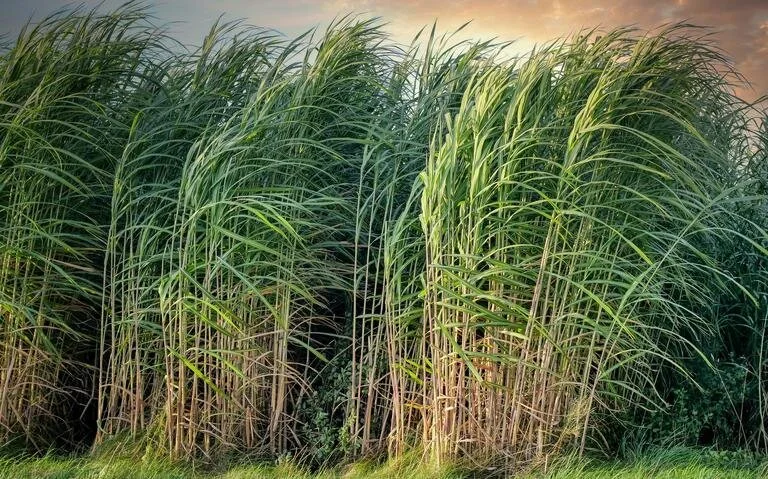
A few weeks of dry weather are giving St. Mary sugar cane farmers a break, although it's a working break.
After what experts called a great 2020 cane crop, farmers have worried their way through a hard freeze in February, pushed machinery through mud created by months of heavy rain and watched with trepidation while tropical weather approached.
Read More
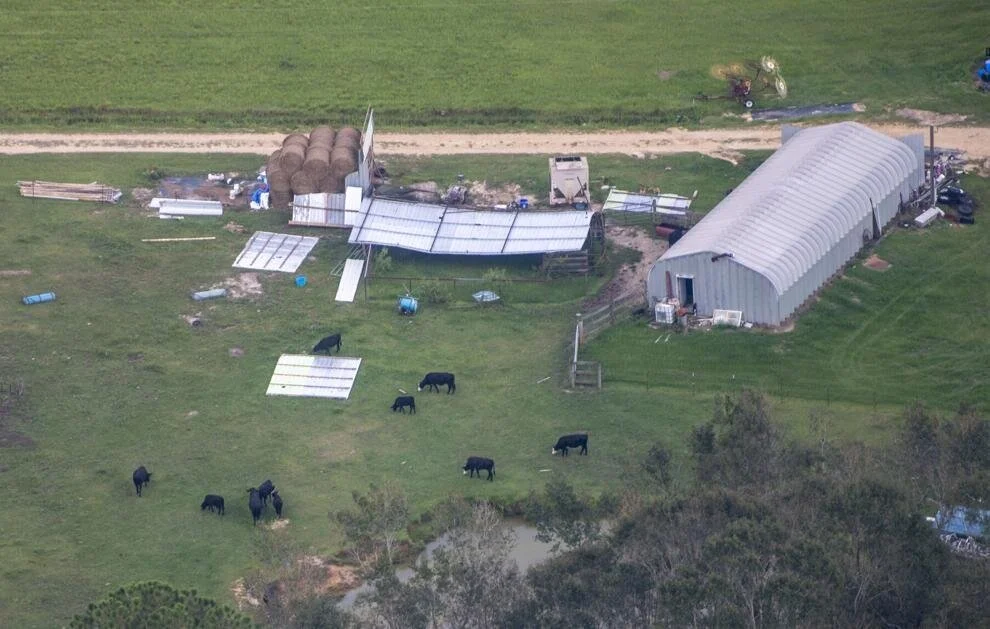
Back From the Brink, Farm Couple Rebuilds After Hurricane Devastation
Sky darkens, rain pours, wind blows and a hurricane roars, leaving in its wake mangled buildings, roofless grain bins, and uprooted foundation pillars. Barns, shops, equipment—gone. In 2020, Brandon Vail’s farm life was rolled by devastation on a grand scale. Pile on a truck accident from which he crawled from a crushed tin can to survive by a wafer-thin margin—and the pill of 2020 is all the more bitter.
Yet, mettle takes the day. Knocked to the mat in 2020, Vail found his feet, emblematic of the resilience of Louisiana farmers forced to reckon with another wrecking ball. Farming just 20 miles from the Gulf of Mexico in the teeth of hurricane country, battling saltwater creep and mosquito plagues, Vail is pushing back with grit against the elements. He will rebuild. “I belong here on this dirt,” he says. “I belong.”
Read More
Farmers Frustrated at Disaster Assistance in the Aftermath of Hurricane Laura
More than one year after Hurricane Laura caused more than $1.6-billion in damage to the state’s agriculture industry, some farmers say assistance has been inadequate.
“It’s very slow to get any type of aid in your pocket,” said farmer Brandon Vail. “It's not a cheap deal to rebuild and rebuilding is going to take several years.”
Read More
Army Corps Of Engineers Considers Nature-Based Flood Control
The U.S. Army Corps of Engineers is known for damming rivers and building levees to keep waterways at bay. But a new initiative seeks natural flood control solutions as climate change brings increasingly frequent and severe weather events that test the limits of concrete and steel.
Read More
How Hurricane Ida Hurt Farmers: Wrecked Barns, Ruined Crops, Thousands of Gallons of Lost Milk
As Tangipahoa Parish residents sheltered in place as Hurricane Ida hit, Susie and Harrell Sharkey were fretting over their cows. The Sharkeys have been in the dairy farming business for more than 40 years — one of a dwindling number of milk providers in the state. Their 110 dairy cows need to be milked twice a day, and as the 2 a.m. feeding approached during the storm, a piece of their pump broke.
Read More
Report Says Hurricane Ida Damaged 118,000 Acres of Sugarcane Crops in Louisiana
Hurricane Ida negatively impacted an estimated 118,000 acres of sugarcane crops in Louisiana, or about 26% of the crop that would be harvested for sugar production in the state, according to a preliminary report released on Tuesday, Sept. 14. The projection, produced by the Louisiana State University and the industry group Sugar League, says that the area hit by the storm will have agricultural yield losses ranging from 16% to as high as 29%. Louisiana is the second largest sugarcane producing state in the United States after Florida. Sugar produced from cane accounts for roughly 43% of the total sugar produced in the country, with the rest coming from sugar beet processing, according to the U.S. Department of Agriculture.
Read More
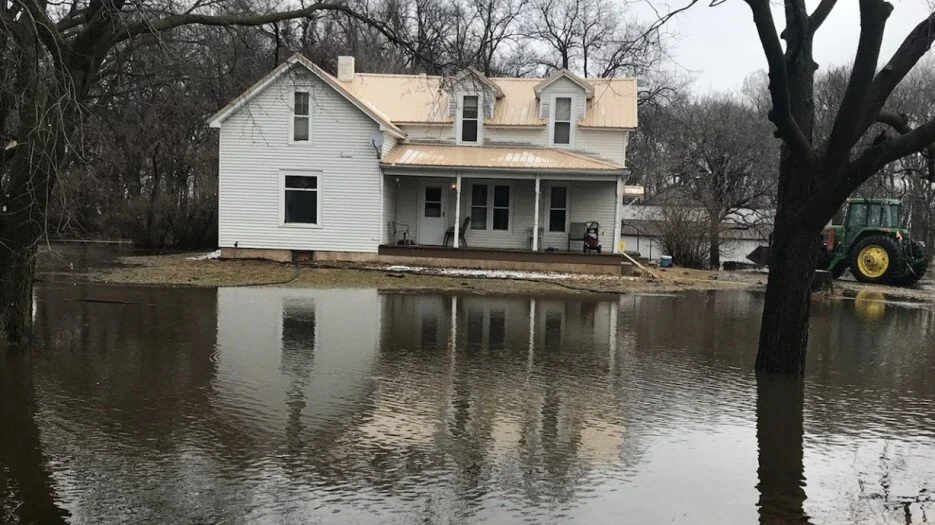
Hurricane Ida: Direct Agricultural Impacts and Larger Implications of Flooding
Hurricane Ida marked the fourth hurricane of the 2021 Atlantic season. Tied in Louisiana landfall intensity with the Last Island Hurricane of 1856 and 2020's Hurricane Laura , Ida touched down on Aug. 26 at 1 p.m. near Port Fourchon as a category 4 hurricane with sustained winds over 150 mph. The storm continued its trajectory on a northeast path toward New England, leaving behind a trail of flooding and severe wind damage. Ida not only threatened crop yields due to direct physical destruction and grain shipments due to port closures, the storm caused widespread infrastructure damage and power outages. Food crops exposed to but not destroyed by flood waters may face mandatory disposal or diversion per the Food and Drug Administration’s (FDA) flood-affected food crop guidance - reducing farm-level production and corresponding income opportunities.
Read More
Louisiana Grain Terminal Reopens After Hurricane Ida as Nicholas Rains Arrive
Another grain export terminal near Louisiana's Gulf Coast shuttered for two weeks by Hurricane Ida restarted operations this week even as heavy rains from Tropical Storm Nicholas battered the region on Tuesday.
Global grain trader Cargill Inc said it had reopened its Westwego, Louisiana, grain export terminal and on Monday unloaded its first grain barge since Ida came ashore on Aug. 29 and crippled shipments from the busiest U.S. grain export hub.
Cargill is the latest major grain trader to revive export operations after Ida devastated the region's power grid and damaged some of the nearly dozen grain terminals dotted along the Mississippi River from Baton Rouge to the Gulf of Mexico.
Read More