Beef Quality Assurance Program Helps Improve Herd Health and Assists Producers
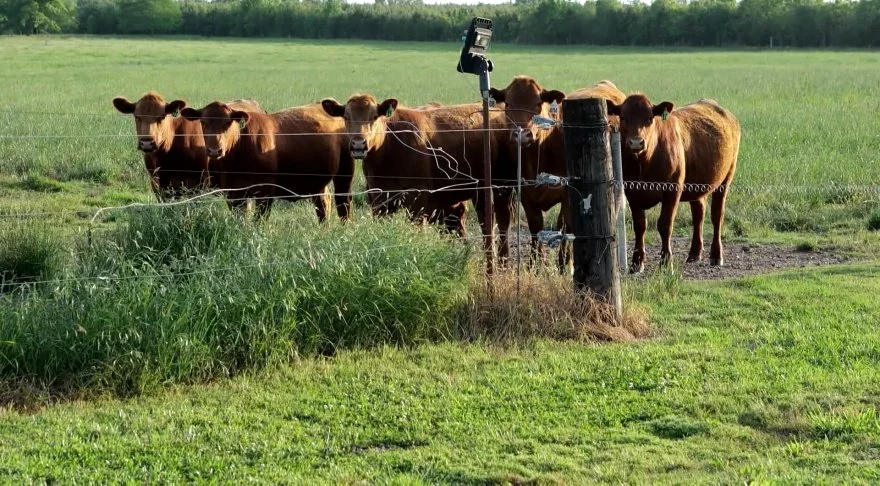
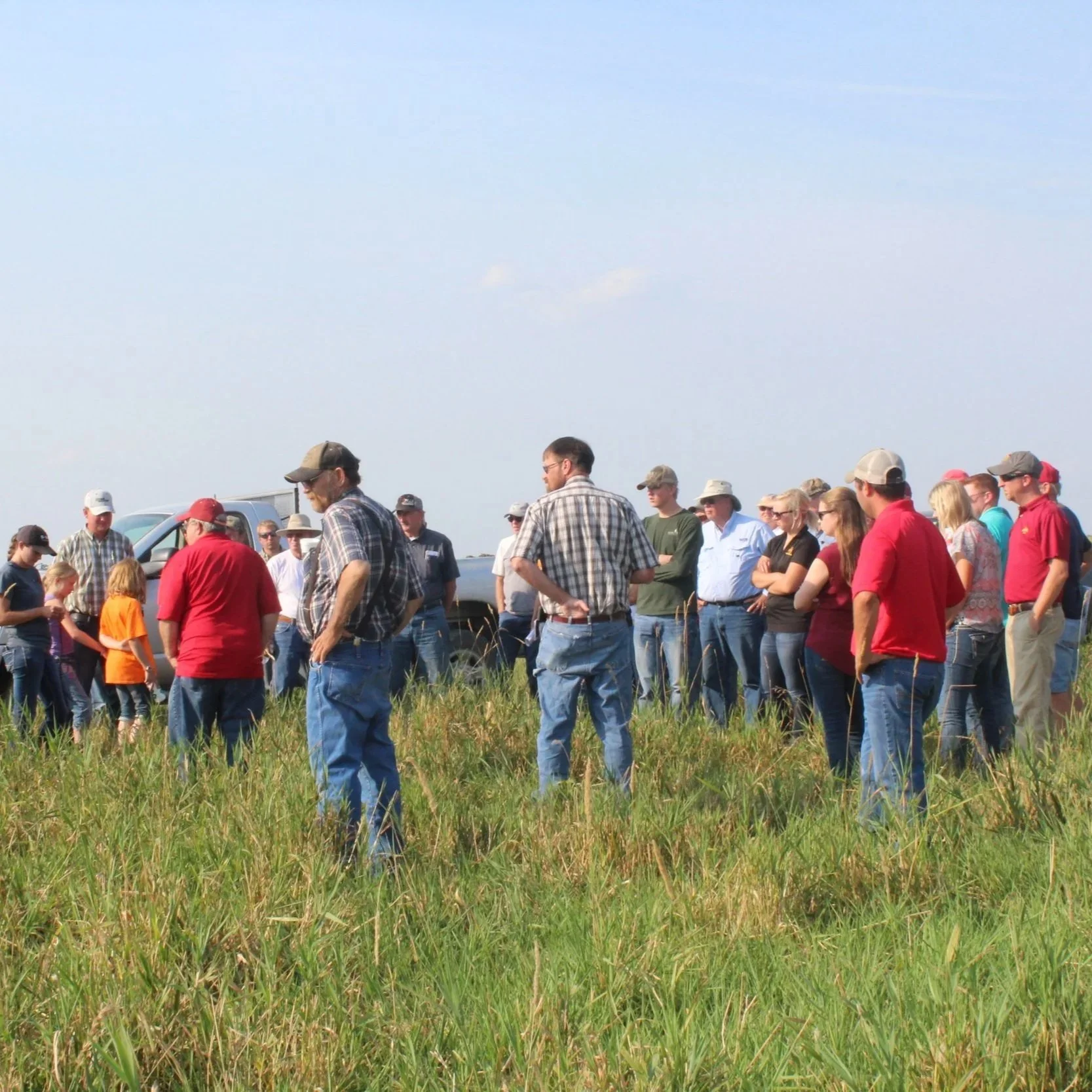
Maintaining herd health is one of the most important responsibilities of any rancher. As part of a Beef Quality Assurance certification, participants heard some of the latest trends regarding herd health. LSU AgCenter reporter Craig Gautreaux has the story from Evangeline Parish.
Read More
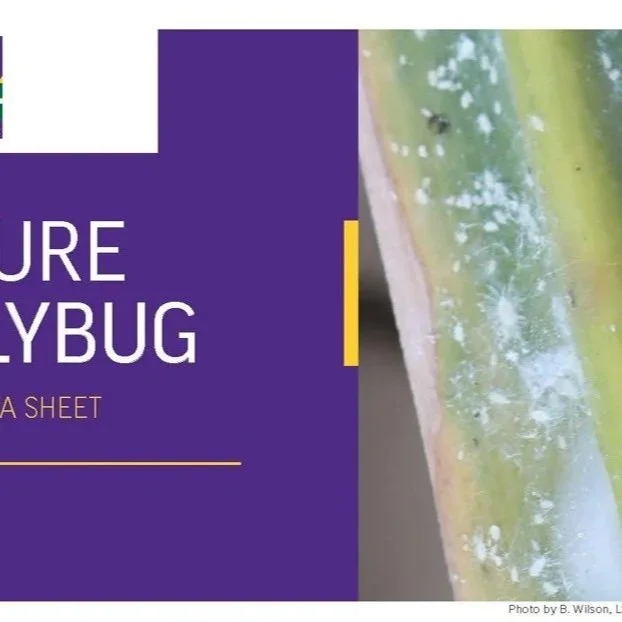
Pasture Mealybug Factsheet
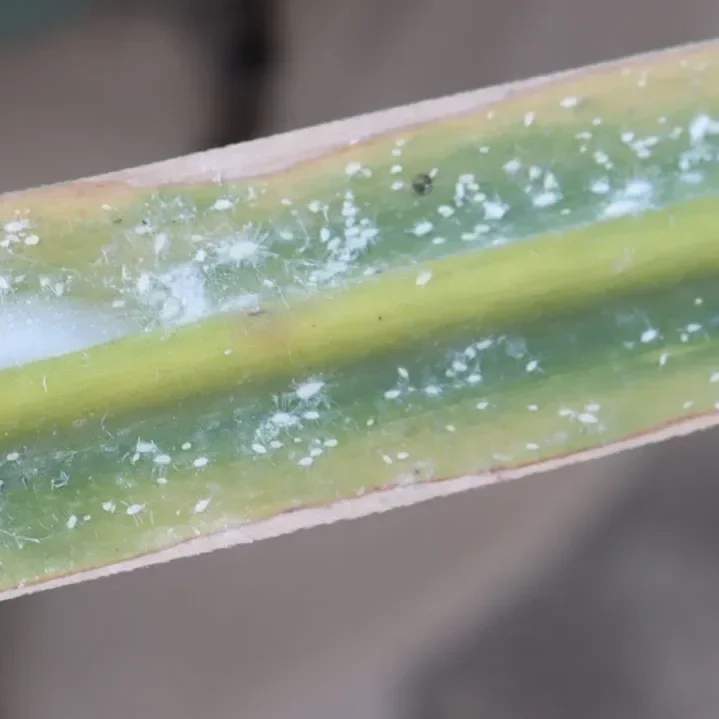
The pasture mealybug (Heliococcus summervillei) is an invasive insect pest associated with pasture dieback and damage to a range of grasses. In Louisiana, it was confirmed in 2025 from sugarcane fields in Vermilion and Iberia Parishes.
Read More
Louisiana Soybean Plantings Pick Up as Fertilizer Costs Shift Acreage Away from Corn
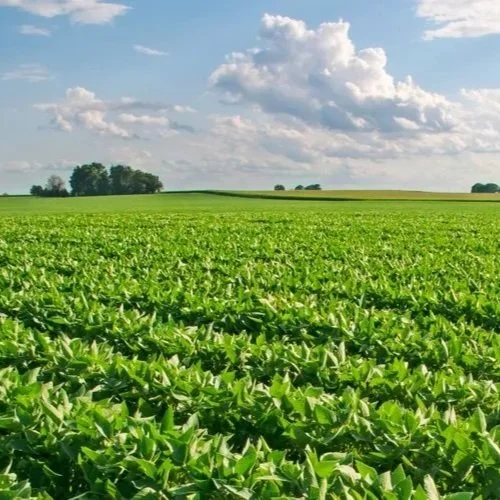
Louisiana soybean farmers are moving quickly to get this year’s crop planted during a key window for yield potential.
Read More
Terrebonne Parish 4-H'er Honored With Opportunity To Draw At National Portrait Gallery
Makayla Rhodes, a high school senior and 4-H member from Terrebonne Parish, made history last month as one of the first painters to be invited to the 4-H Spark Celebration at the National Portrait Gallery in Washington, D.C.
Read More
Louisiana Crops Newsletter - Volume 16, Issue 2 - April 2026
Louisiana farmers are facing a tough start to the 2026 season, with early pest pressure in cotton, emerging concerns like corn leafhopper, and significant crop damage from a mid-March freeze that forced widespread corn replanting—estimated at 60–70% of acres. Dry conditions and rising irrigation costs are adding pressure, while proper cover crop management remains important to limit pests. Despite setbacks, soybean acreage is expected to increase, and early signs show soybeans may recover from freeze damage if conditions improve.
Read More
2026 Insect Pest Survey Notes Early Redbanded Stink Bug Activity
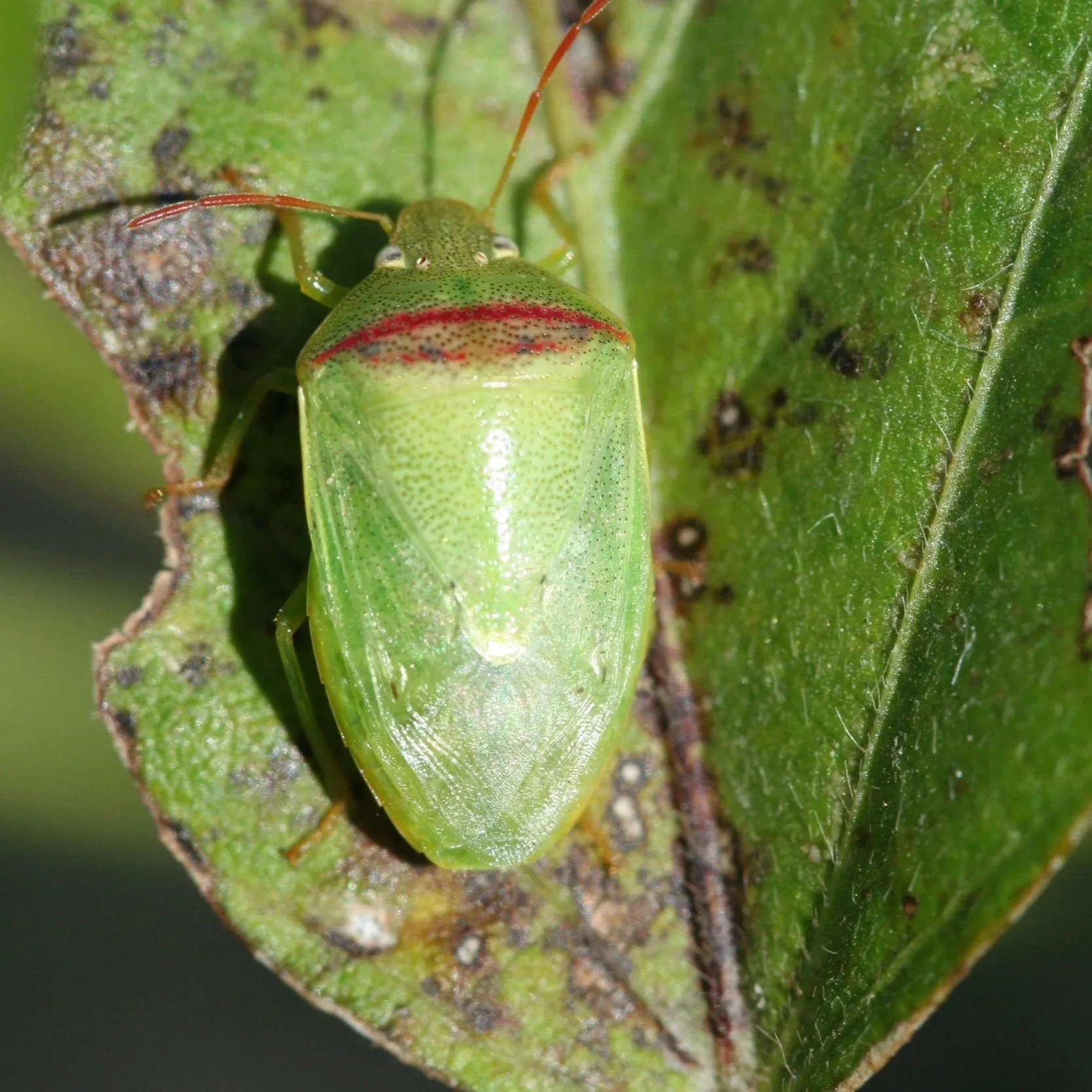
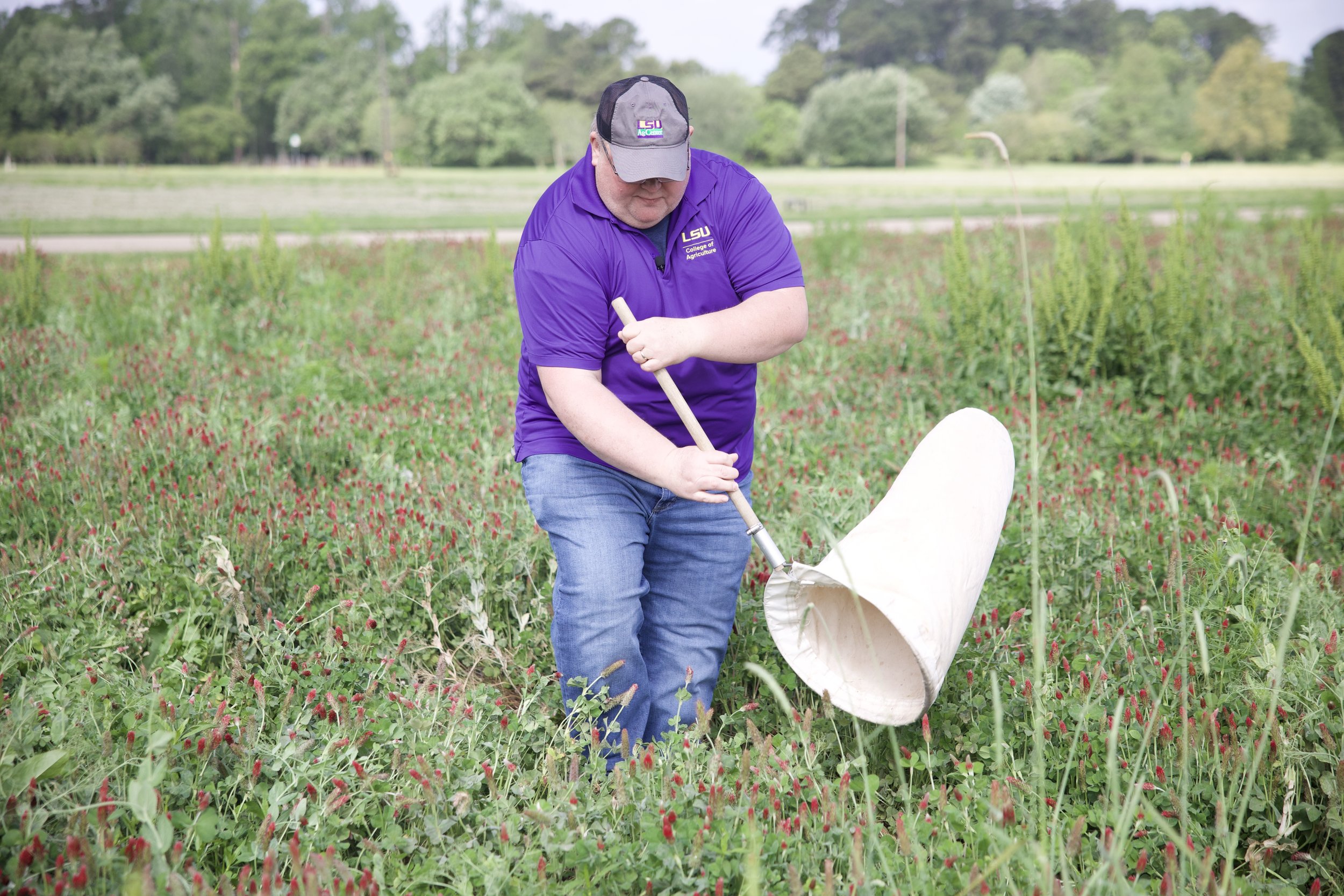
As spring conditions continue to favor insect activity, the LSU AgCenter Field Crop IPM Team conducted an insect pest survey in 15 parishes to document insect pests present in vegetation adjacent to row crop fields. Using sweepnet, we sampled multiple vegetation types (including rye, oats, clovers, hairy vetch, and mixed grasses) at 39 sites.
Read More
New Drone Remote Sensing Handbook Available Nation-Wide
The LSU AgCenter participates as a member of the S-1069 group (a national group to promote remote sensing with drones across the country) and we partly contributed to this handbook, so feel free to download.
Read More
Louisiana Crawfish Season Under Pressure as Labor and Pests Take a Toll
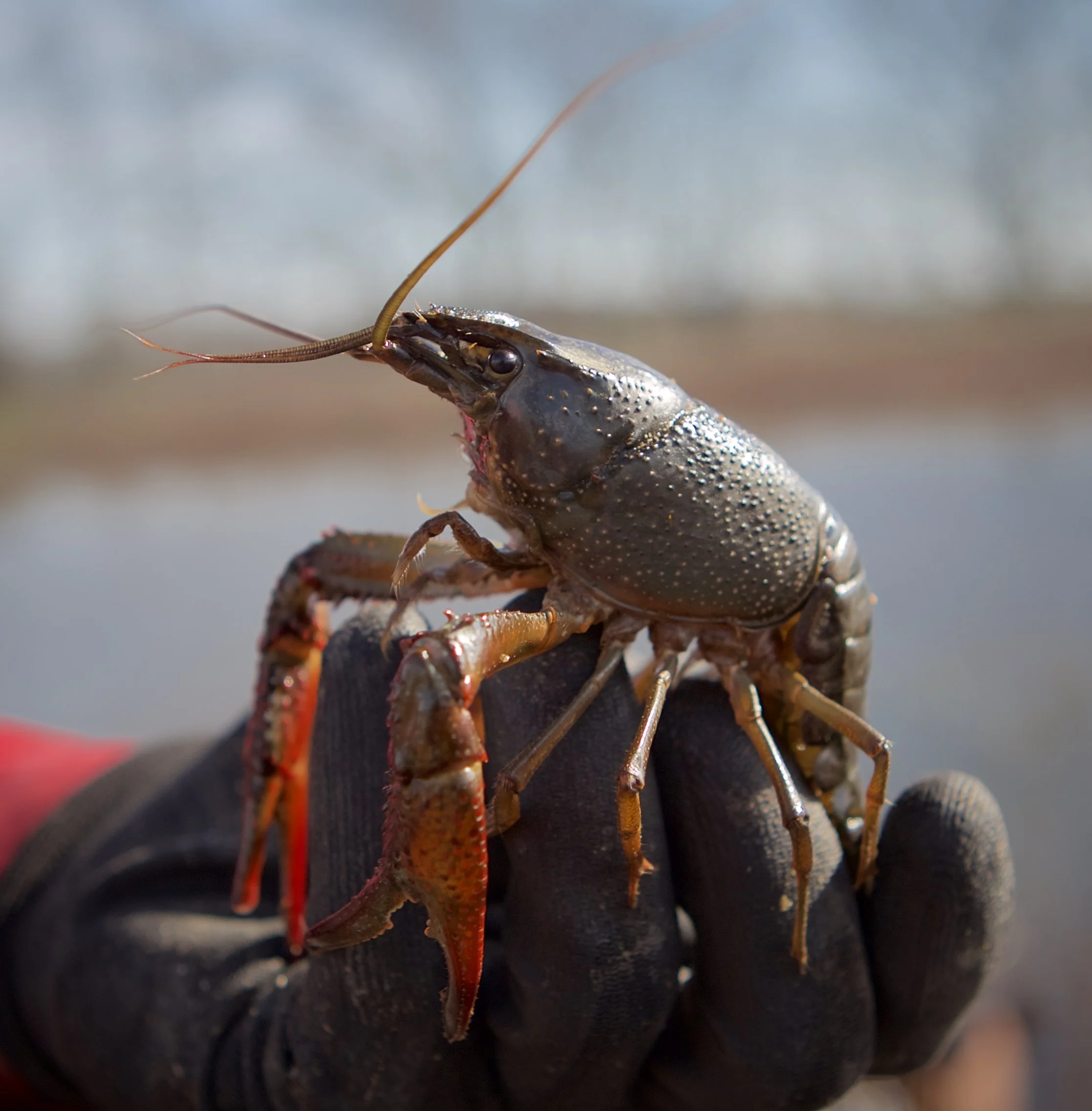
This year’s crawfish season is shaping up to be a mixed bag. Farmers are in the middle of peak harvest, but the catch so far has been average, with several challenges impacting production.
Read More
Pasture Mealybug Confirmed in Louisiana
Louisiana State University AgCenter researchers have confirmed the presence of a new invasive insect in Louisiana sugarcane fields. The pasture mealybug was detected in Vermilion and Iberia parishes late last year, raising concerns among growers, ranchers and researchers.
Read More
Avoiding Destructive Pests With Timely cover Crop Management
Cover crops are an important off-season tool for farmers looking to improve soil fertility, reduce erosion and manage nitrogen, all while creating an ecosystem for pollinators and other beneficial insects to thrive.
However, they can also be a “green bridge” for undesirable pests like the redbanded stinkbug.
Read More
Weather Brings Challenges For Wheat Growers
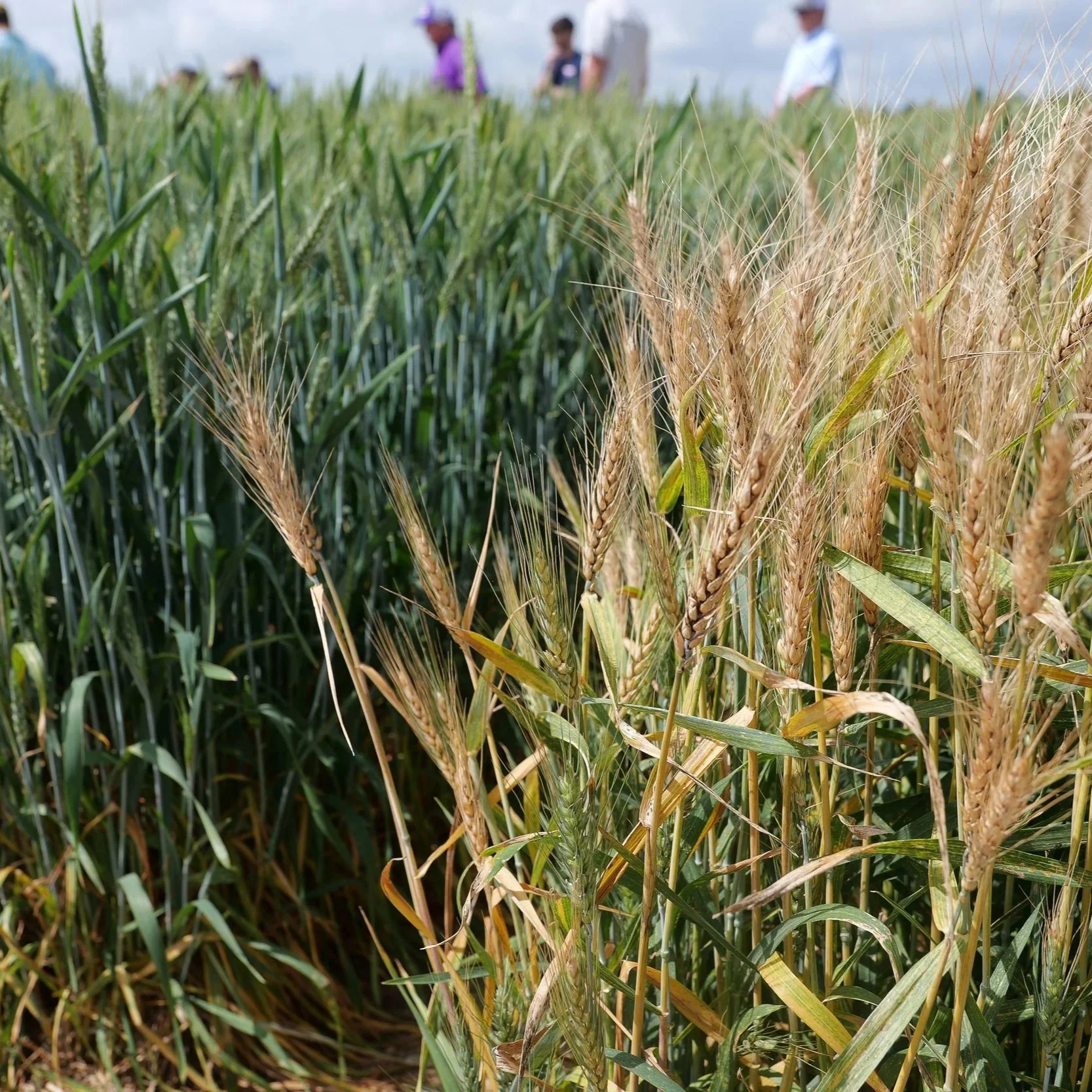
Between freeze damage, disease pressure and low commodity prices, wheat farmers in Louisiana are having a tough time in 2026.
“This year has not been very nice to us,” said Boyd Padgett, LSU AgCenter wheat specialist.
Read More
LSU Ag Center Looks to Help Louisiana Farmers With Research Studies
The LSU AgCenter Macon Ridge Research station holds land in Winnsboro with 7,000 plots to grow crops and do research studies on different strands.
Each year they hold a wheat, oat, and cover crop field day to showcase the studies they are doing, which all aim to serve farmers across Louisiana.
Read More
LSU AgCenter, USDA, NRCS Pasture Field Days May 19 & 27
Livestock producers are invited to attend the Pasture Monitoring and Management: Tools and Techniques for Healthier Pastures Field Day hosted by the LSU AgCenter in partnership with USDA NRCS. This hands-on field day will focus on practical tools producers can use to evaluate pasture health, improve management decisions, and increase grazing efficiency.
Read More
Crop Market Report - April 2026
This report contains the latest supply and use estiamtes for the corn, soybean, rice, and cotton markets.
Read More
Birds Of A Feather? Turkey Disease Research Expands To Include Quail
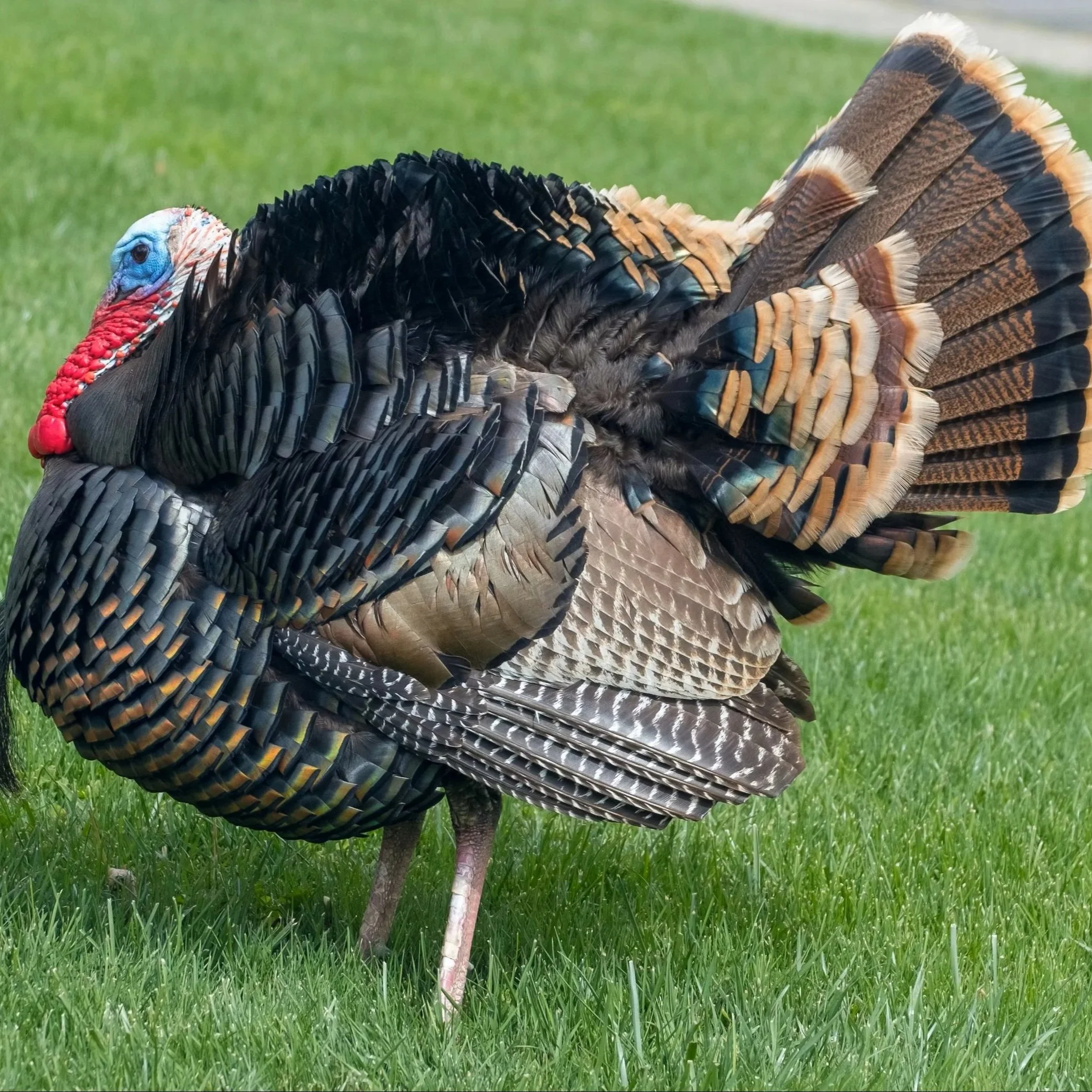
With Louisiana’s quail hunting season lasting from late November to the end of February, we’re still the better part of a year away from this year’s start. But LSU AgCenter researchers are studying declining populations by testing for a disease first discovered in another bird associated with late November: turkeys.
Read More