The LSU AgCenter is hosting a hands-on and interactive event to teach children and their families about agriculture in Louisiana.
Read More
The LSU AgCenter is hosting a hands-on and interactive event to teach children and their families about agriculture in Louisiana.
Read MoreLater this year, Michael Roe, a professor of entomology at North Carolina State University, will be inducted into the National Academy of Inventors. His insect biology research has led to 16 U.S. patents, four foreign patents and multiple new companies.
Read MoreThe bacteria that is responsible for nitrogen fixation in soybean is Bradyrhizobium japonicum. If a field has never been planted to soybean, it is likely the seed will need to be inoculated. The bacteria can survive many years until the next soybean crop, but the common recommendation is to inoculate seed if soybean has not been planted for 3 to 5 years. However, research has indicated that an increase in yield is possible if seed is inoculated in a regular soybean rotation.
Read MoreOptimum soybean planting windows differ among the Northeast, Central, and Southwest regions of Louisiana
Optimum soybean planting windows differ among the Northeast, Central, and Southwest regions of Louisiana
Depending on maturity group, the planting window to achieve at least 95% of yield potential in the Central region ranged from March 21 through May 16, with predicted peak yield dates occurring between April 12 and May 1.
Read MoreIn Europe, triticale — a hybrid of wheat and rye — is prized as a high-yielding, resilient crop that can be used for livestock feed and bioenergy production. Although less common in the U.S., triticale has been embraced by some as a winter cover crop, and LSU AgCenter breeders are hoping to soon release a variety that is ideal for Louisiana farmers.
Read MoreThe LSU AgCenter’s annual educational event, AgMagic, is returning to Baton Rouge and the Greater New Orleans area this spring. The interactive program teaches visitors about Louisiana agriculture with hands-on exhibits and activities
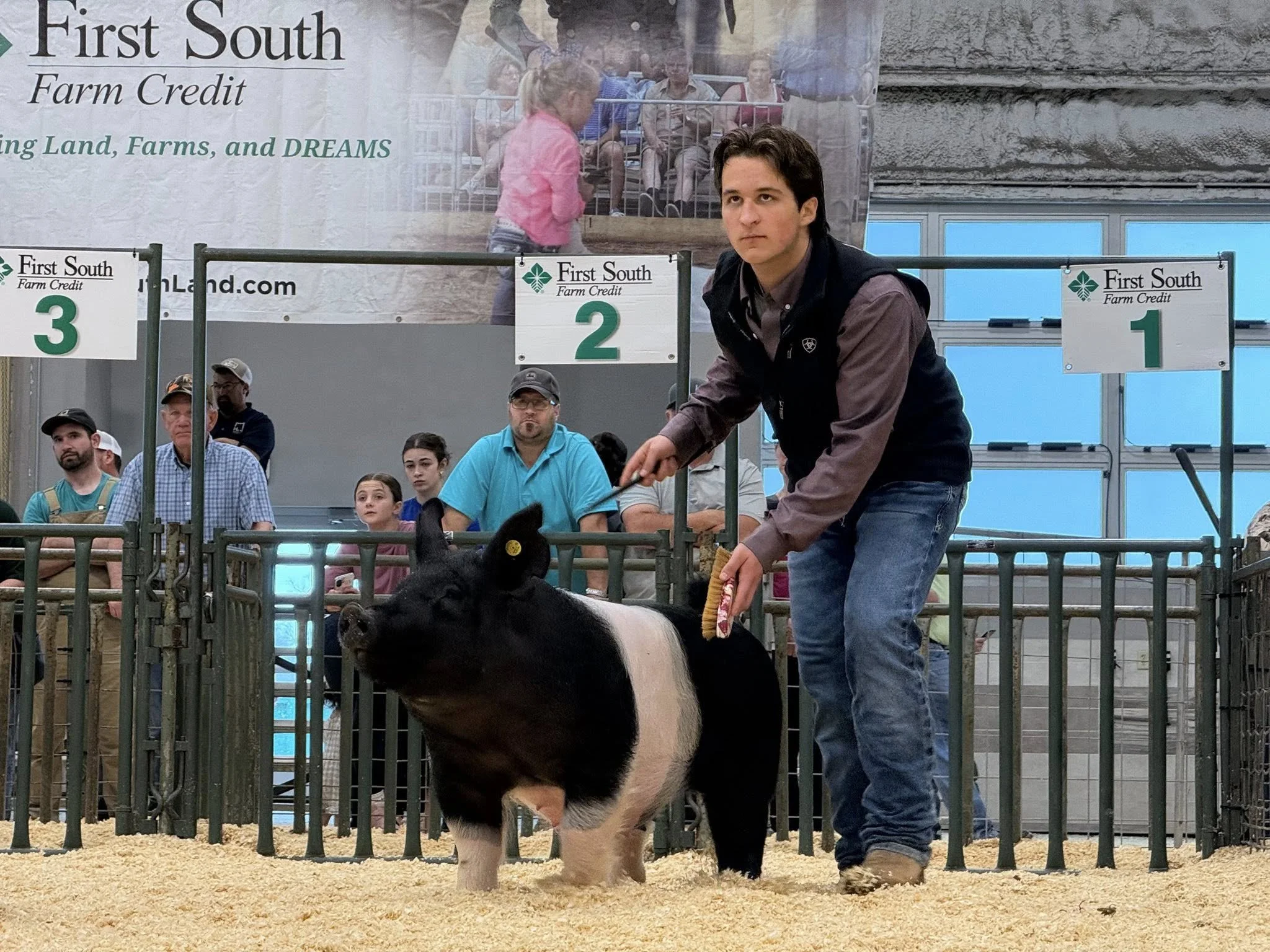
Read MoreThe show ring is packed with students putting their best foot forward for showmanship. When Jesse Daigle steps onto the dirt, he has his game face on.
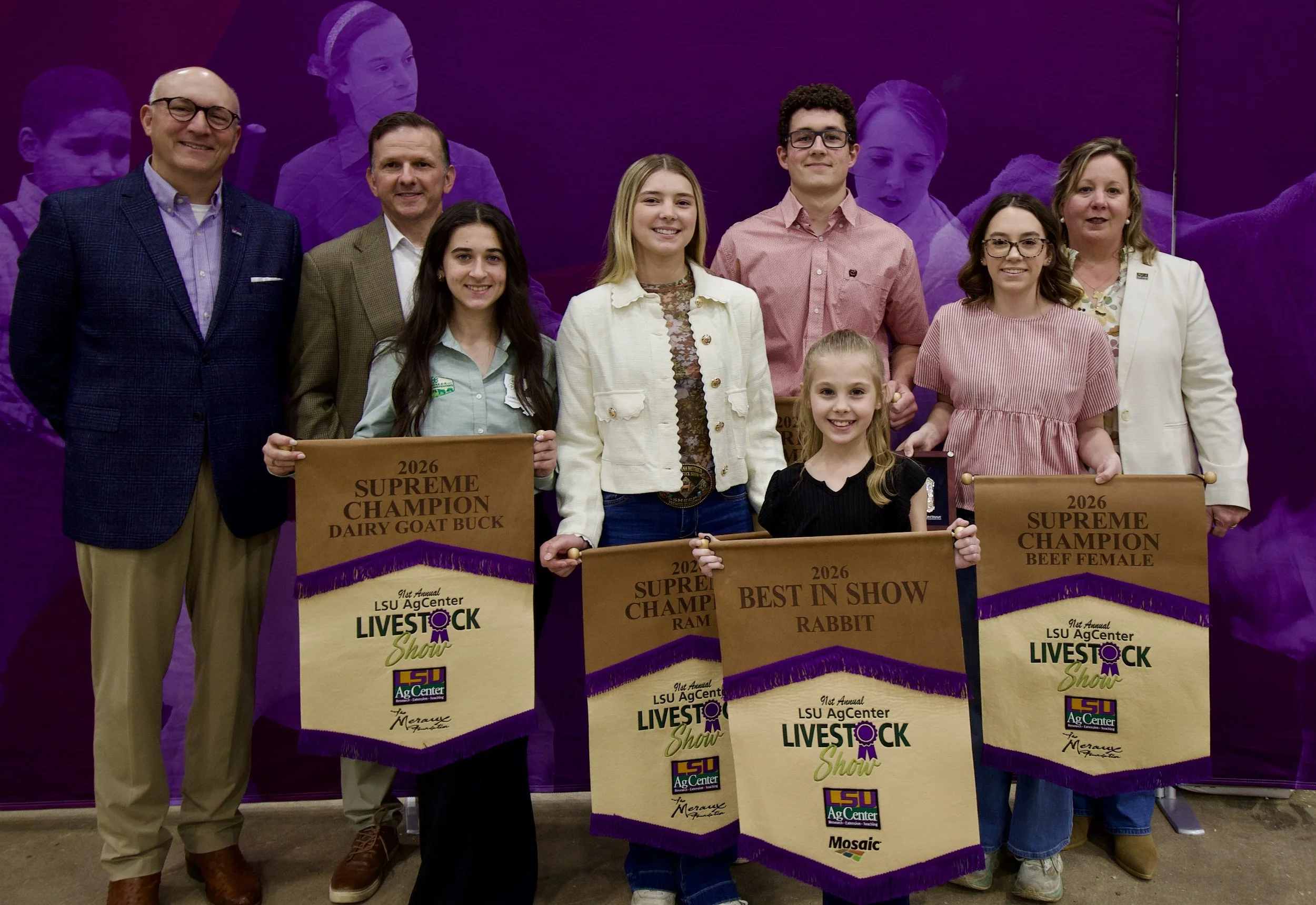
Read MoreLouisiana 4-H and FFA livestock competitors from Homer to Houma and all points between came together to participate in the 91st annual LSU AgCenter Livestock Show from Feb. 14 to 21 at the Lamar-Dixon Expo Center in Gonzales.
Read MoreA forester, a former LSU AgCenter administrator with an entomological background and an advocate for Louisiana’s sugarcane industry were inducted into the Louisiana Agriculture Hall of Distinction. The induction took place at the L’Auberge Hotel in Baton Rouge Feb. 26.
Read MoreAviation and agriculture have shared a long history. From aerial seeding to crop dusting, airplanes have long played a role in modern farming. Now, new research underway at Louisiana State University could allow agriculture to return the favor—helping power the aviation industry itself.
Read MoreNew dicamba labels for use in DT cotton and soybean included a reduction in the maximum annual use rate. This reduction applies to all sources of dicamba when using or intending to use Engenia, Stryax, or Tavium. Therefore, if you intend to apply Engenia, Stryax, or Tavium in DT cotton or soybean, you need to take into consideration other sources of dicamba such as burndown applications, cover crop termination, or applications in rotational crops made or intended to be made in the same year.
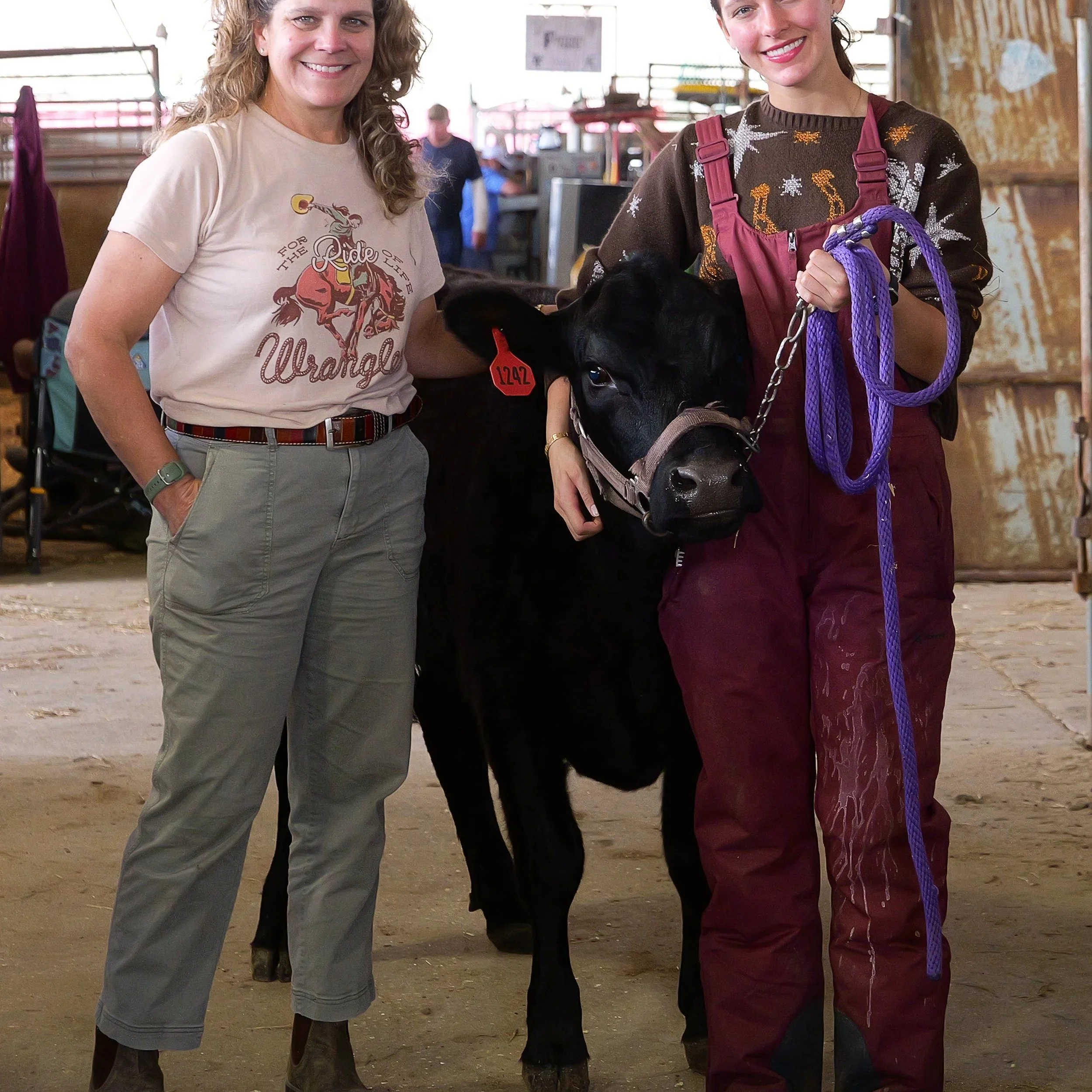
Read MoreThérèse Harris delights in getting to know the unique personalities of the animals she raises on her family’s farm in Breaux Bridge.
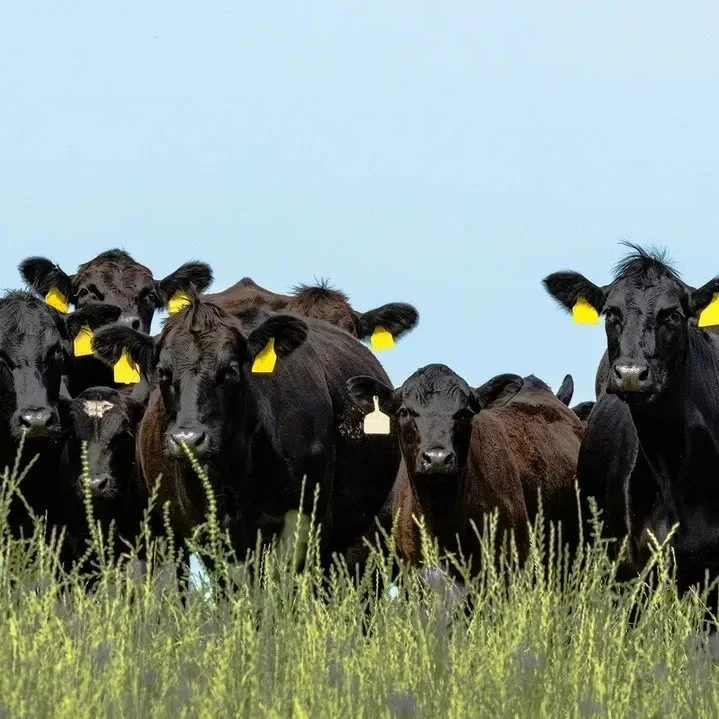
Some cattle — like Juanita, the sleek black heifer Harris brought to this year’s LSU AgCenter Livestock Show — are pretty easy to get along with. Others, not so much.
Read MoreWet conditions that favor parasites like liver flukes are a reminder that herd health threats often develop quietly before becoming costly problems.
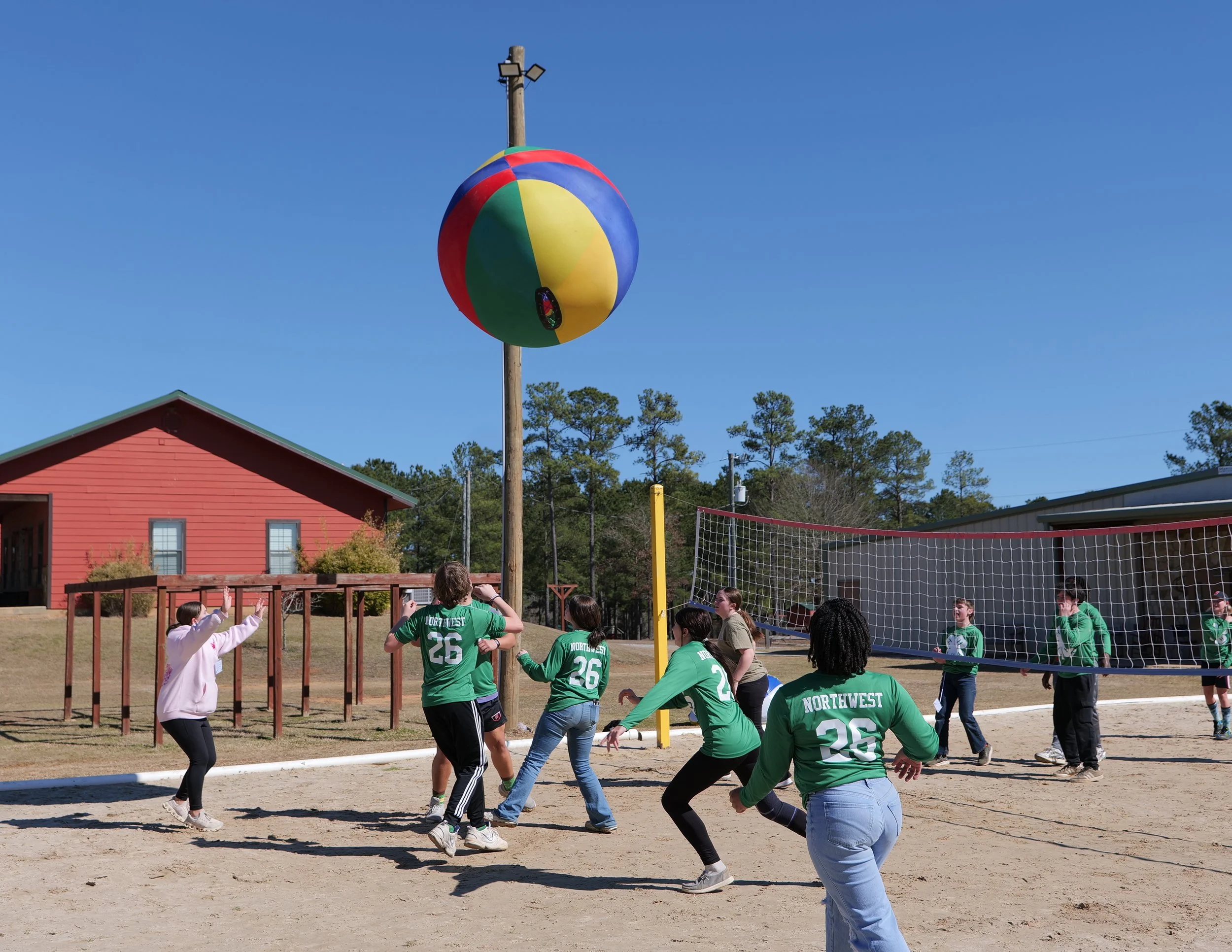
Read MoreFor the middle schoolers at the Northwest Region 4-H Challenge Camp last week, teaming up to play cornhole, kickball and giant volleyball wasn’t just fun and games.
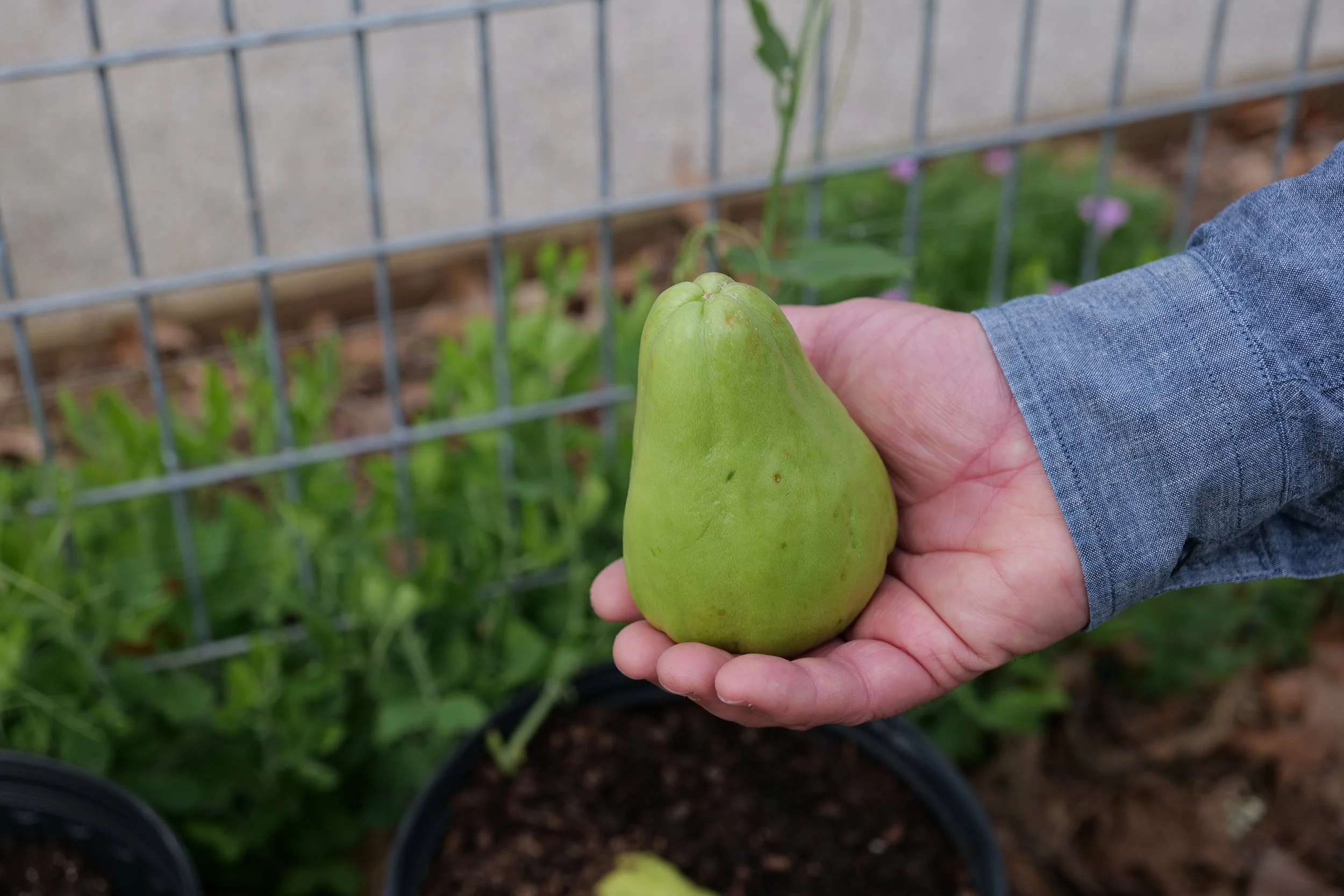
Read MoreLike a lot of people who grew up in Louisiana, LSU AgCenter horticulturist Jason Stagg has fond memories of eating casseroles and other dishes his mother prepared using mirlitons — a unique squash that has been grown in the state for generations.
Read More