USDA Takes a Comprehensive Approach to Feral Hog Challenge
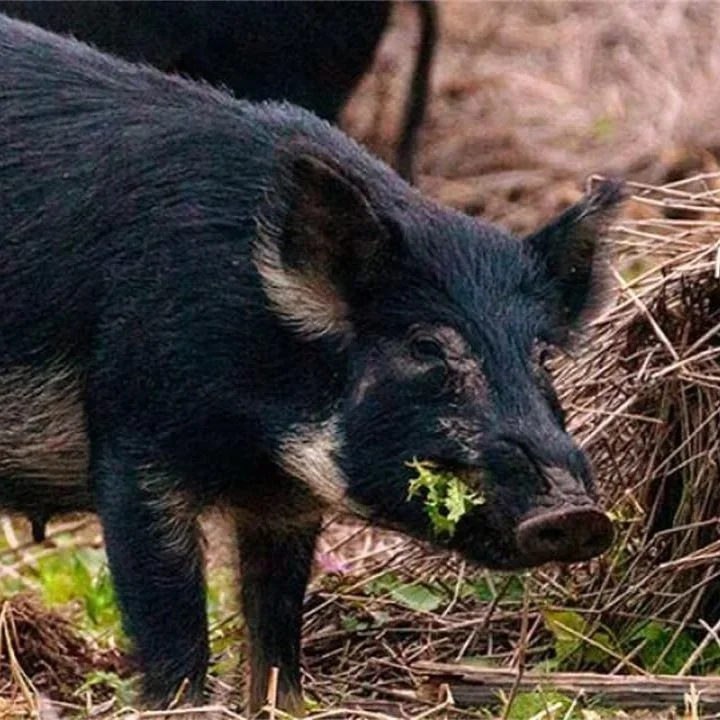
Over the past decade, the feral swine population has continued to grow across various regions of the United States, and with that comes an increase in damage.
“Their ability to root, trample, destroy natural environment and crops in native species makes them really problematic across the United States where they have successfully invaded an established population,” says Dana Cole, coordinator of the National Feral Swine Damage Management Program for the USDA Animal and Plant Health Inspection Service.
Read More
Growing More Than Cane: The Sotile Family’s Fight to Keep Farming Alive
In the sugarcane fields where the fertile soil meets the steel skyline of industry, Frankie and Mallory Sotile are holding on to a crop and a way of life.
Read More
USDA Rule Expands Payment Limits Across Farm Structures
USDA’s new payment limitation rule gives eligible LLCs and S corporations access to multiple program payment limits beginning with the 2026 program year, reducing a longstanding disadvantage compared with general partnerships and joint ventures.
Read More
Mexico Resumes Limited Cattle Exports to US After Screwworm Pause, Relieving Ranchers
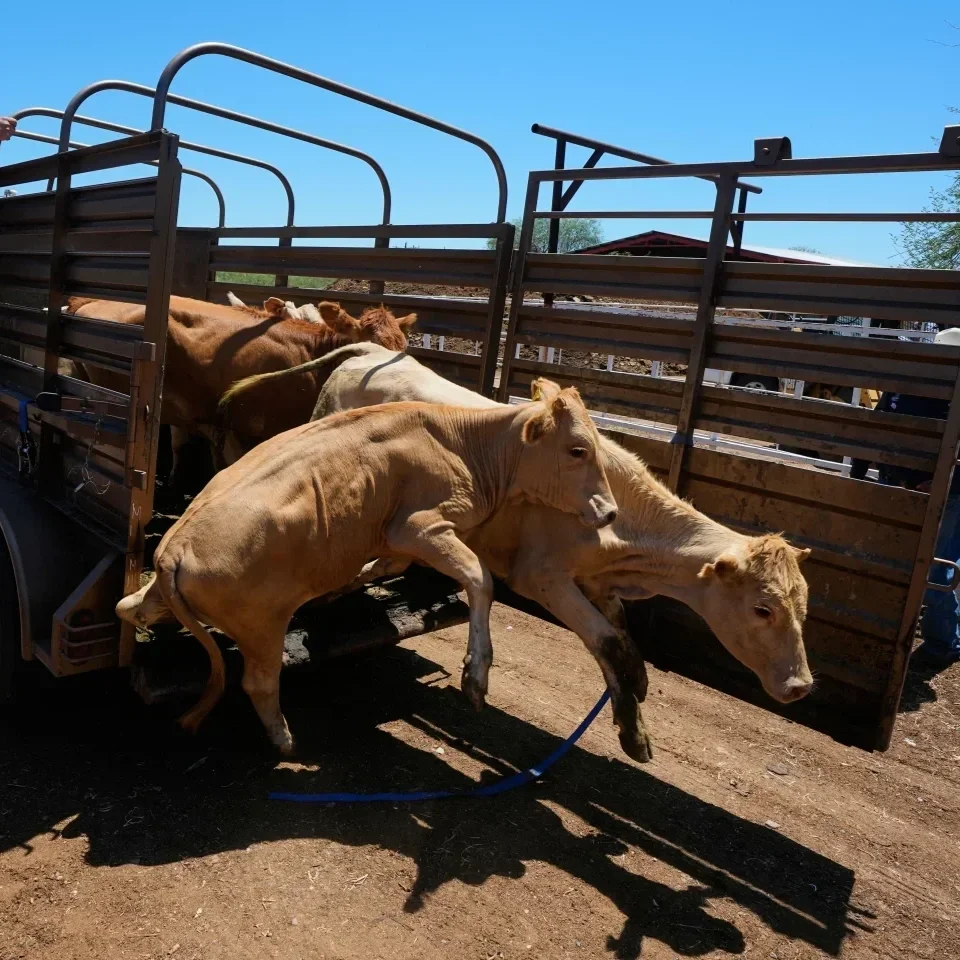
Mexico resumed live cattle exports to the United States on Monday after they were halted for nearly two years by restrictions imposed by the Trump administration following a screwworm outbreak.
Even under strict limitations, the reopening of the trade channel brought relief to Mexico’s ranching industry, which was dealt an economic blow by the controls. The flesh-eating worm is now present on both sides of the border.
Read More
Louisiana Weekly Climate Summary: August 12-18, 2026
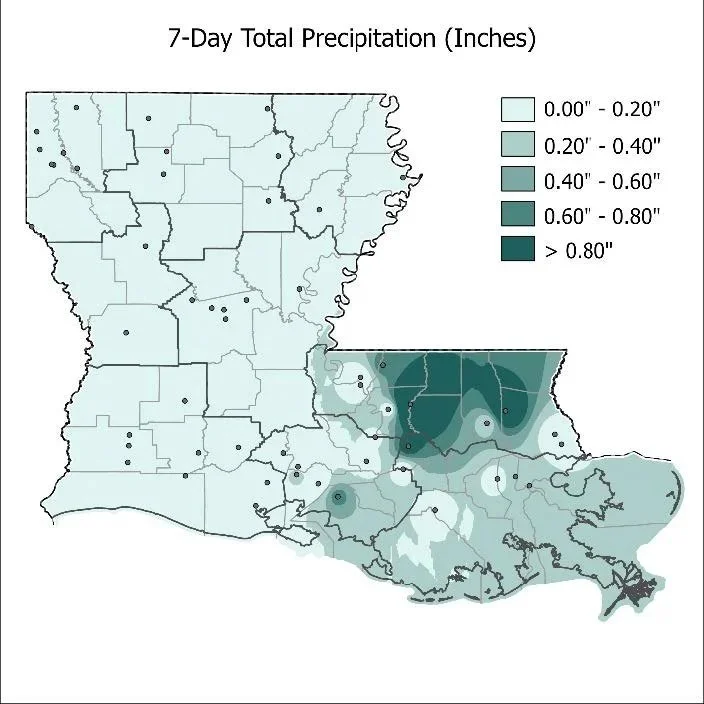
Rainfall was limited during the 7-day run as high pressure was in control; only portions of southeastern Louisiana received any appreciable amounts, many locations recorded no rain.
Outside of a couple of isolated locations, rainfall was significantly below-normal across the state, continuing the pattern of recent weeks.
Read More
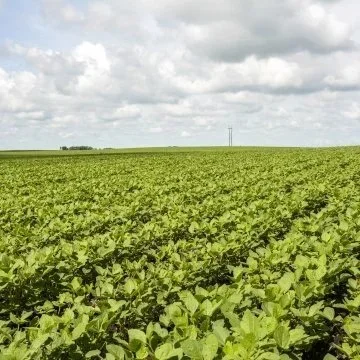
Late-Season Soybean Management: Protecting Seed Size and Preparing for Harvest
Best management decisions during the final weeks of the season can have a significant impact on yield and profitability.
Read More
Mississippi River Corn Exports Surge Above Recent Averages
Corn exports through Mississippi River terminals surged during the week ending August 13, with 1.1 million metric tons inspected for shipment. That was 176% above the prior three-year average and the third-highest weekly total from the river this year.
Read More
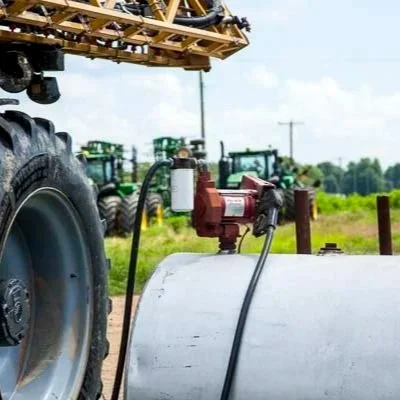
Diesel Prices Soar Ahead of US Harvest Season
Axios' Ben Geman reported that "diesel prices are soaring just as the energy-thirsty peak of harvest season looms for many of the country's largest crops. It's a double whammy for farmers, with the Iran war also causing much higher fertilizer costs that hit months ago.
Read More
USDA Announces No Actions Under Feedstock Flexibility Program
The U.S. Department of Agriculture (USDA) Commodity Credit Corporation (CCC) announced today that it does not expect to purchase and sell sugar under the Feedstock Flexibility Program for crop year 2026, which runs from Oct. 1, 2026, to Sept. 30, 2027.
Read More
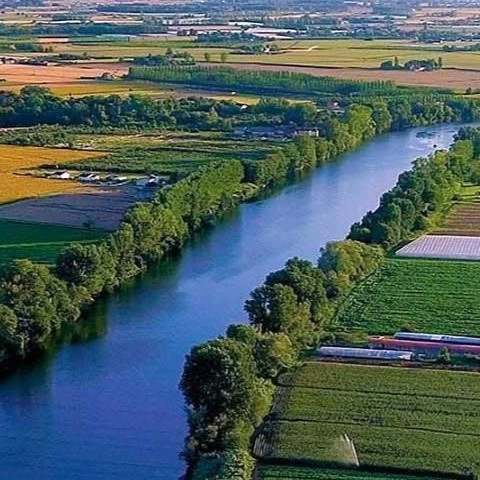
From Field to Stream: How Farmers and Ranchers Are Protecting Water Quality
August is National Water Quality Month, celebrating one of earth’s most vital resources: clean water. Across America, farmers and ranchers are working with the USDA’s Natural Resources Conservation Service to protect the water that connects our country’s farms, families, and communities.
Read More
Delta Rancher Newsletter: August 2026
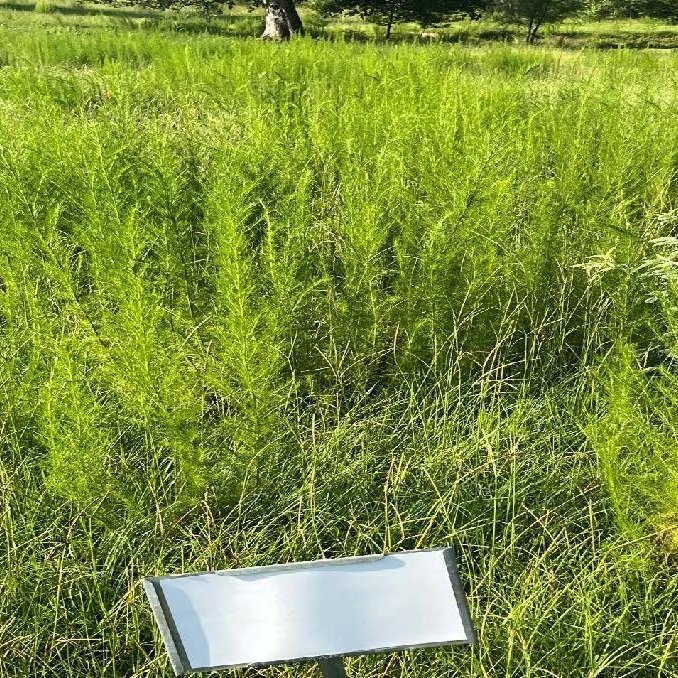
Dogfennel is a commonly occurring weed in the southeast that if left uncontrolled can negatively impact forage production. Dogfennel is an aggressively growing native perennial that reproduces by windborne seeds as well as large amounts of rootstocks. Identification of this weed is quite easy. Dogfennel has an upright growth pattern with thin wispy leaves that have a distinct odor if crushed. The main stem of the plant typically does not branch and can have a mature height of 8 feet. Dogfennel typically thrives in areas with poor soil fertility as well as areas that are not intensively managed.
Read More
Dylan and Shelby Laster: Farming with Purpose, Passion and Pride
Dylan and Shelby Laster’s farm in Marion is a place where tradition meets innovation, where technology works hand-in-hand with hard work, and where family roots run deep. As finalists for the Louisiana Farm Bureau’s Young Farmers and Ranchers Achievement Award, the Lasters are not just raising chickens and cattle — they’re raising a future.
Read More
USDA Announces $2M to Help U.S. Tree Nut Producers Overcome Barriers to Overseas Trade
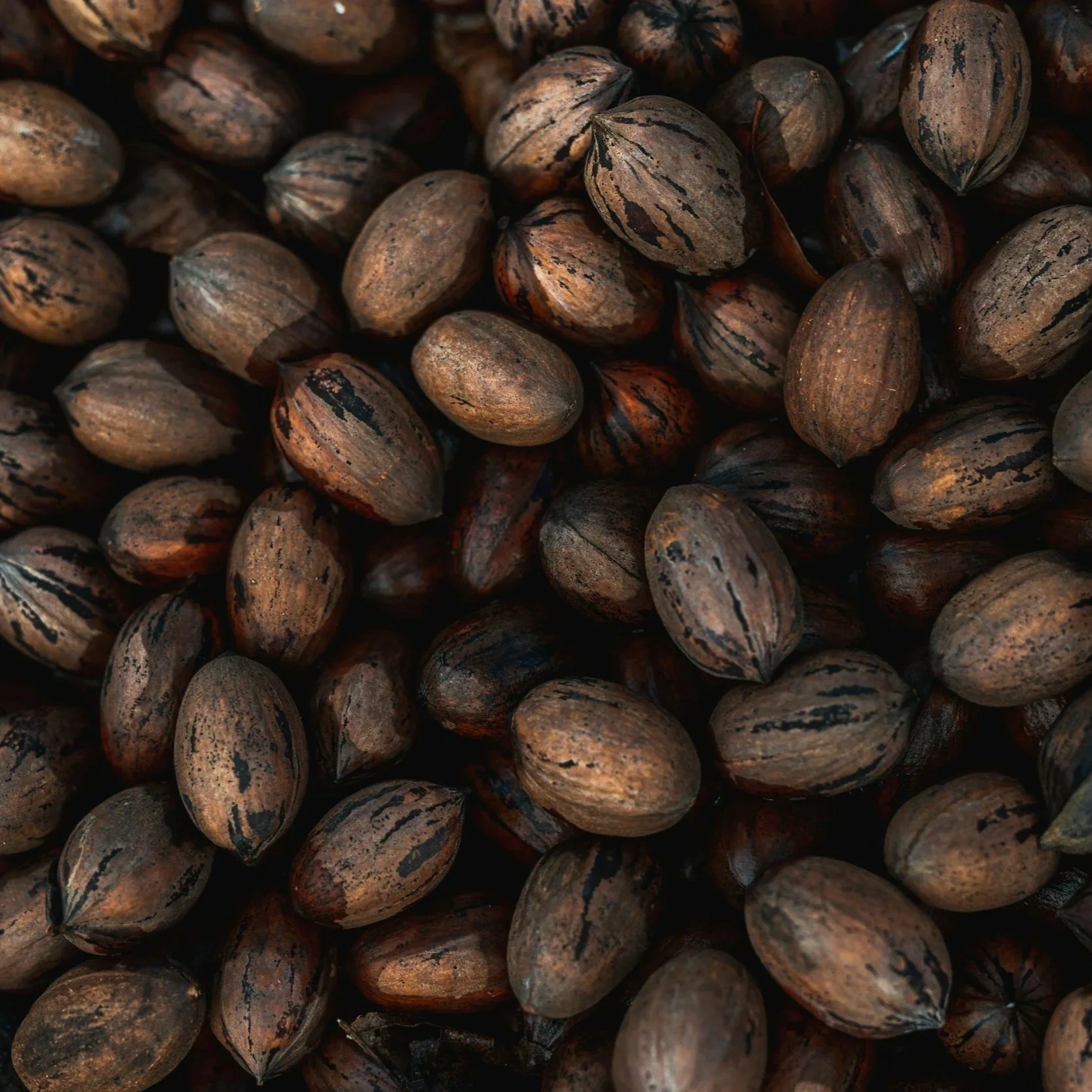
The U.S. Department of Agriculture’s Foreign Agricultural Service (FAS) announced a $2 million project to support the development of cost-effective tools that help tree nut handlers control pests and maintain product quality while crops are in storage after harvest.
Funded under the Assisting Specialty Crop Exports (ASCE) Initiative, this opportunity is part of a broader ASCE suite of investments for specialty crop producers, which include fruits, vegetables, pulses, potatoes and tree nuts.
Read More
Dr. Paul Coreil to Deliver 2026 Seaman Knapp Memorial Lecture
USDA’s National Institute of Food and Agriculture (NIFA) Director Dr. Jaye Hamby has announced that Dr. Paul Coreil, retired chancellor for the Louisiana State University of Alexandria, will deliver the 2026 Seaman Knapp Memorial Lecture Sunday, Nov. 15 at the Association of Public and Land-grant Universities (APLU) annual meeting in San Antonio, TX.
The lecture is one of three rotating lectures presented by NIFA and APLU that honor three historic Land-grant University figures: William Henry Hatch, Seaman A. Knapp and Justin Smith Morrill.
Read More
USMCA Negotiations Must Resume
American Farm Bureau President Zippy Duvall commented today on the breakdown of trade talks between the United States and Canada, and the imposition of additional damaging tariffs.
“Canada has been one of the most important trading partners for U.S. agriculture since our first free trade agreement in 1989.“
Read More