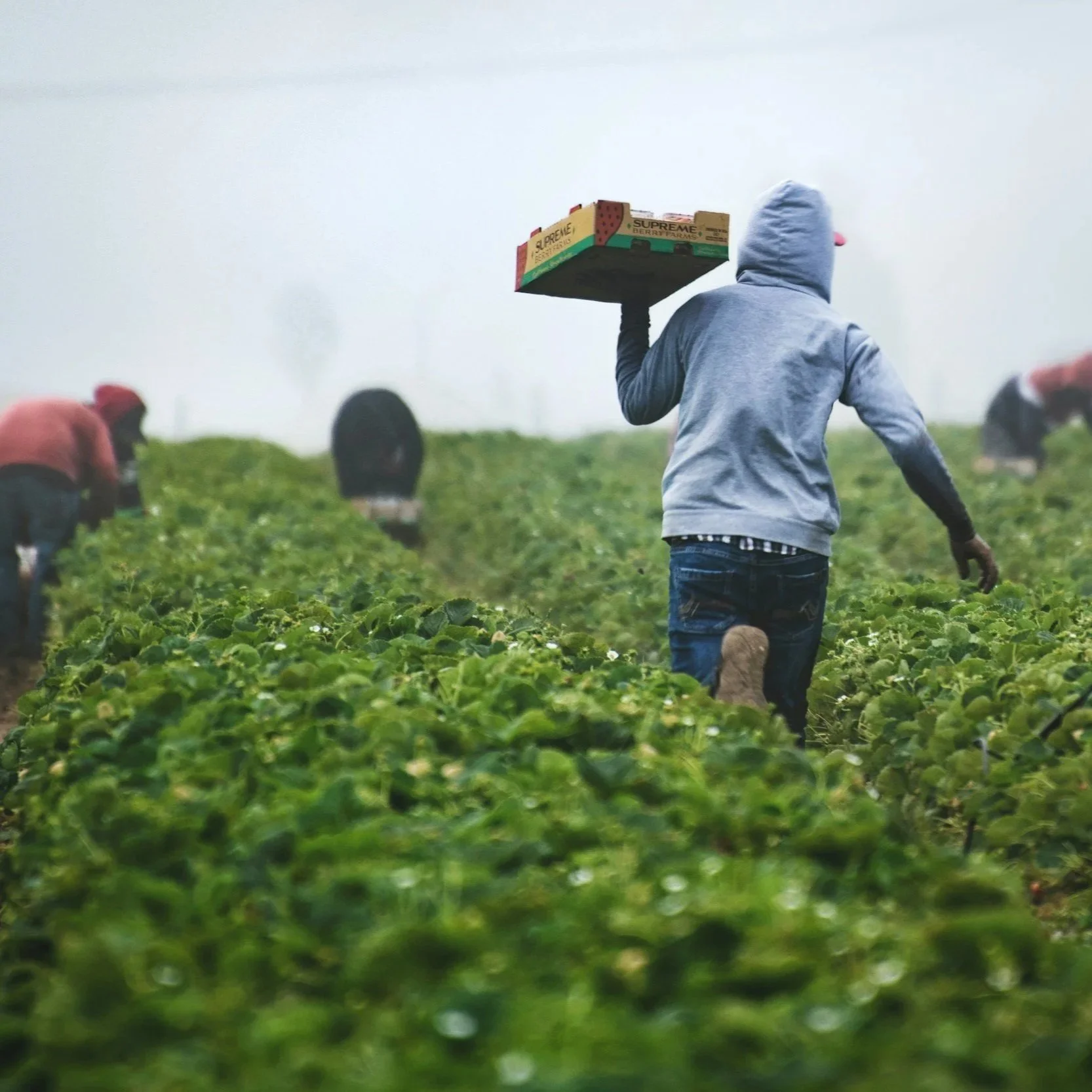
US Soybean Farmers Race to Meet Global Demand as Farmland Shrinks
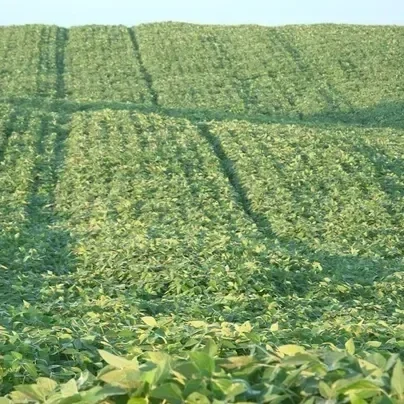
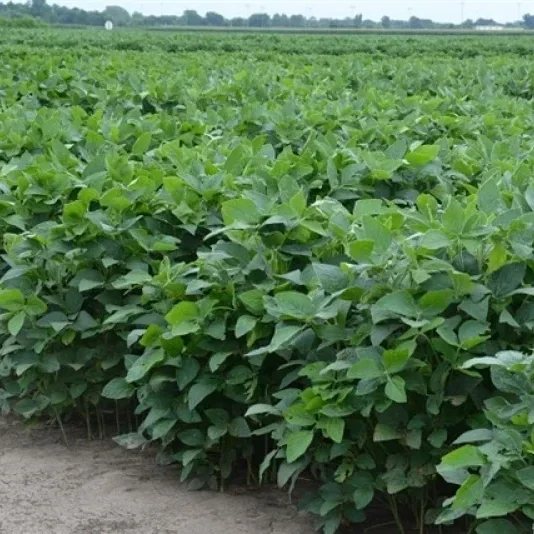
The U.S. soybean industry is working to meet growing global demand despite operating with less farmland and fewer farms. According to the Department of Agriculture, the U.S. had about 943 million acres of farmland in 2000. That figure has since fallen about 7% to 874 million acres. The USDA also reported that the country lost approximately 307,000 farms over the same period.
Read More
Flexibility Meets Firepower in New Soybean Herbicide
Corteva is expanding its soybean herbicide lineup with the introduction of Enclosa herbicide, a new premix designed to give growers another option for residual weed control and resistance management. The product has received U.S. Environmental Protection Agency (EPA) approval and is now moving through state registrations, with commercial sales expected later this year for the 2027 growing season.
Read More
The Nitrogen Paradox: Why Fertilizer Prices Remain High Despite Lower Natural Gas Costs
Fertilizer costs remain a major concern for producers as they plan for the next growing season, but a disconnect between natural gas production and prices compared with nitrogen fertilizer costs continues to raise questions across agriculture.
Read More
Farm Bureau Encourages Senate Passage of Reconciliation Package Including Economic Aid
Following the U.S. House of Representative’s approval of a budget resolution that includes $12 billion in much-needed economic aid for farmers and ranchers, American Farm Bureau Federation President Zippy Duvall sent a letter today to Senate leadership encouraging the chamber to advance the budget resolution.
Read More
A Farm’s Next Crop: Gerard Frey Opens the Door for a New Generation
At his grandfather’s retirement barbecue, Garrett Cormier wasn’t playing with the other children. Instead, he sat alone on a picnic table, worried the farm life he loved might be ending.
Read More
Agri-Pulse Names Tammi Arender Newsmaker Anchor and Broadcaster
Agri-Pulse is pleased to announce the appointment of Tammi Arender as Newsmakers anchor and broadcaster, effective Aug. 4. Arender will serve as anchor of the weekly Agri-Pulse Newsmakers program and lead Agri-Pulse's video content strategy and reporting, including coverage from agricultural events across the country.
Read More
American Sugar Producers Push for Fair Trade as Consumer Habits Shift
U.S. sugar demand remains firm, but wider use of GLP-1 weight-loss medications and growing health concerns could weaken the market over time. CoBank food and beverage economist Billy Roberts says producers should focus less on current stability and more on how consumption patterns may shift.
Read More
USDA Clarifies Wetland Determinations to Provide Certainty to Farmers
The U.S. Department of Agriculture (USDA) is putting farmers first and supporting government accountability by providing clear guidance around wetland determinations, which helps inform agricultural producers’ decisions for their operations. USDA’s Natural Resources Conservation Service (NRCS) published an interim final rule that ensures most determinations made since 1990 are considered certified, and producers can rely on the determinations to work farmland.
Read More
Chairman Boozman Releases Updated Farm Bill 2.0 Text
On Friday, Senate Agriculture Committee Chairman John Boozman (R-AR) released revised legislative text and announced the Agricultural Act of 2026 would come before the committee on Thursday, August 6, 2026, at 9:30 AM ET. The updated bill includes new language authorizing year-round sales of E15 and postponing by a year the implementation of a requirement for states to share the cost of providing SNAP benefits.
Read More
USDA Announces August 2026 Lending Rates For Agricultural Producers
The U.S. Department of Agriculture (USDA) announced loan interest rates for August 2026, which are effective August 1, 2026. USDA Farm Service Agency (FSA) loans provide important access to capital to help agricultural producers start or expand their farming operation, purchase equipment and storage structures or meet cash flow needs.
Read More
USDA Launches Initiative To Recruit Veterans, Transitioning Service Members, And Military Spouses
U.S. Secretary of Agriculture Brooke L. Rollins announced a new U.S. Department of Agriculture (USDA) initiative to recruit veterans, transitioning service members, and military spouses into mission-critical careers that protect America’s food supply, strengthen rural communities, and defend the nation’s agricultural security.
Read More
Slow Cattle Rebuilding Keeps Beef Prices Elevated Longer
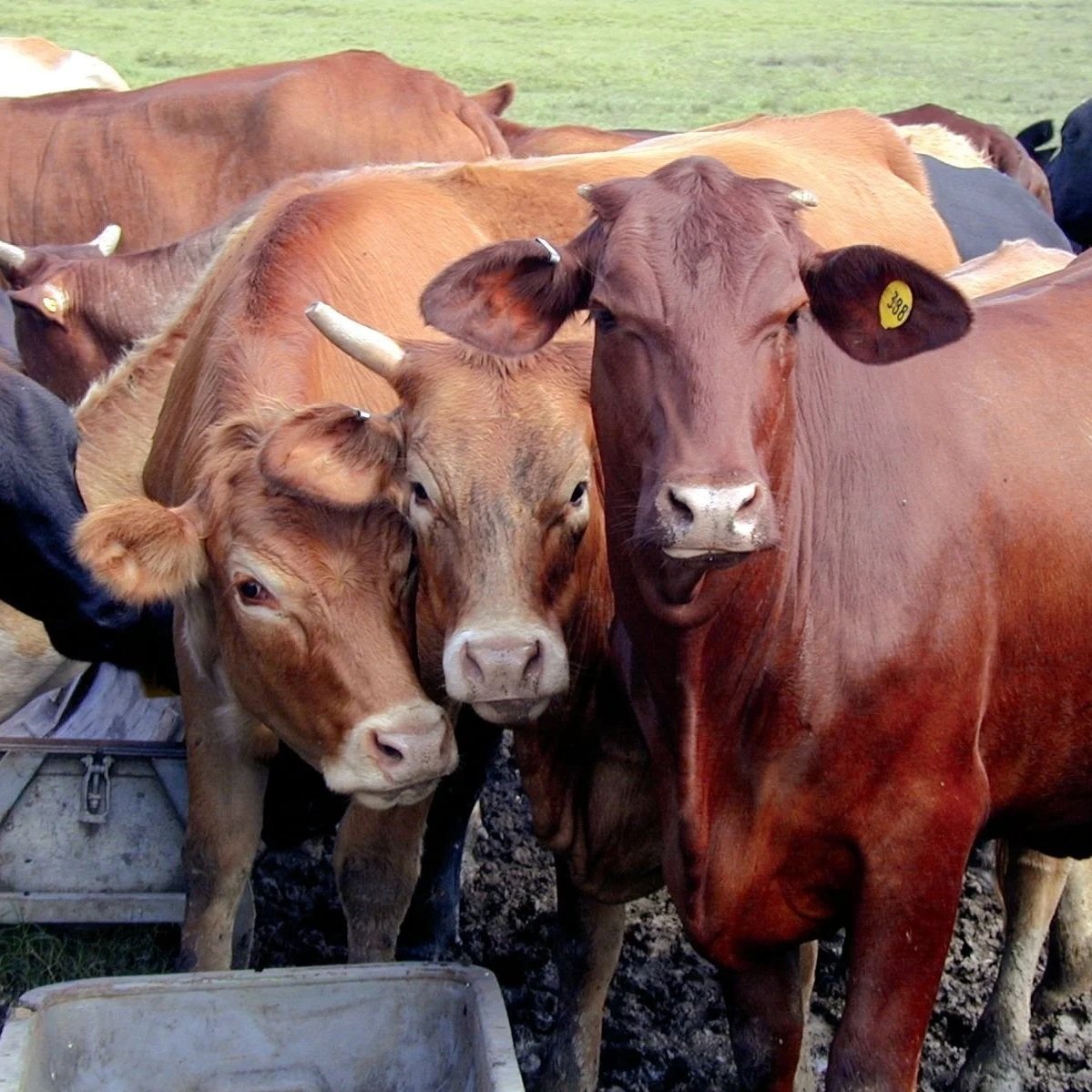
High beef prices are likely to persist because rebuilding the U.S. cattle herd will take years, even if ranchers begin retaining more females now. UC Berkeley agricultural economics doctoral student Ilaria Dal Barco writes in Ag Data News that tight inventories, drought losses, and slow biological production continue limiting supplies.
Read More
Economic Impact of Tropical Storm Arthur on Louisiana Agriculture Exceeds $112 Million
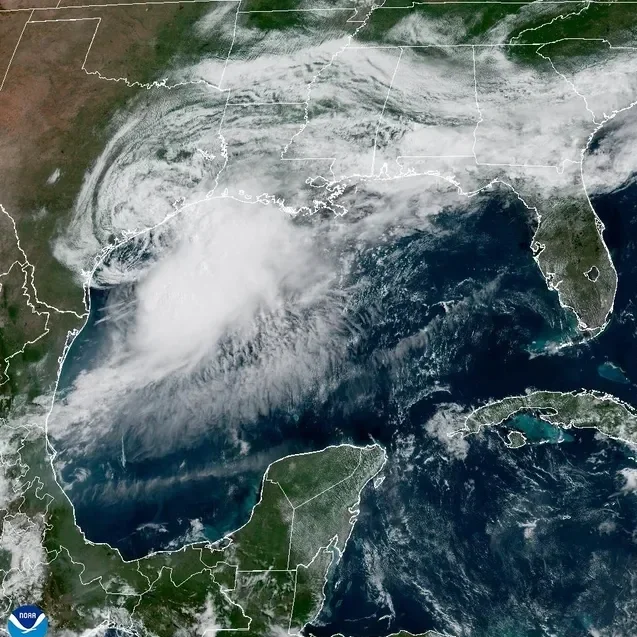
Although a mostly disorganized system while circulating in the Gulf, Tropical Storm Arthur produced historic rainfall and widespread flooding across portions of central Louisiana on June 18 and 19. That resulted in extensive damage to agricultural production and infrastructure to the tune of more than $112 million, according to a survey conducted by the LSU AgCenter.
Read More
Louisiana Shrimp Task Force to Meet in Houma Next Week, Public Invited to Attend
The Louisiana Shrimp Task Force has announced that their upcoming meeting will be held locally in downtown Houma. The public is welcomed and encouraged to attend.
The Task Force Meeting will take place Wednesday, August 5, 2026, at 10:00 AM at the Terrebonne Parish Main Library. The address is 151 Library Drive in Houma.
Read More
New H-2A Farmworker Rates Are Here: What Agricultural Employers Need to Know
H-2A agricultural employers have been awaiting the Department of Labor’s publication of the new H-2A Adverse Effect Wage Rates (AEWRs), and eager to hear how soon they would be required to update rates. Federal officials just released a public inspection copy of the new rates, which is set to be published in the Federal Register on Monday.
Read More