Louisiana Agriculture Commissioner Warns About Screwworms and Urges Hurricane Preparation
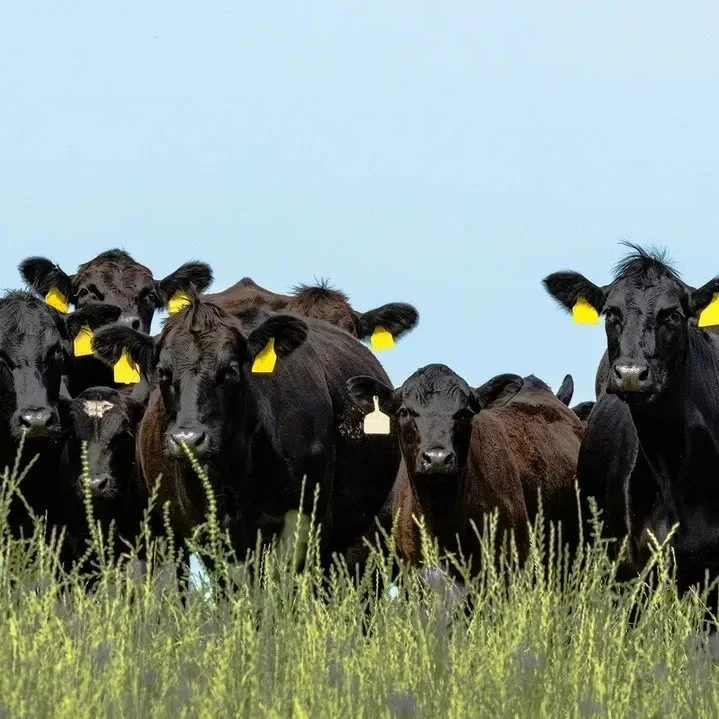
Louisiana Agriculture and Forestry Commissioner Mike Strain joined Talk 107.3 to discuss several issues affecting the state. He covered the growing threat of New World screwworms, hurricane preparedness, mosquito control, and the importance of supporting local farmers.
Read More
Food Bank of NELA Receives Beef Donation
The Food Bank of Northeast Louisiana received a beef donation. Last month, the Louisiana Tech University School of Agriculture, Sciences, and Forestry hosted its annual farm production sale.
During the sale, Louisiana Land Bank and Century Next Bank purchased cattle to be donated that were processed into beef products.
Read More
St. Martin Parish President Addresses Concerns with Sugarcane Bagasse Pile
Residents in St. Martin Parish have raised concerns about odors, dust and potential health impacts they say are linked to a large sugarcane bagasse storage site owned by the Louisiana Sugar Cane Cooperative.
The site, located off La. 31, has drawn scrutiny from local officials after residents reported issues with bagasse becoming airborne and creating nuisances in the surrounding area.
Read More
Foreign Labor Digest: Spring 2026
The H-2A program allows agricultural employers to hire temporary foreign workers when there are not enough available U.S. workers to fill seasonal farm jobs.
Widely used across Louisiana agriculture, the program helps support industries such as sugarcane, crawfish, forestry, nurseries, and vegetable production during peak planting and harvest seasons.
Read More
Ag Groups Urge USDA To Beef Up Its Staff
More than 120 agricultural and conservation organizations are urging Congress to address staffing shortages at local USDA offices, warning that reduced personnel levels are making it harder for farmers and ranchers to access critical programs and services. In a letter to Senate agriculture appropriations leaders, 123 groups called for adequate fiscal year 2027 funding for the Natural Resources Conservation Service and Farm Service Agency.
Read More
Texas Sale Barn Adapts After First U.S. New World Screwworm Case in Decades
Southwest Livestock Exchange is a sale barn about 15 miles from where the first case of New World screwworm (NWS) was detected in Texas last week, and it held a cattle sale the day after the USDA confirmed the case.
Read More
Was Screwworm Eradicated From the US In 1966? Likely Answer Is ‘No’
When people talk about New World screwworms in the United States, one date gets repeated over and over: 1966.
That is the year the U.S. Department of Agriculture now says the U.S. was declared free of indigenous, or self-sustaining, screwworm populations. It is also the date appearing in many modern explainers — from media outlets to scientific journals to animal health giant Zoetis — as screwworms again threaten livestock and livestock.
Read More
3 Front Battle: The Stem Borer, Rice Weevil & Less Effective Treatments
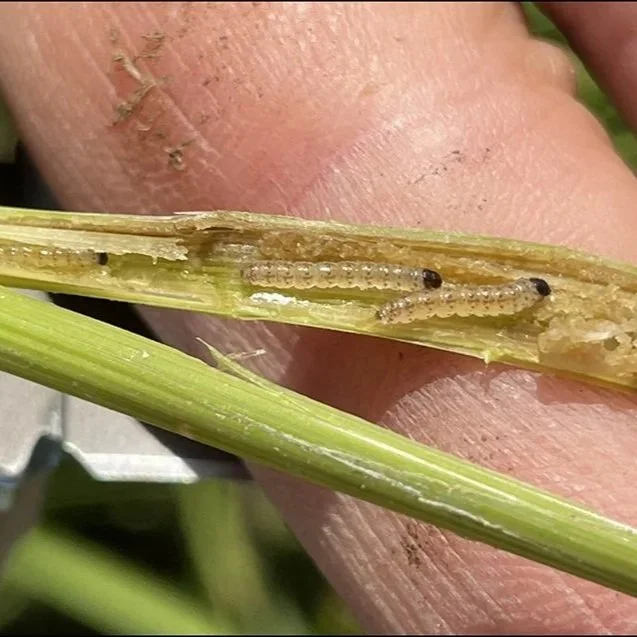
For nearly a decade, LSU AgCenter entomologist Blake Wilson has been facing an uphill battle over stem borer and rice weevil infestation in rice crops, particularly the most popular variety in the state, PVL03. For the last three years, a formerly effective insecticide has become decidedly less so in controlling the pest.
Read More
Consolidation Continues Across The US Cow-Calf Sector
A market analyst says tight margins is contributing to the decline of of small cow-calf operations.
Read More
Work Underway On A Year-Round E15 Bill In The Senate
Efforts to secure year-round nationwide sales of E15 ethanol fuel remain active in the U.S. Senate, offering renewed hope for corn growers seeking expanded demand for their crop.
Read More
West Carroll Parish Farmer Builds Legacy Through Faith, Hard Work and Determination
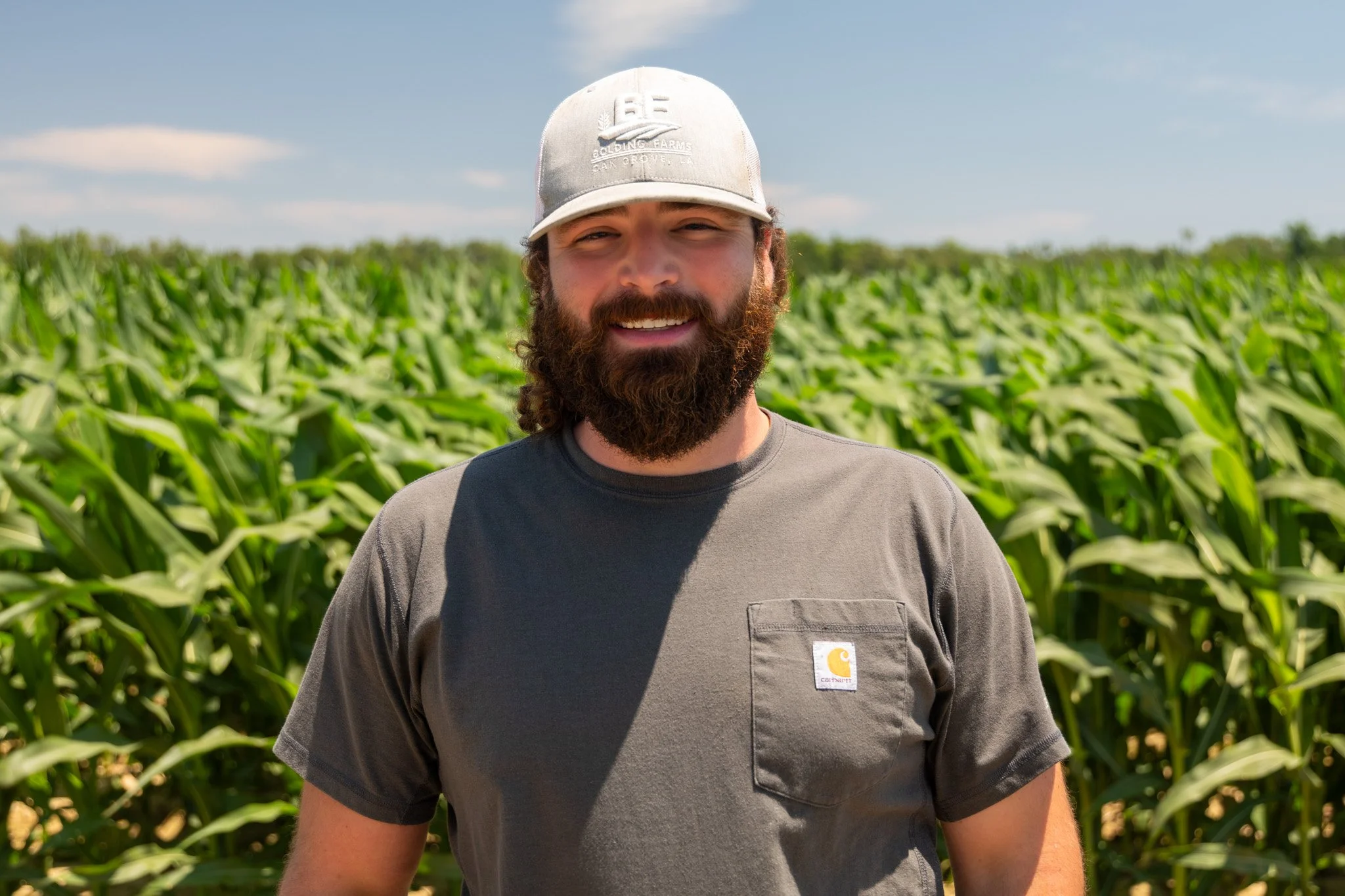
Wyatt Bolding has spent the last six years building a farming operation from the ground up, turning a lifelong dream into reality one acre at a time.
Read More
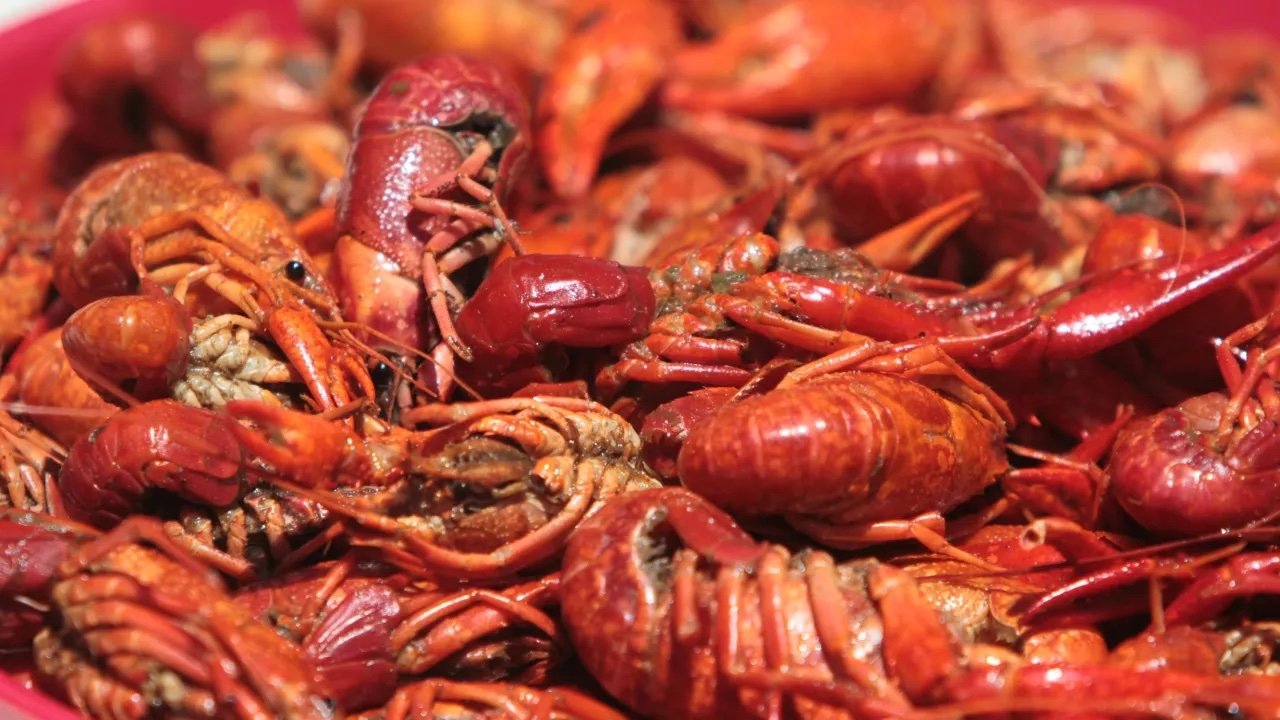
Crawfish Season Winds Down After Unpredictable Year in Louisiana
As crawfish season enters its final stretch in Louisiana, farmers and restaurant owners are reflecting on a year they say played out differently than expected, with shifting catches, unpredictable weather and mixed results across the industry.
Read More
Farmer Finds Fears Over Carbon Capture Unwarranted
I’ve spent my life working the land in rural Louisiana, and I’ve seen what happens when farms struggle and communities begin to slip away.
As a farmer, landowner, chairman of the Lafayette Economic Development Authority, and someone who has served for more than a decade as a commissioner while advocating for agriculture and rural communities at both the state and federal levels, I don’t have the luxury of looking at these issues from a distance.
Read More
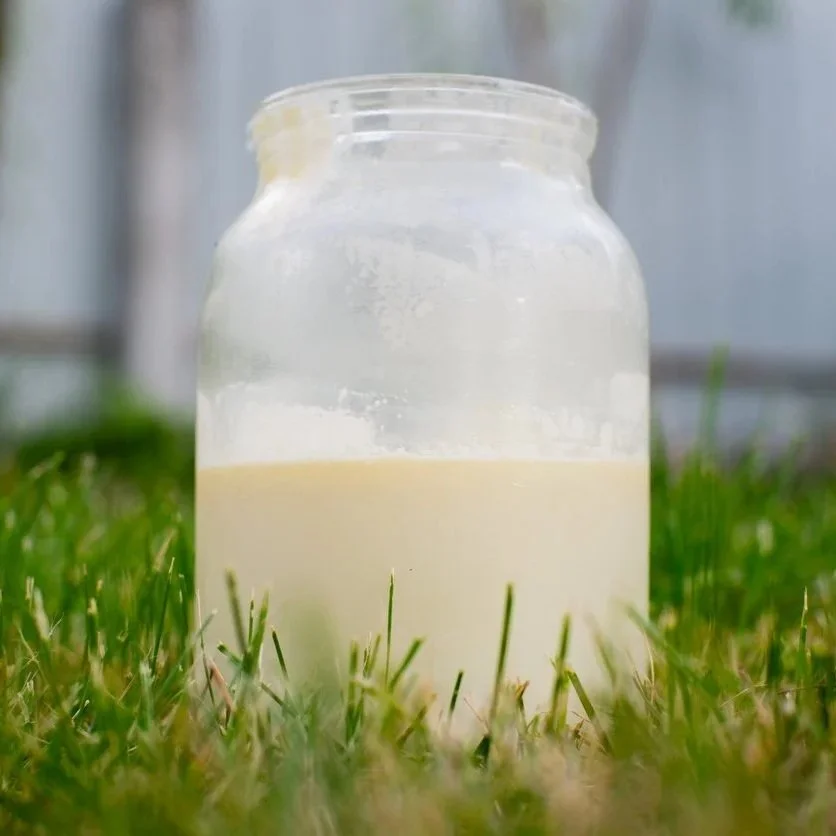
Idaho Investigates Spike In Illnesses Related To Raw Milk Consumption
Idaho’s Department of Health and Welfare (DHW) said it’s investigating a spate of illnesses tied to raw, or unpasteurized, milk. Since May 15, department officials said almost 60 people have been identified as having illnesses after drinking raw milk, and at least 45 of those people tested positive for campylobacteriosis, a bacterial infection.
Read More
Section 18 Exemption For Sugarcane
The EPA has approved the Section 18- Emergency eemption for the use of Sivanto Prime to control pasture mealybug on sugarcane in Louisiana. The use season for this quarantine exemption is effective June 1, 2026, through November 15, 2028
Read More