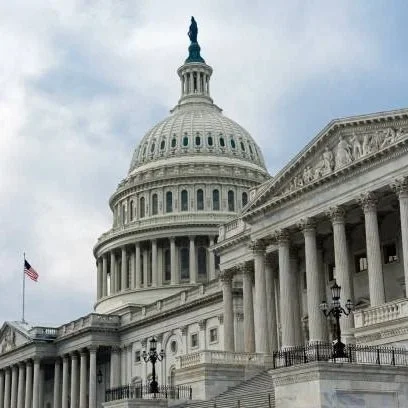
Federal agriculture research and crop policy remain major issues as lawmakers continue discussions surrounding the 2026 farm bill and USDA priorities.
Read More
Federal agriculture research and crop policy remain major issues as lawmakers continue discussions surrounding the 2026 farm bill and USDA priorities.
Read MoreAmerican Farm Bureau Federation President Zippy Duvall commented today on Bureau of Land Management actions to update grazing regulations and rescind the misguided Conservation and Landscape Health Rule.
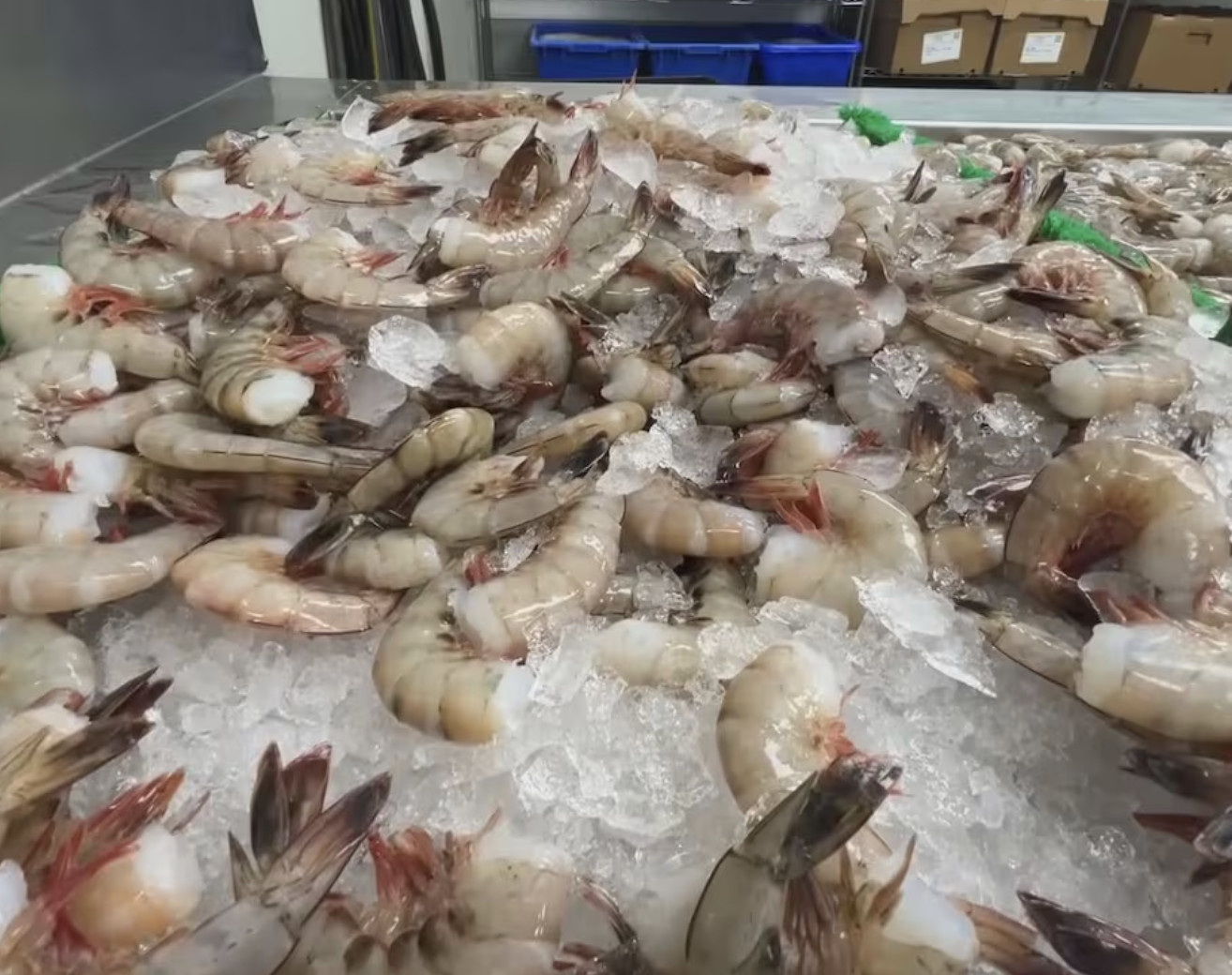
Read MoreCongressmen Clay Higgins (R-LA) and Troy Carter (D-LA) penned a letter to U.S. Trade Representative Ambassador Jamieson Greer urging a Section 301 investigation into unfair practices affecting trade in seafood products.
Read MoreLouisiana congressmen are leading an effort to investigate foreign seafood importers engaging in harmful trade practices.
Reps. Clay Higgins, R-La., and Troy Carter, D-La., sent a letter to U.S. Trade Representative Ambassador Jamieson Greer urging a Section 301 investigation into unfair practices affecting trade in seafood products.
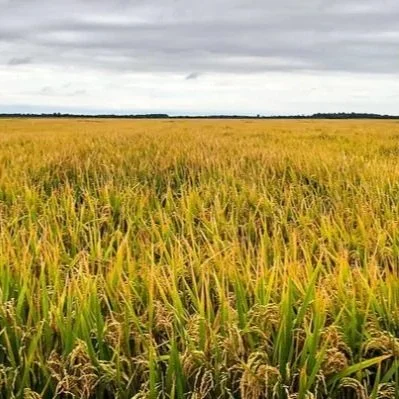
Read MoreRice fields do more than feed people—they help fuel one of nature's greatest journeys. Along major migratory flyways, flooded fields act as surrogate wetlands, offering critical resting and feeding grounds for shorebirds and waterfowl. In Louisiana, rice farmer Joseph Arcaneaux manages his fields in ways that benefit birds without disrupting his operation.
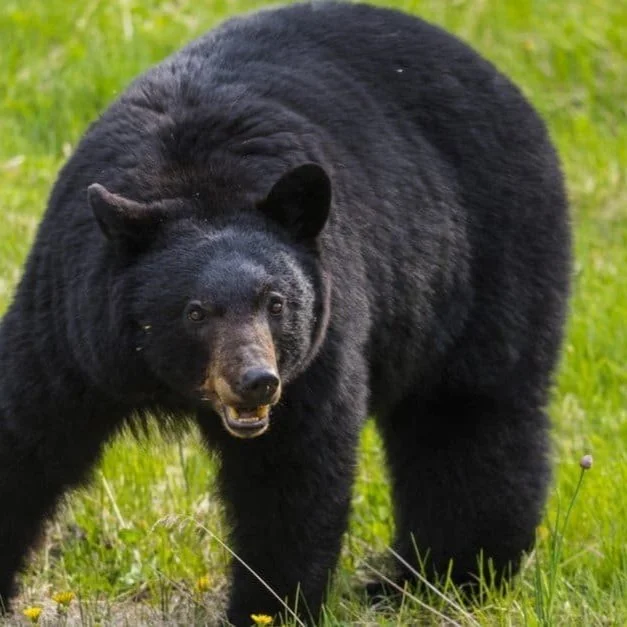
Read MoreThe 2026 Louisiana black bear hunting season will take place from December 5th to the 20th; and this year, bear hunting will be allowed in all seven of the state’s black bear management areas. LDWF Large Carnivore Program Manager John Hanks says 42 tags will be tentatively issued for the hunt.
Read MoreCotton continues establishing new price highs again and again. That was last week’s first sentence, and it still applies. After posting a minor selloff at mid-week, prices charged higher at week’s end as both the old crop July futures contract and the new crop December contract settled the week near the weekly highs, and near the life of contract high for the December contract.
Read MoreAn extension ag economist says this week’s meeting between President Trump and China’s president could significantly impact U.S. agriculture.
Read MoreCongress returns this week with major agriculture issues dominating the agenda, including fertilizer costs, biofuel policy and farm economic concerns.
Read MoreThe Rice Delphacid (RD) is an invasive planthopper that feeds on rice and other grasses. It was first recorded in Texas in 2015 and has since become a recurring rice pest in Texas rice belt. In Louisiana, RD was detected in July 2025 (first record in >70 years), with initial finds in Tensas Parish and later detections on ratoon rice across the state. This factsheet summarizes key identification and biology, typical damage symptoms, and guidance for scouting.
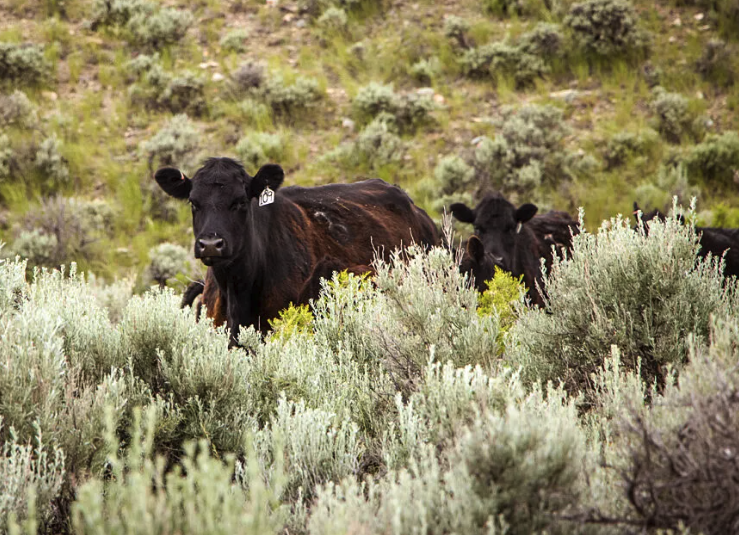
Read MorePresident Trump is considering issuing an executive order that would allow more beef imports at lower tariff rates, but increasing imports could have long-term impacts and fails to address the underlying issues facing America’s ranchers. American Farm Bureau Federation economists analyzed the issue in the latest Market Intel.
Read MoreThe Louisiana Department of Wildife and Fisheries is now accepting public comment on a proposed recreational alligator season this fall.
Read MoreAcross Louisiana, school gardens are increasingly used as outdoor classrooms, providing students with hands-on learning in science, nutrition and food systems. To support this work, the LSU AgCenter is hosting its annual Farm to School Garden Leadership Workshop later this month in Baton Rouge, offering educators training to build and sustain school gardens while integrating them into classroom instruction.
Read MoreA sprawling new soybean processing facility that opened Thursday in Shelby County is being hailed by agricultural leaders and state officials as a milestone in the growing race to secure domestic supplies of plant-based protein, as global food manufacturers seek new ways to meet rising demand for high-protein ingredients
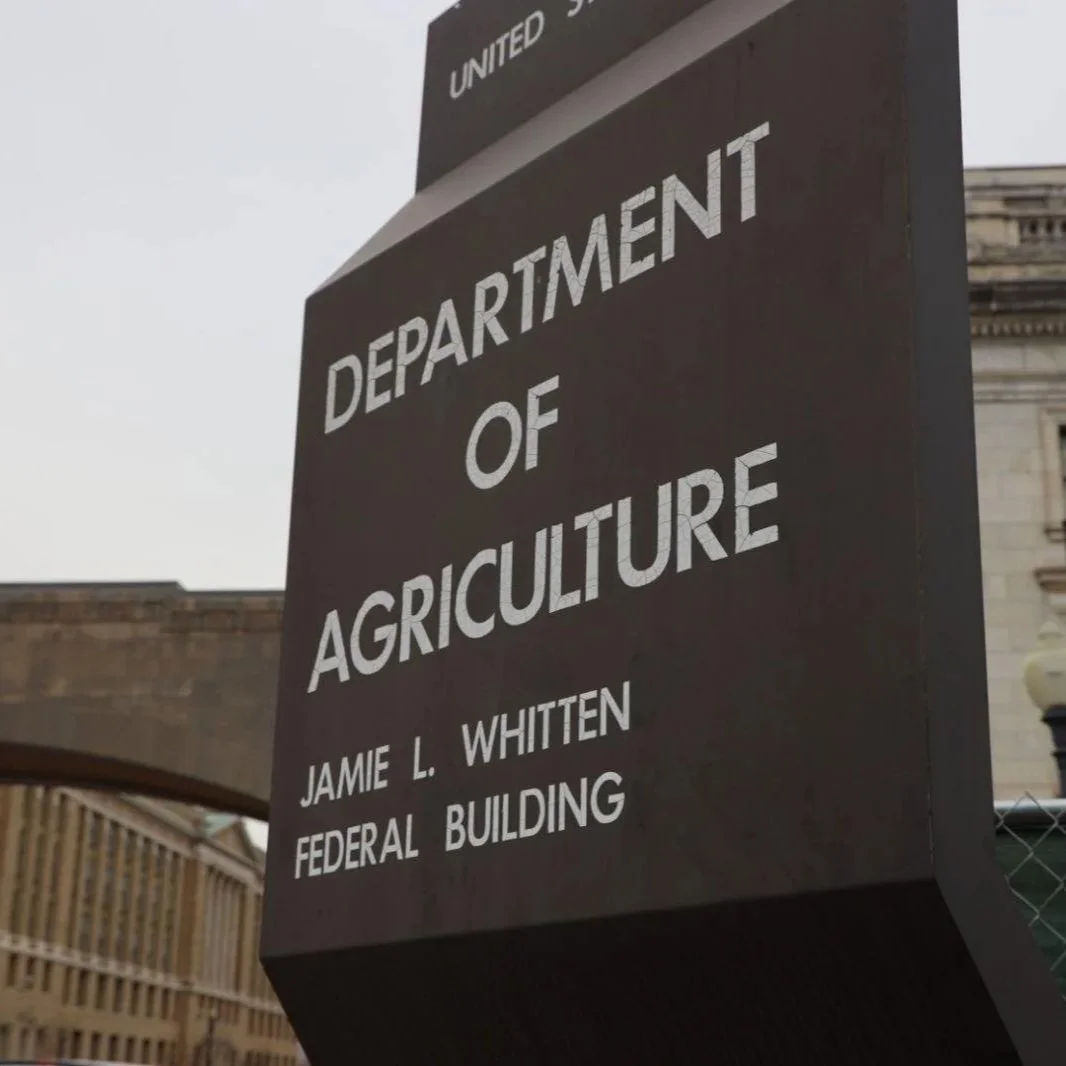
Read MoreFederal News Network's Jory Heckman reported that "for the second time in seven years, USDA is looking to move D.C.-based employees at the Economic Research Service (ERS) and National Institute of Food and Agriculture (NIFA) to Kansas City. USDA relocated hundreds of ERS and NIFA positions to Kansas City in 2019, but about 85% of impacted employees quit their jobs or retired, rather than relocate."
Read More