Pasture Mealybug Confirmed in Louisiana
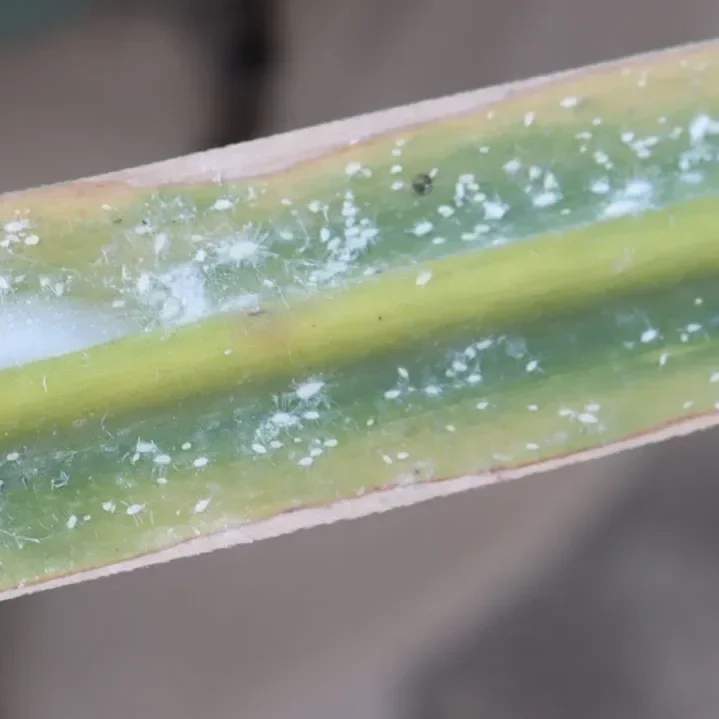
Louisiana State University AgCenter researchers have confirmed the presence of a new invasive insect in Louisiana sugarcane fields. The pasture mealybug was detected in Vermilion and Iberia parishes late last year, raising concerns among growers, ranchers and researchers.
Read More
Over 300 Groups Urge Congress To Pass Farm Bill 2.0
The Farm Credit Council is among 338 agricultural groups urging swift passage of Farm Bill 2.0, recently approved with bipartisan support by the House Agriculture Committee. The coalition sent a letter to House Speaker Mike Johnson, Minority Leader Hakeem Jeffries, and all House members, emphasizing the need for updated policy.
Read More
Avoiding Destructive Pests With Timely cover Crop Management
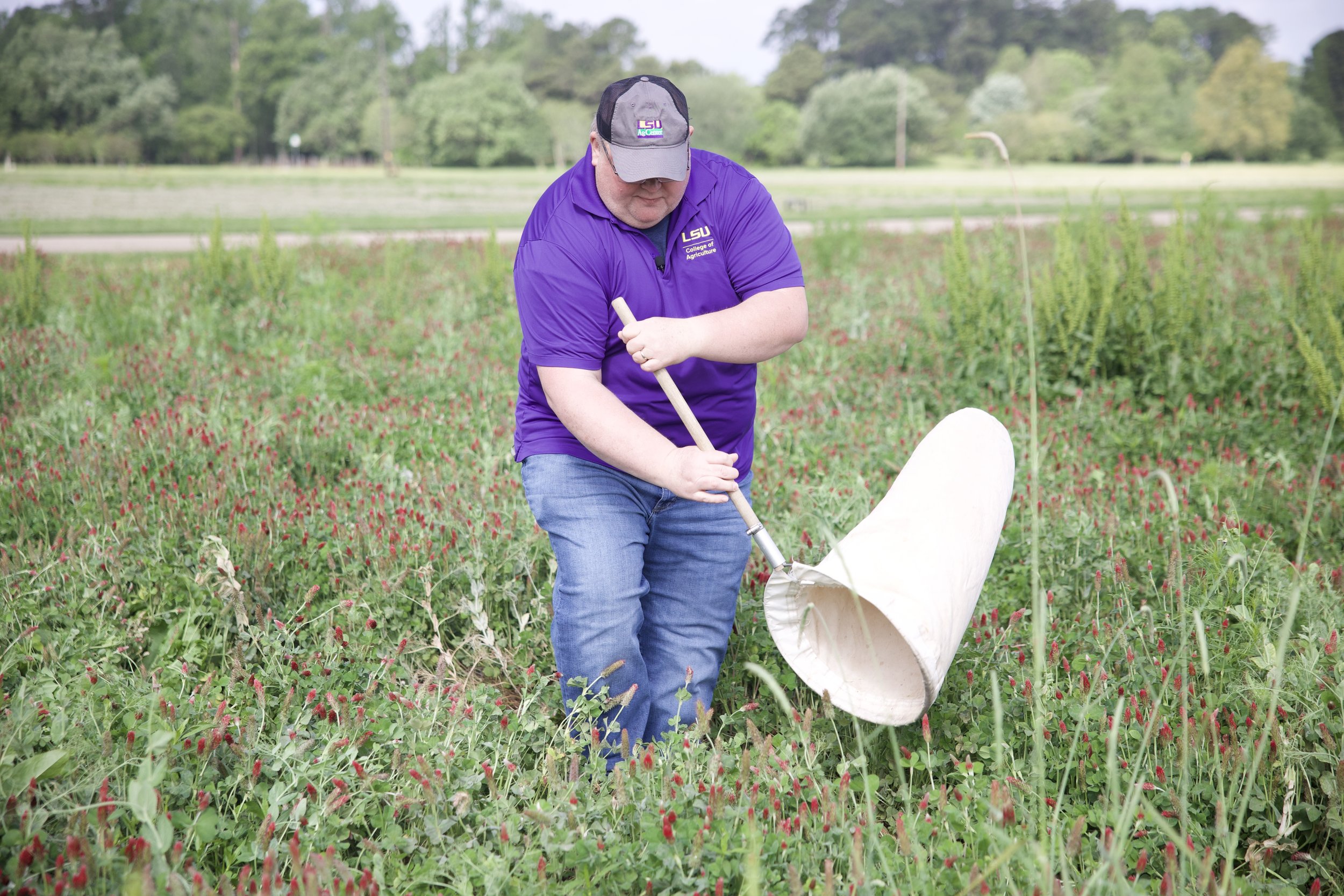
Cover crops are an important off-season tool for farmers looking to improve soil fertility, reduce erosion and manage nitrogen, all while creating an ecosystem for pollinators and other beneficial insects to thrive.
However, they can also be a “green bridge” for undesirable pests like the redbanded stinkbug.
Read More
U.S. To Use Tariff Funds To Offset High Fertilizer Prices
The Trump administration is preparing to direct tens of billions of dollars from tariffs and renegotiated trade deals toward strengthening domestic fertilizer production, according to Agriculture Secretary Brooke Rollins.
Read More
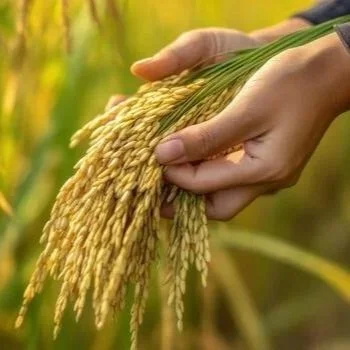
Carter, Higgins, Letlow Requesting Section 301 Investigation On Foreign Rice
Earlier this week, 17 members of the U.S. House of Representatives sent a letter to U.S. Trade Representative (USTR) Jamieson Greer, encouraging him to consider a rice-specific Section 301 investigation into nations that are unfairly harming our domestic rice producers.
Read More
DOE Decides to Fund Stalled Louisiana Carbon Capture Hub
After months of uncertainty, U.S. Energy Secretary Chris Wright confirmed Wednesday that the Project Cypress Direct Air Capture project in Louisiana has survived a "critical" department-wide audit—conducted as part of a broader administration review of federal spending—with funding of up to $600 million possible.
Read More
Bill Would Require US Government to Only Purchase Domestic Seafood for School Lunches
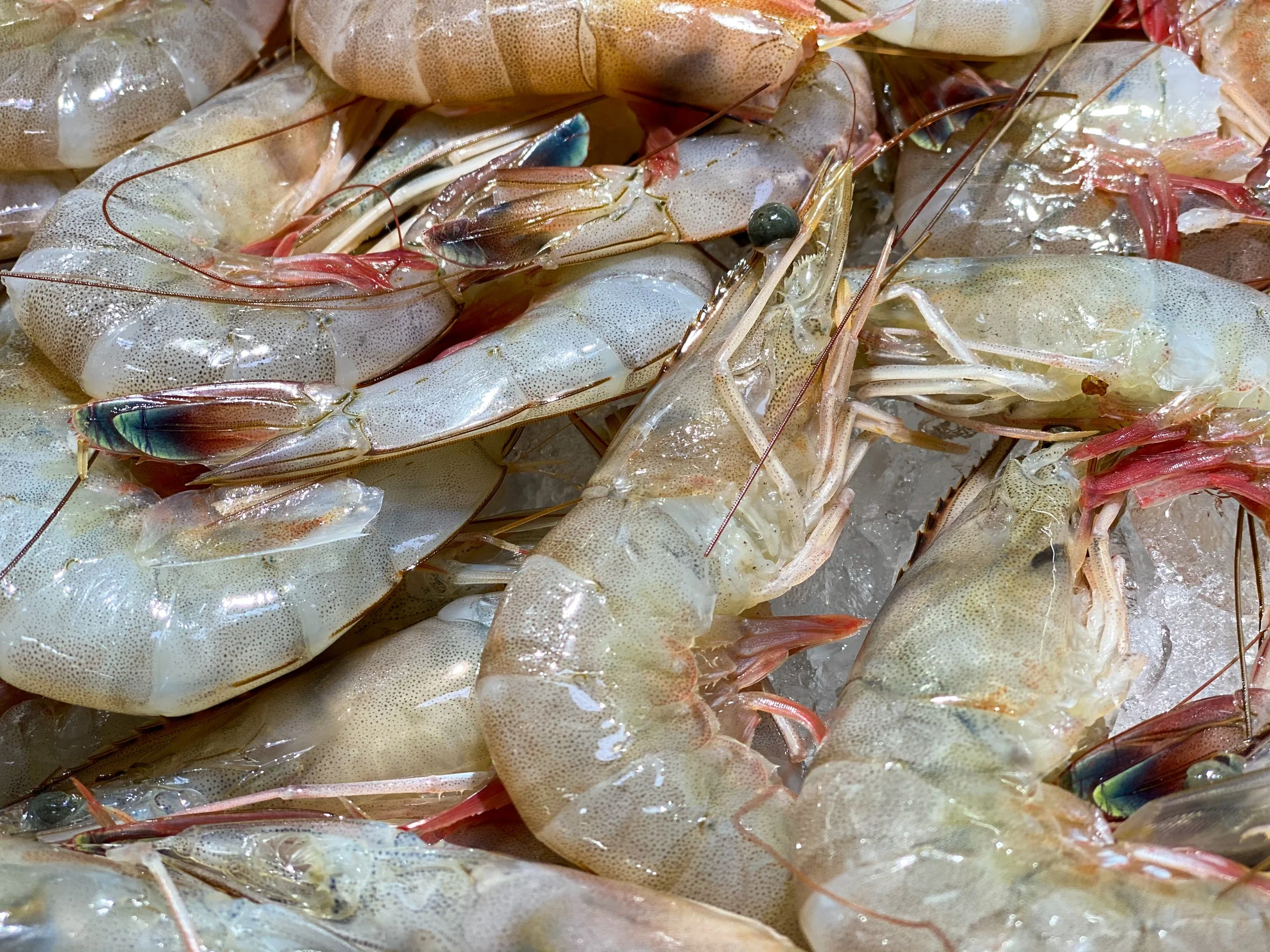
A U.S. lawmaker has introduced legislation requiring the federal government to only purchase domestically produced seafood for school lunches and other federal programs.
Read More
Record Drought, Disappearing Water Tighten the Screws on Farmers
The warning signs for U.S. agriculture in 2026 are stacking up fast. From record-setting drought coverage to historically low snowpack and new research explaining why water supplies aren’t adding up, experts say the challenges facing farmers and ranchers this year aren’t just seasonal. They’re structural, compounding, and increasingly difficult to predict.
Read More
Four Animal Drugs Cleared to Fight New World Screwworm
The U.S. Food and Drug Administration has issued emergency use authorizations for four animal drugs aimed at preventing and treating New World screwworm, a parasitic threat that can cause severe and often fatal tissue damage in livestock and other animals.
Read More
Multiple Facets Converging in Ag’s Fertilizer Crisis
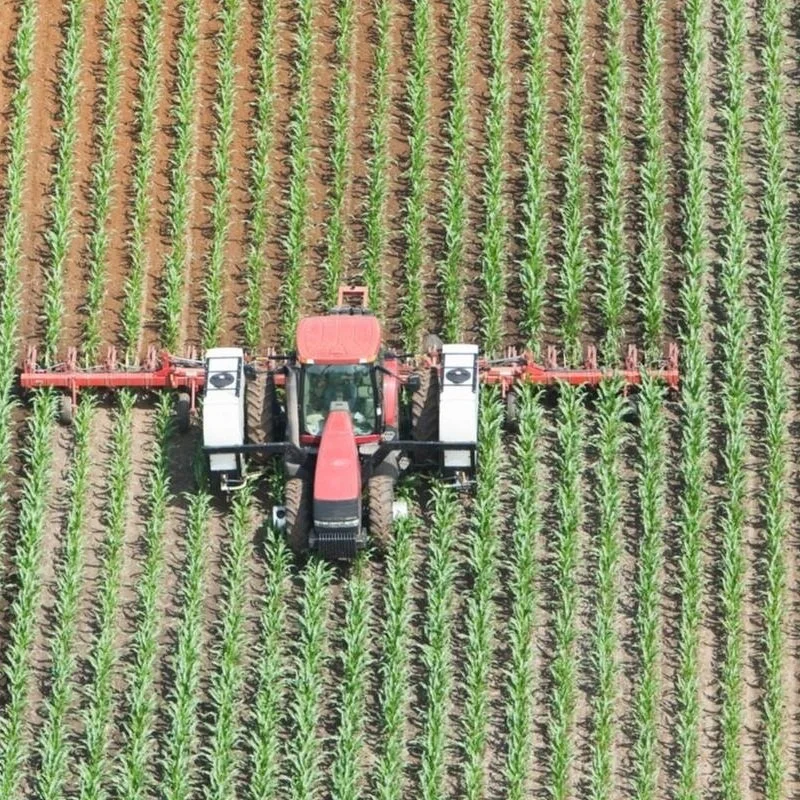
Something big is happening when you see mainstream media outlets with headlines regarding agriculture. That happened this week when the American Farm Bureau Federation announced the results of a nationwide survey that revealed 70 percent of farmers can’t afford to buy all of the fertilizer they’ll need for the 2026 season.
Read More
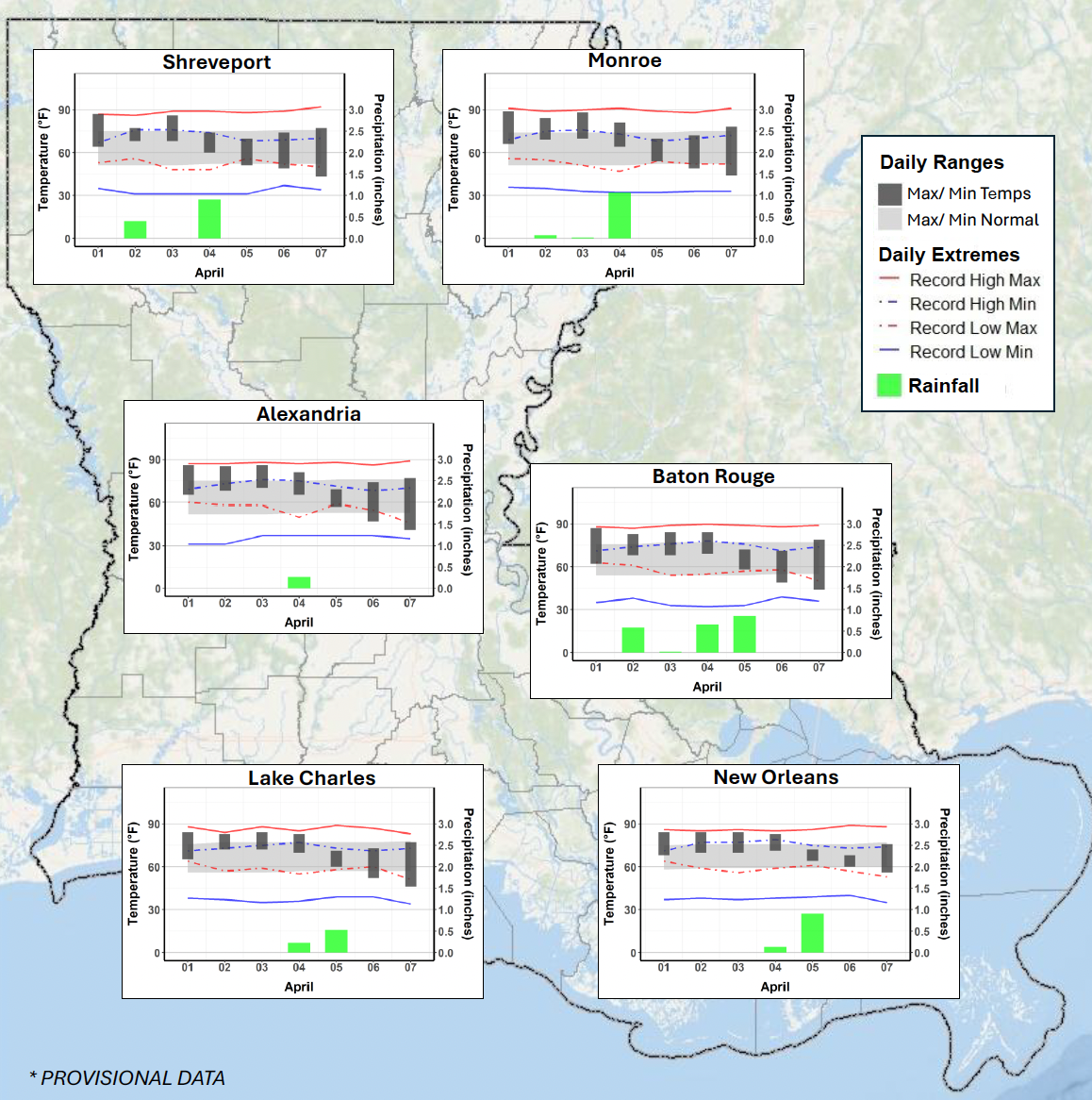
Louisiana Weekly Climate Summary - April 1 – April 7, 2026
During the first week of April 2026, Louisiana saw a return of rain after a dry stretch, with showers and storms bringing some much-needed moisture—especially in northwestern and southeastern parts of the state. However, rainfall was still below normal in many areas and only led to minor drought improvement.
Read More
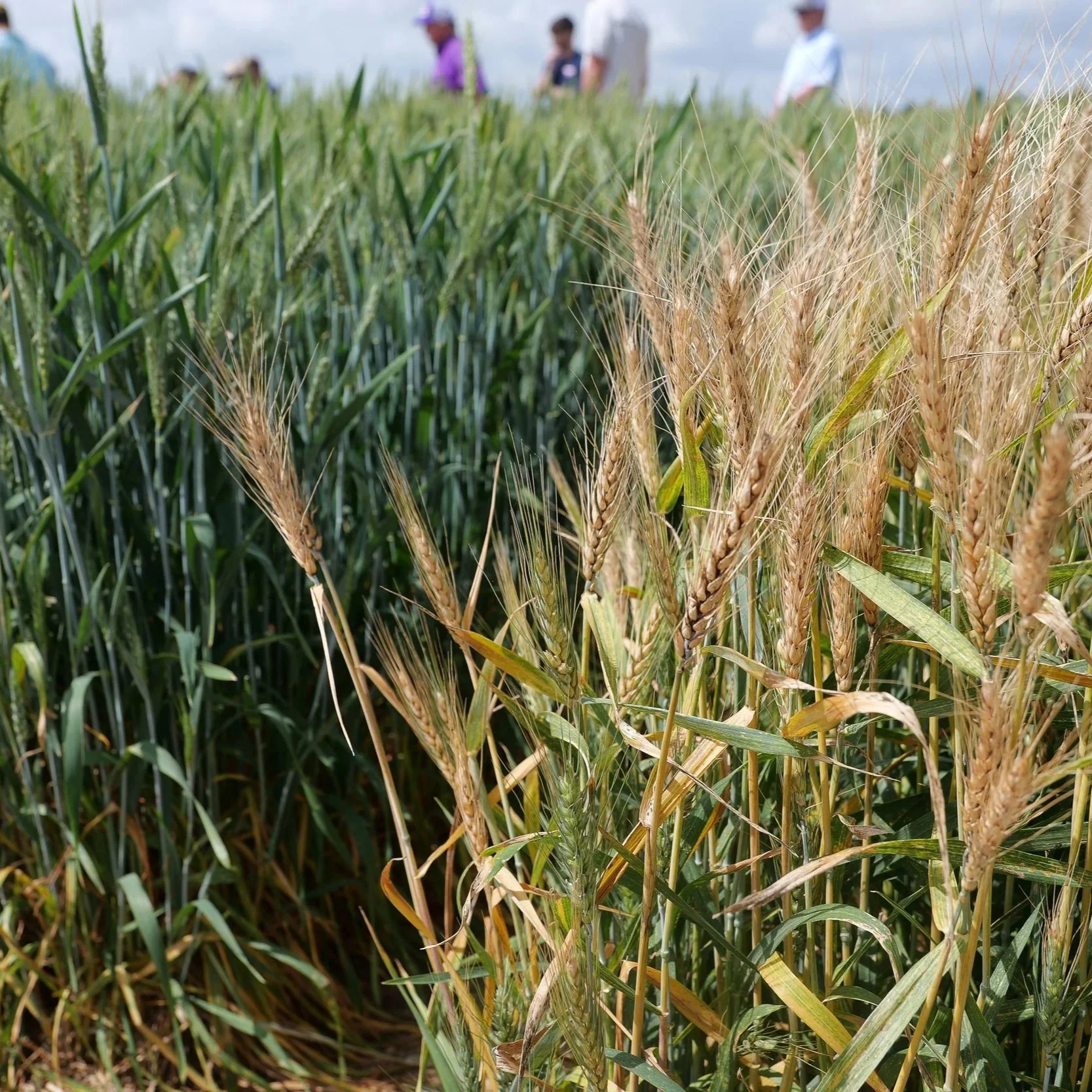
Weather Brings Challenges For Wheat Growers
Between freeze damage, disease pressure and low commodity prices, wheat farmers in Louisiana are having a tough time in 2026.
“This year has not been very nice to us,” said Boyd Padgett, LSU AgCenter wheat specialist.
Read More
25 Parishes Declared Disaster Areas Due To Drought
The Secreary of Agricuture has designated 25 Parishes here in Louisiana as Natural Disaster Areas due to the recent drought.
Read More
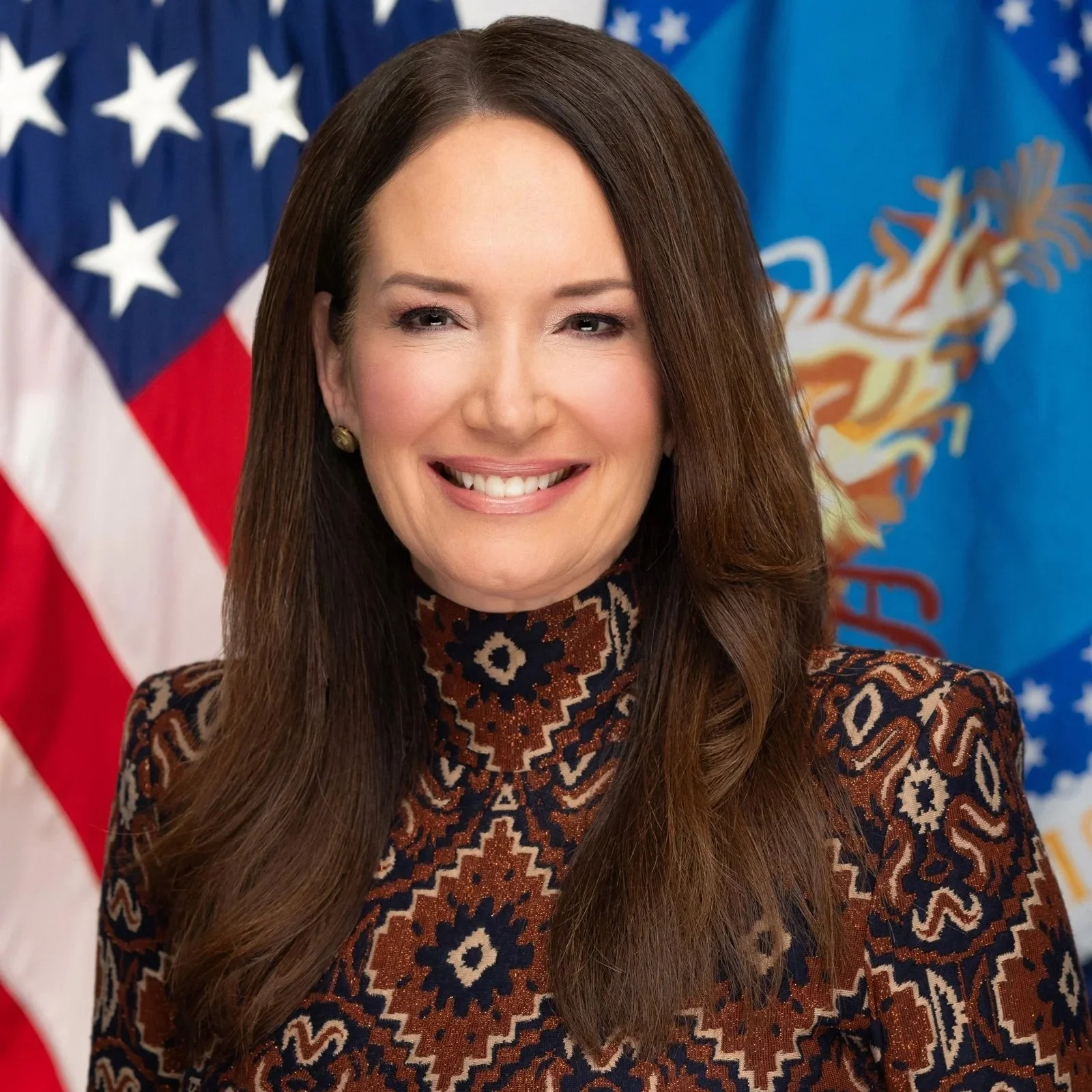
USDA Secretary Rollins Urges Expansion Of Key Farm Funding Tool
Agriculture Secretary Brooke Rollins is calling on Congress to increase the borrowing authority of a key federal funding mechanism used to support farmers during economic stress. Rollins said the current $30 billion limit for the Commodity Credit Corporation may be insufficient to address rising production costs, market volatility and potential disaster relief needs.
Read More
Is $4 Corn on the Horizon? Expert Says Charts Point to Fading Momentum
With the quarterly Grain Stocks, annual Prospective Plantings, and April World Agricultural Supply and Demand Estimates (WASDE) reports now in the rearview mirror, market attention has shifted toward weather and outside macro events. Most notably, the energy and fertilizer markets — driven by ongoing concerns over the war in Iran — remain major question marks for corn.
Read More