USDA Announces April 2026 Lending Rates For Agricultural Producers
The U.S. Department of Agriculture (USDA) announced loan interest rates for April 2026, which are effective April 1, 2026. USDA Farm Service Agency (FSA) loans provide important access to capital to help agricultural producers start or expand their farming operation, purchase equipment and storage structures or meet cash flow needs.
Read More
Could Brazil's Soybean Export Hurdles Create US Opportunity?
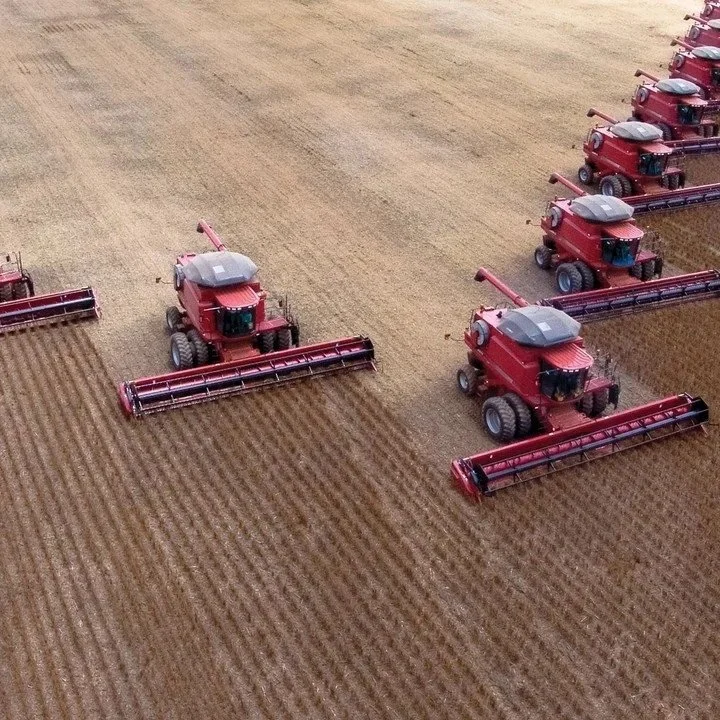
Brazil’s 2025-26 soybean crop is projected to reach a record 6.6 billion bushels, according to USDA. But can the world’s largest soybean producer efficiently export that crop?
Read More
Love ‘Em or Hate ‘Em: Last Chance for Farmers to Share Experiences With Cover Crops in National Cover Crop Survey
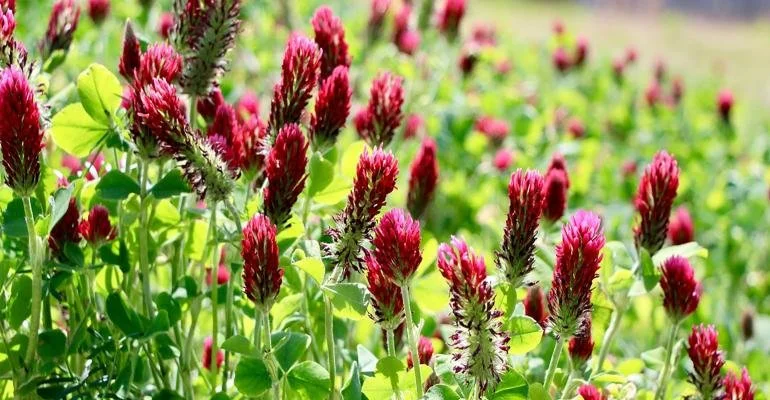
Farmers across the U.S. — whether they use cover crops, formerly used them, or have never planted covers — are invited to share their insights on cover crops in an online survey currently being conducted by the Conservation Technology Information Center (CTIC), the USDA's Sustainable Agriculture Research and Education (SARE) Program, and the American Seed Trade Association (ASTA). This is the eighth survey in the research series, which began in 2012.
Read More
Cleveland: Cotton’s Month Of Recovery Continues
Cotton’s month-long rally continues to give. The trend calls for higher prices as the world market feels pressure from the potential for adequate supplies for the 2026-27 marketing year.
Read More
Franklin Parish Farmers Speak Out About Drought Conditions
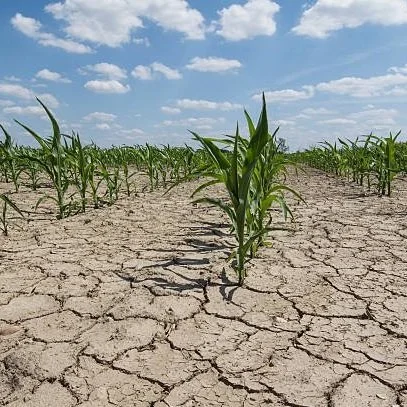
Farmer Jack Dailey says that the drought over the last few days has not impacted his crops yet, but if it continues much longer it could create challenges.
Read More
Sen. Bill Wheat Appointed to Executive Committee of Louisiana Legislative Rural Caucus
The Louisiana Legislative Rural Caucus has appointed State Senator William “Bill” Wheat, Jr. (R-Ponchatoula) to the Executive Committee for 2026-27.
Read More
Rice Farmers Participate at White House Great American Agricultural Celebration
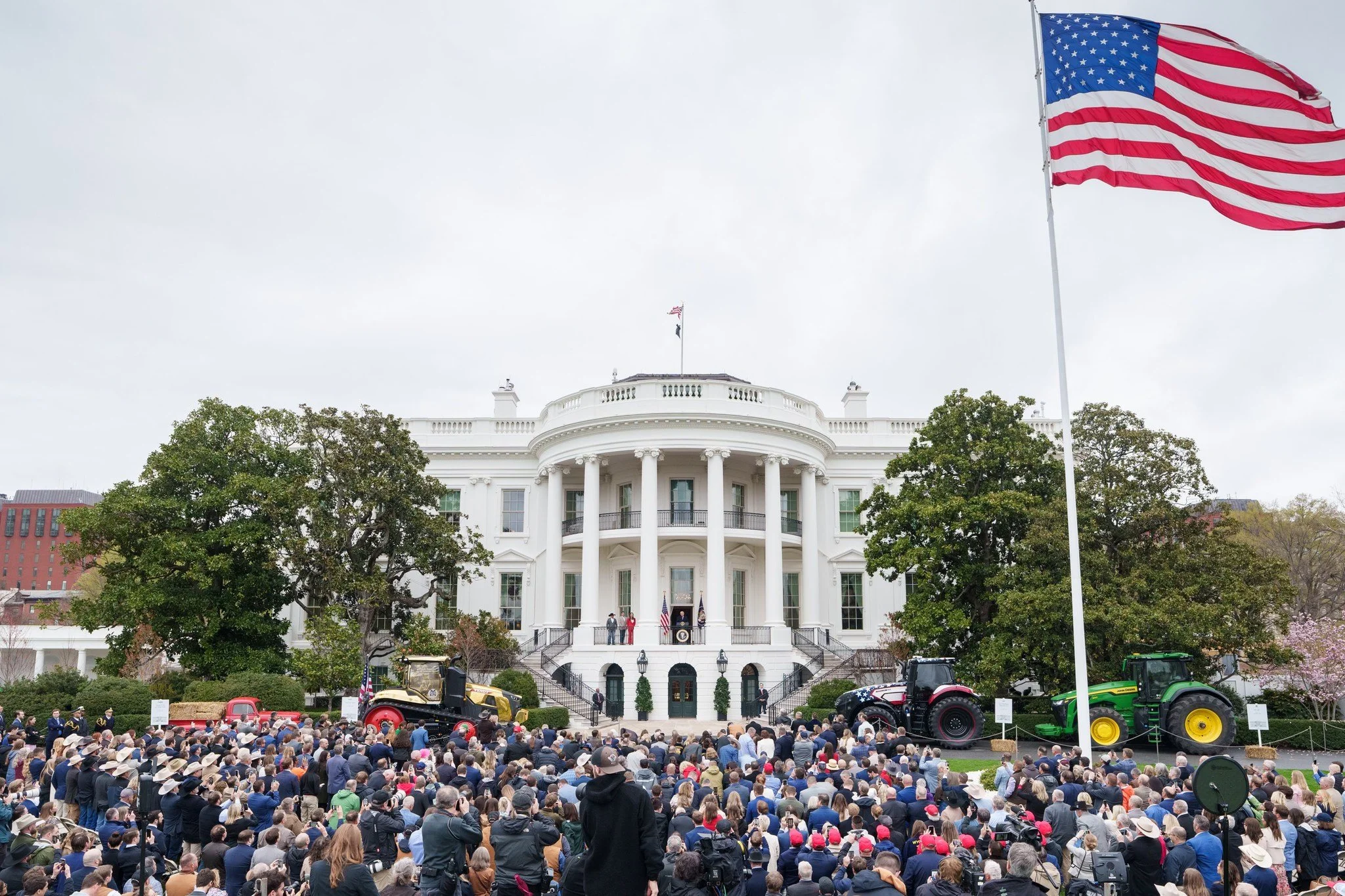
On Friday, President Donald Trump hosted hundreds of farmers for the Great American Agricultural Celebration, which has been dubbed “the single largest gathering of American farmers the White House has ever seen." The event hosted farmers and ranchers from across the country, including rice farmers from Arkansas, Louisiana, Texas, and Missouri, who witnessed the unveiling of several farm policy developments.
Read More
Farmers Expected To Shift Acres From Corn To Soybeans Amid Rising Costs
U.S. farmers are expected to plant fewer corn acres this spring and shift more land to soybeans as rising input costs continue to pressure farm budgets, analysts say. Higher fertilizer and diesel prices, driven in part by global geopolitical tensions, have made corn more expensive to produce than soybeans, which require less nitrogen.
Read More
Grain Stocks Prospective Plantings
USDA Tuesday released its 2026 Spring Prospective Plantings Report.
Read More
Louisiana Farmers Can Apply for 2026 Specialty Crop Grants
Louisiana Department of Agriculture and Forestry is now accepting applications for the 2026 Specialty Crop Block Grant Program, funded through the United States Department of Agriculture, Agricultural Marketing Service.
Read More
Rising Costs and Global Competition Push U.S. Agriculture Toward Breaking Point
U.S. farmer competitiveness in the global marketplace, the cost-price squeeze of inputs and commodity prices, and market consolidation and corporate power, were top of mind concerns for most individuals responding to a recent survey conducted by the Southern Cotton Ginners Association of attendees to the Mid-South Farm & Gin Show.
Read More
Sugar Industry Is Under Pressure. Congress Can Help
Rural America is in crisis. What is at stake goes well beyond the future of American farms; it’s blue-collar manufacturing jobs, small businesses on Main Street, and the homegrown, made-in-America food on our grocery shelves and kitchen tables.
Read More
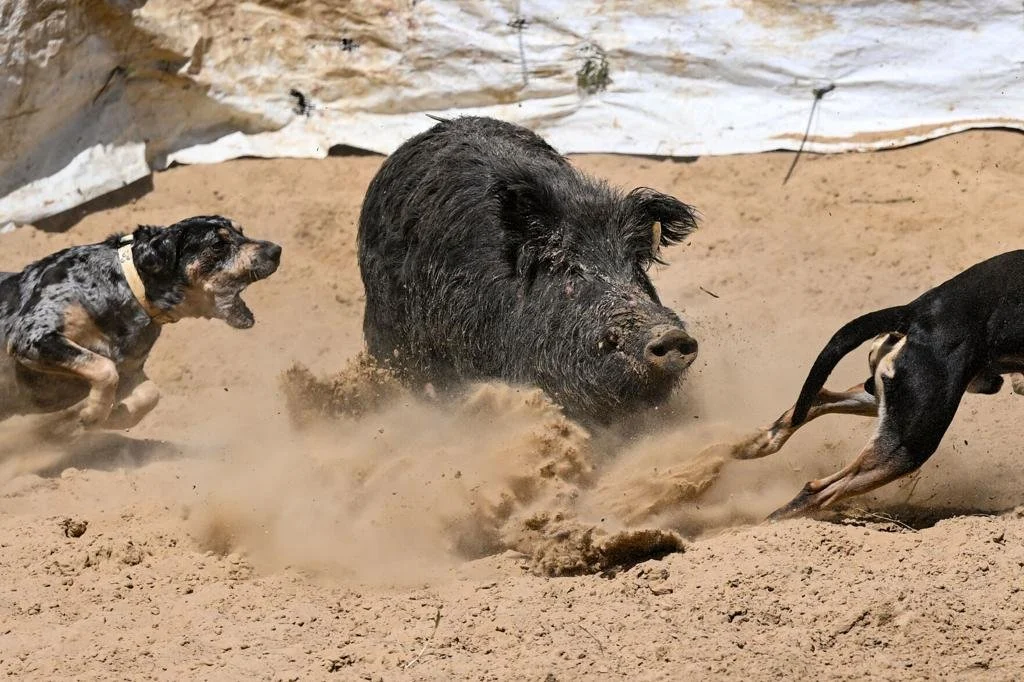
Hog Dogs in Action: Hundreds Gather in Small Louisiana Town to Watch Catahoulas Corral Feral Hogs
At the edge of a sand arena, two Catahoula leopard dogs hang suspended in mid-air, legs cartoonishly churning as they’re held by two squatting men. It's a hot and dusty Saturday afternoon at the Winnfield Fairgrounds in the third week of March. Bees, barefooted children, and “hog dog” trainers from as far as France and Australia swarm the surrounding wooden bleachers.
Read More
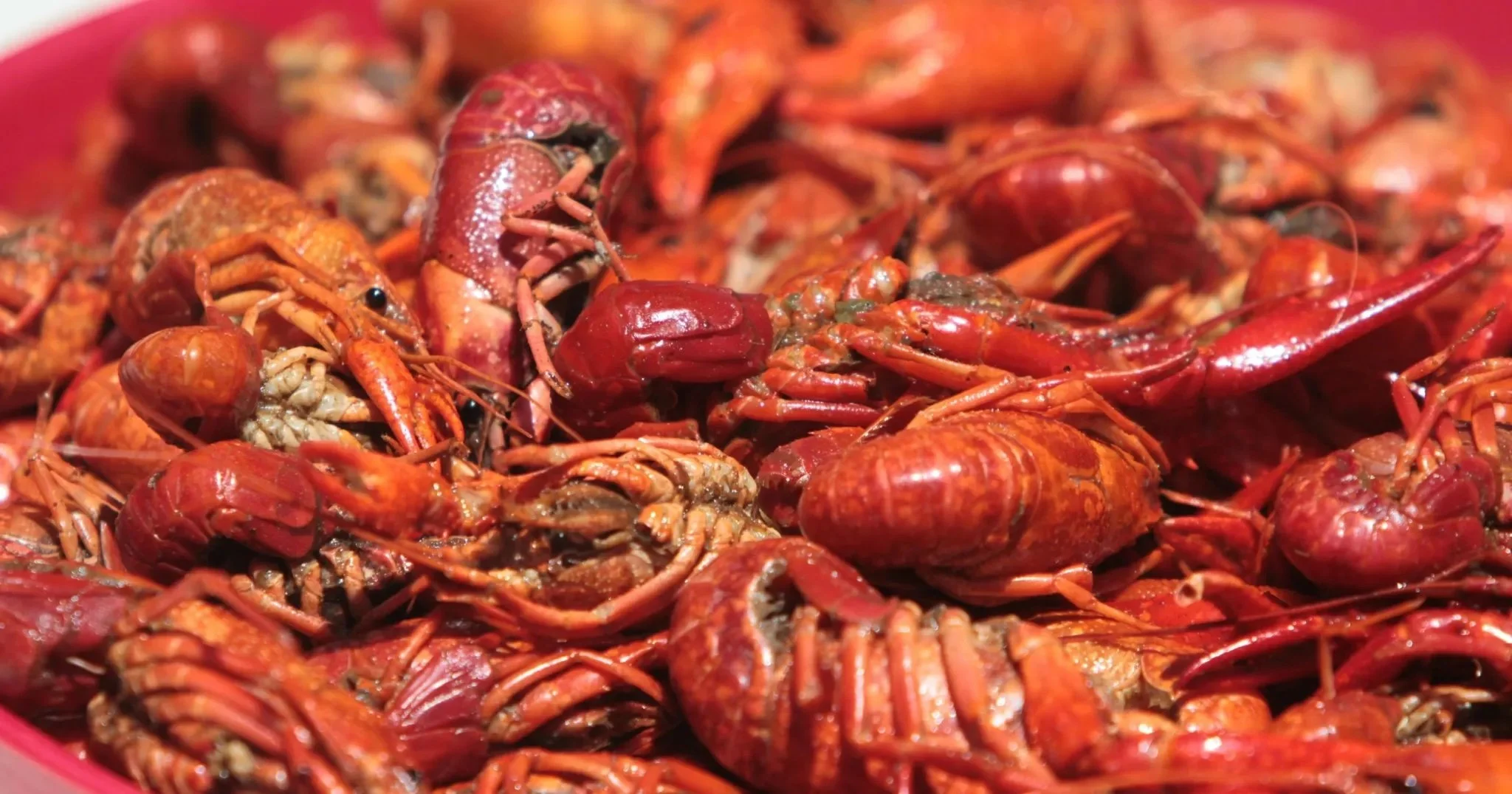
Louisiana Crawfish Festival Returns With Food, Music, and Family Fun
The Louisiana Crawfish Festival is back in St. Bernard Parish this weekend, drawing crowds with its mix of food, live entertainment, and family-friendly attractions.
Read More
Corn Success Rooted in Data, Testing and Timing
Robert Little and Jamie Edwards farm on opposite sides of the Corn Belt, but they have at least two things in common. Both have participated regularly in the National Corn Growers Contest. More importantly. both articulate key strategies that allow them to grow corn successfully.
Read More