New Report: Falling Crop Prices and Rising Costs Put U.S. Farms at Risk
A new national report from the Modern Ag Alliance argues U.S. farmers are entering one of the toughest stretches in a generation — caught between tightening margins, volatile markets, and uncertainty about the tools they rely on to protect yields.
Read More
New State Rice Specialist Faces An Emerging Challenge
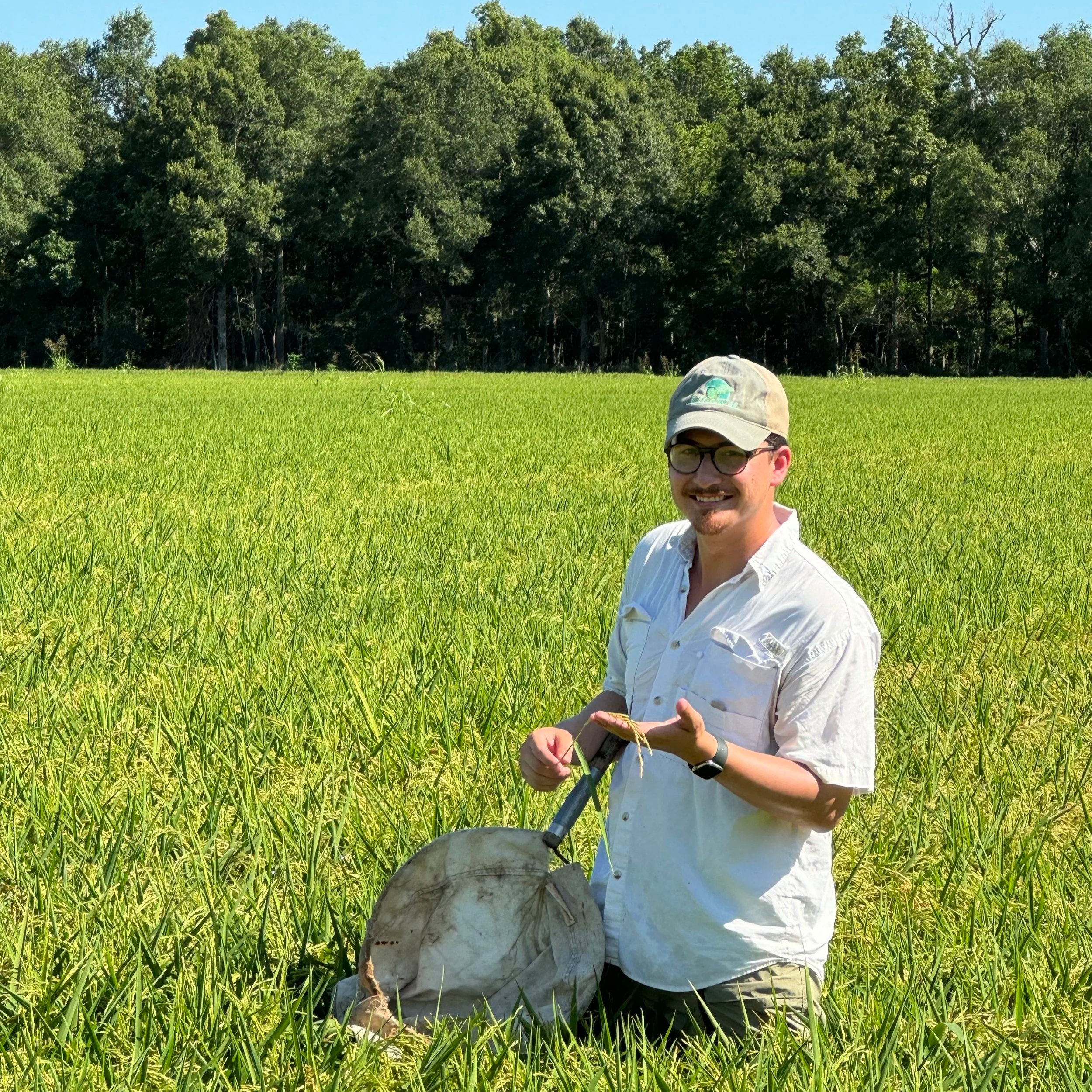
Growing up in Rapides Parish as the son of a U.S. Air Force recruiter, LSU AgCenter entomologist Tyler Musgrove may not have been destined to become the state’s latest rice specialist, but an agriculturally rich upbringing certainly didn’t hurt.
Read More
EPA Clarification Gives Farmers New Leverage In Right-To-Repair
A new federal clarification has added momentum to the right-to-repair debate, with the Environmental Protection Agency confirming that farmers and independent mechanics can temporarily override emissions controls while repairing agricultural equipment. In guidance issued this week, the EPA said tools and software used to take equipment out of its certified configuration for diagnostics or repairs do not violate the Clean Air Act, as long as emissions systems are restored afterward. Supporters say the move removes a major legal gray area that has limited farmers’ ability to fix modern tractors and combines without manufacturer-authorized dealers. The issue has been central to years of disputes between farm groups and equipment makers over access to repair tools, software and manuals. Industry groups have warned that broader repair access could lead to emissions tampering or safety risks. The EPA action comes as Congress weighs bipartisan right-to-repair legislation and several states move to expand repair access, signaling growing federal engagement in a long-running fight over equipment ownership and control.
Read More
U.S. Farmers Struggle to Keep Traditional Rice Markets
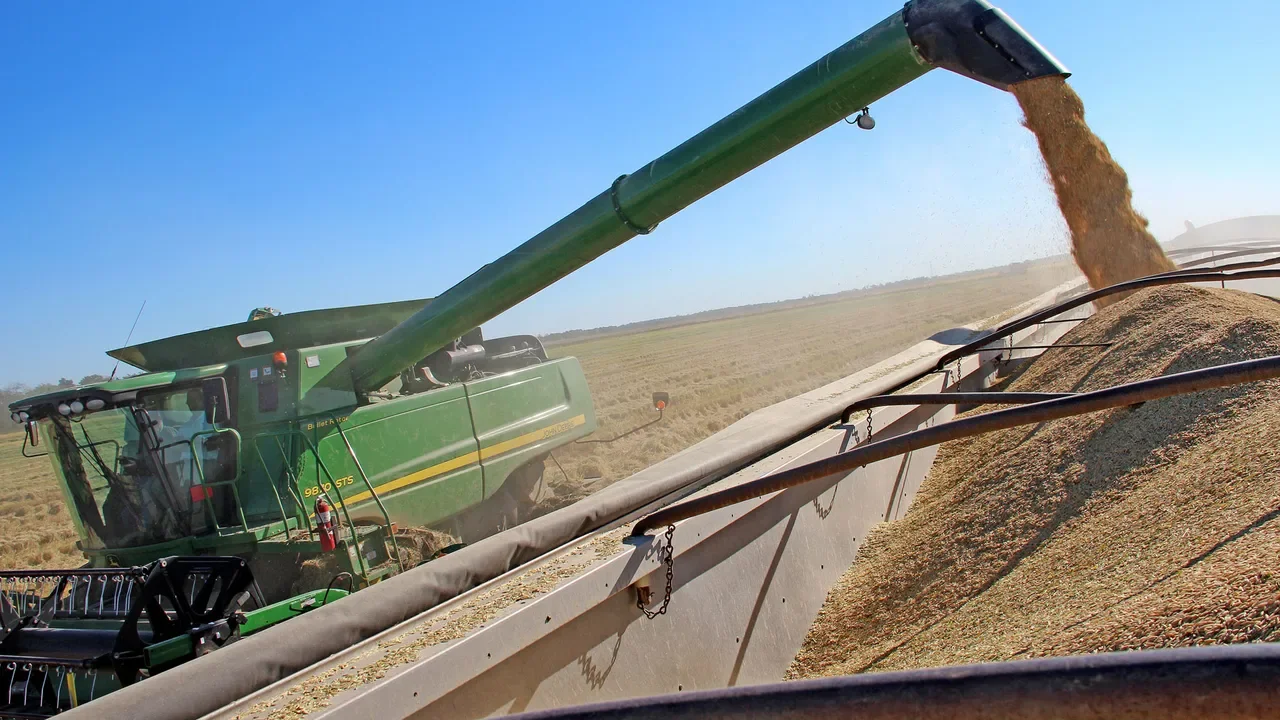
It’s difficult for Southern rice farmers to consider changing horses in midstream, especially when their favorite horse has been producing high yields and winning applause from most all bettors until now.
But there comes a time when you may need to step back and look at whether the race for higher grain yields is the best objective or if producing more rice that some of your traditional customers no longer want is working.
Read More
Can Louisiana Sugarcane Survive Fern’s Freeze?
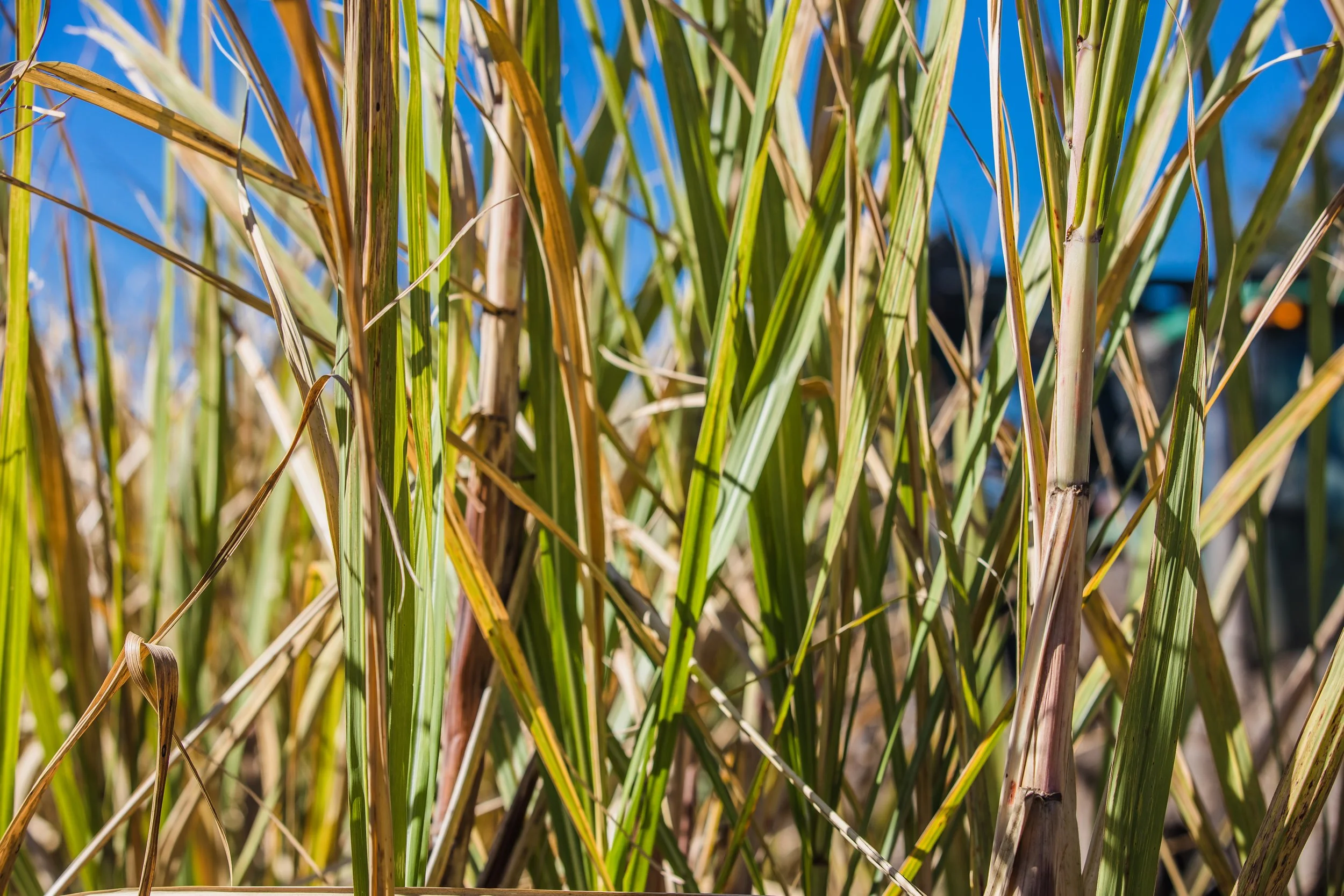
Winter Storm Fern caused chaos across the South and Midsouth with varying forms of moisture and low temperatures. In Louisiana, sugarcane farmers anxiously monitored soil temperatures in hopes of avoiding a large-scale replant on the heels of a stellar season.
Read More
Some Louisiana Farmers Call for Pathway to Permanent Legal Status for Migrant Workers
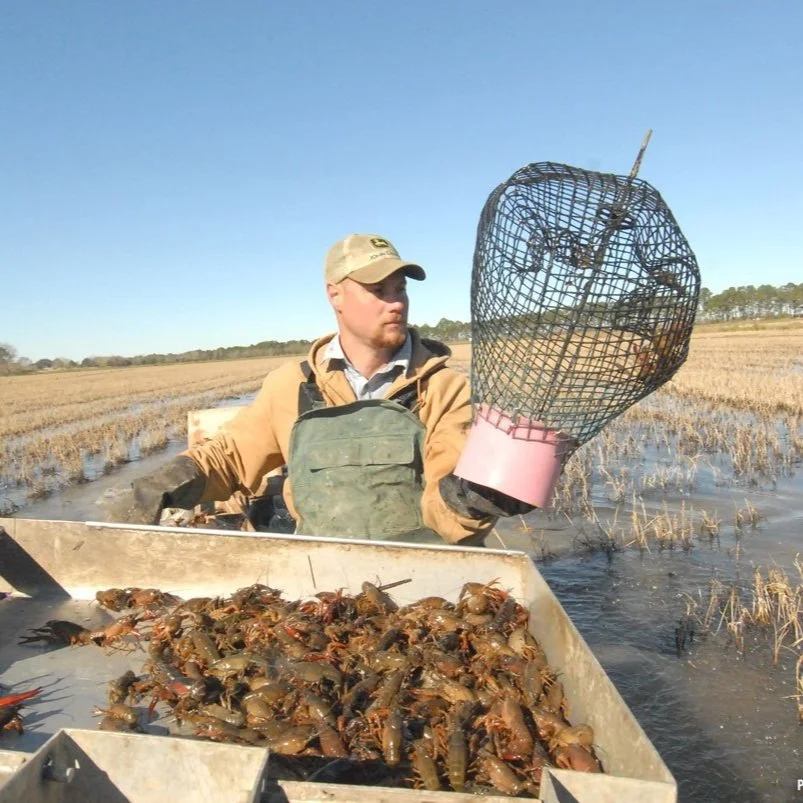
From crawfish to vegetables, Louisiana farmers say much of our food and produce relies on migrant labor.
That has some in the agriculture industry calling for pathways so migrant workers can gain permanent legal status in the United States, not just temporary work visas. We visited three Louisiana farms to find out why.
Read More
Rep. Clay Higgins Asks USDA to Support Louisiana Seafood Industry by Buying Wild-Caught Gulf Shrimp
Rep. Clay Higgins, who represents parts of St. Mary Parish, has asked the U.S. Department of Agriculture to begin purchasing wild-caught Gulf shrimp, large portions of which come from Louisiana's coast.
Read More
USDA to Release Flies Near U.S.-Mexico Border to Fight Screwworm Pest
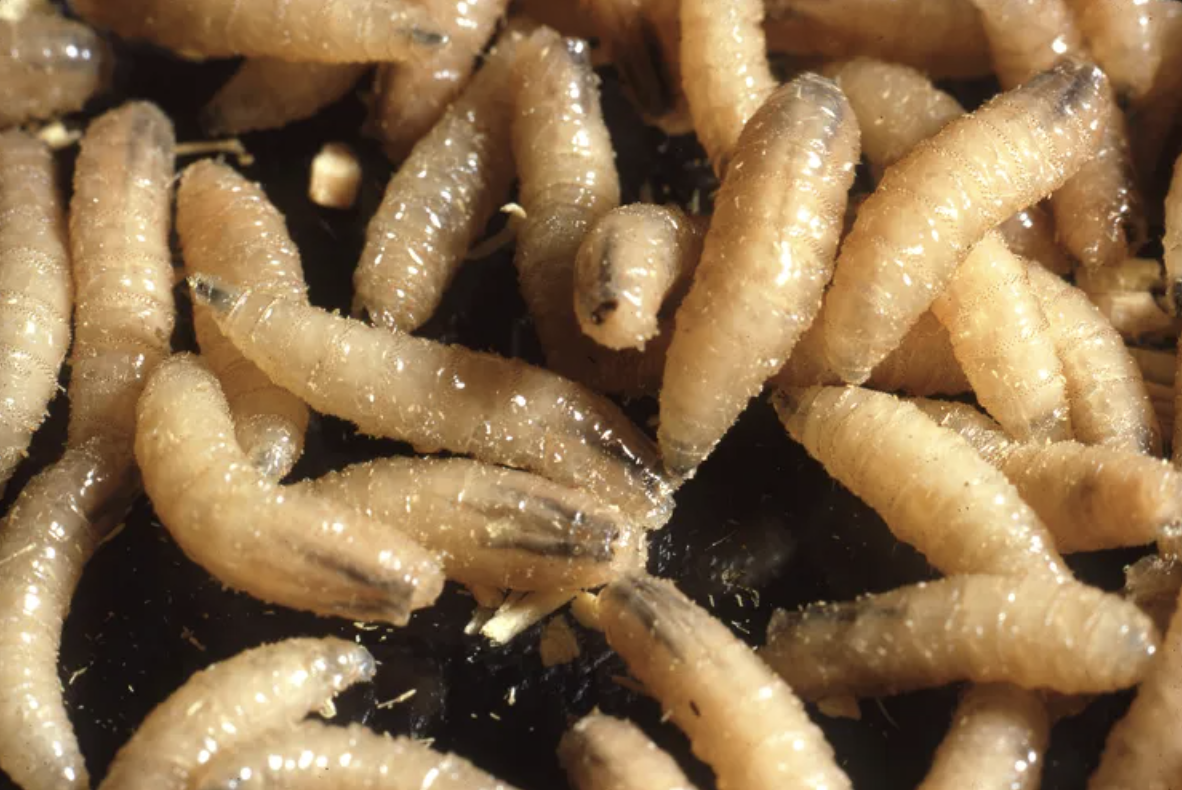
The U.S. Department of Agriculture will disperse glow-in-the dark, sterile flies in Mexico, closer to the U.S. border, and in southern Texas, as officials race to keep flesh-eating New World screwworm pests from spreading in Mexico, the agency said.
Read More
Louisiana Strawberry Growers Manage Freeze-Affected Harvests
Strawberry growers in Ponchatoula, Louisiana, were assessing crop conditions on February 2 as temperatures warmed following an extended cold period. Growers reported that freezing weather can affect strawberry development in more than one way.
Read More
Local Arborist William Manuel Achieves Prestigious ISA Certification
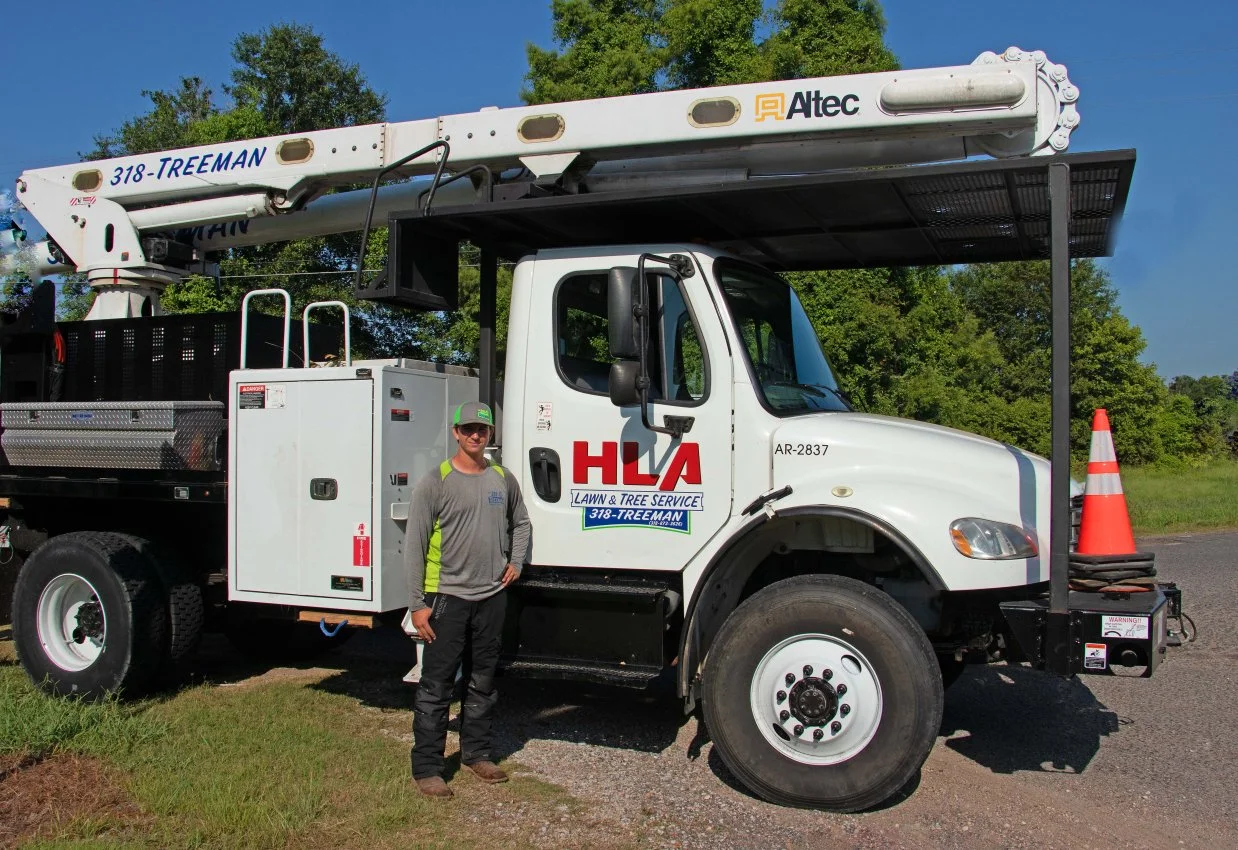
While most young entrepreneurs are just beginning their careers, William Manuel, owner of HLA Tree Service in Hessmer, LA, has already established himself as a dominant force in the Central Louisiana arboriculture industry.
Read More
Comeaux High Teacher, Award Finalist, Says She Puts ‘Heart and Soul’ Into Students and School
In Emily Benoit’s agriculture class at Comeaux High School, she works with students to see how real life is processed, made and grown.
It’s not a concept students are totally unfamiliar with, Benoit said, but they don’t always understand the full picture. She takes pride in seeing students’ understanding grow.
Read More
Report Says EPA Will Approve The Use Of Dicamba This Year
EPA plans to re-register the controversial herbicide dicamba, according to a report in The Washington Post that cites a draft statement seen by the newspaper. The EPA document calls the pending decision "the most protective dicamba registration in agency history," according to the report.
Read More
Contraction Continues In The Cattle Industry
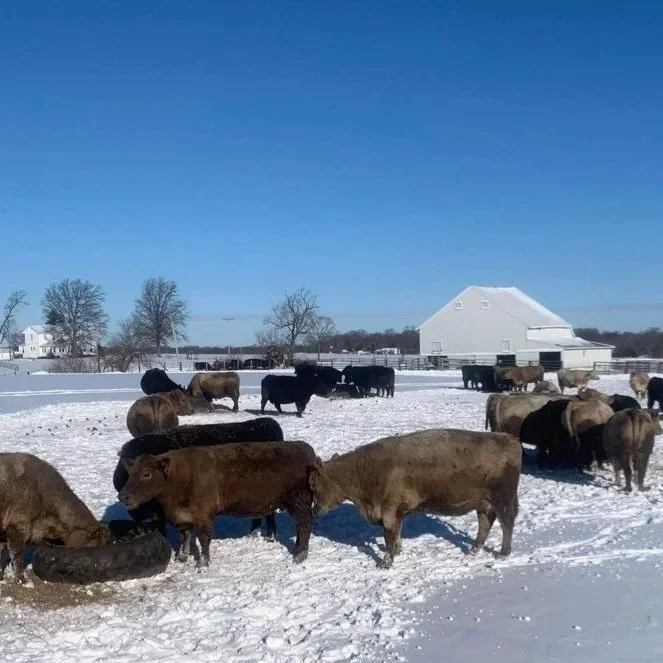
An ag economist says there’s still no signs of expansion in the cattle herd. Josh Maples with Mississippi State University Extension says 2025 was another year of contraction.
Read More
NCBA Releases 2026 Policy Priorities At CattleCon
The National Cattlemen’s Beef Association (NCBA) today announced its 2026 policy priorities following approval by the organization’s Executive Committee at CattleCon 2026. NCBA’s focus centers on policies that directly impact producer profitability, including reducing regulatory costs, defending free markets, expanding trade opportunities, and maintaining strong beef demand.
Read More
Temporary Burn Ban Declared in Avoyelles Parish
A resolution declaring a temporary burn ban in Avoyelles Parish due to extreme fire danger.
Read More