United Soybean Board Farmer-Leaders Set FY24 Budget
The 77 farmer-leaders serving on the United Soybean Board approved $191.5M for the 2024 fiscal year budget. The budget supports research, promotion and education investment portfolios selected through USB’s Portfolio Development Process. These investments drive demand for U.S. Soy and return value to all U.S. soybean farmers. The total budget figure also includes execution, oversight and program support.
Read More
Soil Fertility & Nutrient Management Field Day July 27
The Scott Research, Extension & Education Center in Winnsboro will host a soil fertility and nutrient management field day Thusday, July 27, from 8 AM until 1 PM.
Read More
USDA Accepts Nearly 3 Million Acres In Grassland CRP Signup
The U.S. Department of Agriculture (USDA) is accepting offers for nearly 2.7 million acres from agricultural producers and private landowners through this year’s Grassland Conservation Reserve Program (CRP) signup, which received a record setting sign-up of 4.6 million acres in offers. This working lands program allows producers and landowners to continue grazing and haying practices while protecting grasslands and further the CRP’s impacts.
Read More
Agricultural Policy And Market Situation Newsletter, July, 2023
This policy newsletter provides a summary of the recent ag-policy related developments from the previous quarter.
Read More
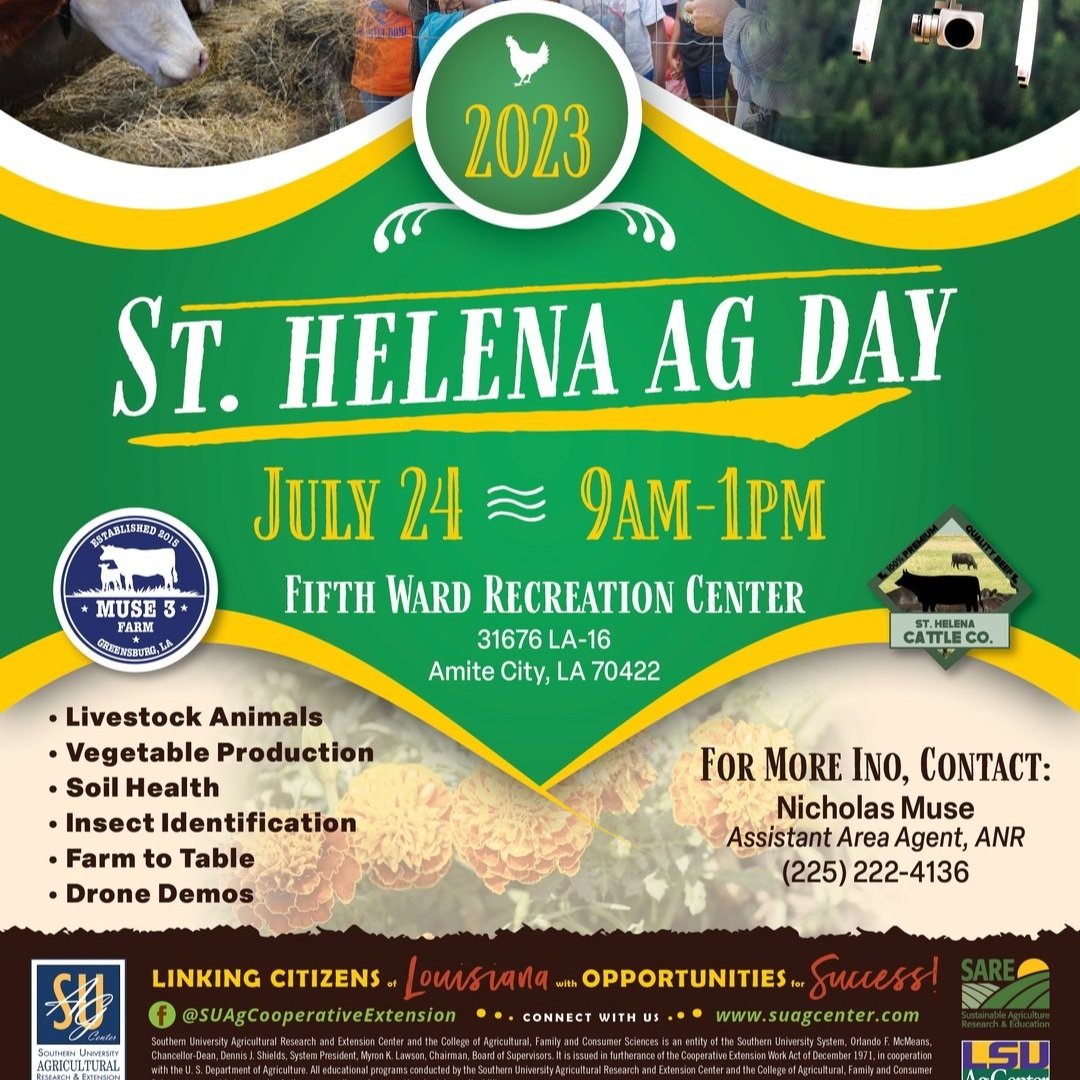
SU Ag Center Set to Hold St. Helena Ag Day on July 24, 2023
The Southern University Ag Center will hold its annual St. Helena Ag Day on July 24, 2023 at the Fifth Ward Recreation Center, 31676 LA 16, in Amite City, LA 70422.
The Ag Day is being held in conjunction with the Sustainable Agriculture Research & Education Program (SARE), MUSE 3 Farm, the St. Helena Cattle Company, and the LSU Ag Center.
Read More
Finding Our Voice
Terns lifted off from the rice field, a raccoon hunched across the road and the sun dropped another few inches while Paul Johnson thought about his greatest challenge as a farmer. Maybe he had to think about sorting through many to choose one.
Read More
Cotton, Corn & Soybean Field Tour Set For St. Jo Research Station
A field tour to display research being carried out at the LSU AgCenter’s St. Jo location is set for Tuesday, July 25, starting at five o’clock.
It will feature talks on row spacing, fertility, weed control, disease and insect control. There will also be one stop showing the difference between planting cotton into two different cover crops.
Read More
Meet The Man Sampling Red Beans And Rice Plates Across Southeast Louisiana
Devin Snow is a red beans and rice connoisseur. He is the man behind a weekly segment called "RB&R Day," where he samples red beans and rice plates across the region. While he mostly focuses on the mom-and-pop shops in southeast Louisiana, he has traveled to Baton Rouge, Shreveport and Mississippi.
Read More
USDA Invests $7.4 M In 25 Urban Agriculture & Innovative Production Efforts
The U.S. Department of Agriculture (USDA) is investing $7.4 million in 25 selected grants that support urban agriculture and innovative production. Selected grant recipients, including community gardens and nonprofit farms, will increase food production and access in economically distressed communities, provide job training and education, and allow partners to develop business plans and zoning proposals.
Read More
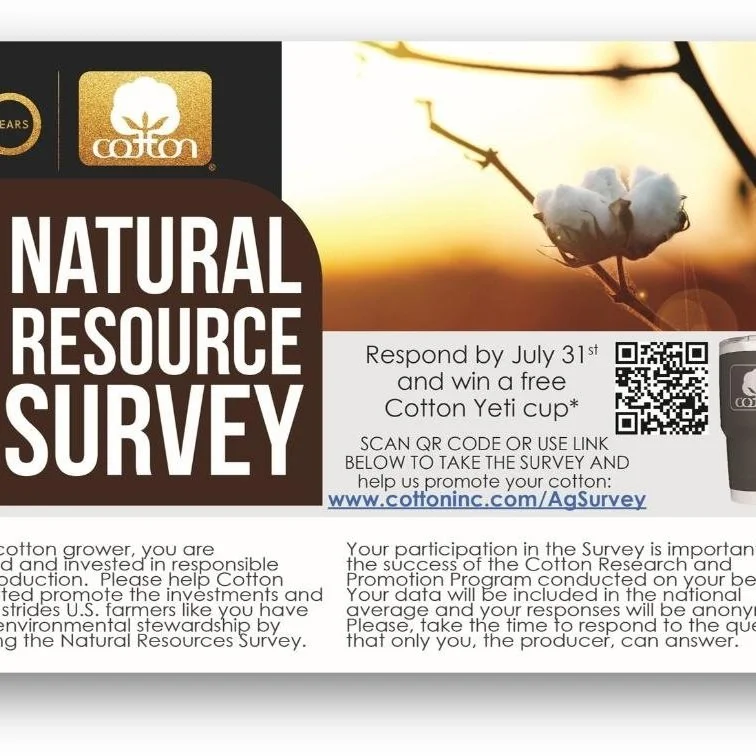
Producer Input Needed For Cotton Incorporated's Natural Resource Survey
Cotton Incorporated is conducting a Natural Resource Survey with all U.S. cotton producers. This survey will guide Cotton Incorporated's future research priorities and help document U.S. cotton production improvements. The online survey should take 25 to 35 minutes to complete, and participants who complete the survey before July 31st will be mailed a free 30oz YETI Rambler cup featuring the Seal of Cotton trademark.
Read More
USDA Sugarcane Research Unit Hosted 100th Anniversary Cane Field Day
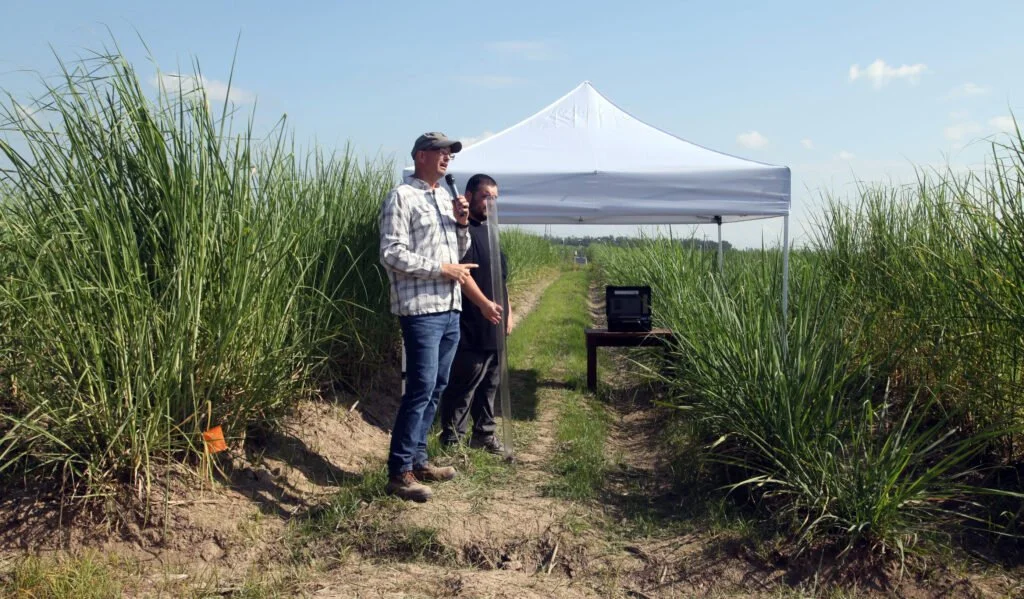
The United States Department of Agriculture’s Sugarcane Research Unit in Houma hosted a June 1, 2023 sugarcane field day at its Schriever farm to highlight its centennial of cane research activities in Louisiana.
Read More
Desiccating Soybean For Harvest In Louisiana
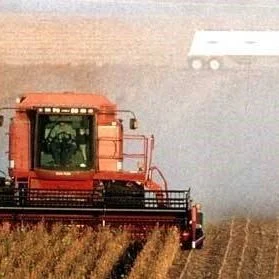
It is important to follow the label when applying any pesticide, including those labeled for harvest aid in soybean. Some restrictions found on harvest herbicide labels include soybean growth habit (indeterminate versus determinate), growth stage, percent mature pods and percent leaf drop. It is important to follow restrictions on spray volumes and preharvest intervals. Table 1 list herbicides that are labeled for preharvest application in soybean.
Read More
Food & Farmworkers Press Congress on Farm Bill Topics
For the first time, rank-and-file laborers in the food and farming sectors had a chance to jointly speak directly with congressional staffers about their needs for the next farm bill.
Read More
Shake the Disease? Plant Reduced Soybean Pops
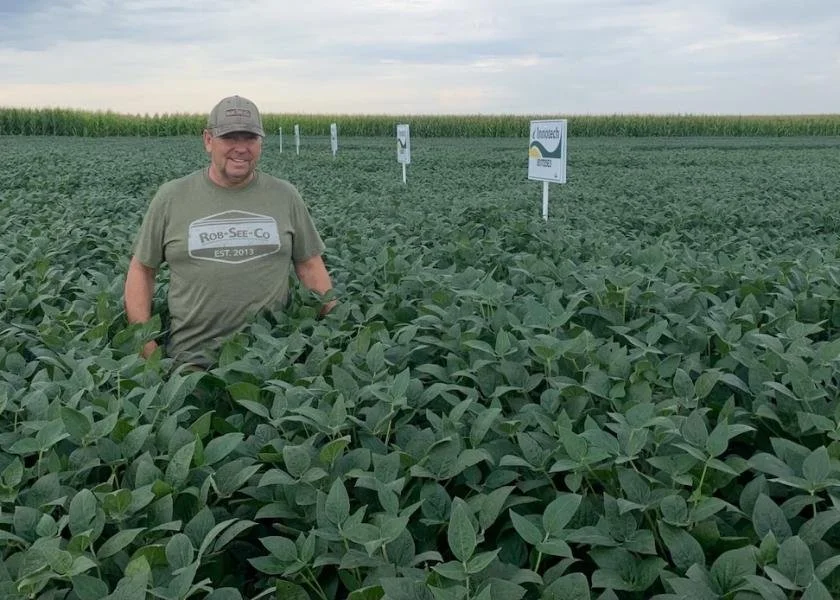
In Bob Lindeman’s soybean rows, planting populations are on a general decline, and the reduction is not about saving dollars up front, but on combating mold and rot.
Read More
USDA Taking 'Extraordinary Measures' to Help Borrowers
Not long after President Biden signed the Inflation Reduction Act last Aug. 16, USDA announced it was providing $800 million of IRA funding to make about 11,000 direct and guaranteed loan borrowers current in their payments.
Those funds were made available through Section 22006 of the Act, which allocated $3.1 billion for USDA to expeditiously provide relief for “distressed USDA borrowers whose agricultural operations are at risk.”
Read More