Managing Corn Earworm Infestations In Louisiana Soybean Fields
Recently, there have been increased reports of corn earworms infesting soybean fields across the state. Corn earworm (aka bollworm or soybean podworm) can cause occasional but severe damage to soybean. The primary damage caused by corn earworm occurs during the larval stages when the insect feeds on the soybean flowers and pods. This feeding activity leads to direct yield losses as pods abort, or the larvae consume or injure developing seeds.
Read More
Nematode Research Showing Progress In Finding Solutions
The reniform and Southern root-knot nematodes are the two most common nematodes found in Louisiana agricultural fields. These microscopic animals can cause big yield losses, and one scientist with the LSU AgCenter is working on solutions to this problem. AgCenter reporter Craig Gautreaux has the story.
Read More
Louisiana Rice Crop Benefitting From Hot, Clear Days With Harvest Starting Soon
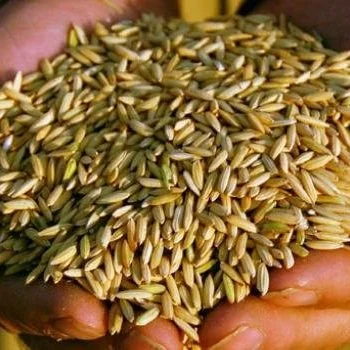
Hot, sunny weather has quickly matured rice crops across Louisiana, and combines will soon begin harvesting what is expected to be a good crop for growers. LSU AgCenter reporter Craig Gautreaux has the story from southwest Louisiana.
Read More
Shaking Out the Good Stuff - 4-H It's Not Just 'Cows and Cooking'
This week's shaking out the good stuff spotlight falls on a tradition that's been a part of the American landscape, especially in rural communities, since the early 1900s. The idea was to provide young people with practical hands-on learning about the rigors of life on the farm. From those very humble beginnings, 4-H has grown across the nation and the world to being one of the most respected and well-known youth organizations in the world.
Read More
Jubilee Justice Regenerative Farming: Tackling Racism With Rice
How do you nurture the soil, feed hungry bodies, and heal hurt people and places in these stressed-out times? In Central Louisiana, on five acres of what was once a cotton plantation called “Hard Times,” a network of Black farmers is leading an experiment in rice-growing, regeneration and repair.
Read More
“Women In Agriculture” Bill Introduced, Gives Ag Machinery High Research Priority For Women
The Women in Agriculture Act would create a Women Farmers and Ranchers Liaison at the U.S. Department of Agriculture (USDA), establish a research priority for agriculture machinery and equipment designed to be used by women, and create a funding set aside for childcare facilities in rural areas.
Read More
53rd Annual LSU AgCenter State 4-H, FFA Horseshow Results
The LSU AgCenter hosted the 53rd annual Louisiana 4-H and FFA State Horseshow from July 10 to 14, at the Lamar-Dixon Expo Center in Gonzales, celebrating the project achievements of youth in the Louisiana 4-H and FFA projects during the past two years.
Hilton Waits, State Horse Show superintendent, reports this year 170 exhibitors participated with 240 horses.
Read More
Why Does The Black Sea Grain Deal's Expiry Matter?
A deal allowing Ukraine to export grain via the Black Sea will expire at the end of Monday after Russia said it will suspend its participation.
The deal, brokered by the United Nations and Turkey last July, aimed to alleviate a global food crisis by allowing Ukrainian grain blocked by the Russia-Ukraine conflict to be exported safely.
Read More
Chronic Wasting Disease Lingers For Louisiana Deer
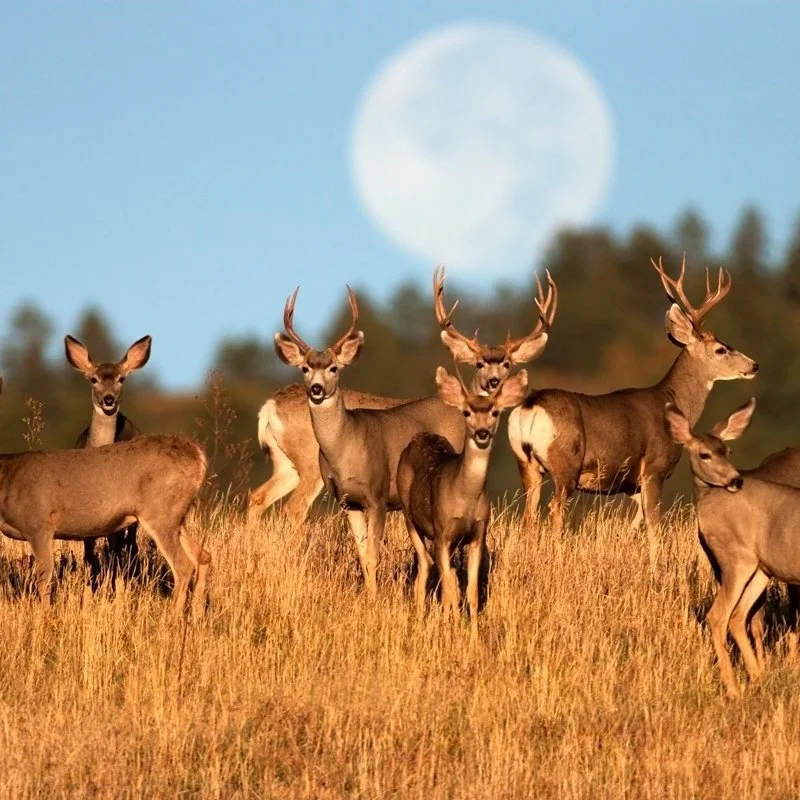
There is a deadly ailment lurking in the woods of northeast Louisiana that scientists don’t fully understand, and it has the potential to decimate the state’s deer population over time.
Read More
The Economic Benefit To Louisiana When Schools Purchase Local Foods
Each school day in the United States, approximately 29.6 million children eat lunch at school. The food necessary to prepare these meals on a daily basis makes K-12 sales a unique opportunity for farmers and ranchers to service their local institutions. This venture into local food systems is part of a nationwide farm to school movement.
Read More
Local 4-Hers Receive Grant to Combat Food Insecurity and Period Poverty in East Baton Rouge & East Feliciana Parishes
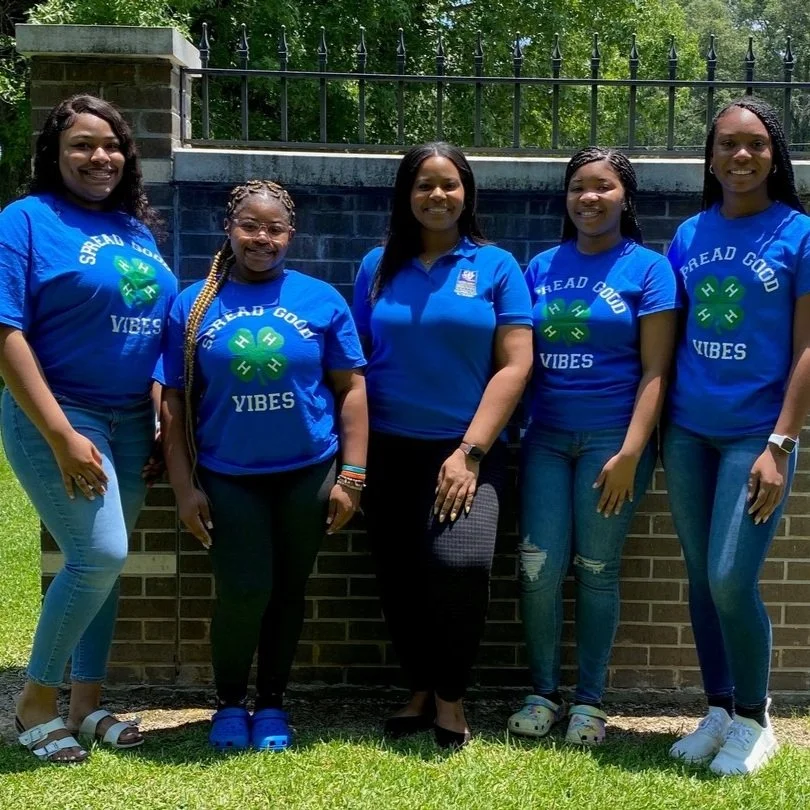
In a rapidly changing world, 4-H teens are the next generation of leaders that will solve systemic challenges in global food production, sustainability, and equity. Here in East Baton Rouge and East Feliciana Parishes, a team of local teens are hard at work after being awarded $2,000 to address a community issue after attending the Ignite by 4-H Summit hosted by the National 4-H Council.
Read More
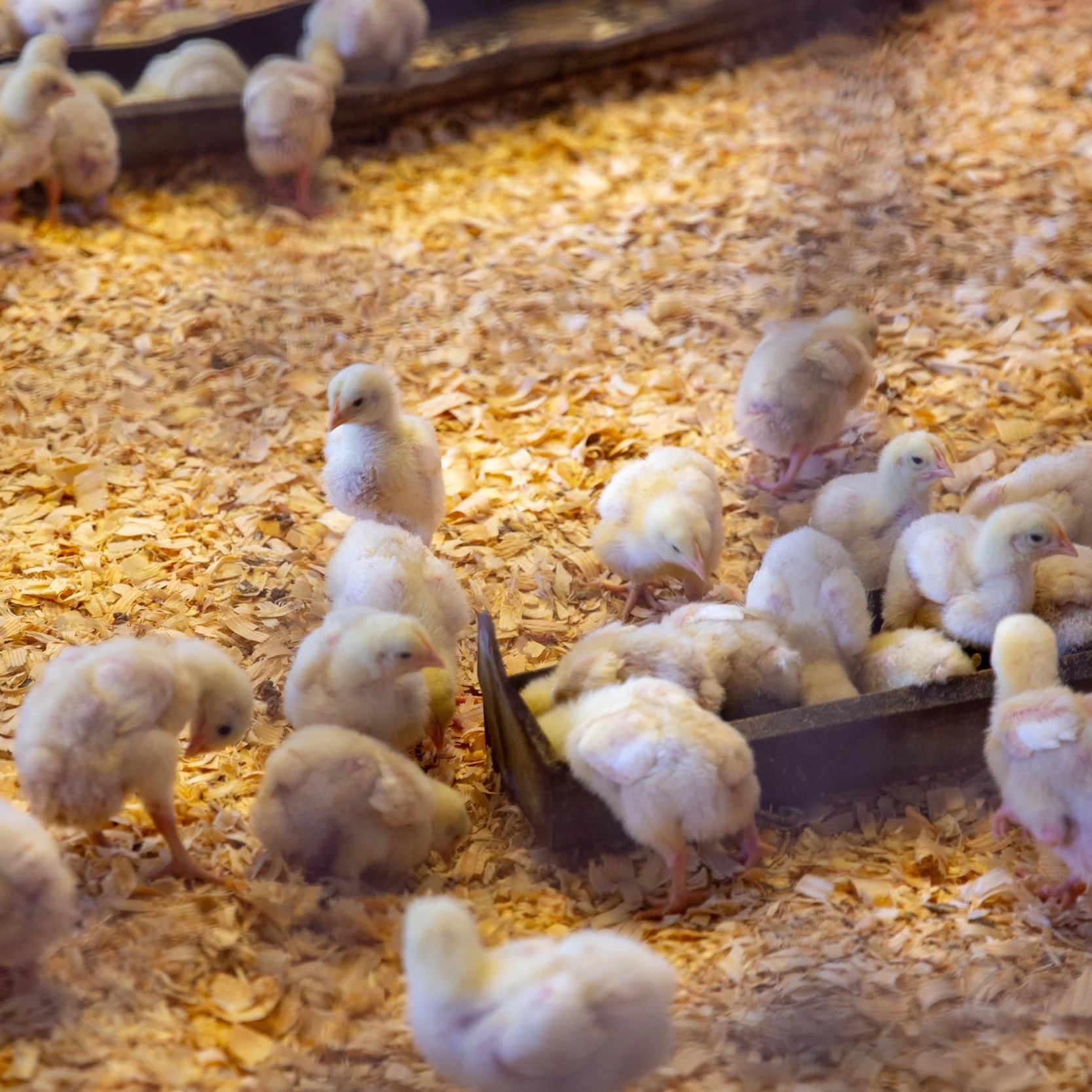
House of Raeford Farms Supports MedCamp Mission
For nearly 10 years, the House of Raeford Farms FLOCK team in Arcadia, Louisiana, has provided support for MedCamps of Louisiana. Through its series of summer programs, MedCamps creates a world of fun for kids with special needs.
Read More
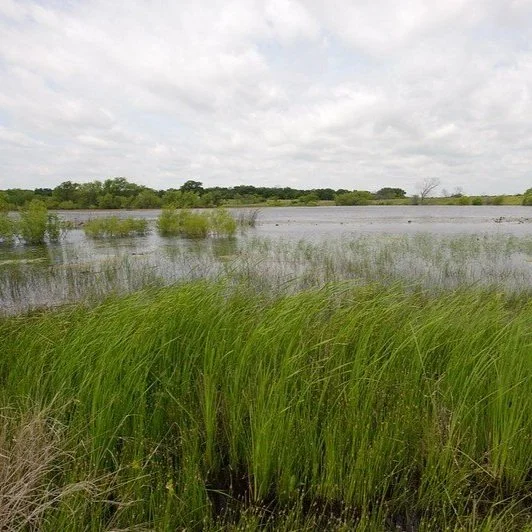
How an Idaho Couple’s Fight to Build a Home Near a Lake Might Affect Louisiana’s Wetlands
In 2007, an Idaho couple wanted to build a home near a lake; the Environmental Protection Agency stopped them. Fifteen years later and 2,300 miles away, the ensuing legal battle has launched the protection of some Louisiana wetlands into uncertainty.
Read More
Heart of Louisiana: Pine Snake
As the forest service works to restore Louisiana’s Longleaf Pine habitat, it’s also bringing in more snakes. Hundreds of rare Louisiana pine snakes are being released into the woods of Central Louisiana.
There is something special about a Longleaf Pine Forest.
Read More
Crop Market Report: July, 2023
This month’s 2023/24 U.S. corn outlook calls for fractionally higher supplies and ending stocks. Corn beginning stocks were lowered by 50 million bushels, as greater feed and residual use for 2022/23 more than offsets reductions in corn used for ethanol and exports. Corn production for 2023/24 is forecast up 55 million bushels as greater planted and harvested area from the June 30th Acreage report is partially offset by a 4.0-bushel reduction in yield to 177.5 bushels per acre.
Read More