Mississippi River Near Historic Lows, Grain Exports At Risk
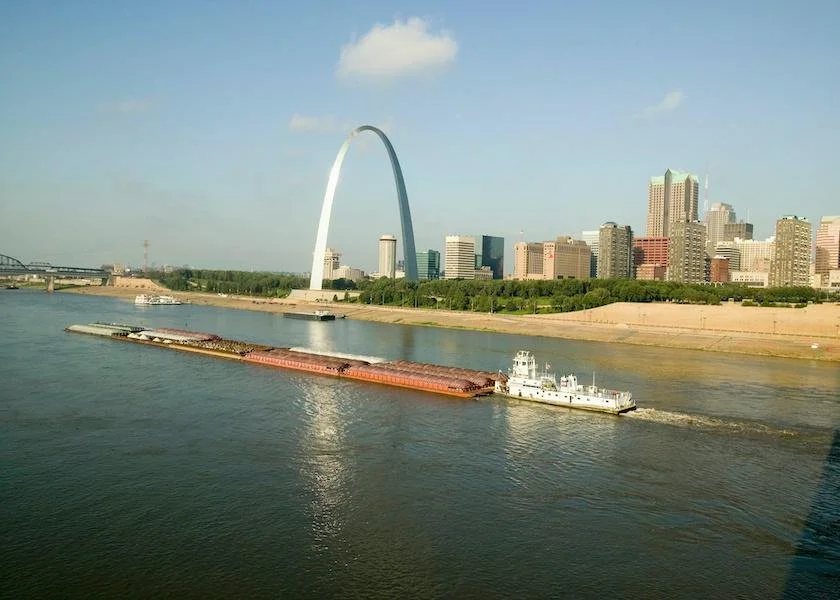
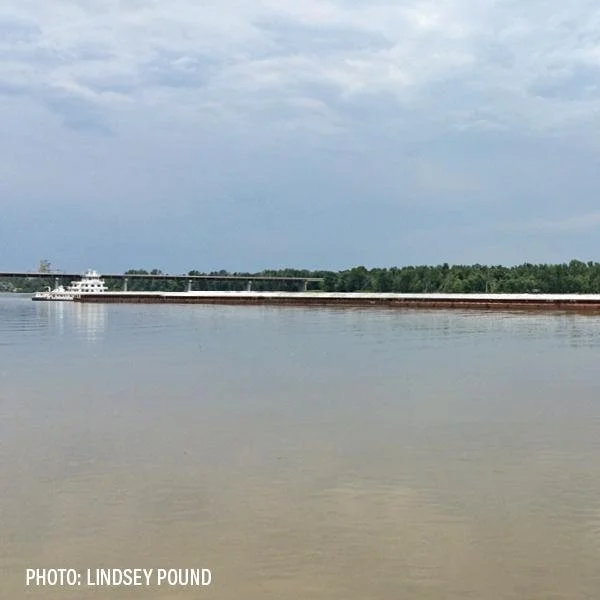
A key stretch of the lower Mississippi River dropped this week to within inches of its lowest-ever level and is expected to remain near historic lows just as the busiest U.S. grain export season gets underway, according to the National Weather Service (NWS).
Read More
Low Water Levels May Plague Agriculture This Fall and Winter
From the Mississippi River to the Panama Canal, this year’s drought has resulted in low water levels that are likely to disrupt agricultural production and trade through at least the end of the year.
Read More
Low River Levels: The Sequel No One Wants To Watch
It’s game time says Soy Transportation Coalition executive director Mike Steenhoek, and key waterway infrastructure systems are not ready.
“There's a couple times a year where it's game time more than others, and harvest season is one of those periods and you need to have our supply chain operating on all cylinders,” Steenhoek says.
Read More
Severe Weather and Low Mississippi River Levels Bring Uncertainty to Harvest
2023 has already yielded its fair share of major weather disasters. The National Oceanic and Atmospheric Administration has confirmed 15 weather disasters with total economic losses exceeding $1 billion each as of August 8.
Read More
Get Prepared During Flood Awareness Week
August 21 to 25 is Louisiana Flood Awareness Week, an opportunity to educate citizens on the many ways to prepare for floods and mitigate future damage.
“Anywhere it can rain, it can also flood,” said Carol Friedland, director of the LaHouse Research and Education Center. “Staying prepared and weather aware during a flood is important to keep Louisiana communities safe.”
Read More
Farmers Taking Loss As Extreme Heat Affects Crops & Could Affect Crawfish
Ray Schexnayder, with Schexnayder & Sons LLC, understands that as much as anyone. He says his farm will be short about 25 to 30 bushels of corn this year. Since corn can be used to help catch crawfish, it could affect how much are caught, and might affect the price next season.
Read More
The Midwest is Set to Bake Under High Heat, Ag Meteorologists Now Worry About Severe Crop Damage
Portions of the Midwest could see the most challenging weather yet this year, and according to leading ag meteorologists, it's creating more concerns for crop conditions. With heat forecast to top 100 degrees, along with little rain in this week’s forecast, crop conditions could deteriorate and the biggest risk in the western Corn Belt.
Read More
Sweltering Summer Could Contribute to Lower Crop Yields
The hot and dry summer we’ve been experiencing is likely to limit the yields for some of the state’s key crops, like rice. Louisiana Rice Specialist Ronnie Levy with the LSU Ag Center said if planted late in the season, anything flowering now could affect pollination.
Read More
The 2023 Atlantic Hurricane Season Is Now Underway. Here's What To Know
It's time for residents along the southeastern U.S. coastlines to make sure their storm plans are in place as the 2023 Atlantic hurricane season gets underway on Thursday.
Forecasters are predicting a “near-normal” season, but Mike Brennan, the new director at the National Hurricane Center in Miami, stressed during a Wednesday news conference that there's really nothing normal when it comes to hurricanes.
Read More
It’s Been a Rainy Week, but Drought Persists in Parts of Louisiana. Here’s Why
Louisiana's months-long drought could be coming to an end soon.
The U.S. Drought Monitor, a collaboration between the National Oceanic and Atmospheric Administration, National Drought Mitigation Center and U.S. Department of Agriculture, has designated most of southeast Louisiana as abnormally dry, with some areas experiencing moderate drought.
Read More
What El Nino Watch Means For Louisiana And Mississippi
An El Niño Watch has been issued by the National Oceanic and Atmospheric Administration (NOAA). Experts at NOAA’s Climate Prediction Center (CPC) that monitor global patterns issue a watch when conditions favor the development of El Niño within the next six months.
Read More
USDA Expands Hurricane Insurance Protection
Farmers may now be eligible for further protection against damaging tropical storms. After hearing directly from agricultural producers, the U.S. Department of Agriculture (USDA) is expanding its Hurricane Insurance Protection-Wind Index (HIP-WI) Endorsement with a Tropical Storm Option. USDA’s Risk Management Agency (RMA) will offer this option for the 2023 crop year.
Read More
Climate Continues to Challenge Agriculture
The average annual temperature of the contiguous United States was 53.4 degrees F, which is 1.4 degrees F warmer than average, ranking in the warmest third of the record.
Annual precipitation for the contiguous United States was 28.35 inches, 1.59 inches less than average, ranking in the driest third of the historical record.
Read More
Low Water Levels on Mississippi River Pose Another Economic Threat
The U.S. supply chain might be on the receiving end of a 1-2 punch that could crater an economy veering toward a possible recession.
In addition to a possible strike by railroad workers, a drought in the Midwest has slowed barge traffic on the Mississippi River, which is at the lowest water levels in 23 years.
Read More
Lower Mississippi River Levels Mean Problems for Farmers and Could Mean Higher Consumer Prices
Due to a month-long lack of rain in the Mississippi Valley, river levels are more than 10 feet below normal, causing cruise ships to run aground and preventing cargo ships and barges from dropping off crops at their destination docks.
Louisiana officials are calling for more dredging of the river to try and ease a problem that they say will wind up costing consumers.
Read More