USDA Announces $52 Million To Boost Public Access To Private Lands For Hunting And Fishing
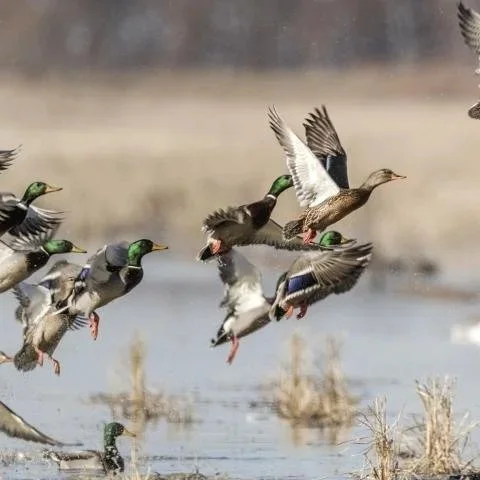
The U.S. Department of Agriculture (USDA) is announcing $52 million to help state and tribal governments encourage private landowners to allow public access to their land for hunting, fishing and other wildlife-dependent recreation through the Voluntary Public Access and Habitat Incentive Program (VPA-HIP). USDA’s Natural Resources Conservation Service (NRCS) is accepting applications through June 8, 2026 on Grants.gov for this program that benefits landowners and the public.
Read More
USDA Issues Second Supplemental Disaster Payment to Farmers, Extends Program Application Deadline to August 12
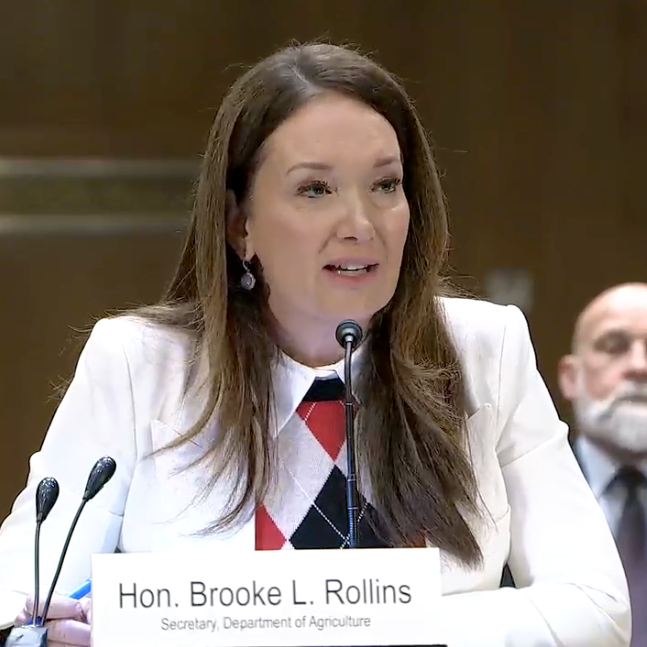
U.S. Secretary of Agriculture Brooke L. Rollins today in Missouri announced the U.S. Department of Agriculture (USDA) is maximizing disaster assistance support for producers by issuing a second Supplemental Disaster Relief Program (SDRP) payment to eligible producers who have approved program applications for losses due to natural disasters in calendar years 2023 and 2024.
Read More
GOP: House Farm Bill has Broad Support
House Republican leaders are ramping up efforts to secure support for a sweeping farm bill ahead of a planned vote this week, according to reports.
Read More
USDA's Rollins Signals Possible Action Soon On Fertilizer Prices
Ag Secretary Brooke Rollins says it will require a significant effort from the administration to help improve fertilizer costs in the short term.
Read More
USDA Designates 21 Mississippi Counties Natural Disaster Areas Due To Recent Drought And Six Parishes in Louisiana
This Secretarial natural disaster designation allows the United States Department of Agriculture (USDA) Farm Service Agency (FSA) to extend much-needed emergency credit to producers recovering from natural disasters through emergency loans. Emergency loans can be used to meet various recovery needs including the replacement of essential items such as equipment or livestock, reorganization of a farming operation, or to refinance certain debts.
Read More
USTR's Callahan Says Tariff Policy Delivering Results For Agriculture
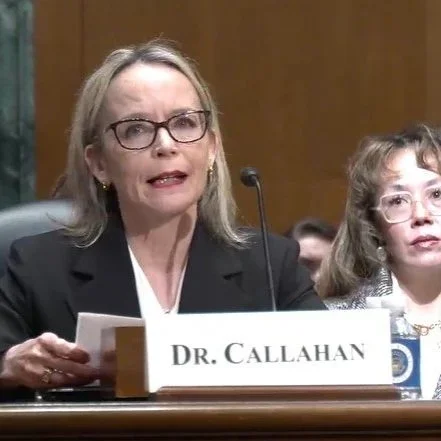
The Trump administration’s top ag trade official says the tariff policy has been a game changer for the industry.
Read More
Secretary Rollins Announces the Creation of the USDA Office of Seafood
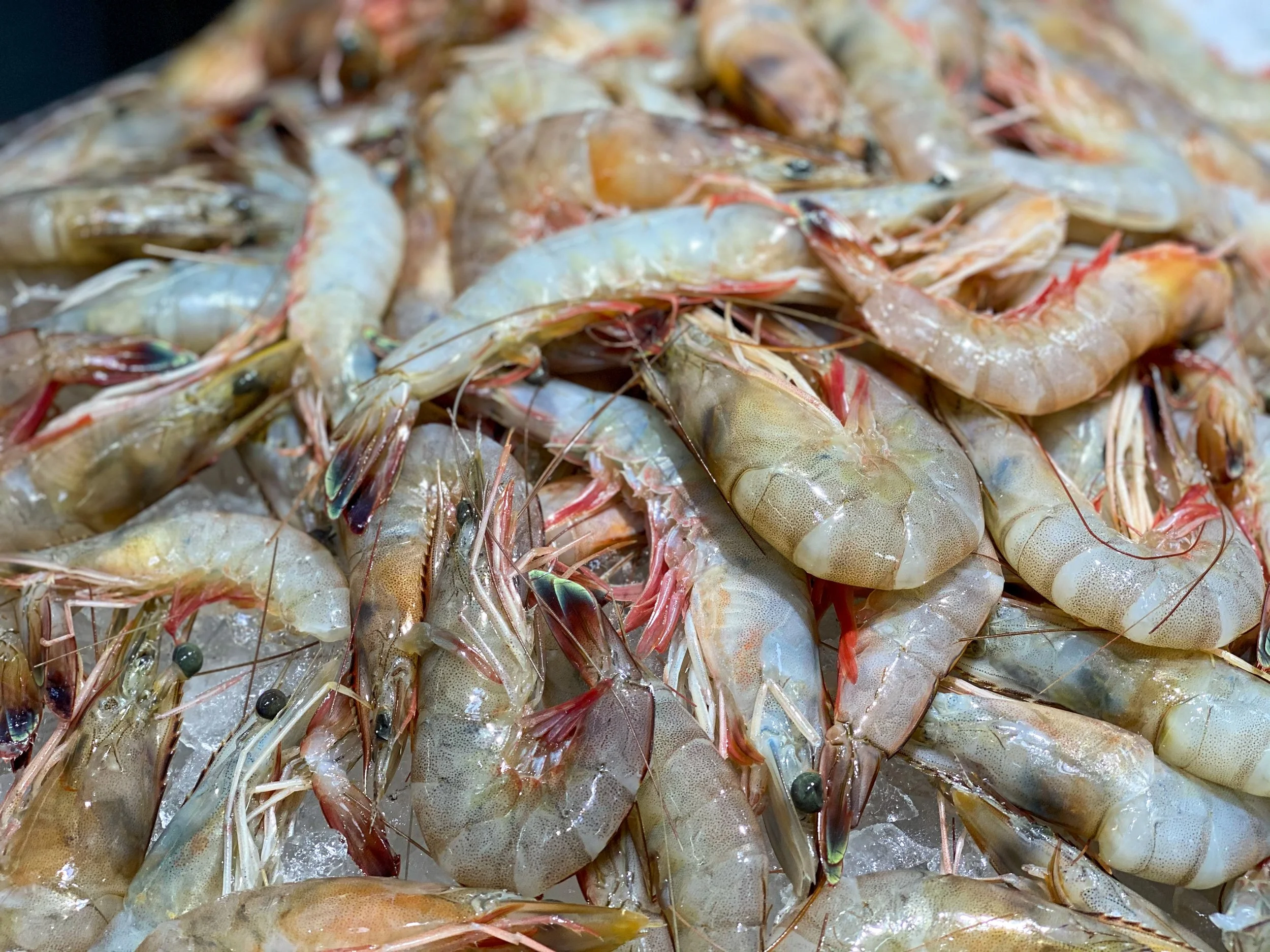
The U.S. Department of Agriculture has officially launched its first-ever Office of Seafood, marking a historic moment for commercial fishermen, aquaculture producers, and seafood processors across the country. The announcement was made April 15 by Secretary of Agriculture Brooke L. Rollins alongside Alaska Sen. Dan Sullivan and other federal officials.
Read More
U.S. To Use Tariff Funds To Offset High Fertilizer Prices
The Trump administration is preparing to direct tens of billions of dollars from tariffs and renegotiated trade deals toward strengthening domestic fertilizer production, according to Agriculture Secretary Brooke Rollins.
Read More
25 Parishes Declared Disaster Areas Due To Drought
The Secreary of Agricuture has designated 25 Parishes here in Louisiana as Natural Disaster Areas due to the recent drought.
Read More
USDA Secretary Rollins Urges Expansion Of Key Farm Funding Tool
Agriculture Secretary Brooke Rollins is calling on Congress to increase the borrowing authority of a key federal funding mechanism used to support farmers during economic stress. Rollins said the current $30 billion limit for the Commodity Credit Corporation may be insufficient to address rising production costs, market volatility and potential disaster relief needs.
Read More
Senate Ag Chairman Boozman Sees Farm Bill Markup Happening in 'Weeks'
Ag committee lawmakers returned to Washington after the Easter recess with continued optimism that passage of a new, five-year farm bill is on the horizon.
Read More
USDA Delivers Over $2.5 Million In On-Farm Stored Commodity Loss Payments To Disaster-Impacted Farmers
The U.S. Department of Agriculture (USDA) Farm Service Agency (FSA) is issuing over $2.5 million in payments through the On-Farm Stored Commodity Loss Program (OFSCLP) to producers who suffered losses of eligible harvested commodities stored in on-farm structures in 2023 and/or 2024 due to a qualifying natural disaster event.
Read More
USDA Announces 2026 Cotton Loan Rate Differentials
The U.S. Department of Agriculture’s (USDA) Commodity Credit Corporation today announced the 2026-crop loan rate differentials for upland and extra-long staple cotton.
Read More
USDA Announces Investments In Specialty Crop Programs
USDA announced a major increase in funding for specialty crop programs, with more than $275 million in grants available for fiscal year 2026. Ag Secretary Brooke L. Rollins, alongside Michigan Representative Tom Barrett, shared that the funding will be distributed through key USDA programs, including the Specialty Crop Research Initiative, the Specialty Crop Block Grant Program, and the Specialty Crop Multi-State Program.
Read More
USDA Seeks Farmer Input in Fertilizer Price Collusion Probe
The Trump administration is seeking information from farmers to help with an ongoing Justice Department probe into high costs for fertilizer, machinery and other farm inputs.
Read More