Farmers are in position to get federal assistance because of President Trump’s $12 billion financial aid package for producers. LSU AgCenter economist Michael Deliberto says it’s needed as farmers suffered through a tough 2025.
Read More
Farmers are in position to get federal assistance because of President Trump’s $12 billion financial aid package for producers. LSU AgCenter economist Michael Deliberto says it’s needed as farmers suffered through a tough 2025.
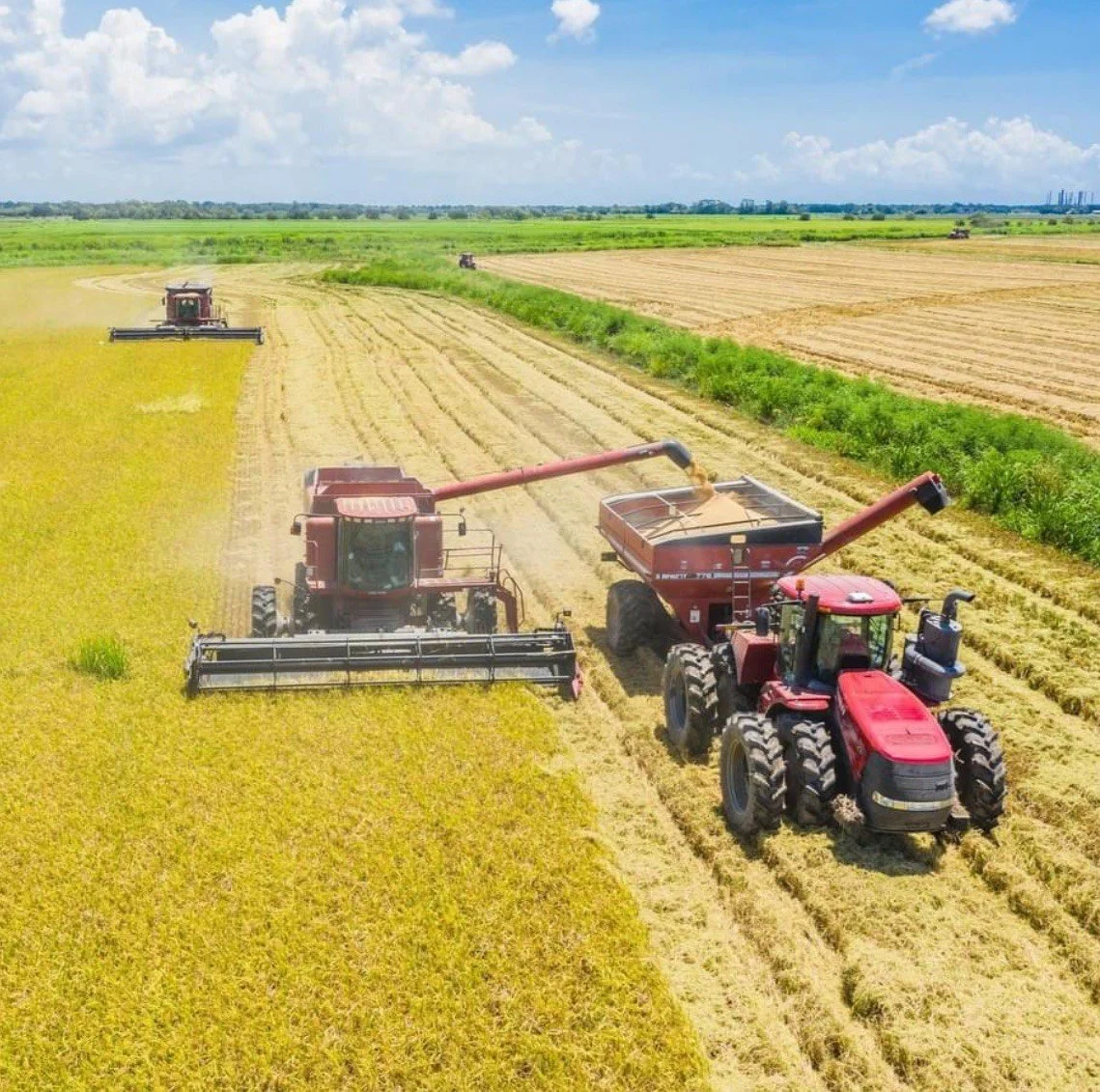
Read MoreSouthwest Louisiana farmers gathered at the LSU AgCenter “H. Rouse Caffey” Rice Research Station today to learn about qualifying for federal aid after what many described as a particularly challenging year.
The Trump administration’s Farmer Bridge Program will provide relief in $12 billion in direct aid as soon as the end of February. The administration said the program addresses temporary trade market disruptions and increased production costs.
Read MoreAgri-Pulse's Lydia Johnson reported that "the Agriculture Department will complete a reorganization of more than half the current D.C.-based staff to five regional hubs across the U.S. by the end of 2026, Deputy Agriculture Secretary Stephen Vaden says on Agri-Pulse Newsmakers."
Read MoreUS Trade Representative Jamieson Greer says the US could withdraw from its tri-lateral trade deal with Canada and Mexico. He says there are several options heading into the review of the US-Canada-Mexico Agreement in 2026. “Could it be exited?” he says. “Yes, it could be exited. Could it be revised? Yes. Could it be renegotiated? Yes. That is the purpose of that clause, and all of those things are on the table.”
Read MorePresident Donald Trump has delivered on his promise to provide aid to U.S. farmers hit by his sweeping tariff policy, but that hasn’t freed the agriculture industry from worries of tight margins and volatile markets.
Read MoreThe U.S. Department of Agriculture’s (USDA) National Agricultural Statistics Service (NASS) will conduct the 2025 Organic Survey. In Early December, NASS will mail survey codes to respondents with an invitation to reply online. NASS will follow up by mailing the full questionnaire in early January. Last conducted in 2021, this Census of Agriculture special study will look to gather new data on organic production, marketing practice, income, and expenses in the United States. This effort is critical to help determine the economic impact of organic agriculture production on the nation. The results will be available on October 30, 2026.
Read MoreUS growers say the Trump administration’s US$12 billion (S$15.5 billion) aid package brings temporary relief, but is unlikely to kickstart a lasting recovery for the American farm economy.
President Donald Trump on Dec 8 unveiled a package to a key base of support that includes as much as US$11 billion in one-time payments to crop farmers who have been hit hard by his tariff regime and low crop prices.
Read MoreUnveiling a US $ 12-billion farm aid package at the White House a day ago on December 8, US president Donald Trump further raised the tariff heat on India on the topic of rice exports.
Trump’s aid package is aimed at helping farmers who are impacted by low crop prices.
Read MoreCongresswoman Julia Letlow released the following statement on President Trump’s announcement of $12 billion in support for farmers affected by recent economic and trade disruptions. Letlow introduced legislation in June that would equip the Trump Administration to support farmers suffering from trade-related losses.
Read MoreMonday afternoon, President Donald Trump and USDA Secretary Brooke Rollins announced the Farmer Bridge Assistance Program which will provide $11 billion to U.S. row crop farmers, including rice, as an economic bridge until next year’s One Big Beautiful Bill investments kick in through the Agricultural Risk Coverage and Price Loss Coverage Programs.
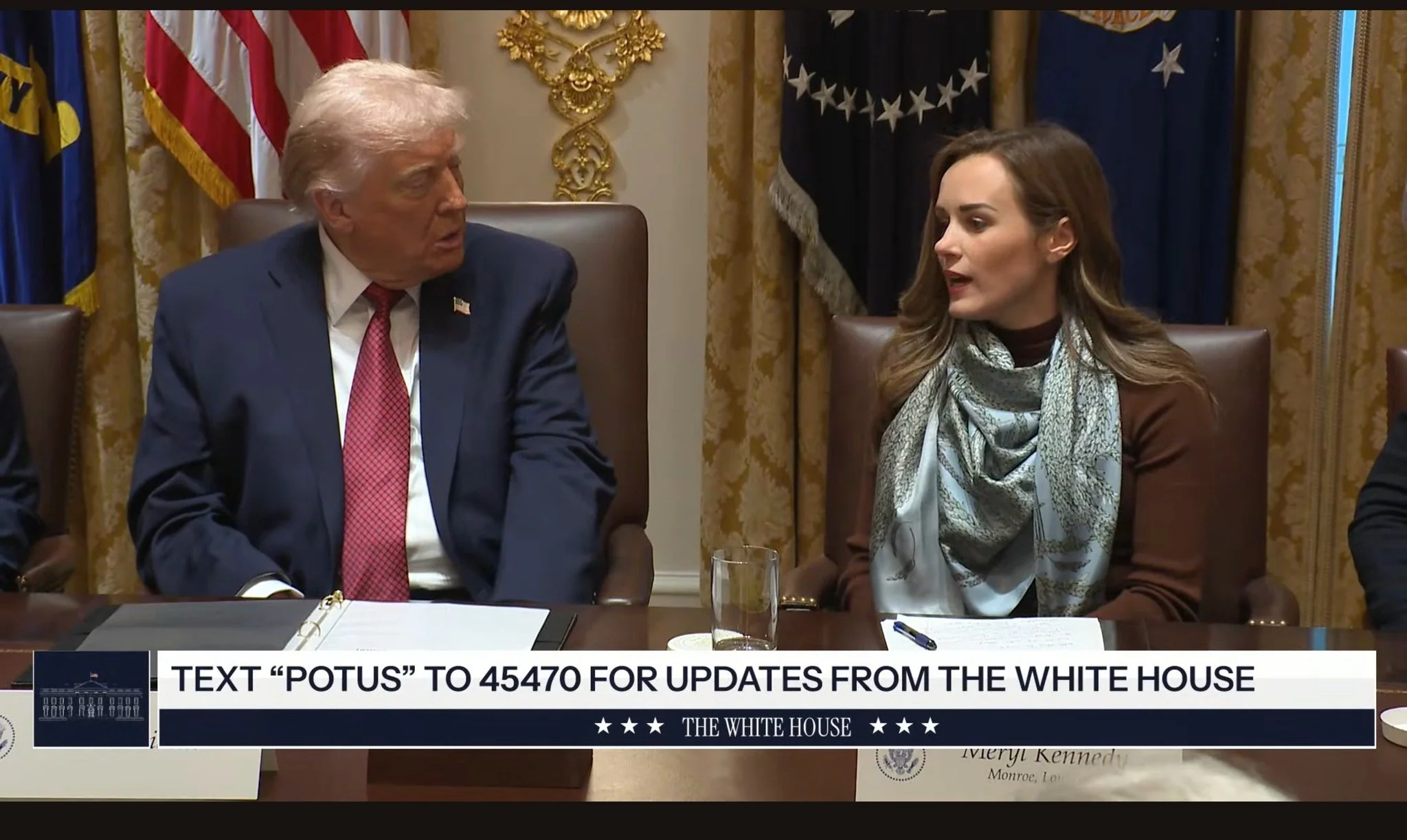
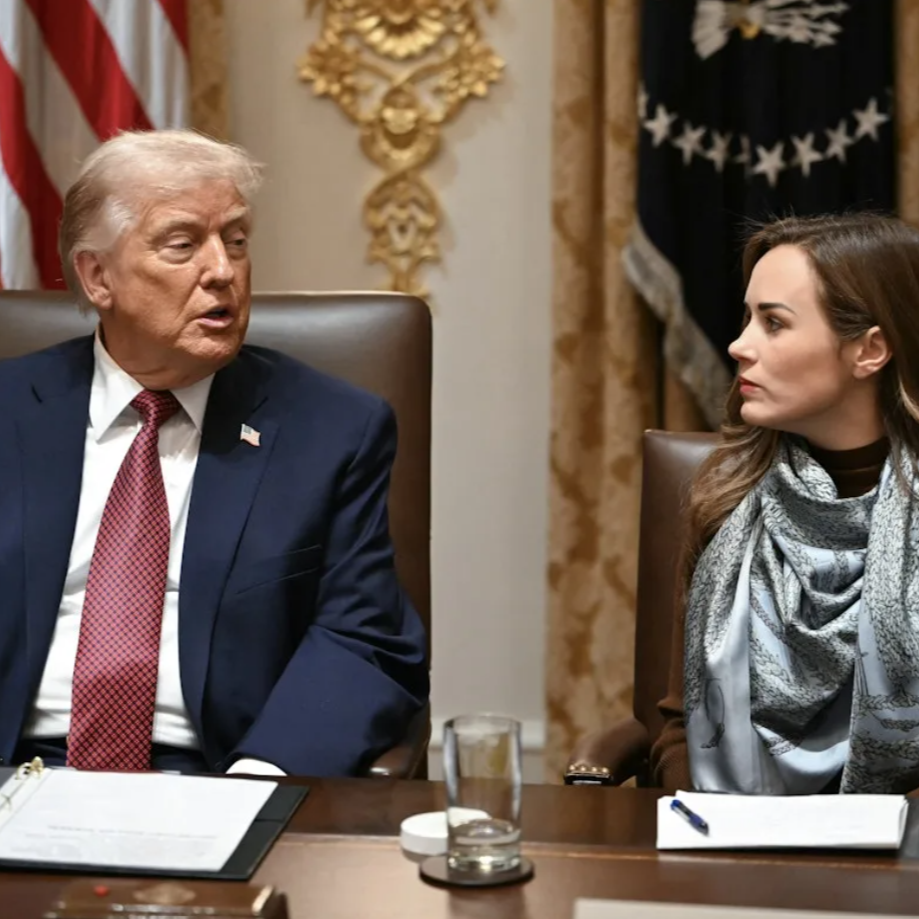
Former USA Rice Millers’ Association Chair and CEO of Louisiana-based Kennedy Rice Mill Meryl Kennedy Farr was selected to provide remarks as part of a Cabinet Room press conference.
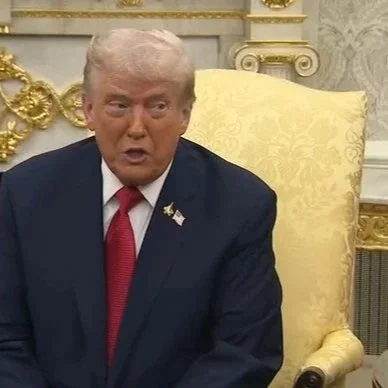
Read MorePresident Donald J. Trump alongside U.S. Secretary of Agriculture Brooke L. Rollins, U.S. Secretary of the Treasury Scott Bessent, Senate Agriculture Committee Chairman John Boozman (AR), Senator Deb Fischer (NE), Senator John Hoeven (ND), Representative Austin Scott (GA), and farmers from Arkansas, Iowa, Indiana, Kansas, Louisiana, Pennsylvania, Ohio, and Texas today announced the U.S. Department of Agriculture (USDA) will make $12 billion available in one time bridge payments to American farmers in response to temporary trade market disruptions and increased production costs that are still impacting farmers following four years of disastrous Biden Administration policies that resulted in record high input prices and zero new trade deals. These bridge payments are intended in part to aid farmers until historic investments from the One Big Beautiful Bill Act (OBBBA), including reference prices which are set to increase between 10-21% for major covered commodities such as soybeans, corn, and wheat and will reach eligible farmers on October 1, 2026.
Read MoreThe Trump administration announced $12 billion in one-time payments to farmers in the wake of this year's tariff hikes on Monday, primarily targeting farmers who grow crops such as soybeans and corn.
The move was outlined during a White House roundtable event, featuring farmers affected as well as Treasury Secretary Scott Bessent and Agriculture Secretary Brooke Rollins.
Read MoreAmerican Farm Bureau Federation President Zippy Duvall commented today on USDA’s announcement to provide financial relief and an economic bridge for America’s farmers and ranchers until benefits from the One Big Beautiful Bill Act reach the farm.
Read MoreThe Undersecretary for Farm Production and Conservation says the USDA is delivering on its promise to help farmers impacted by natural disasters.
Read MoreU.S. President Donald Trump will unveil a $12 billion aid package for American farmers affected by his trade policies on Monday, two White House officials said.
Farm groups and Republican farm-state lawmakers have sought the aid in part to support farmers with purchases of seeds, fertilizer and other expenses for next year's growing season. U.S. farmers have been saddled this year with record harvests and lost billions of dollars in soybean sales to China when the nation turned to South American suppliers this fall during stalled trade talks.
Read More