After spring planting is complete, agricultural producers in Louisiana should make an appointment with their local Farm Service Agency (FSA) parish office to complete crop acreage reports before the applicable deadline.
Read More
After spring planting is complete, agricultural producers in Louisiana should make an appointment with their local Farm Service Agency (FSA) parish office to complete crop acreage reports before the applicable deadline.
Read MoreThe U.S. Department of Agriculture (USDA) Commodity Credit Corporation (CCC) Tuesday announced that it does not expect to purchase and sell sugar under the Feedstock Flexibility Program for crop year 2025, which runs from Oct. 1, 2025, to Sept. 30, 2026.
Read MoreSugar Journal is happy to announce the 2026 Sugar Notables – the 5th year to celebrate the careers of several sugar technologists in the global sugar industry.
Read MoreA mid-June tropical disturbance (remnants of Tropical Storm Arthur), combined with a stalled frontal system, produced record-breaking rainfall and significant flooding across south-central Louisiana. The highest rainfall totals were recorded in Avoyelles, St. Landry, and northwestern Pointe Coupee parishes.
Sugarcane is a key component of the diverse cropping systems in these affected areas.
Read MoreOne of the most common observations during the early growing season is uneven crop growth within the same field. While some areas emerge quickly and develop vigorous canopies, others appear delayed or less uniform. These differences can be frustrating for producers, especially when planting conditions seemed favorable and management practices were applied uniformly across the field.
Read MoreU.S. sugar producers face tighter domestic production prospects in 2026/27, while imports are expected to carry more of the supply load. LSU AgCenter economist Michael Deliberto says USDA’s first outlook projects domestic beet and cane sugar production at 8.810 million short tons, raw value.
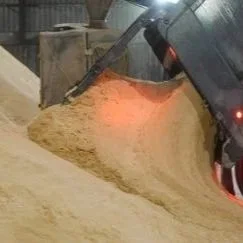
Read MoreResidents in St. Martin Parish have raised concerns about odors, dust and potential health impacts they say are linked to a large sugarcane bagasse storage site owned by the Louisiana Sugar Cane Cooperative.
The site, located off La. 31, has drawn scrutiny from local officials after residents reported issues with bagasse becoming airborne and creating nuisances in the surrounding area.
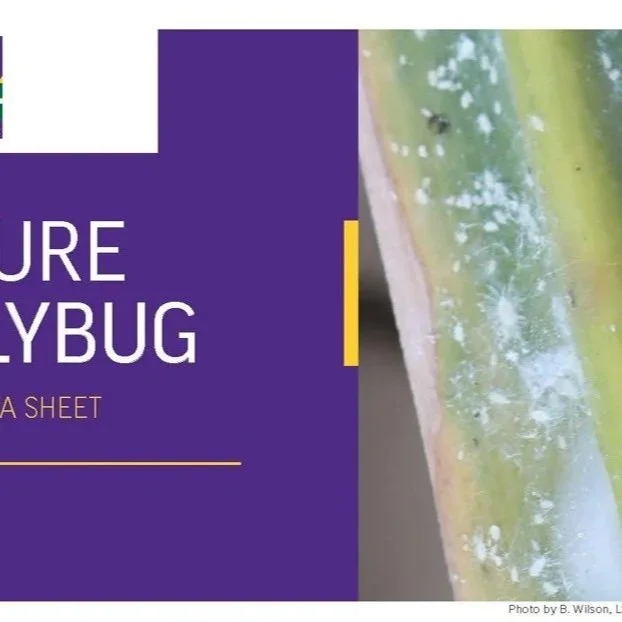
Read MoreThe EPA has approved the Section 18- Emergency eemption for the use of Sivanto Prime to control pasture mealybug on sugarcane in Louisiana. The use season for this quarantine exemption is effective June 1, 2026, through November 15, 2028
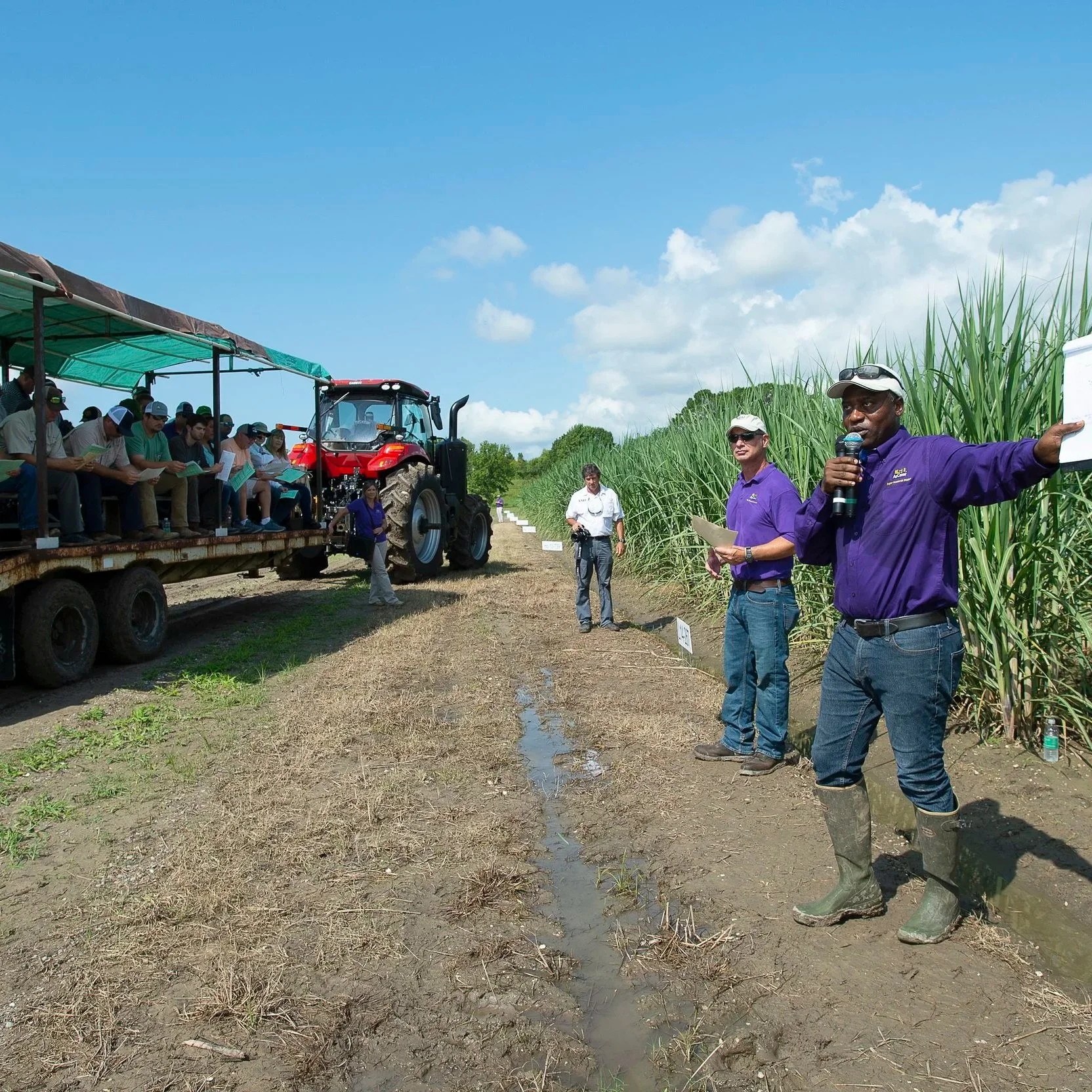
Read MoreThe LSU AgCenter has released its 2026 schedule of sugarcane summer field days along with the dates of conferences and other meetings. Field days are held in every area of the cane belt and give growers and other members of the industry the opportunity to learn about the latest research and recommendations before the beginning of upcoming planting and growing seasons.
Read MoreFor much of the spring, Louisiana was feeling the strain of drought. For many farmers, the lack of rain made an already challenging planting season even tougher, especially for crops that depend on timely moisture to get established. In some cases, fields planted just weeks before struggled to emerge, forcing difficult decisions about whether to start over.
Read MoreThis week, Congressman Troy A. Carter, Sr. (D-LA) and Congresswoman Julie Fedorchak (R-ND) joined Senators John Hoeven (R-ND) and Elissa Slotkin (D-MI) to send a bipartisan, bicameral letter, along with 112 of their colleagues, in support of efforts by U.S. Trade Representative (USTR) Ambassador Jamieson Greer to utilize a Section 301 investigation into unfair and discriminatory trade practices by foreign sugar-producing countries.
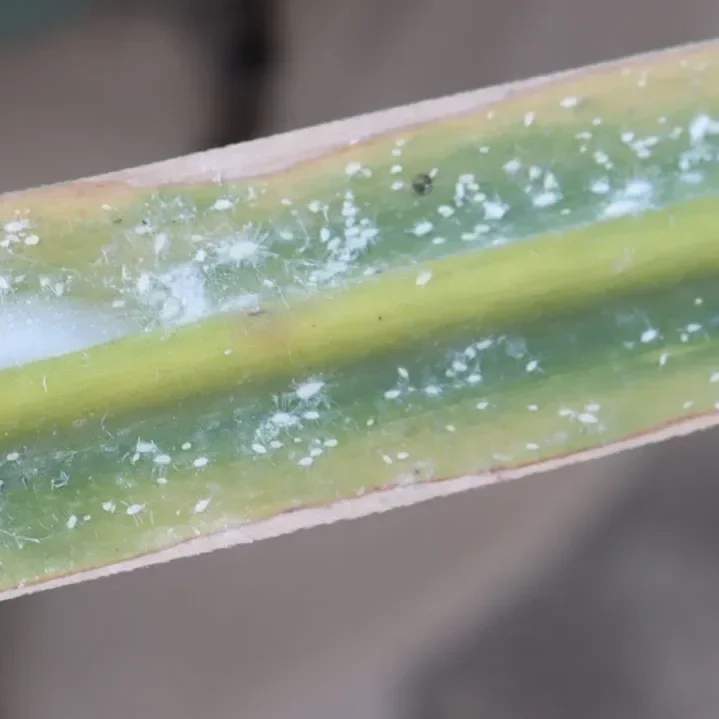
Read MoreThe pasture mealybug (Heliococcus summervillei) is an invasive insect pest associated with pasture dieback and damage to a range of grasses. In Louisiana, it was confirmed in 2025 from sugarcane fields in Vermilion and Iberia Parishes.
Read MoreLouisiana State University AgCenter researchers have confirmed the presence of a new invasive insect in Louisiana sugarcane fields. The pasture mealybug was detected in Vermilion and Iberia parishes late last year, raising concerns among growers, ranchers and researchers.
Read MoreRural America is in crisis. What is at stake goes well beyond the future of American farms; it’s blue-collar manufacturing jobs, small businesses on Main Street, and the homegrown, made-in-America food on our grocery shelves and kitchen tables.
Read MoreThe U.S. Department of Agriculture (USDA) Commodity Credit Corporation (CCC) announced today that it does not expect to purchase and sell sugar under the Feedstock Flexibility Program for crop year 2025, which runs from Oct. 1, 2025, to Sept. 30, 2026
Read More