Breeding Better Beef: LSU’s Research Works to Transform Louisiana’s Cattle Industry
In Louisiana, where heat and humidity dominate much of the year, raising high-quality beef that tolerates the weather is challenging. Traditional cattle breeds that thrive in cooler climates often don’t adapt well to the Gulf South. Brahman cattle, a breed known for its resilience but not necessarily for premium beef, are typically found throughout the state.
Read More
Cattleman’s Association Offers Incentives to to Prevent Cattle Farmer Shortage (Copy)
Market conditions are causing some cattle farmers to consider leaving the industry. The Ouachita Parish Cattleman’s Association says they are offering some incentives for farmers.
The Ouachita Parish Cattleman’s Association says in the next few years, Northeast Louisiana could experience a shortage in cattle farmers. The cause, they say, is the expense of maintenance.
Read More
Mexico Confirms Case of New World Screwworm in Nuevo Leon
Mexico’s National Service of Agro-Alimentary Health, Safety, and Quality (SENASICA) confirmed a new case of New World screwworm (NWS) in Sabinas Hidalgo, located in the state of Nuevo León, less than 70 miles from the U.S.-Mexico border.
This is now the northernmost detection of NWS during this outbreak, and the one most threatening to the American cattle and livestock industry. Sabinas Hidalgo is located near the major highway from Monterrey, Nuevo Leon, to Laredo, Texas, which is one of the most heavily trafficked commercial thoroughfares in the world.
Read More
A Critical Shortage of Vets Could Threaten America’s Food Supply
A silent crisis is unfolding across America’s heartland.
The veterinarians tasked with protecting the nation’s livestock, and by extension, its food supply, are a dwindling force, creating a critical gap in the first line of defense against disease and food insecurity.
For Dr. Rachel Miner, a mixed-animal veterinarian in eastern Kansas, a 60-mile drive to a farm call isn’t unusual. It has become a reality of the job.
Read More
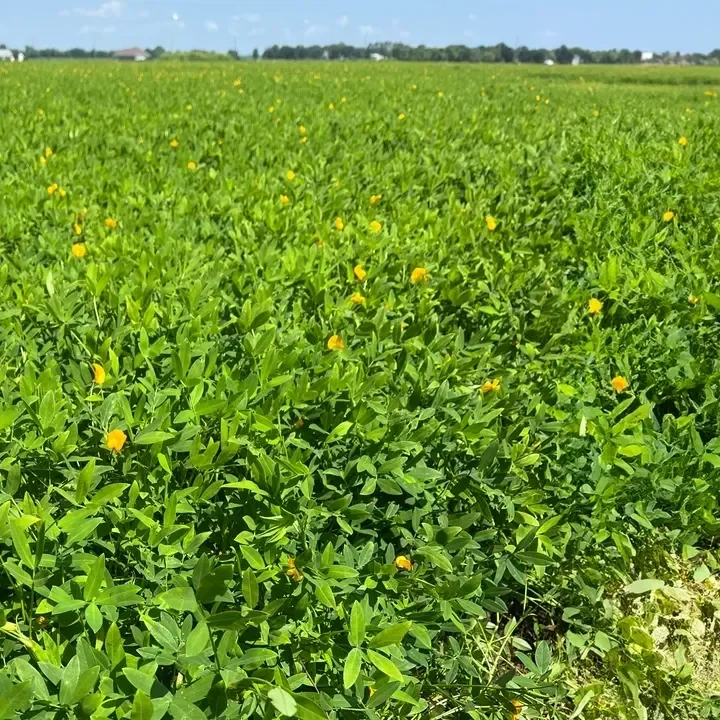
Perennial Peanut Hay Emerges as Premium Forage Option
Louisiana farmer Bryan Simon shares insights on establishing, growing, and harvesting this premium forage crop in challenging climate.
Read More
NCBA Accepting Applications For Spring 2026 Internships
The National Cattlemen’s Beef Association (NCBA) has opened applications for spring 2026 semester internships in the association’s Colorado headquarters and Washington, D.C. office. Internships are available for public policy, producer education and sustainability, and meetings and events.
Read More
Cow Country Reporter: September 2025
There is one word that fully describes the cattle market: HIGHER! Who would have thought that according to USDA, The National Weekly Feeder and Stocker Summary for the week ending August 23, 2025, showed 400-700 lbs. steers bringing $650.00-$700.00 per head more than the same time a year ago in the Southeast region. Many are saying the market will go higher. Again, PLEASE don’t get caught with a cow herd that has an average age of over 10 years.
Read More
Local Food Movement Powers Louisiana Ranch's Success Story
Growing great land and cattle in the semitropical sandy soils outside New Iberia, La., is a generational touchstone for the Gonsoulin family. Shannon Gonsoulin and his wife, Toni, represent the most recent group of Gonsoulins ranching on family ground — a tradition beginning in 1784, when French land surveyor Jean Francios de Beaumelle Gonsoulin became the first family member to register the F2 brand.
Read More
Local Food Movement Powers Louisiana Ranch’s Success Story
Growing great land and cattle in the semitropical sandy soils outside New Iberia, La., is a generational touchstone for the Gonsoulin family. Shannon Gonsoulin and his wife, Toni, represent the most recent group of Gonsoulins ranching on family ground — a tradition beginning in 1784, when French land surveyor Jean Francios de Beaumelle Gonsoulin became the first family member to register the F2 brand.
Read More
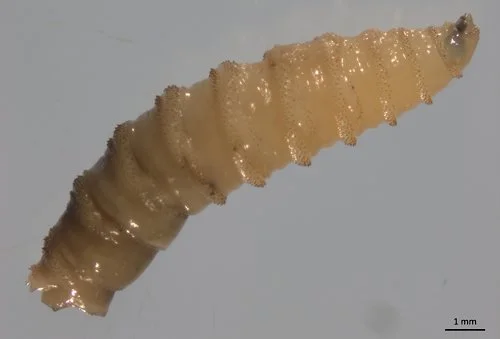
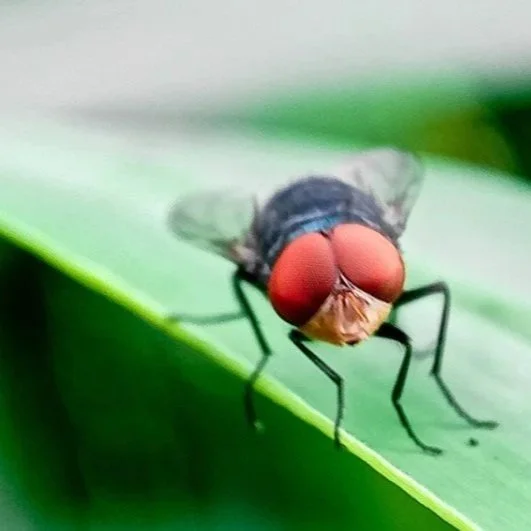
Flesh-Eating Screwworms Are Not Likely to Spread to Louisiana, According to Agriculture Expert
In early August, a Maryland resident who had traveled to El Salvador was diagnosed with New World screwworm — a flesh-eating parasite — being the first human case of a flesh-eating parasite in U.S.
Although the case was an isolated incident, the infection had many wondering if the flesh-eating maggot could spread to more people.
Read More
Avian Influenza Detections Drop, But Fall Migration Looms
Over 175 million birds and 1,075 dairy herds have been affected by the current strain of Highly Pathogenic Avian Influenza (HPAI) since it began in February 2022. Detections of HPAI in both poultry and dairy cattle have slowed over the summer months with zero detections in commercial poultry flocks and just one dairy herd detection in the last 30 days. This Market Intel provides an update on the status of HPAI and what to watch for as the fall migration season approaches. Migratory birds moving south along flyways are the most likely to spread HPAI, which survives better in cool conditions, making fall a likely time for HPAI flare-ups.
Read More
Mexico Reports 53% Surge in Screwworm Cases
Cases of New World screwworm, a flesh-eating parasite that infests livestock and sometimes humans, have risen sharply in Mexico. According to Mexican government data cited by Reuters, as of August 17 there were 5,086 recorded infestations in animals — a 53 percent increase in just one month, with 649 active cases.
Read More
Amelia Kent Named 2025 Cattlewoman of the Year
We are very pleased to introduce our 2025 Cattlewoman of the Year, Amelia Kent!
Amelia Kent is a fourth-generation farmer who started her own farm immediately after graduating from Wellesley College. Amelia, her husband, Russell, and their daughter Avery, raise cattle through Kent Farms LLC, located in Clinton, Louisiana.
Read More
HHS and USDA Confirm Singular Traveler-Associated New World Screwworm Case; Precautionary and Proactive Surveillance Ongoing
U.S. Department of Health and Human Services (HHS) and the U.S. Centers for Disease Control and Prevention (CDC) recently identified an instance of a traveler-associated human case of New World screwworm (NWS) in the United States. The U.S. Department of Agriculture (USDA) reaffirmed its robust surveillance and trapping strategy, confirming there have been no detections of NWS in U.S. livestock.
Read More