USDA Report: U.S. Dairy Farm Numbers Continue to Decline
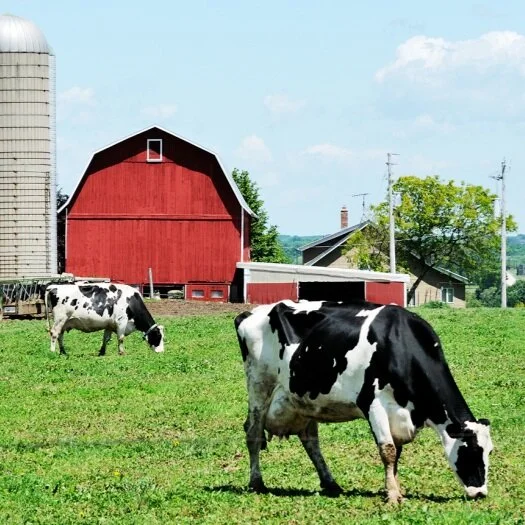
This week, USDA’s National Agricultural Statistics Service released its monthly Milk Production report, showing yet another annual decline in the number of licensed dairy operations in the United States. After many years of depressed prices, some dairy farmers faced an extremely tough year as the industry struggled with a global pandemic, negative Producer Price Differentials and Federal Milk Marketing Order de-pooling while others enjoyed near record milk prices due to volatility in cheese prices (More Negative PPDs and De-Pooling Reignite Federal Milk Marketing Order Debate). This year-over-year decline in the number of dairy operations continues a long trend of farmers deciding to exit the dairy business. Since 2003, the U.S. has lost more than half of its licensed dairy operations, now just shy of 32,000 dairy operations.
Read More
Evangeline Parish Recovers from Latest Round of Winter Storms
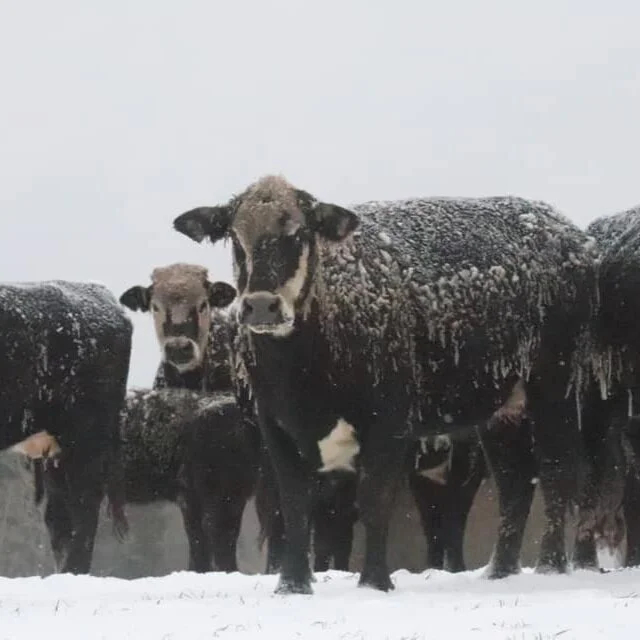
Just four months after reeling from back-to-back hurricanes that dealt powerful punches, Evangeline Parish was hit by another storm that caused different types of issues from the usual damage. This storm was a major winter event that hit the area over the Mardi Gras holiday.
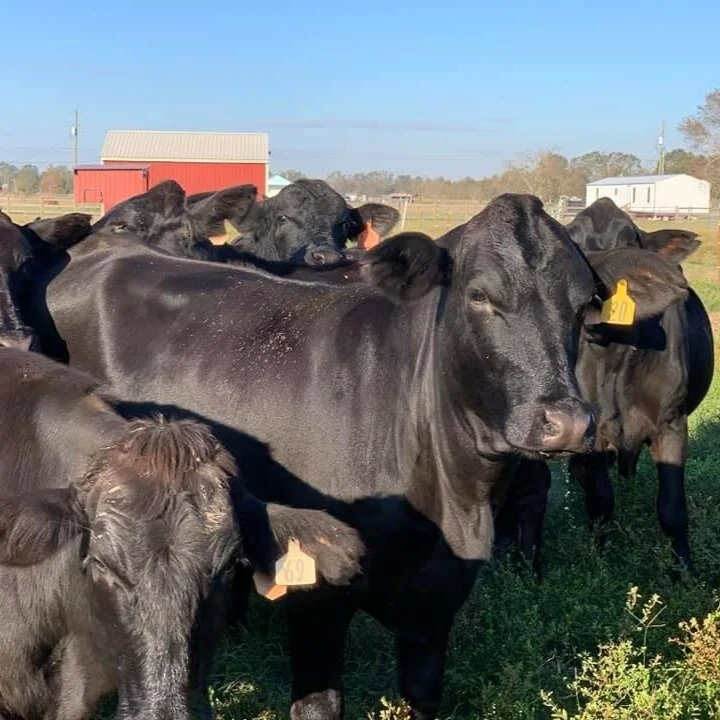
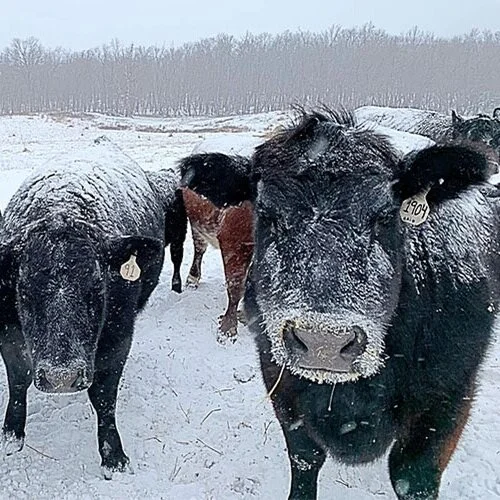
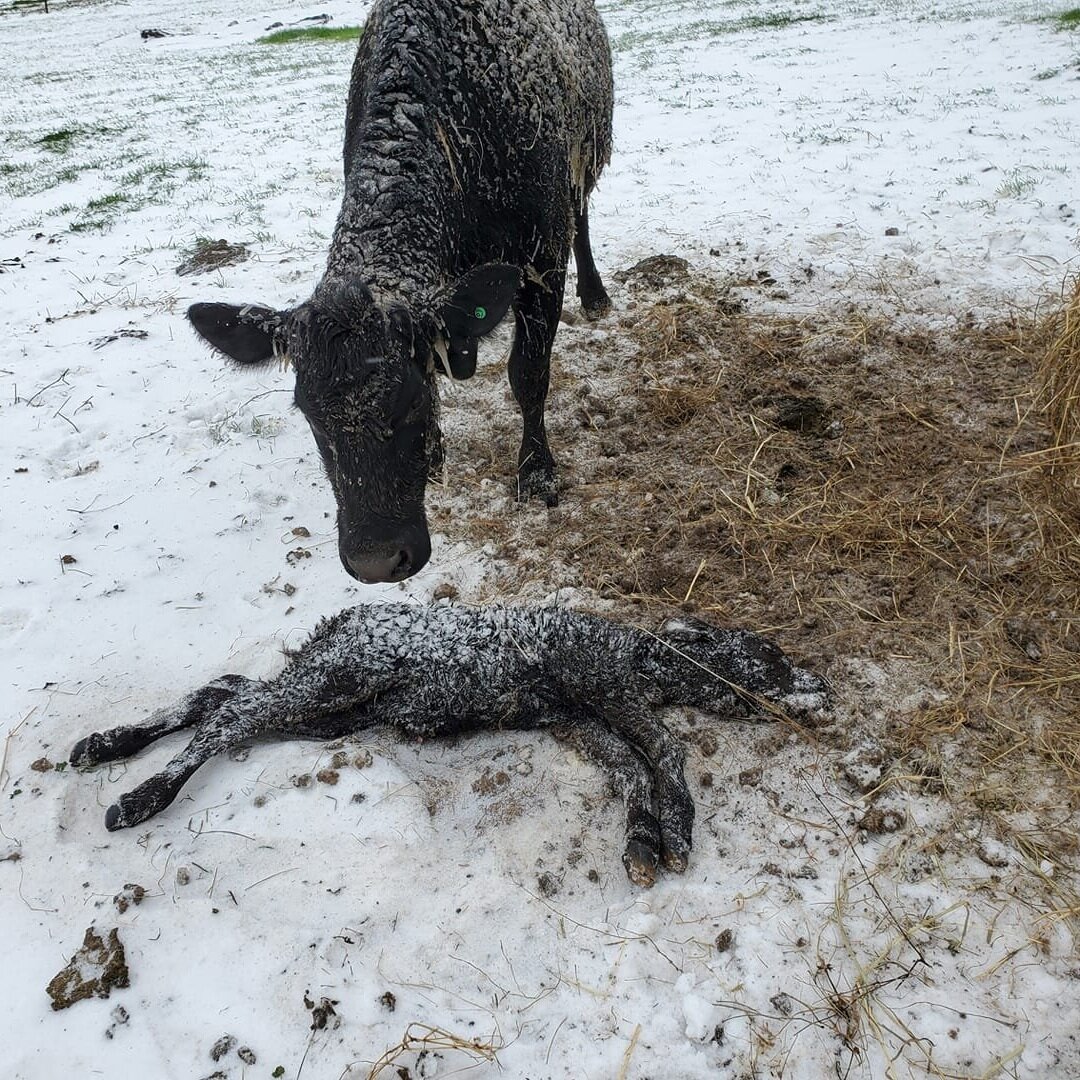
The freeze has also impacted the livestock here in the parish. Ryegrass, a commonly grown winter forage grass, was severely damaged by the cold temperatures. This causes livestock producers to have feed supplemental feed which can get expensive. Producers also had to feed more to keep their animals warm. There are also reports of calves dying after being born in the frozen conditions.
Read More
Livestock Builds Confidence, Changes Lives of Young People
For some young people, even the thought of taking control of a large animal is beyond belief.
But for two south Louisiana youth, getting started early has been the key to their success in livestock shows.
Read More
Kinder Livestock Auction: February 22, 2021
Click below for the latest market report from the Kinder Livestock Auction.
Read More
Red River Livestock Auction: February 24, 2021
Click below for the latest market report from the Red River Livestock Auction.
Read More
Black History Month 2021: Agriculture, Family and the Land
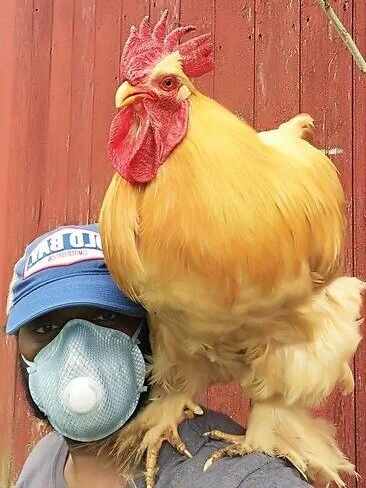
Every February, the APHIS community celebrates Black History Month and honors the many and varied contributions of African Americans to U.S. history. This year’s Black History Month theme is “The Black Family: Representation, Identity, and Diversity.” This feature, a personal narrative by APHIS employee Langston Hull, is the first in a two-part series recognizing Black employees at APHIS and their connection to agriculture, family, and the land.
Read More
Recent Big Winter Storm Impacting Feeder Cattle Prices
The feeder cattle prices continued to creep higher after dropping lower with higher feed costs, but the devastating Artic cold front and snowstorms caused more price variation with lower cattle numbers at auctions along with some limited demand from feedlots. That massive couple weeks of storms caused more problems in some areas which will probably continue to impact prices for a short while. In fact, the Southern Plains had tremendous problems because of very big power outages especially in Texas.
Read More
Harsh Winter Weather Took A Toll On Farmers In Louisiana and Mississippi
After nearly a week of freezing temperatures, farmers in Mississippi and Louisiana have suffered big losses in livestock and crops, and some of the worst damage won't be known for weeks.
"We just don't know how bad this freeze could have affected the crawfish, the strawberries and the sugarcane industries," said Jim Harper, president of the Louisiana Farmer Bureau Federation. "We could be talking in the millions of dollars, though, statewide."
Read More
Through Ice, Snow, Wind and Record-Low Temps, Farmers and Ranchers are #StillFarming
Farmers and ranchers across a large swathe of the country are anxiously awaiting a warm-up after temperatures plummeted to record lows and whole states – many much more accustomed to moderate winter weather at worst – were covered in ice and snow.
Read More
Frozen in Place: Louisiana Livestock Producers Suffer In Cold Spell
In terms of a disaster, this is a Category 5 for Louisiana livestock producers.
Mother Nature delivered a one-two punch with back-to-back winter storms, dumping unprecedented amounts of snow, sleet, and freezing rain with record-low temperatures across parts of Louisiana this week.
Louisiana farmers are scrambling to keep livestock alive during the historic winter storm — with the frigid conditions already killing some cattle and chickens.
Read More
USDA Offers Disaster Assistance for Producers Facing Inclement Weather
Most of the nation is facing unusually cold weather, as a winter storm moved coast-to-coast over the weekend. Winter storms create significant challenges and often result in catastrophic loss for agricultural producers, especially for those raising livestock, row crops and vulnerable crops like citrus.
Despite every attempt to mitigate risk, your operation may suffer losses. USDA offers several programs to help with recovery.
Read More
Time to Document Ag Losses
Louisiana Commissioner of Agriculture and Forestry (LDAF) Mike Strain, D.V.M., is urging all agricultural producers impacted by the severe winter weather to document losses.
“While no secretarial disaster designation has been declared at this time, an accurate account of any crops and livestock that are lost is vital in the event insurance claims are necessary or federal assistance through the U.S. Department of Agriculture (USDA) is made available,” said Strain.
Read More
USDA Ready to Assist Farmers, Ranchers and Communities Affected by Winter Storms
The U.S. Department of Agriculture (USDA) reminds rural communities, farmers and ranchers, families and small businesses affected by the recent winter storms that USDA has programs that provide assistance. USDA staff in the regional, state and county offices are prepared with a variety of program flexibilities and other assistance to residents, agricultural producers and impacted communities.
Read More
Louisiana Winter Storm Photo Gallery
Farmers and ranchers from across the state submitted photos from this week’s winter storm.
Read More
Bill Gates Says the U.S. and Other Wealthy Countries 'Should Move to 100% Synthetic Beef' to Prevent Climate Change
Billionaire Bill Gates has called on the U.S. and other wealthy countries to give up eating beef entirely and switch to synthetic alternatives due to climate change.
'I don’t think the poorest 80 countries will be eating synthetic meat. I do think all rich countries should move to 100% synthetic beef,' Gates the MIT Technology Review in an interview on Monday.
'You can get used to the taste difference, and the claim is they’re going to make it taste even better over time. Eventually, that green premium is modest enough that you can sort of change the people or use regulation to totally shift the demand,' Gates mused.
Read More