For Louisiana Sugarcane Producers, Huge Harvest Tempered by Arrival of Invasive Insect
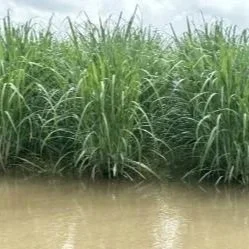
The predictions of a harvest increase over last year’s were undercut by the news of the arrival of a worrisome, invasive insect at the LSU AgCenter’s annual Sugar Research Station field day July 15.
At the outset of the day, AgCenter sugarcane specialist Kenneth Gravois said that the U.S. Department of Agriculture’s National Agriculture Statistics Services is indicating a 5,000-to-6,000-acre increase over last year’s crop, with a clearer focus coming into view in August.
Read More
Young Innovators Put Louisiana 4-H Robotics on International Map
In a work shed surrounded by a cow pasture in an area of New Iberia where well-manicured lawns share the landscape with sugarcane fields, 4-H youth are doing something special. Despite the setting, these 4-H’ers are not working on a traditional agriculture project. They are designing and building robots destined for competition.
Read More
Symbiosis Marks Innovative Front in Battle to Control New World Screwworm
Symbiotic relationships come in many harmless forms throughout nature: clownfish and anemones, whales and barnacles, and bees and flowers to name a few. Two LSU AgCenter scientists are studying how to use symbiosis to potentially control a dangerous pest that is anything but harmless — the New World screwworm.
Read More
Market Update for Corn, Soybeans, Rice, and Cotton: July 2026
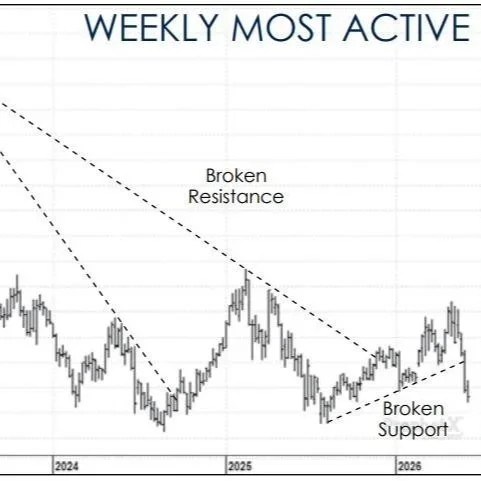
This month’s 2026/27 U.S. corn outlook is for smaller supplies, greater exports, and reduced ending stocks. Corn beginning stocks are cut 125 million bushels to 2.0 billion, reflecting an increase in feed and residual use that is partly offset by a reduction in corn used for ethanol for 2025/26. Feed and residual use is raised 150 million bushels based on indicated disappearance in the June 30 Grain Stocks report.
Read More
2026 Sugarcane Variety Performance
Sugarcane varieties are the lifeblood of the Louisiana sugar industry. As a result, variety selection is one of the most important decisions a producer makes — one with long-term implications. The goal is to maximize profitability on every acre throughout an extended crop cycle.
Read More
Students from Across the State Were Elected Officers, Won Contests at 4-H University
At the 112th 4-H University, the “Krewe De 4-H U” let the good times roll, with Louisiana’s 4-H annual celebration on the LSU main campus. Maddox Fieldhouse was turned into a grand event space for the awards ceremony, where winners and new officers were revealed.
Read More
LSU AgCenter Microbiology Research Focuses on Food Protection from Field to Shelf
In Karuna Kharel’s LSU AgCenter food microbiology lab, pecans are better protected, freeze-dried strawberries are safer and smoked and canned oysters are safely on the menu. The researcher focuses on improving the safety and quality of Louisiana commodities, with particular attention to low-moisture foods like nuts and freeze-dried products.
Read More
Agricultural Policy and Market Situation Newsletter: July 2026
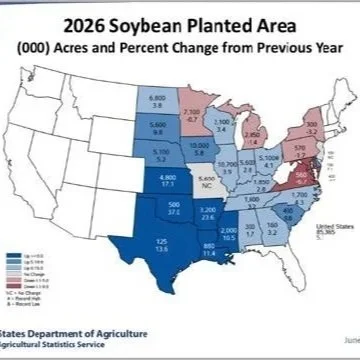
USDA’s much-anticipated Acreage Report was released on June 30th. Corn acreage stayed large, but lower-than-expected corn and wheat stocks gave traders enough demand support to trigger relief buying and short-covering after a sharp June selloff.
Grain markets treated the Acreage and Grain Stocks reports as less bearish than the headline corn acreage number first suggested. USDA pegged corn planted area at 95.343 million acres, above the average pre-report trade estimate near 94.99 million acres, with harvested area for grain forecast at 87.434 million acres.
Read More
Louisiana Ag Commissioner Outlines Path to Federal Aid for Flood-damaged Farms
Louisiana's agriculture commissioner met with flood-affected farmers in Opelousas on Monday, urging them to meticulously document their losses as crop damage from catastrophic flooding in Avoyelles and St. Landry parishes climbs into the millions of dollars.
Louisiana Commissioner of Agriculture and Forestry Mike Strain traveled to Opelousas to outline the steps farmers must take to access state and federal assistance following flooding that inundated miles of farm fields and forced livestock to seek higher ground about a week and a half ago.
Read More
Sugarcane Considerations Following a Flood
A mid-June tropical disturbance (remnants of Tropical Storm Arthur), combined with a stalled frontal system, produced record-breaking rainfall and significant flooding across south-central Louisiana. The highest rainfall totals were recorded in Avoyelles, St. Landry, and northwestern Pointe Coupee parishes.
Sugarcane is a key component of the diverse cropping systems in these affected areas.
Read More
Innovations, Updates, and Awards Abound at Rice Field Days in Louisiana
Field days abounded earlier this week throughout rice country in southern Louisiana.
Kicking off the week was the RiceTec field day held in Iota on Tuesday, where attendees heard crop updates, developments to reduce pubescent hairs on rice panicles, as well as recommendations on herbicide applications.
Read More
At Rice Field Day, AgCenter Debuts Two Promising New Varieties
New varieties are one of the best ways farmers can stay ahead of the many challenges that come with growing rice. Next year, they’ll be able to plant two fresh releases from the LSU AgCenter that address key disease and grain quality issues.
Read More
Soybean Response To Flooding And Management Considerations
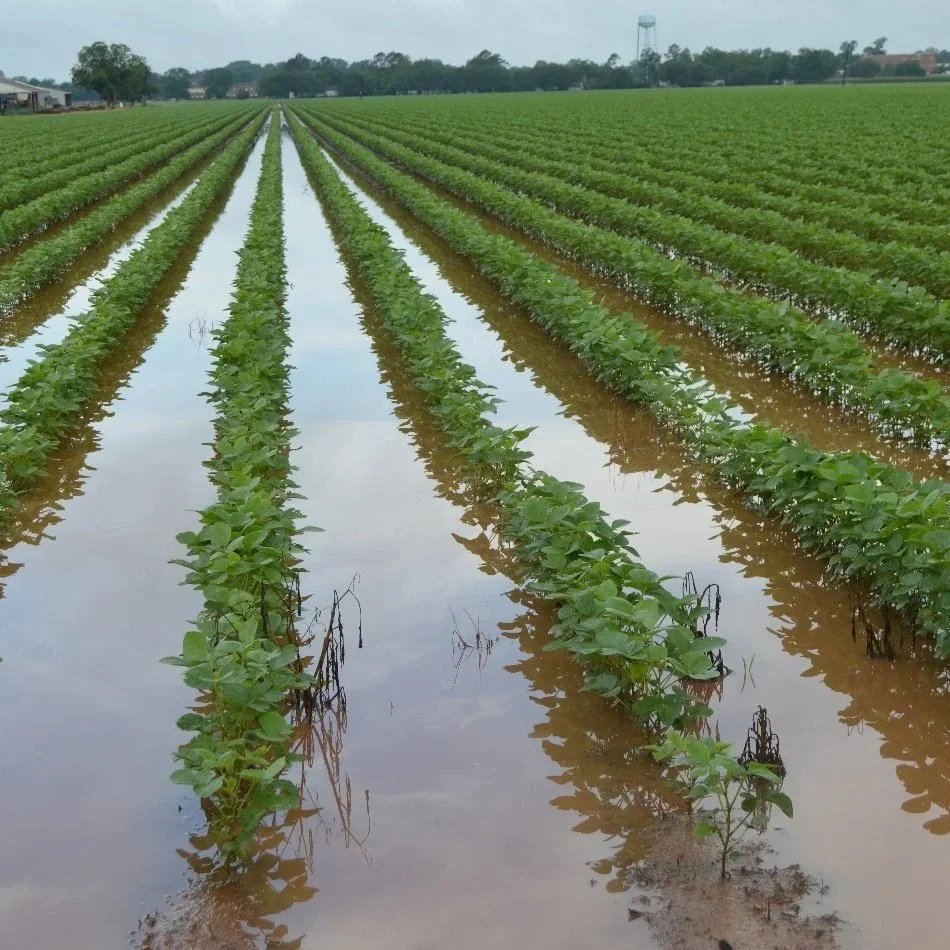
Recent heavy rainfall across Louisiana has resulted in flooding and saturated soil conditions in many soybean fields. The extent of damage from flooding depends on several interacting factors, including the soybean growth stage, duration of flooding, temperature, and overall environmental conditions.
Read More
Louisiana Crops Newsletter--Volume 16, Issue 4 - June 2026
One of the most common observations during the early growing season is uneven crop growth within the same field. While some areas emerge quickly and develop vigorous canopies, others appear delayed or less uniform. These differences can be frustrating for producers, especially when planting conditions seemed favorable and management practices were applied uniformly across the field.
Read More
Market Update for Corn, Soybeans, Rice, and Cotton: June 2026
The 2026/27 U.S. corn outlook remains virtually unchanged relative to last month. June’s WASDE report calls for fractionally higher beginning and ending stocks for 2026/27, reflective of mostly offsetting trade and domestic use changes for 2025/26 with adjustments to imports, corn used for ethanol, and exports based on data to date. The 2026/27 season-average farm price received by producers is unchanged at $4.40 per bushel.
Read More