Hessian Fly: Generational Challenge for Delta Wheat Growers, Breeders
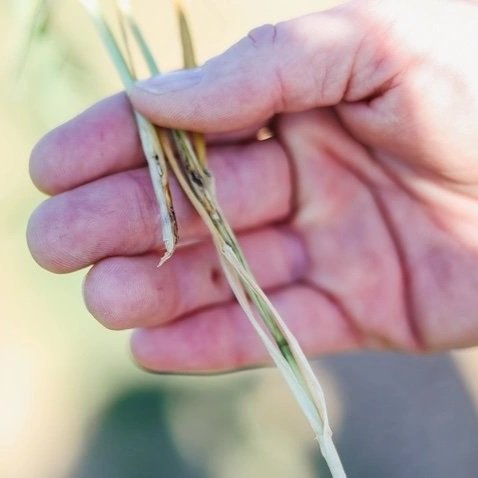
Hessian flies weigh in at only half the size of an average mosquito, but their in-field impacts, and year-over-year infestations cause big issues for Louisiana wheat growers.
A short reproduction cycle – occurring over about two and a half weeks – alongside a long residual life for pupae in–field mean Hessian flies cause significant impacts in the Delta region.
Read More
Analyzing World & US Sugar Price Dynamics
It is critical to consider the relationship between macroeconomic forces and the balance of global sugar supply and demand when examining sugar markets.
Global economic expansion, along with a world population that is growing at approximately 1% per year (U.S. Department of Commerce, 2024), supports strong sugar demand globally, which typically also supports world prices.
Read More
LSU AgCenter Researcher Provides Tips To Reduce Disease Outbreaks In Fish
Springtime disease losses in fishponds are common throughout the Southeast, especially in Louisiana, according to LSU AgCenter aquaculture specialist Greg Lutz. Many problems that become apparent in the spring begin in the fall, when hot weather can reduce oxygen levels in ponds and make fish susceptible to diseases.
Read More
'In Touch But Not In The Way,' Justin Dufour Is A Resource For Central Louisiana Farmers
When he first enrolled in college, Justin Dufour thought he wanted to become an athletic trainer. But a few classes into his coursework at LSU Alexandria, he realized that career path wouldn’t suit his interests very well.
Ultimately, it was Dufour’s part-time job at the neighboring LSU AgCenter research station that helped him settle on a degree in biology and led him to a career in agriculture.
Read More
Beat The Heat With Tips From The LSU AgCenter LaHouse Research & Education Center
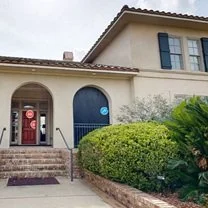
With the first heat advisory of 2024 being announced, the LSU AgCenter LaHouse Research and Education Center is offering advice to homeowners to keep their homes comfortable more efficiently this summer.
“Higher temperatures don’t necessarily mean higher energy bills,” said LaHouse director Carol Friedland. “There are many different projects for homeowners to improve their home’s energy efficiency to lower their spending this summer.”
Read More
How the 2023 Drought Could Impact the Crawfish Industry Long Term
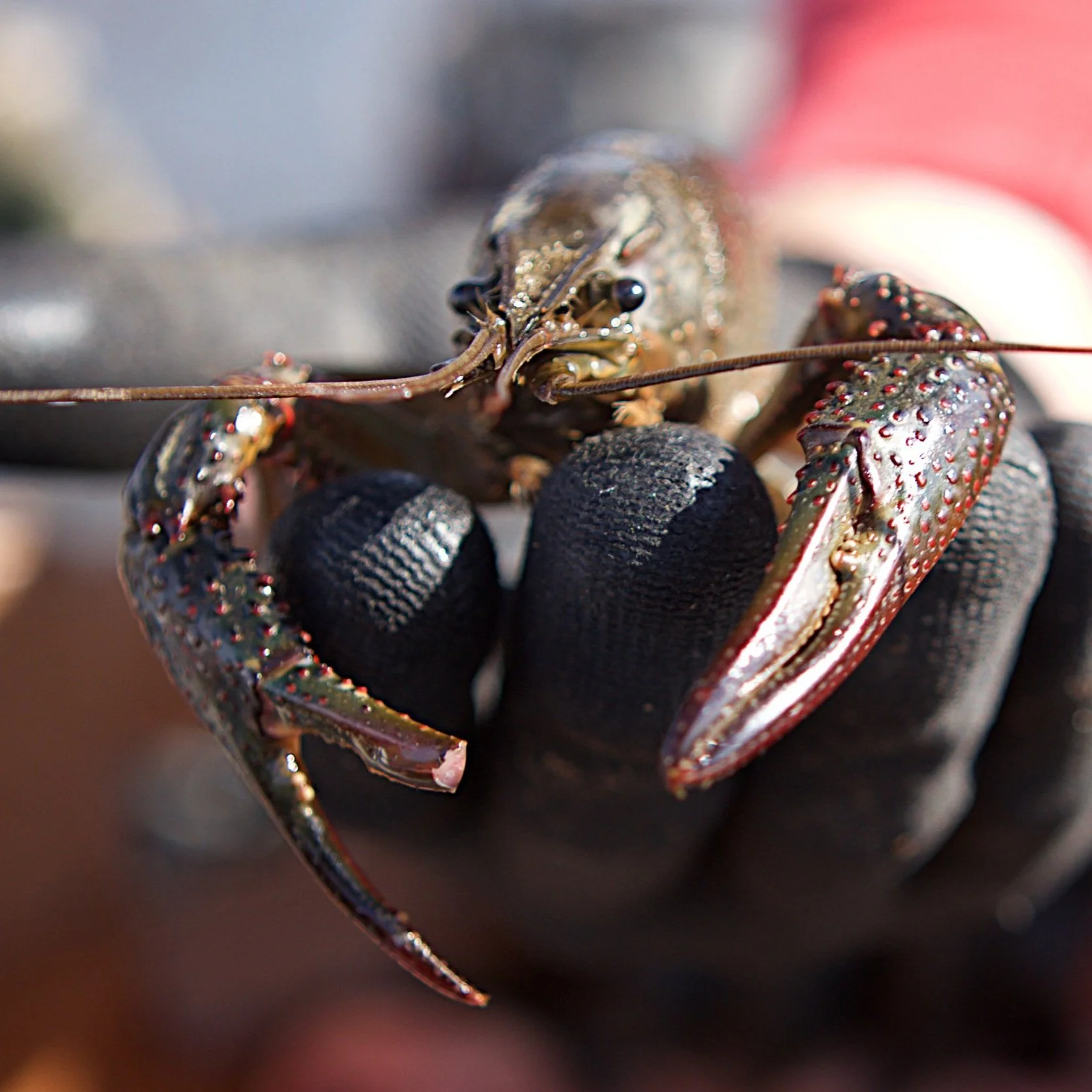
Although the U.S. The Department of Agriculture approved emergency financial relief for struggling crawfish farmers, the 2023 drought’s impact could linger into next year and beyond, an LSU AgCenter professor surmises.
“Louisiana’s crawfish aquaculture industry will experience impacts from the 2023 drought for several seasons before an economic recovery is complete,” writes C. Greg Lutz, a professor in the LSU AgCenter’s Aquaculture Research Station, in his latest column, The Lutz Report, on TheFishSite.com.
Read More
Minimizing Impacts Of Climate Change On Livestock
Recent weather extremes, which include record heat and cold as well as drought and flooding, have made it especially difficult to maintain the health and production of livestock in Louisiana.
Read More
LSU AgCenter Researcher Becomes Third Woman To Win Sugar Industry Award
Gillian Eggleston, director of the LSU AgCenter’s Audubon Sugar Institute, has become only the third woman to win the prestigious Crystal Award for Achievement in Sugar Technology since its inception in 1961.
Read More
Rice Field Days Calendar
As we near the end of May, most rice growers have their 2024 rice crop in the ground. Overall, reports have this year’s crop in pretty good standing so far, despite several rounds of inclement weather, severe in some areas of the south over the last few weeks. It’s also that time of year when growers take the opportunity to attend various field day events hosted by research and extension staff who provide updates on current crop conditions and progress reports on research projects.
Read More
The '24 Hurricane Season Is Here; Prepare Now For Potential Storms
Hurricane season is once again upon us, and the LSU AgCenter has recommendations to mitigate potential damage and losses to yards, homes and animals as well as tips for keeping food and cleaning supplies on hand.
As the fourth-most active Atlantic hurricane season on record, 2023 saw 20 named storms — including seven hurricanes, three of which were major. However, wind shear caused by El Niño prevented most of the storms from strengthening to a high level.
Read More
Impact of Selected Adjuvants Combined with Vantacor Against the Sugarcane Borer, 2023
The efficacy of 3 adjuvants combined with a standard rate of insecticide applied for sugarcane borer (SCB) control was compared with untreated controls in second ratoon sugarcane (HoCP 00-950) in 2023 at the USDA-ARS Sugarcane Research Unit Ardoyne Farm in Schriever, Louisiana. Plots consisted of 3, 60-ft rows, with 4 replications assigned using a RCBD. All insecticide applications used the insecticide Vantacor (FMC) at a rate of 1.2 fl oz/acre and were applied when the infestation reached the threshold level (3% of stalks with SCB larvae present in leaf sheaths) on 29 June 2023.
Read More
LSU Agribusiness Program Honoring Late Gilster-Mary Lee President Now Accepting Applications
Don Welge, the late president of Gilster-Mary Lee, had a vision. He wanted to start a new kind of agricultural program at his alma mater of Louisiana State University.
“He had this concept of teaching food beyond the farm, meaning not just the growing of the crops and all the sciences that are involved and the economics of all that, but beyond that to the food processors, to food distribution,” said Tom Welge, Don Welge's son and current Gilster-Mary Lee president. “Even through retailing and marketing, so really every part of the cycle in food production.”
Read More
Louisiana Crops Newsletter
In the lower Mississippi Delta, excessive rainfall is common during the early growing season, leading to saturated soils for several days. This condition accelerates nitrogen (N) losses through denitrification, leaching, and runoff, thereby reducing corn yield potential. Consequently, the LSU AgCenter recommends applying N in at least two splits for silt loam and clayey soils, and in three splits for sandy soils.
Read More
LSU Provost's Fund Invests $1.2 Million in Highly Competitive Research Teams
In a second round of Big Idea seed grants, the largest internal funding program in LSU history, the Provost’s Fund for Innovation in Research is investing $1.2 million in 15 interdisciplinary research teams. Aligned with LSU’s Scholarship First Agenda, the teams and their projects aim to solve pressing problems in Louisiana and everywhere.
In total, the funded projects will engage 65 faculty across nine colleges and schools on LSU’s flagship campus in Baton Rouge, extending collaboration to LSU Athletics, LSU AgCenter, Pennington Biomedical Research Center and LSU Health New Orleans. Two projects support advances in agriculture; seven projects drive discovery in biomedicine; six projects elevate the coast and environment; six projects protect the state and nation through stronger defense and cybersecurity; and six projects help secure the future of energy.
Read More
Soybean Mid-May Planting Progress and Managing Flooded Conditions
Louisiana's soybean planting progressed well in mid-April, exceeding the five-year average. However, heavy rains in mid-May slowed progress, with only 69% planted by May 12th, 2024. This lags behind last year's 76% at the same point. An article, “The Farmer's Forecast: More Soybean Planting Delays” indicates continued rain and potential wind/hail threats.
Read More