Targeting Insects In Louisiana Hemp: Which Products Work The Best For Catepillars?
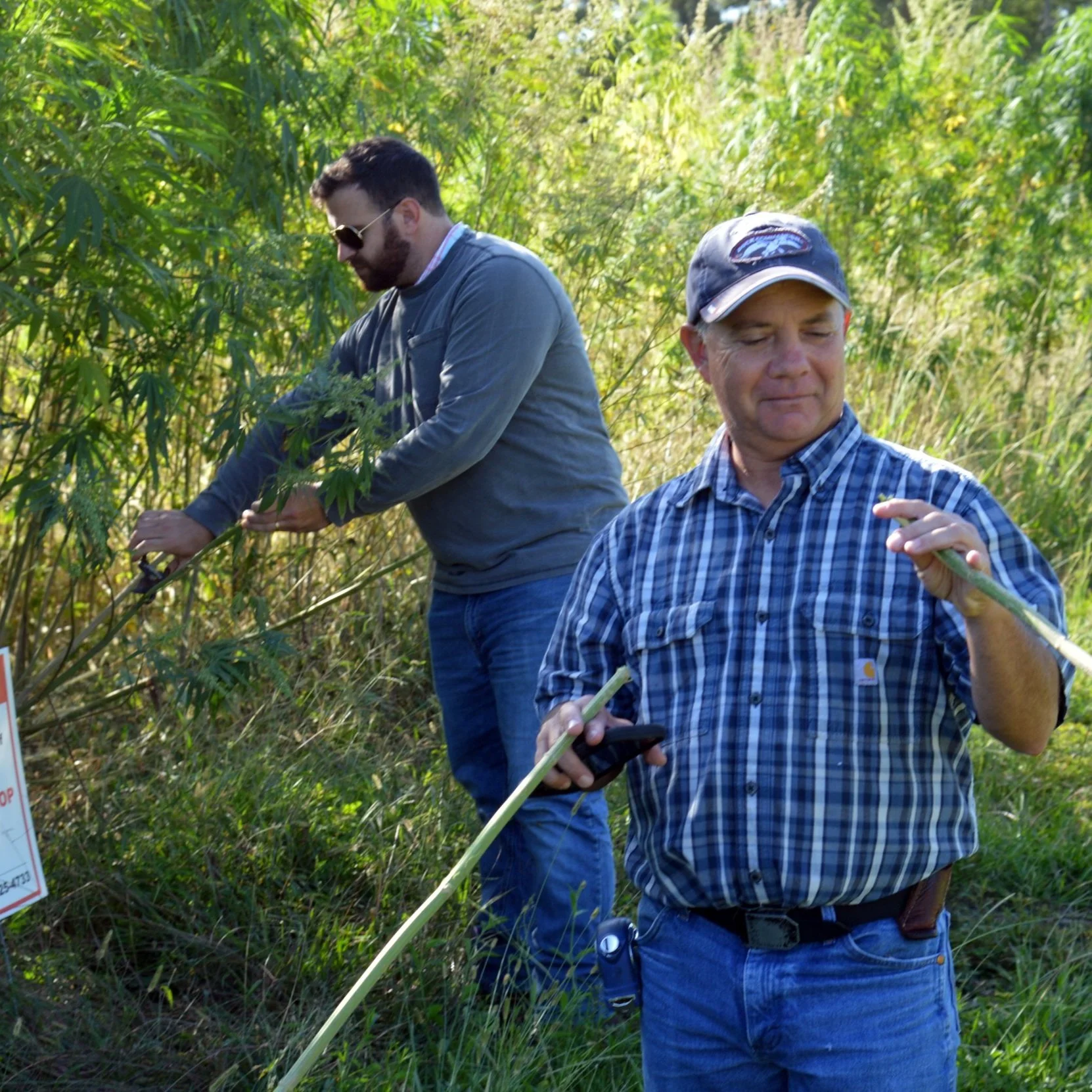
Research efforts across all aspects of hemp production are currently needed to aid in the successful reestablishment and long-term success of this crop in the U.S. A 2020 survey of licensed U.S. hemp farmers determined one of the most challenging aspects of production was the lack of information on the efficacy of currently labeled hemp insecticides.
Read More
Precision Agriculture To Be Highlighted at Upcoming Events in Alexandria, Schriever
The LSU AgCenter and Fletcher Technical Community College are partnering to present two precision agriculture summits in early 2024.
The first event will be Jan. 17 at the State Evacuation Shelter, 8125 U.S. Highway 71, adjacent to the LSU Alexandria campus. The second is scheduled for Feb. 23 at Fletcher’s main campus, 1407 state Highway 311 in Schriever.
Read More
Researchers and a Handful of Farmers Team Up To Develop Industrial Hemp for LA
In St. Landry Parish, where soybeans, rice and sugarcane typically flourish, a new crop is rising high above one field.
On a 12-acre plot in the south Louisiana parish, Pat Deshotels and Matthew Indest have grown hemp three times, but this crop — standing thick in the field with tall, slender stalks leading to bunches of green leaves — is their most successful.
Read More
LSU AgCenter Researchers Take Center Stage At January Conference
Celebrating nearly three decades as an academic partner, the LSU AgCenter will present some of its top researchers as featured speakers in a group of conferences in late January.
Read More
LSU AgCenter Spotlights Financial Farm Management At Farming For The Future Workshop
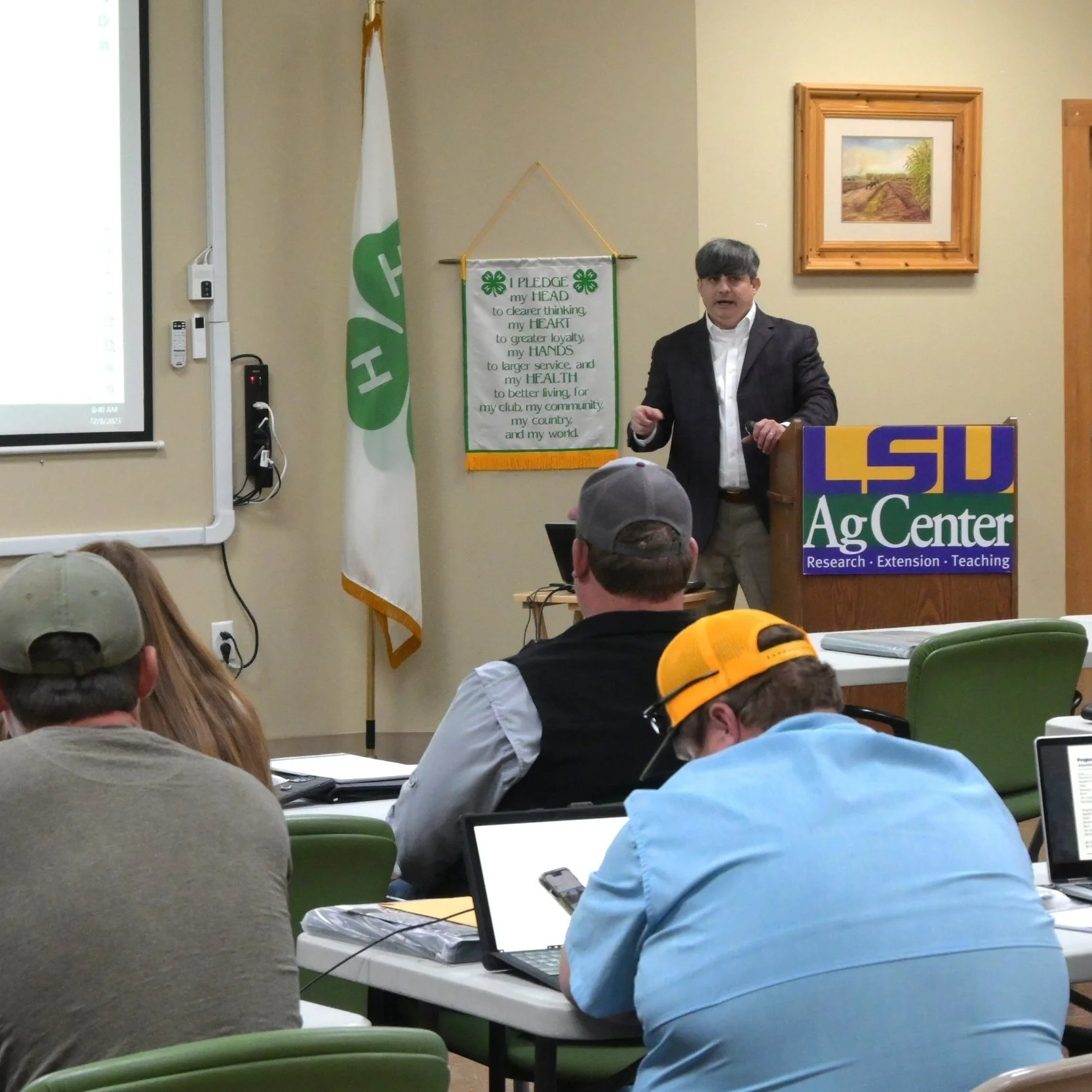
The Farming for the Future workshop, held at the LSU AgCenter Avoyelles Parish Extension Office on Dec. 8, offered beginning farmers information on risk and financial farm management.
Participating in the workshop were farmers from Avoyelles, Rapides and Grant parishes who represented 20,000 acres in soybean and feed grain production.
Read More
Celebrate All Things Farm To School With The 2024 Seeds To Success Calendar
For a second year, K through 12 students across the state were invited to participate in the Louisiana Farm to School Art Contest by submitting unique pieces of artwork that captured the theme of “What Farm to School Means to Me.”
Read More
LSU AgCenter, College Of Agriculture Award Winners Shine At Annual Conference
The LSU AgCenter and LSU College of Agriculture announced the winners of their annual faculty and staff awards during a joint ceremony with the Southern University Ag Center and Southern University College of Agricultural, Family and Consumer Sciences Dec. 13 at the LSU Union Theatre.
Read More
November Market Update Corn, Soybeans, Rice & Cotton
This report also includes Marketing Year price projections for corn, cotton, rice and soybeans.
Read More
Carbon Capture High On Forage Conference Agenda
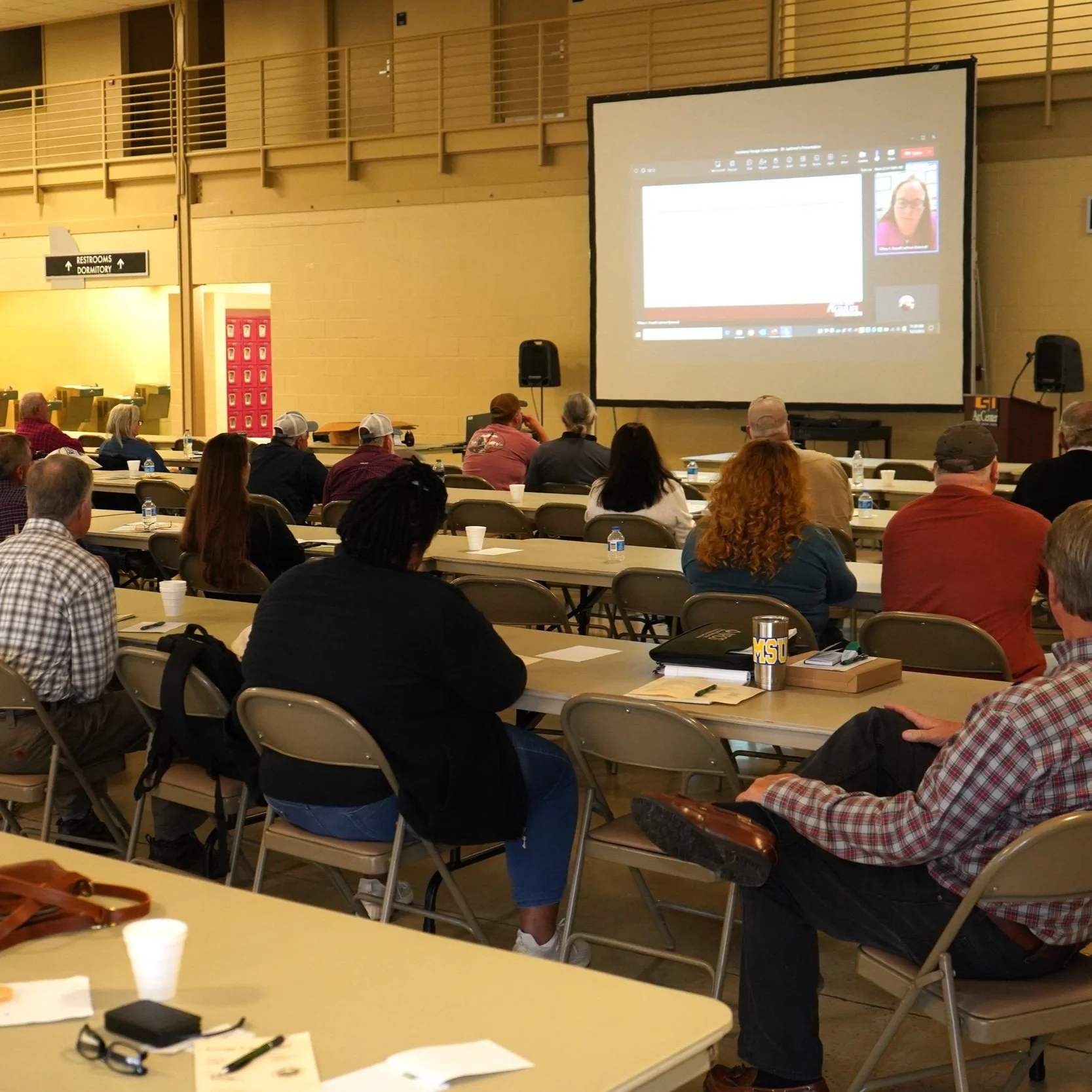
The past few years have seen a steady uptick in the amount of information about carbon sequestration or capture, but what is it and how does it work were questions answered at the annual Louisiana Forage Conference held on Dec. 1 in Alexandria.
Read More
2024 Rice Varieties & Management Tips
Decisions on variety selection are some of the earliest and most critical you will make. This information will help you decide which rice varieties are best suited to your particular growing conditions.
Read More
LSU AgCenter Horticulturist Kathryn Fontenot Named next Southwest Region Director
Kathryn “Kiki” Fontenot, an LSU AgCenter horticulturist who has educated students and Louisiana vegetable growers for more than a decade, will become director of the AgCenter Southwest Region in January.
As director, Fontenot will lead the AgCenter agents who assist agricultural producers, families and 4-H clubs for 14 parishes in southwestern Louisiana.
Read More
Beyond the Bayou: Advancing Plant Science in a Diverse and Changing Agricultural Region
The Beyond the Bayou Symposium, hosted by Louisiana State University and in partnership with Corteva Agriscience, is set to take place in the heart of South Louisiana. The stage has been set to bring together professionals, students, and scientists to address the challenges posed by climate, pests, and the landscape of the Southeastern United States. The goal is simple: to promote adaptation and innovation within the region's agricultural industries through research and collaboration.
Read More
Photographers! Get It Growing Calendar Entries are Being Sought
If you feel your photography skills are ready to be showcased, then you are encouraged to submit your best work in the call for entries for the 2025 edition of the LSU AgCenter Get It Growing calendar.
Read More
Diverse Backgrounds Merge, Friendships Made At Southwest Region 4-H Challenge Camp
Youth from 13 parishes across southwest Louisiana came together in the spirit of discovery, unity and a little friendly competition at the 2023 Southwest Region 4-H Challenge Camp.
Read More
Can Targeting Fungicide Applications Improve Cercospora Leaf Blight Management?
“When is the best time to spray fungicides?” is a question that is central to managing many plant diseases. A good answer, however, is rarely simple and several factors, from the economics of fungicide applications to the biology of the pathogen, need to be considered.
Read More