Three Takeaways From the LSU Beef and Forage Field Day
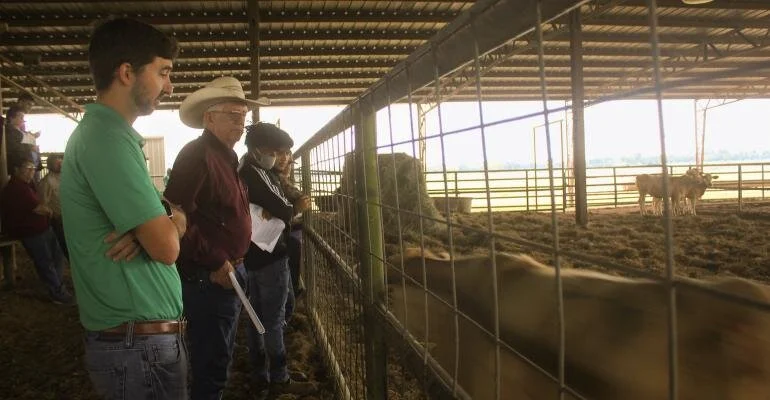
The Northeast Louisiana Beef and Forage Field Day was held September 16 at the Goldmine Plantation in Mangham, La. Field Day visitors heard from LSU AgCenter livestock specialists and a local veterinarian on best practices for cattle operations as we move into fall and winter. Here are three key takeaways from the event.
Read More
AgCenter Experts: LA Agriculture Suffers At Least $584M In Damage From Hurricane Ida
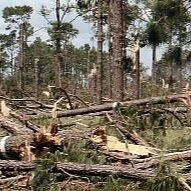
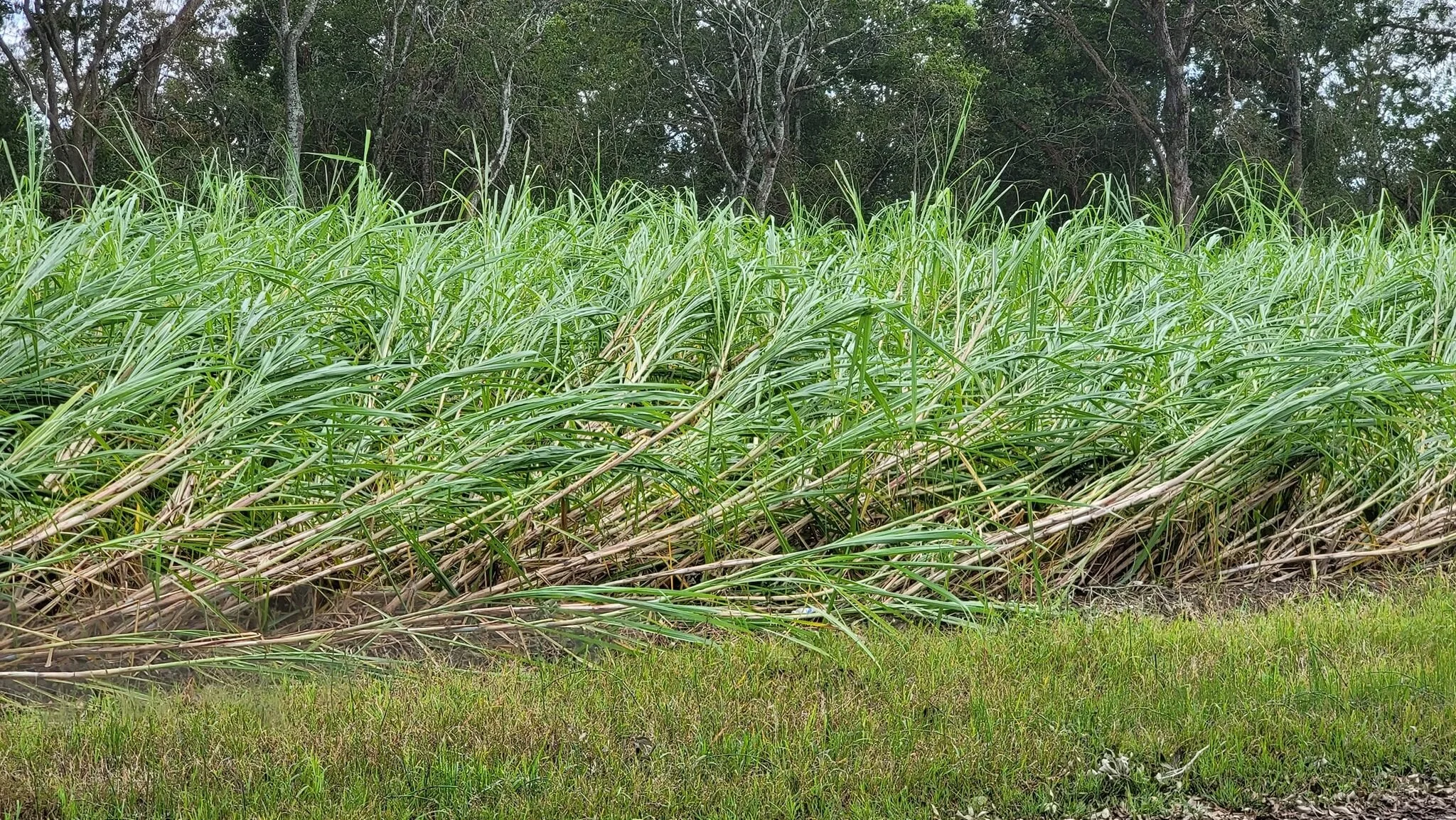
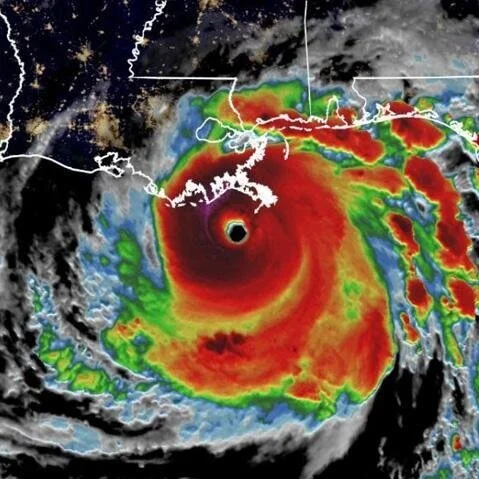
The Louisiana agriculture industry has suffered at least $584 million in damage after Hurricane Ida walloped the southeastern portion of the state last month with strong winds and flooding, according to a new report from LSU AgCenter experts.
Timber damage makes up about half that amount, economist Kurt Guidry wrote in the report. Another 35% is attributable to the loss of infrastructure such as fences, machinery, equipment and buildings. Sugarcane, fruit, vegetable and ornamental horticulture crops as well as livestock were affected too.
Read More
Fiery Crab Expands Into Grocery Stores
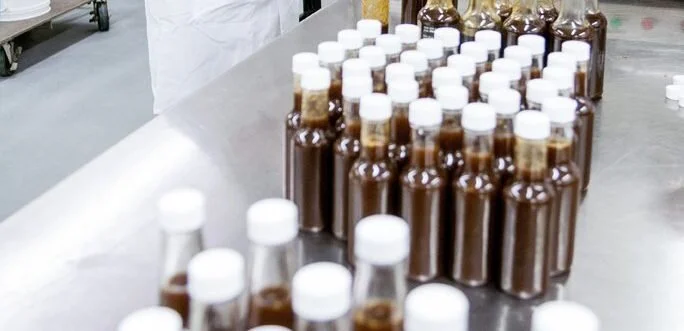
Louisiana seafood restaurant Fiery Crab is expanding its products into area supermarkets thanks to the LSU AgCenter’s Food Innovation Institute.
Fiery Crab was founded in Lafayette, but now has locations in Baton Rouge, New Orleans and Lake Charles.
The restaurant has 16 locations, says district manager Victoria Crigan, and when the pandemic hit, she and her team began brainstorming how to make Fiery Crab products more accessible to customers who were staying home.
Read More
Increasing Yield And Quality Continue In Cotton Breeding
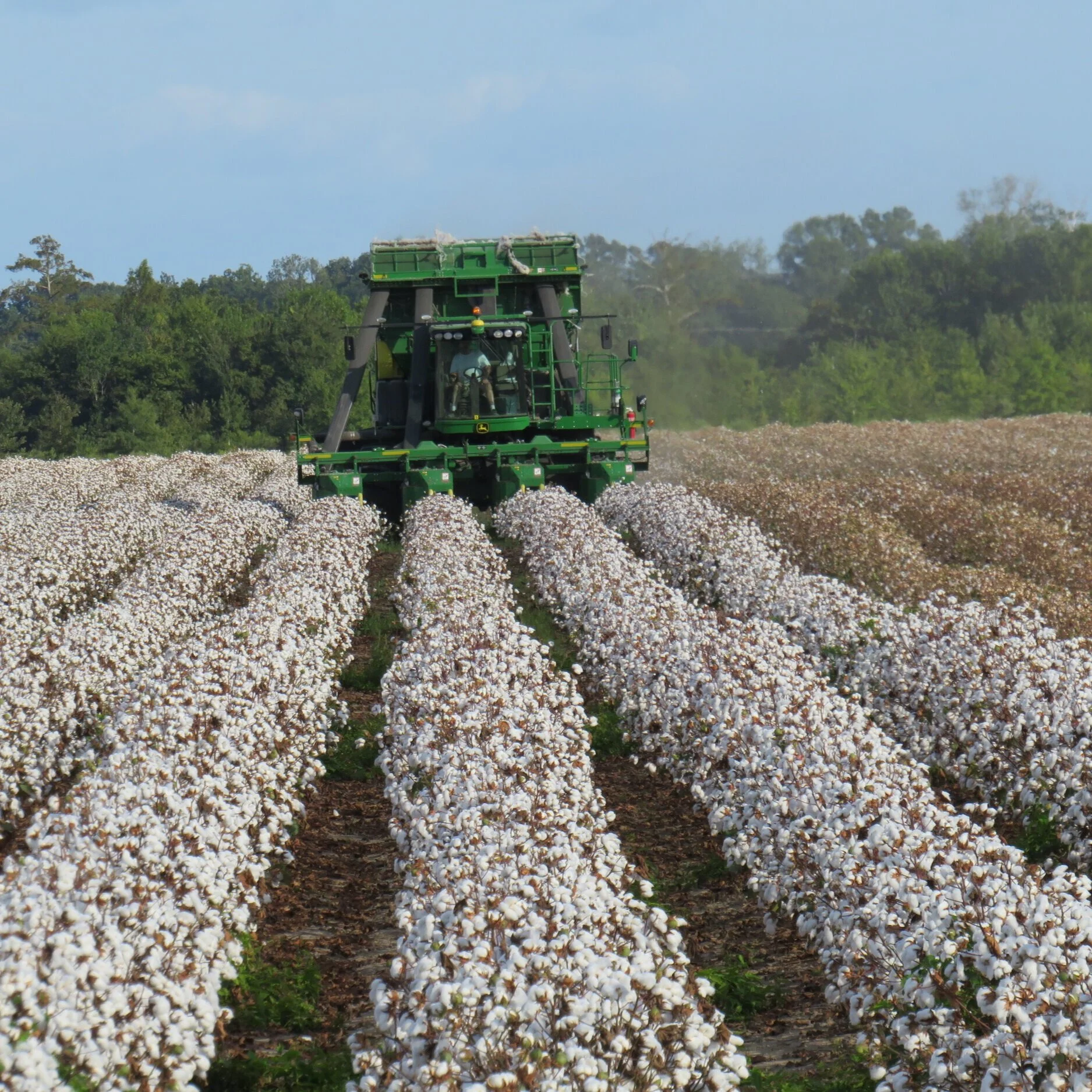
Cotton is one of the oldest textile fibers in the world, reaching back until the fifth or fourth millennium B.C., with some of the earliest cultivation occurring in Mexico, India, Egypt and China. One of the earliest reports of its cultivation in what is now the United States dates to 1556 in Florida, though it was found growing in the wild by Christopher Columbus in 1492 and along the banks of the Mississippi and its tributaries by subsequent explorers. The first reported cultivation in Louisiana dates to 1729, but reports tracing to the early 17th century exist. Louisiana State University Agricultural Experiment Station bulletins mentioning cotton fertility research appeared in 1886, and the first testing of 22 different cotton varieties appeared in 1887. Then, cotton variety trial yields ranged from 420 to 586 pounds of lint per acre. More than a century later, the state’s average yield has doubled.
Read More
Distribution Scheduled for Donated Supplies Following Hurricane Ida
Mark your calendar! October 2, 2021 is when Louisiana Farm Bureau, Louisiana Cattlemen’s Association, LSU AgCenter Extension Agents, along with St. Helena, Tangipahoa and Lafourche Parish Farm Bureaus and Lafourche Cattlemen’s Association will distribute donated fencing supplies to ranchers in need.
Read More
Louisiana Crops Newsletter September, 2021
Estimating the Forgone Revenue from Harvesting Dry Soybeans
When soybeans are delivered to the elevator, any difference between actual and desired moisture content can potentially result in lower producer revenue. For example, soybeans testing over 13% moisture are assigned a penalty that is shown directly on the scale ticket. Soybeans testing under 13% moisture are accepted by the elevator with the assumption that 60 pounds of soybeans constitutes a bushel. So, by definition, a standard bushel of soybeans weighs 60 pounds at a moisture level of 13%. Given that 13% of the weight is comprised of moisture that leaves 87% (52.2 pounds) as dry matter.
Read More
Disaster Recovery Meeting Set For Agricultural Producers In New Orleans
The LSU AgCenter will sponsor a meeting for landowners, farmers and producers located in Orleans, Jefferson, St. Bernard, Plaquemines, St. Charles and surrounding parishes who sustained damage from Hurricane Ida. The meeting will be held Thursday, Sept. 23, at 10 a.m. at the New Orleans Botanical Garden Garden Study Center at 9 Stadium Drive in New Orleans. The meeting also will be recorded and streamed online.
Read More
Rutherford To Service As Executive Associate Dean At LSU AgCenter
The LSU College of Agriculture has named Allen Rutherford executive associate dean.
Rutherford has served as director of the college's School of Renewable Natural Resources, interim associate dean in the College of Agriculture, interim department head of the Department of Experimental Statistics, interim director of the School of Nutrition and Food Sciences and interim head of the Department of Agricultural and Biological Engineering.
Read More
September, October Webinars To Offer Information On Legal Liabilities On Farms
The LSU AgCenter will offer a two-part webinar series to help farm operators identify and address legal risks. The webinars are part of the LSU AgCenter Inspired by Annie’s project and are being organized in collaboration with the Louisiana office of the Natural Resources Conservation Service.
Read More
LSU AgCenter Research Awarded $325,000 Grant To Study Cercospora Leaf Blight
Cercospora leaf blight has been a bane to soybean farmers in the mid-South region of the United States for the better part of two decades, costing the industry more than $250 million in the past five years alone. Now, thanks to a three-year, $324,988 research grant from the National Institute of Food and Agriculture, LSU AgCenter plant pathologist Sara Thomas-Sharma and her team are trying to develop long-term solutions to the problem.
Read More
Got The Blue Tarp Blues? Here's How To Get A Hurricane-Hardy Roof
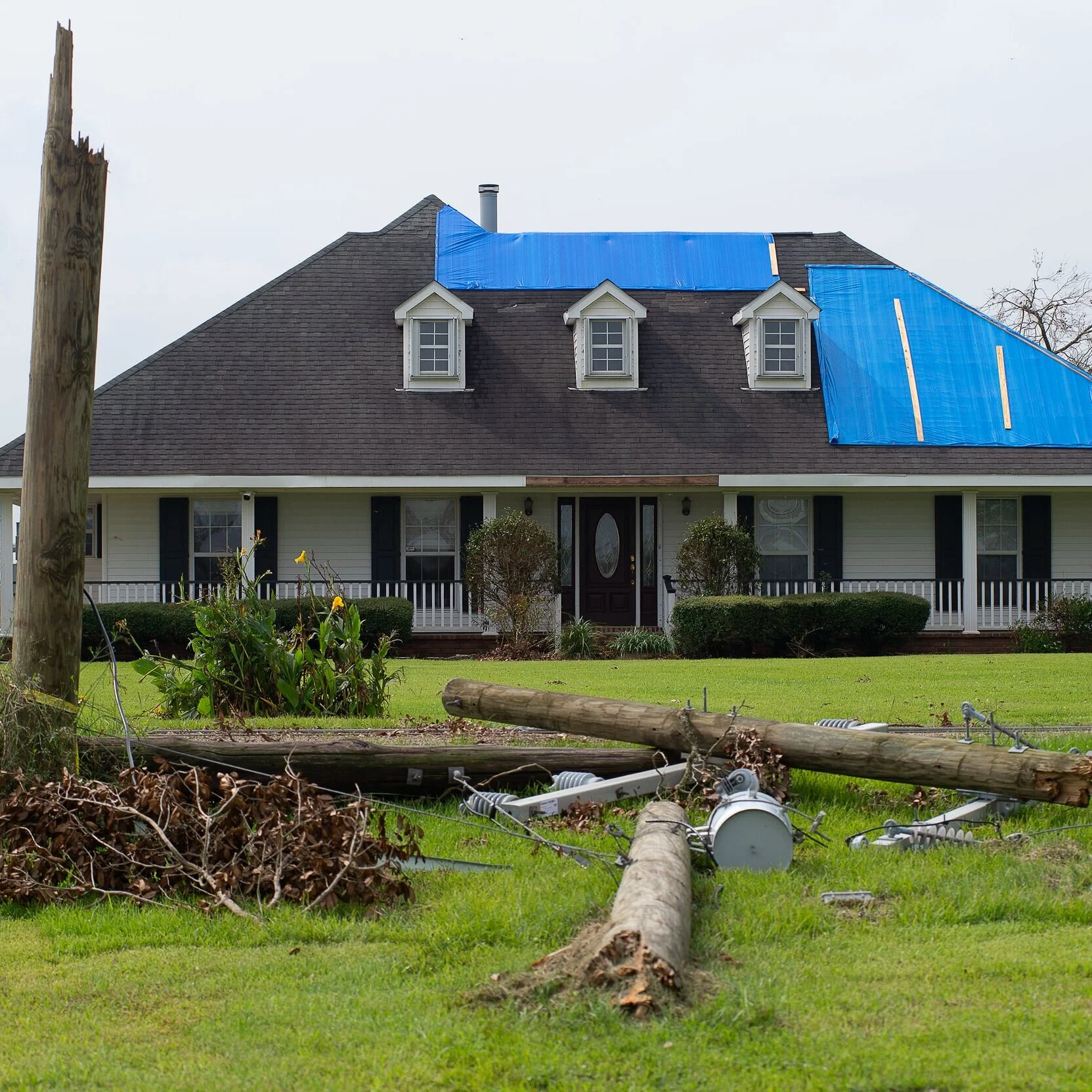
Singing the blue tarp blues is no joke. If your home’s roof was damaged by Hurricane Ida, it doesn’t have to happen again. There are now roofing products and methods that can withstand a Category 4 hurricane.
The key is to specify the right types of products and installation methods, according to Claudette Hanks Reichel, LSU AgCenter housing specialist.
Read More
LSU AgCenter Assessing Damage from Hurricane Ida
LSU AgCenter agents are beginning the arduous task of damage assessment and recovery from Hurricane Ida.
Given the geographic area affected, the biggest economic impact is likely to be to agricultural infrastructure and timber, said Kurt Guidry, LSU AgCenter region director and agricultural economist. But sugarcane, livestock, soybeans, fruit and vegetable crops, and the horticulture industry also experienced losses.
Read More
LSU AgCenter Offer Advice For Storm Recovery
Hurricane Ida cut a swath through southeast Louisiana leaving homes and businesses with damage and more without power. Homeowners who need guidance on cleaning up and making repairs following the storm can turn to information from the LSU AgCenter LaHouse Home and Landscape Resource Center.
Read More
Sugarcane Planting Continues With Farmers Watching the Tropics Closely
In Louisiana, sugarcane farmers are busy planting their fields so they can turn their attention to the harvest, which begins next month. This year’s crop is a little short, which is causing farmers to use more cane for seed. Farmers are also watching the path of Ida. LSU AgCenter correspondent Craig Gautreaux has this report from south Louisiana.
Read More
Rice Harvest Nearing Completion, Yields Better Than Expected
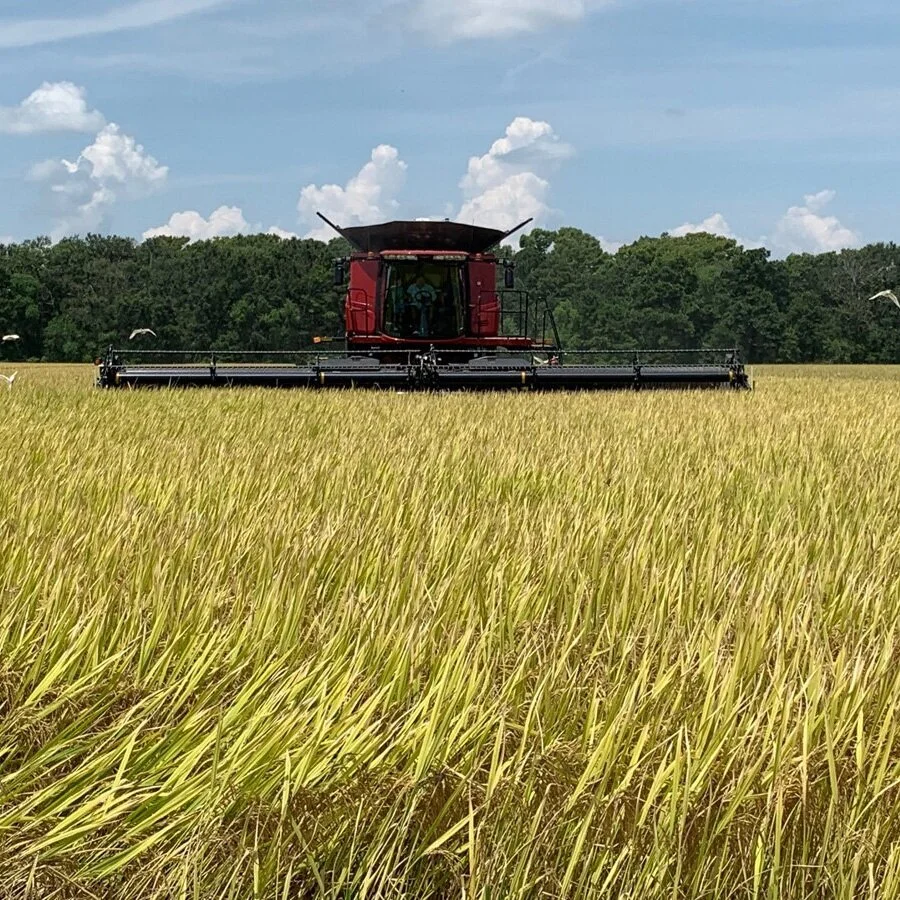
They are more than halfway through the Louisiana rice harvest, and many producers are pleased with the results. Less-than-ideal growing conditions throughout the season had expectations low, but yields have been better than anticipated. LSU AgCenter correspondent Craig Gautreaux has the story from southwest Louisiana.
Read More