September WASDE Drops Corn, Soybean Production, Increases Cotton Production; Wheat Unchanged
The monthly World Agricultural Supply and Demand Estimates, released Monday by USDA’s Office of the Chief Economist, decreased corn supply for the start of the new marketing year, largely driven by a drop in production from a reduction in national average yield and area harvested.
Read More
Louisiana Crop Production Report: September 2022
Louisiana corn for grain production is forecast at 71.8 million bushels, down 15 percent from the August 1 forecast and down 31 percent from 2021. Based on conditions as of September 1, yield is expected to average 165 bushels per acre, down 10 bushels from last month and down 18 bushels from last year.
Read More
‘We’re Just Looking to Break Even’: Cenla Farmers Battle Mother Nature While Trying to Harvest
Hit by inflation, farmers around the country have dealt with unprecedented input prices this year, and inclement weather has taken a toll on their yields.
Farmers in Louisiana have also dealt with inflated prices of everything from fuel to fertilizer, and unfavorable weather conditions mean smaller yields, shrinking their margins even smaller.
Read More
Old River Locks Closing Impacts Farmers’ Bottom Lines
For the first time in 46 years, the Old River locks are being drained so they can be repaired.
“The only way for us to get our crops on the market is through the river,” Curt Engemann said.
Read More
LA Corn Harvest Reaping Good Yields
The Louisiana corn harvest is near the halfway point, and farmers have been mostly pleased with the results. It was an expensive crop to grow this year, but good prices are offsetting much of the cost. LSU AgCenter correspondent Craig Gautreaux has the story from northeast Louisiana.
Read More
Louisiana Crops Newsletter: August 2022
As we approach late into the summer, we should be on the lookout for late-season lepidopteran pests of soybean. Soybean loopers can build large populations in a short amount of time and can be exaggerated by the use of broad-spectrum insecticides for stink bugs and three-cornered alfalfa hoppers.
Read More
August 2022 LSU AgCenter Market Report for Corn, Soybeans, Rice and Cotton
The 2022/23 U.S. corn outlook for this month calls for lower supplies, reduced feed and residual use, slightly higher food, seed, and industrial use, smaller exports, and lower ending stocks. Projected beginning stocks for 2022/23 are 20 million bushels higher based on a lower use forecast for 2021/22, where a reduction in corn used for ethanol is partially offset by greater use for glucose and dextrose.
Read More
USDA Forecasts US Corn Down & Soybean Production Up From '21
The Crop Production report issued Friday by USDA's National Agricultural Statistics Service (NASS) forecasted corn production down from 2021 and soybean production up from last year. Corn production is down 5% from last year, forecast at 14.4 billion bushels; soybean growers are expected to increase their production 2% from 2021, forecast at 4.53 billion bushels.
Read More
Farmers Tell USDA to Expect Record Soybean Yields But Corn Yields Are Lower Than Trend
USDA released its August Crop Production report on Aug. 12 and the survey-based report has farmers indicating corn yields will reach 175.4 bushels per acre and soybean yields at a record 51.9 bushels per acre in 2022. This is despite extreme heat and sporadic rainfall throughout the countryside.
Read More
Louisiana Crop Production, August, 2022
Louisiana corn for grain production is forecast at 84.9 million bushels, down 18 percent from 2021. Based on conditions as of August 1, yield is expected to average 175 bushels per acre, down 8 bushels from last year. Producers expect to harvest 485,000 acres of corn for grain, down 80,000 acres from 2021.
Read More
Farming With One Hand Tied Behind our Backs?
The world is facing serious food and energy shortages as an outgrowth of the war in Ukraine and supply-chain shortages. Farmers are working to solve these problems, but we need help from the federal government if we are going to have any chance of success.
That’s why national corn grower leaders recently called on the Biden administration to address regulatory overreach.
Read More
USDA to Measure Crop Production Throughout the Growing Season
How will this year’s weather conditions affect crop production? The Monthly Agricultural Yield Survey conducted by the U.S. Department of Agriculture’s National Agricultural Statistics Service (NASS) will survey U.S. farmers beginning July 30, 2022, regarding yields of the major row crops throughout the growing season across the United States.
Read More
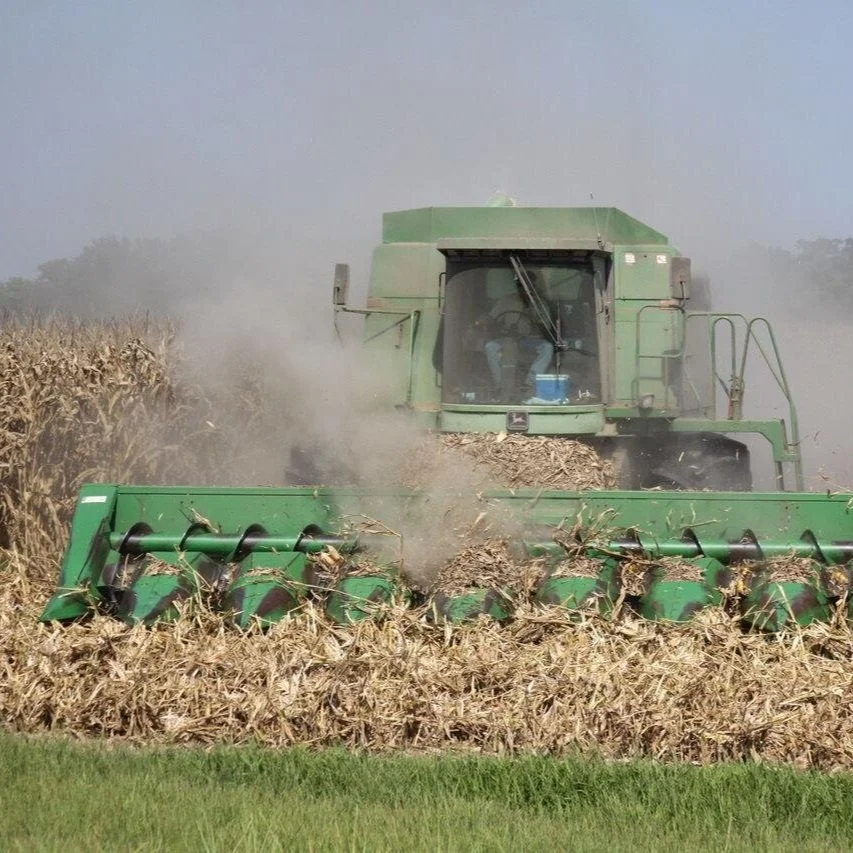
Concordia Corn Harvest Approaching
Corn harvest should begin in approximately two weeks, according to Kylie Cater Miller, LSU Extension associate.
According to Miller, Concordia’s corn crop has made it to the black layer, and farmers are preparing their harvest equipment.
Read More
Phosphorus Nutrition On Corn: It's Essentiality, Supply & Management Practices
Phosphorus is one of the three primary nutrients commonly found in fertilizers along with nitrogen and potassium. Phosphorus occurs naturally in soil, but it is usually in forms unavailable for plant uptake. Plants require phosphorus to grow, which is why farmers have been feeding it to their crops for centuries.
Read More
July Market Update for Corn, Soybeans, Rice, and Cotton
This month’s 2022/23 U.S. corn outlook is for larger supplies and higher ending stocks. Corn beginning stocks are raised 25 million bushels, based on reduced feed and residual use for 2021/22 as indicated in the June 30th Grain Stocks report.
Read More