AFBF Analyzes Potential Beef Import Impacts: Urges President Trump to Reconsider
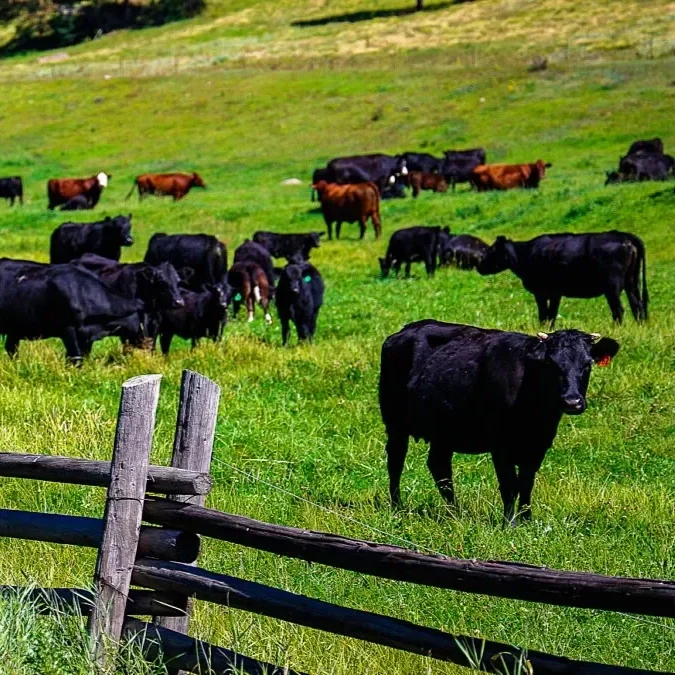
The President’s plan to facilitate record imports of beef will have a significant impact on farmers and ranchers who are rebuilding their herds devastated by drought. American Farm Bureau Federation economists analyzed the potential consequences of increased imports in the latest Farm Bureau Intel. Also today, Farm Bureau President Zippy Duvall sent a letter to President Trump urging him to reconsider his plan to flood the market with foreign beef.
Read More
Economists Warn Tariff War With Canada Could Hit Home, Affecting Businesses and Consumers in Northern Louisiana
As Canada and the United States continue their tariff war, Canada’s latest update on which goods will face additional tariffs could have a significant impact.
The Canadian finance minister says the counter-tariffs will target products including dairy, agricultural equipment and paper, which are all part of industries that play a major role in northern Louisiana. With northern Louisiana’s economy relying heavily on agriculture and logging, ULM economics professor Tammy Johnston says those industries could feel the impact.
Read More
Salt Grass Fed Cows, Boat Fed Cowboys
Anyone who has seen an old Western movie knows that every cattle drive was accompanied by a chuck wagon driven by a crusty old cook who fixed the beans and coffee and dared anyone to criticize him. Those wagons also accompanied long overland drives when south Louisiana cattle were herded to market in New Orleans, but some of our drives were a little bit different. They used chuck boats instead of chuck wagons.
Read More
CF Industries, JERA Co., and Mitsui & Co., Ltd., Break Ground on Blue Point One, the World’s Largest Low-Carbon Ammonia Plant in Louisiana
Blue Point One, a joint venture between CF Industries Holdings, Inc. (NYSE: CF), the world’s largest producer of ammonia; JERA Co., Inc. (JERA), Japan’s largest energy company; and Mitsui & Co., Ltd. (Mitsui), a leading global investment and trading company, today broke ground in Modeste, Louisiana, on a low-carbon ammonia plant that can serve both traditional agricultural customers and emerging energy applications. The plant is expected to be the world’s largest ammonia plant upon completion, with a production capacity of 1.4 million metric tons per year.
Read More
Crafts, Sports, Weightlifting Explain Agricultural Topics at AgReimagined
Weightlifting, sports and crochet may not have much to do with agriculture by themselves, but at the AgReimagined Symposium, they were crucial to educating attendees on agricultural research and techniques.
On Aug. 10, three student workers and two assistant professors with the LSU AgCenter presented their ideas for new ways to explain and teach agricultural concepts in relatable ways. The event was hosted at the AgCenter Tom H. Scott Research, Extension and Education Center in Winnsboro.
Read More
Summer of growth: LSU AgCenter Interns Discover Careers Through Extension
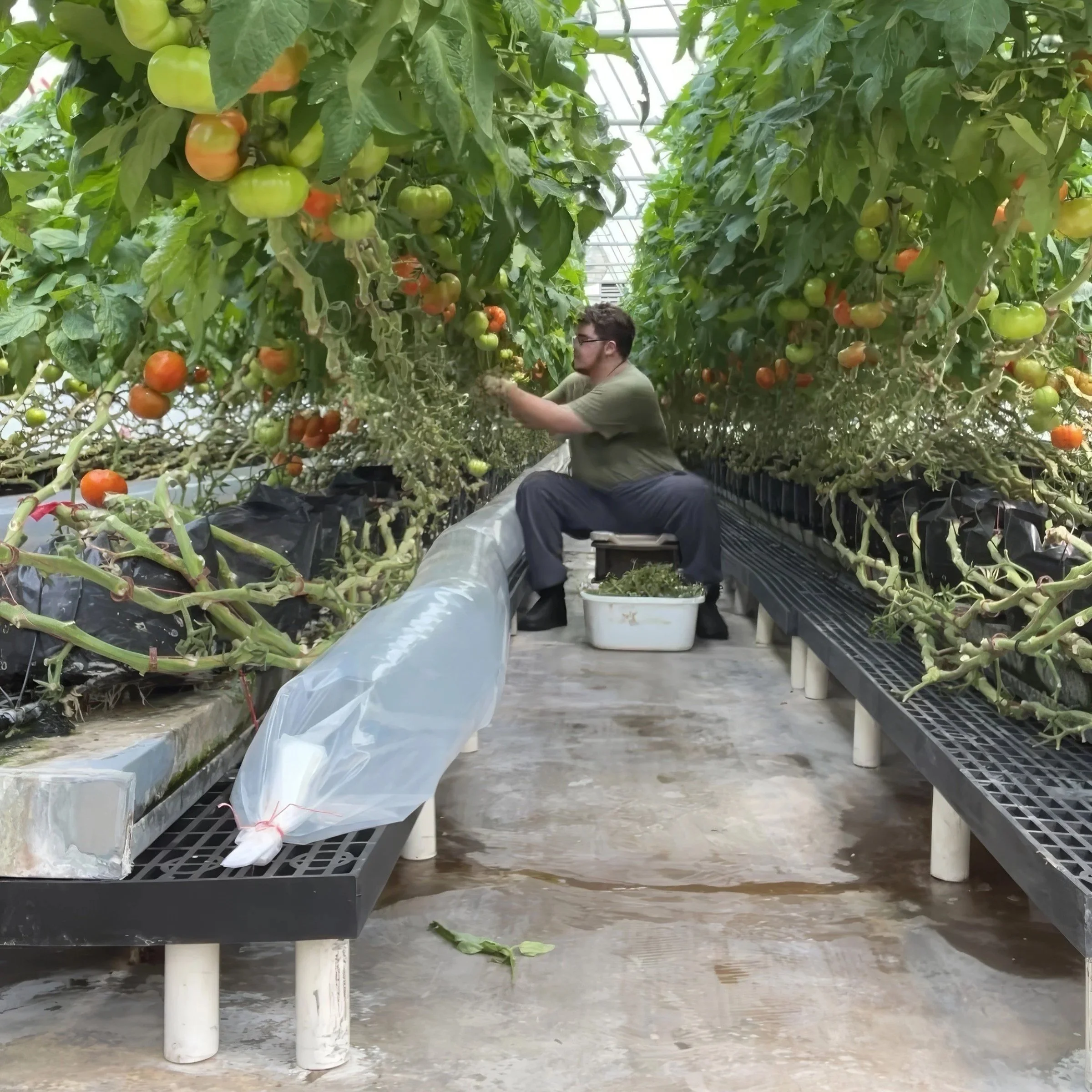
A greenhouse can be an uncomfortable place to spend a Louisiana summer, but for Lawrence Harrison it was an ideal spot to gain hands-on experience for his future career.
Harrison, a biology major at LSU Shreveport, worked as a horticulture intern at the LSU AgCenter Red River Research Station. His internship was part of the Louisiana Cooperative Extension Service (LCES) Internship Program.
Read More
With Interest Brewing Among Growers, AgCenter Teaches the Science and Art Behind Tea Production
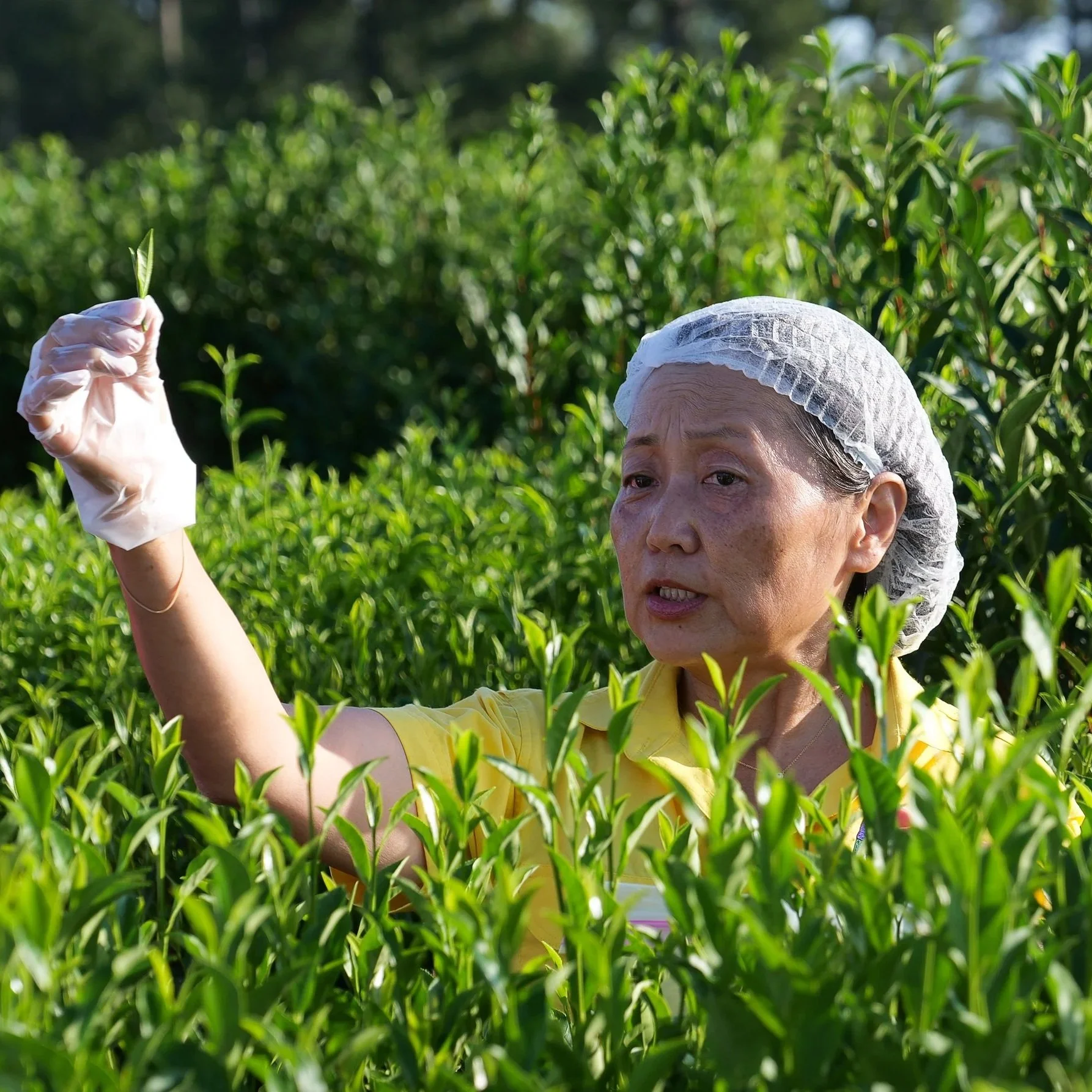
On a recent Friday at the LSU AgCenter Hammond Research Station, an aroma reminiscent of freshly cut grass filled a meeting room. Participants in a workshop on tea production had returned from a field outside where they’d plucked tender leaves earlier in the morning and were now learning the art of transforming them into tea.
Read More
CHS and OCP North America Launch Major Initiative to Strengthen U.S. Fertilizer Supply
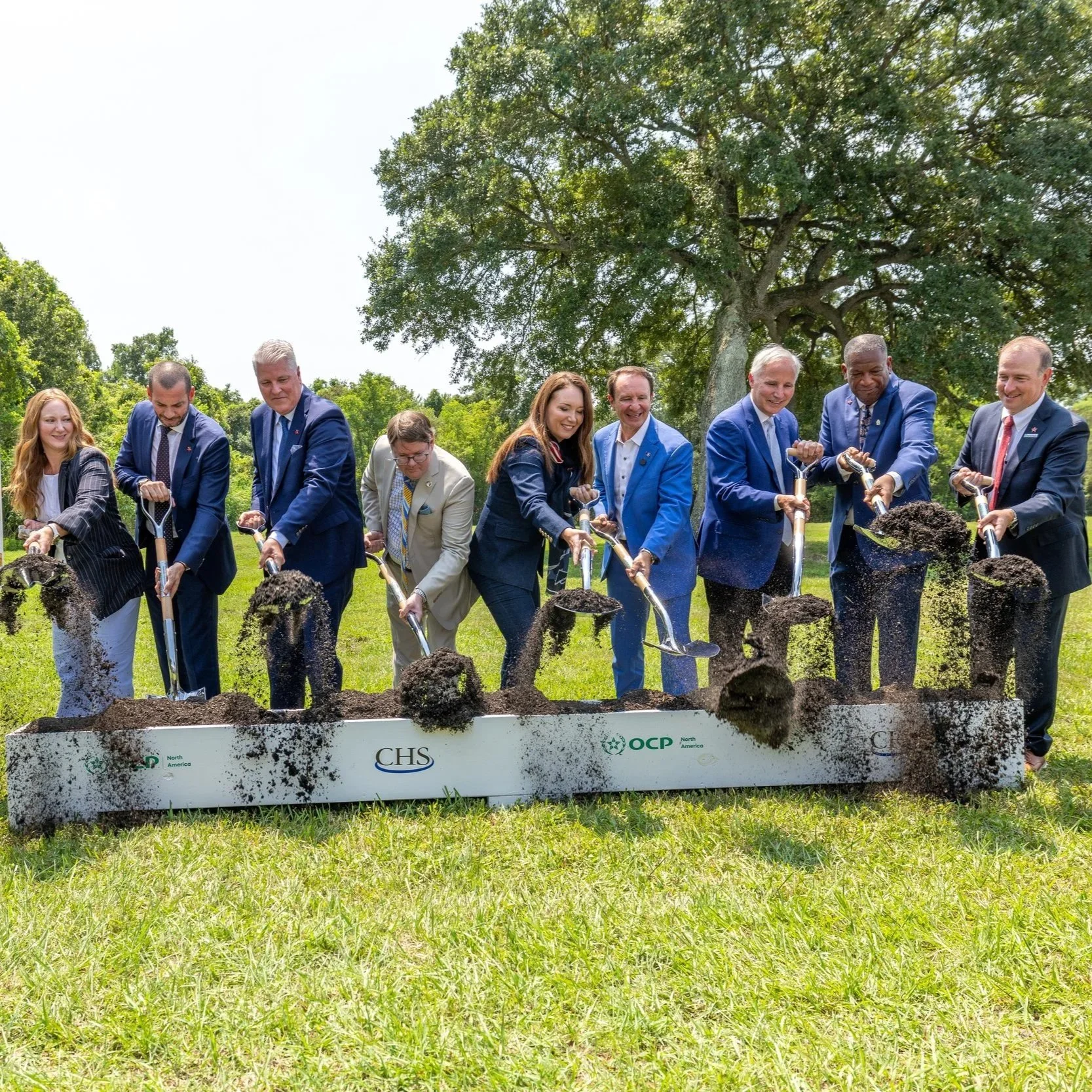
CHS, America’s leading farmer-owned cooperative, and OCP North America, a subsidiary of the OCP Group, are taking a major step to strengthen domestic fertilizer production in the United States. Through a proposed joint venture, the two companies are preparing to build and operate a phosphate fertilizer production facility at the Cornerstone Energy Park located in Waggaman, Louisiana. The new plant is expected to produce over 1 million metric tonnes of phosphate-based fertilizer annually and would be the first of its kind constructed in the United States since 1984.
Read More
SpaceX Plans $100 Billion Launch Facility on Louisiana Coast
Governor Jeff Landry and SpaceX are announced plans on Tuesday in Abbeville to build what the company says will be the world’s largest spaceport on Louisiana’s coast.
The proposed $100 billion launch facility would be located in Vermilion Parish and have the capacity to support thousands of rocket launches each year.
Read More
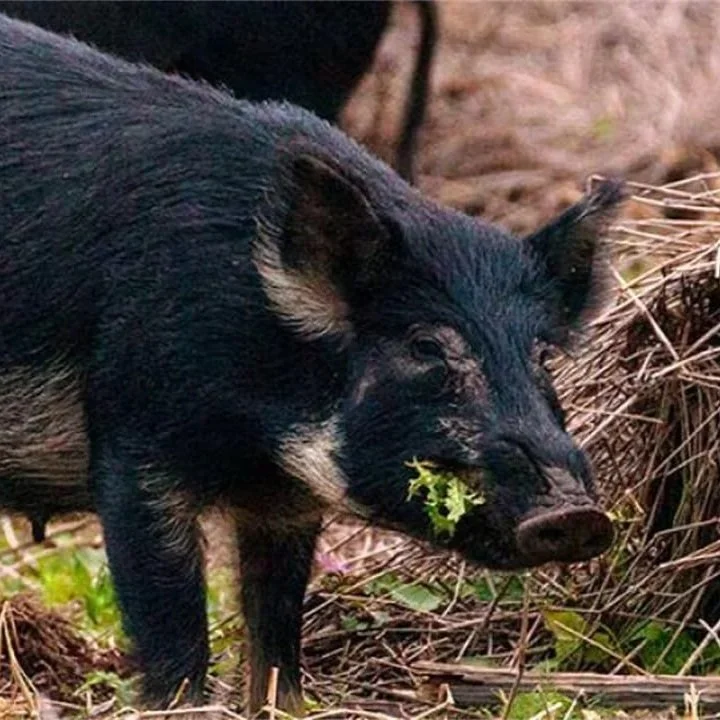
USDA Takes a Comprehensive Approach to Feral Hog Challenge
Over the past decade, the feral swine population has continued to grow across various regions of the United States, and with that comes an increase in damage.
“Their ability to root, trample, destroy natural environment and crops in native species makes them really problematic across the United States where they have successfully invaded an established population,” says Dana Cole, coordinator of the National Feral Swine Damage Management Program for the USDA Animal and Plant Health Inspection Service.
Read More
Growing More Than Cane: The Sotile Family’s Fight to Keep Farming Alive
In the sugarcane fields where the fertile soil meets the steel skyline of industry, Frankie and Mallory Sotile are holding on to a crop and a way of life.
Read More
USDA Rule Expands Payment Limits Across Farm Structures
USDA’s new payment limitation rule gives eligible LLCs and S corporations access to multiple program payment limits beginning with the 2026 program year, reducing a longstanding disadvantage compared with general partnerships and joint ventures.
Read More
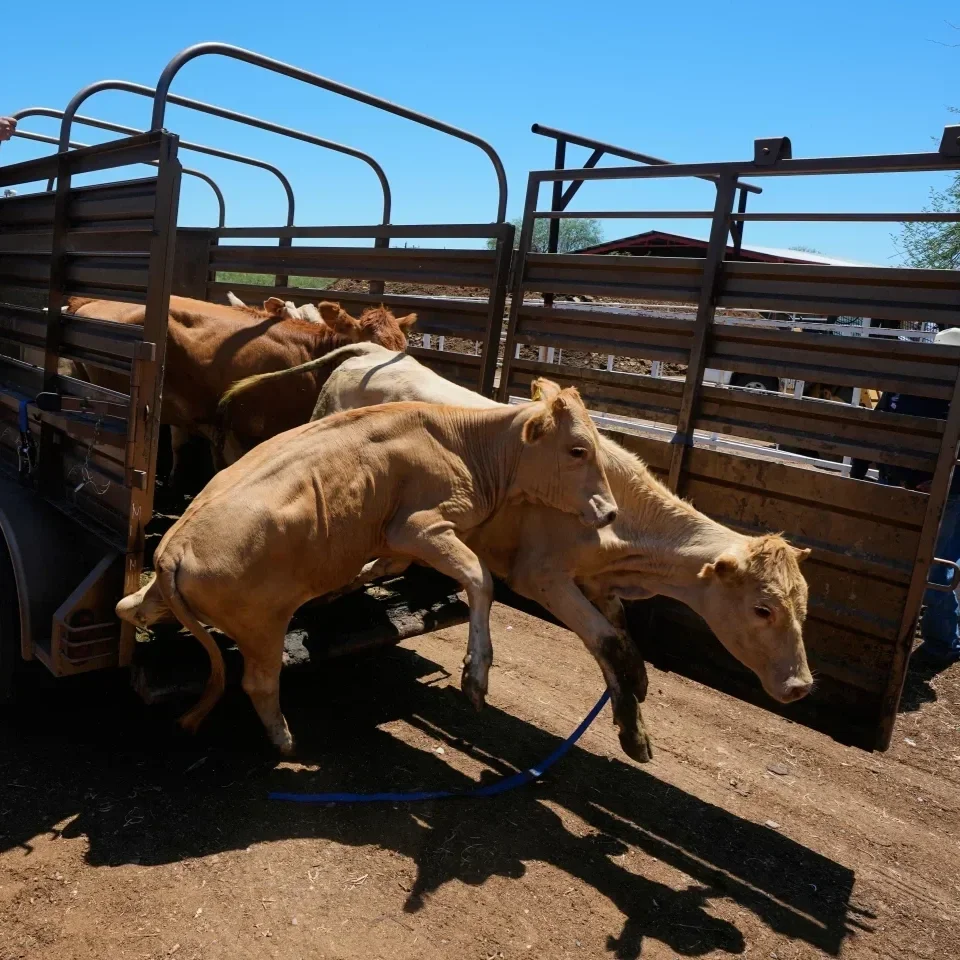
Mexico Resumes Limited Cattle Exports to US After Screwworm Pause, Relieving Ranchers
Mexico resumed live cattle exports to the United States on Monday after they were halted for nearly two years by restrictions imposed by the Trump administration following a screwworm outbreak.
Even under strict limitations, the reopening of the trade channel brought relief to Mexico’s ranching industry, which was dealt an economic blow by the controls. The flesh-eating worm is now present on both sides of the border.
Read More
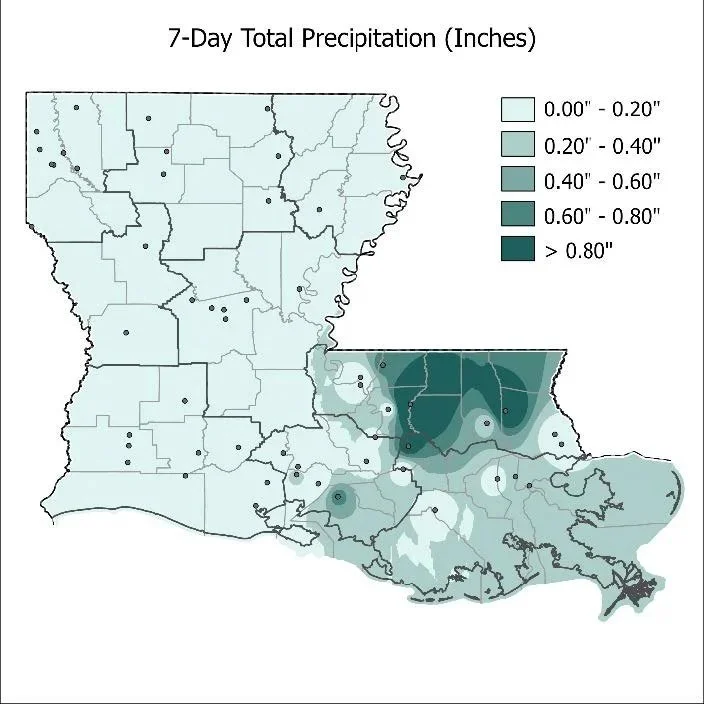
Louisiana Weekly Climate Summary: August 12-18, 2026
Rainfall was limited during the 7-day run as high pressure was in control; only portions of southeastern Louisiana received any appreciable amounts, many locations recorded no rain.
Outside of a couple of isolated locations, rainfall was significantly below-normal across the state, continuing the pattern of recent weeks.
Read More
Late-Season Soybean Management: Protecting Seed Size and Preparing for Harvest
Best management decisions during the final weeks of the season can have a significant impact on yield and profitability.
Read More