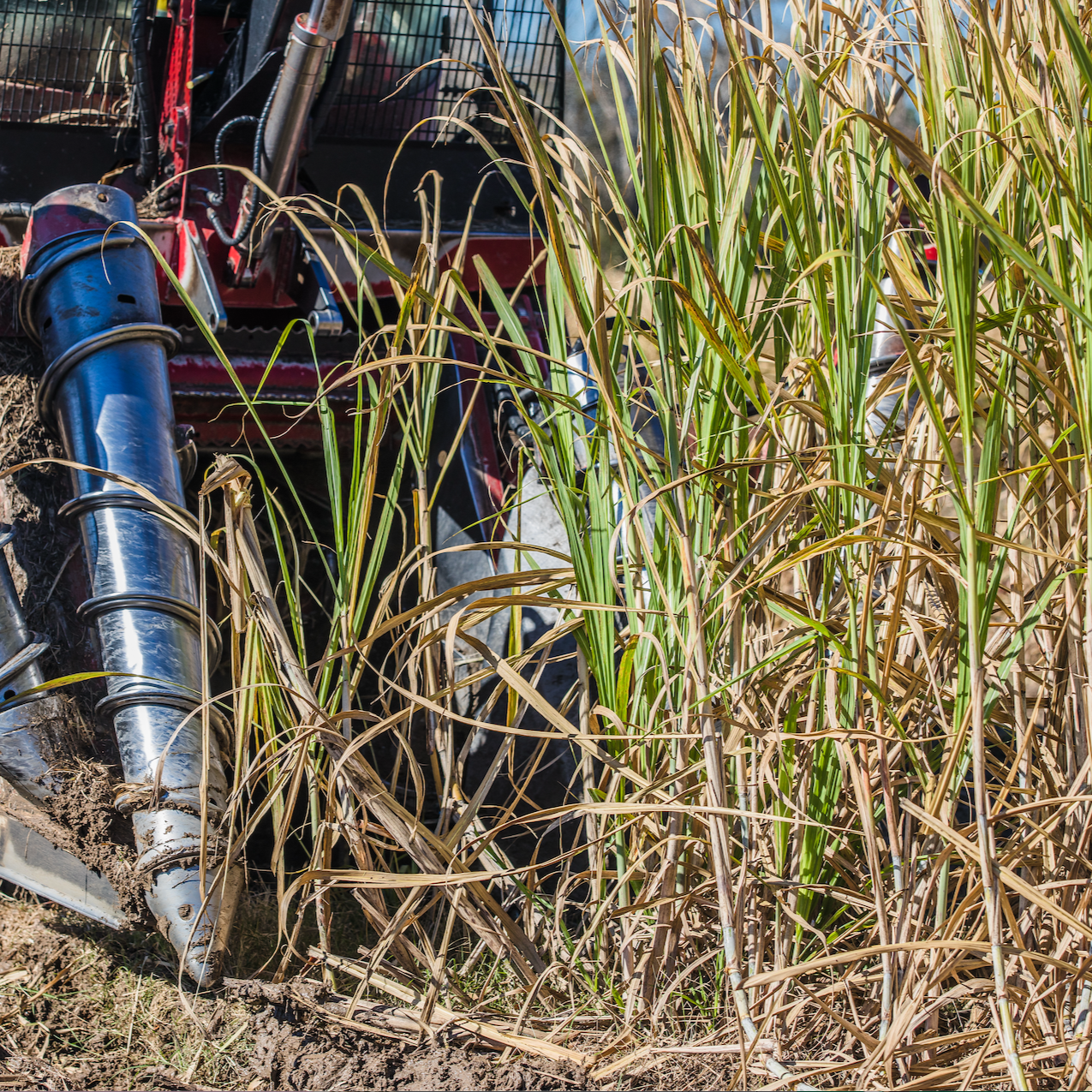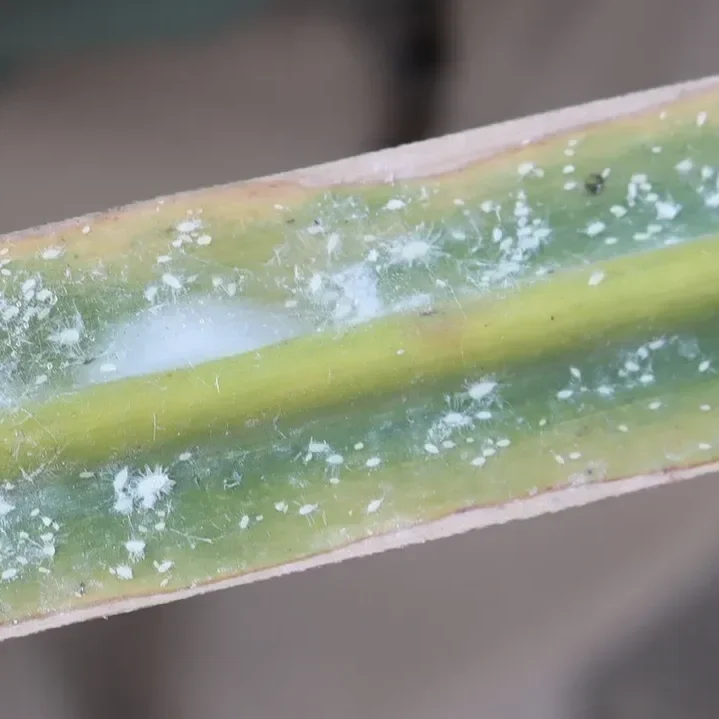
Louisiana sugarcane producers are expecting another strong crop, but the spread of the invasive pasture mealybug is becoming a growing concern for the industry.
Read More
Louisiana sugarcane producers are expecting another strong crop, but the spread of the invasive pasture mealybug is becoming a growing concern for the industry.
Read MoreWhile Congress is in its August recess, U.S. House Speaker Mike Johnson spent part of his time back home listening to the people who help feed the country.
Johnson met with farmers and ranchers from across Louisiana at the ranch of Louisiana Farm Bureau First Vice-President Marty Wooldridge at his ranch here, where producers representing cattle, rice, sugarcane, timber and other commodities shared the challenges they said are threatening the future of agriculture.
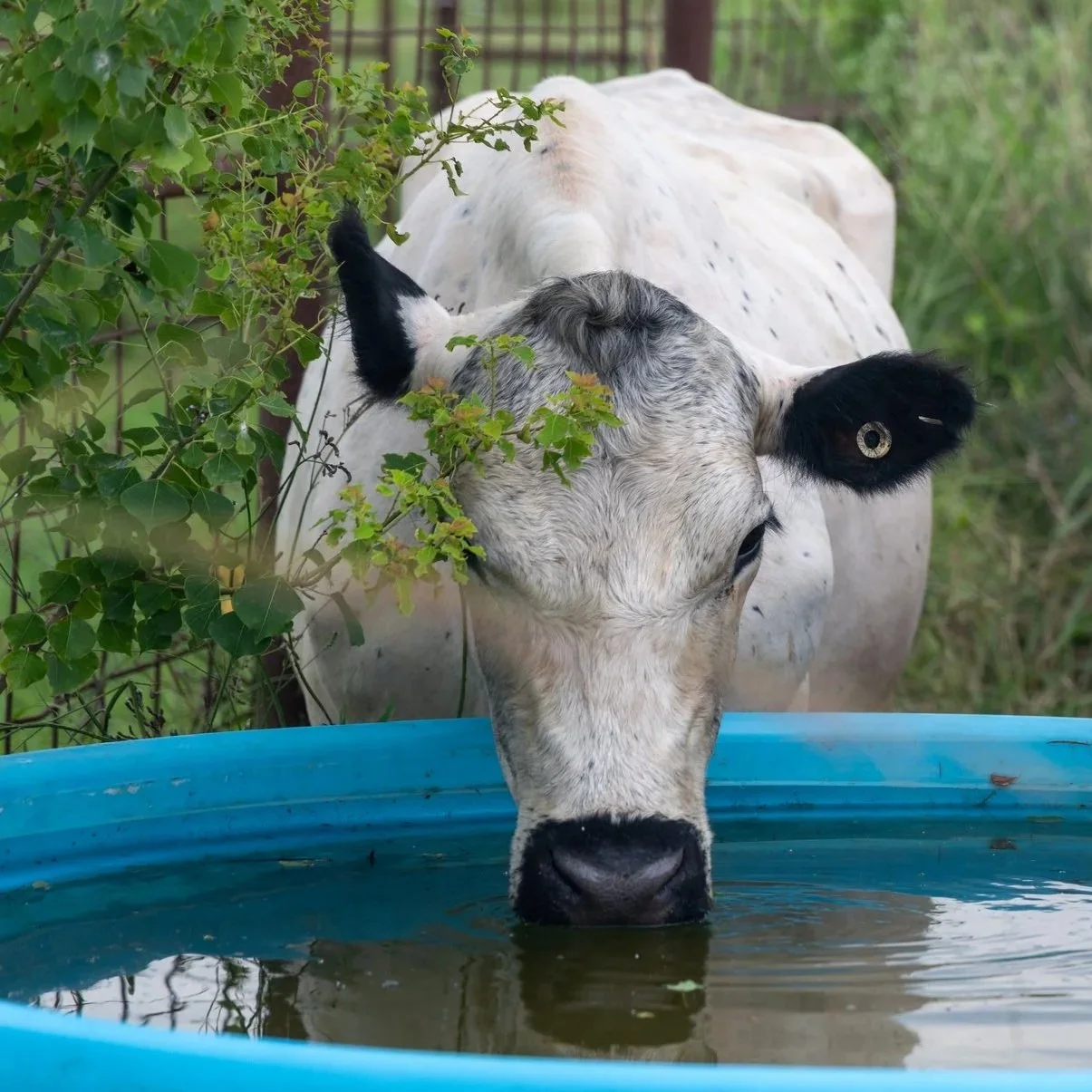
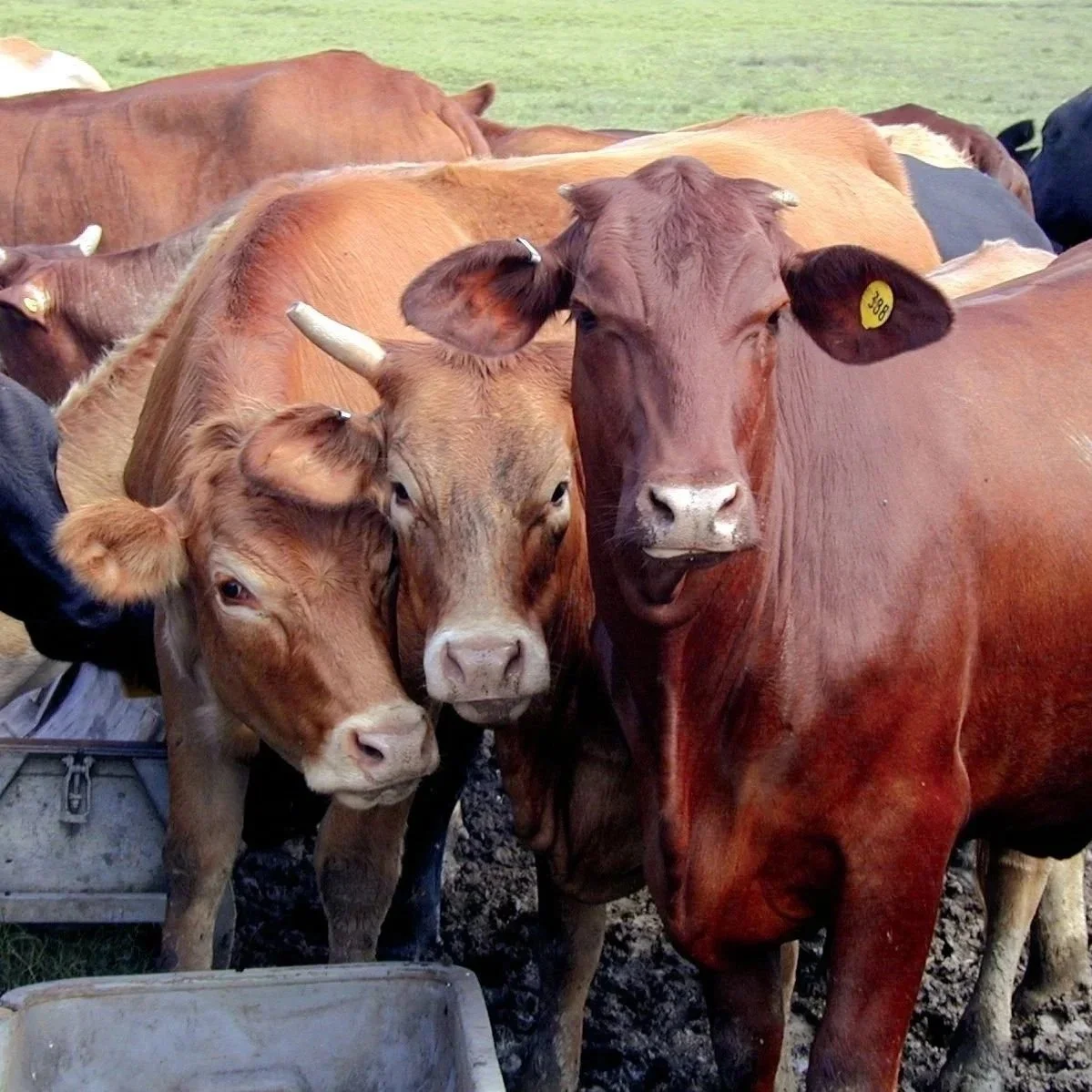
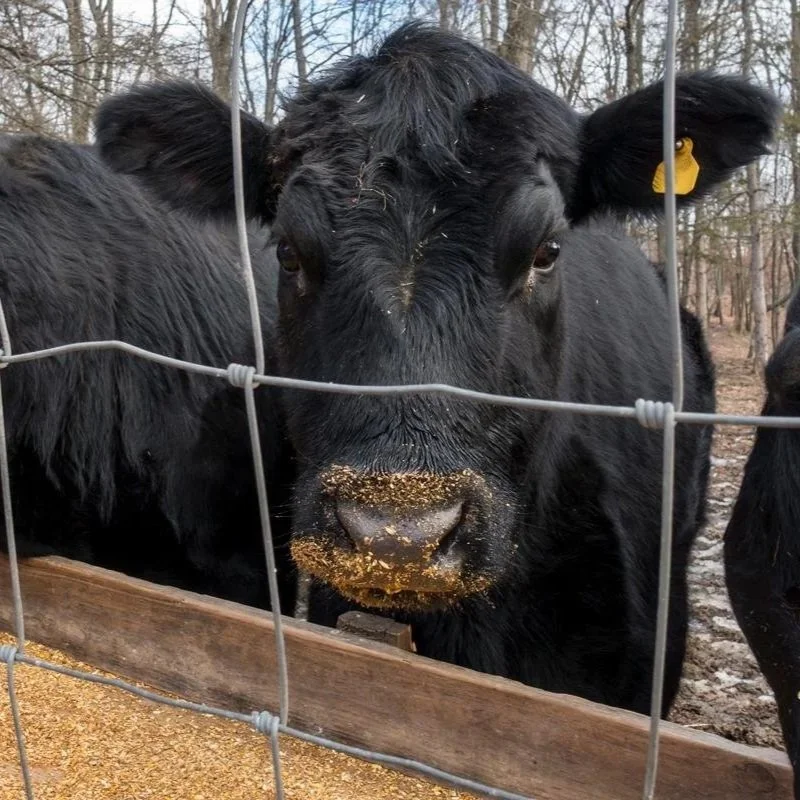
Read MoreWith Louisiana’s heat index regularly climbing above 110 degrees, livestock owners are adjusting feeding schedules, increasing access to water and shade, and closely watching their animals for signs of heat stress.
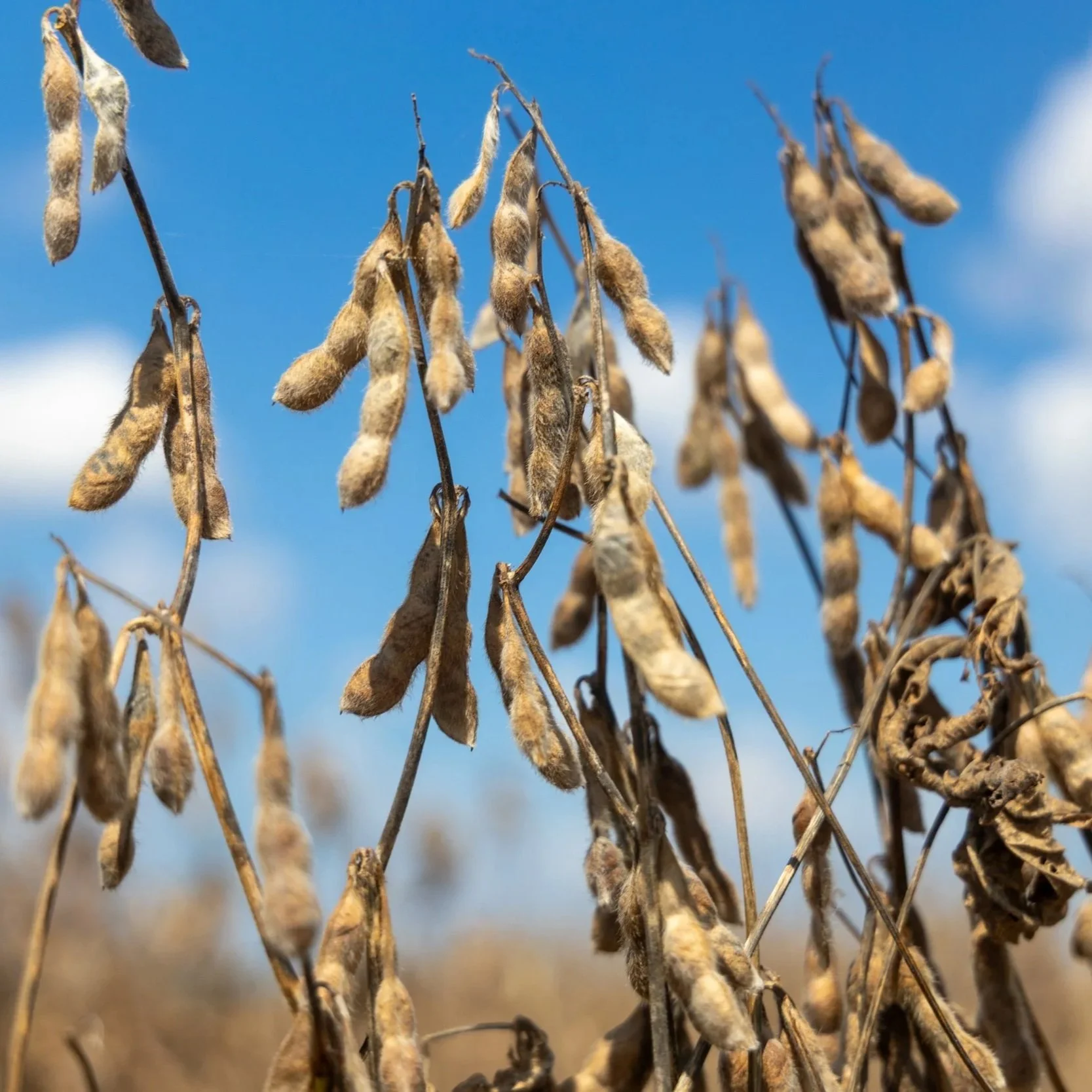
Read MoreChip Nellinger of Blue Reef Agri-Marketing says the rally in soybeans is being driven by China demand and weather concerns.
Read MoreEntergy Louisiana’s proposed Cypress Harvest Solar project is drawing opposition from residents who say converting productive sugarcane fields along Highway 75 into a solar farm is inefficient and harmful to local agriculture.
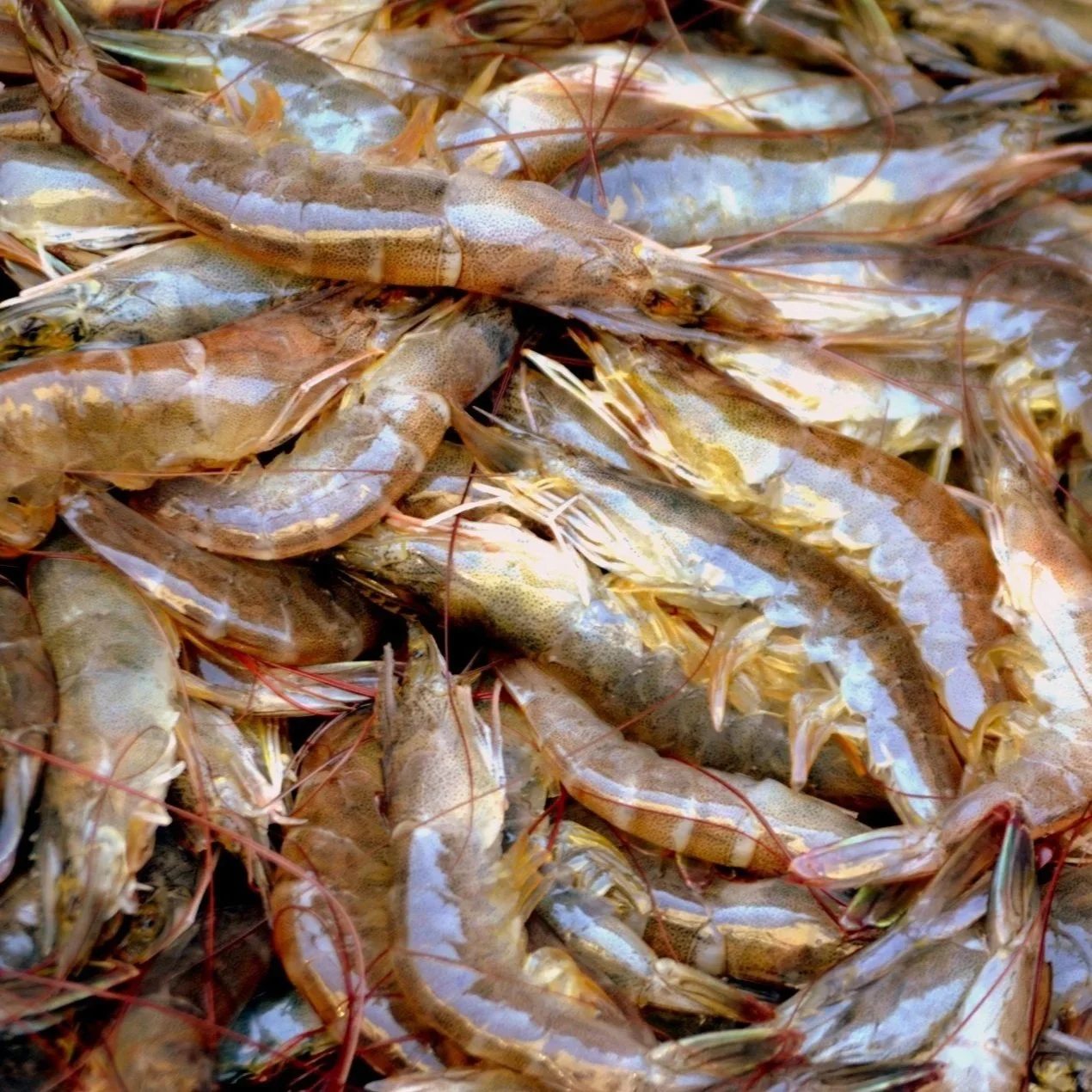
Read MoreAccording to the U.S. Department of Agriculture, the United States imported more than $25 billion worth of seafood last year, making it one of the world’s largest seafood importers. Domestic shrimpers like Acy Cooper say that volume of imports has made it harder to compete.
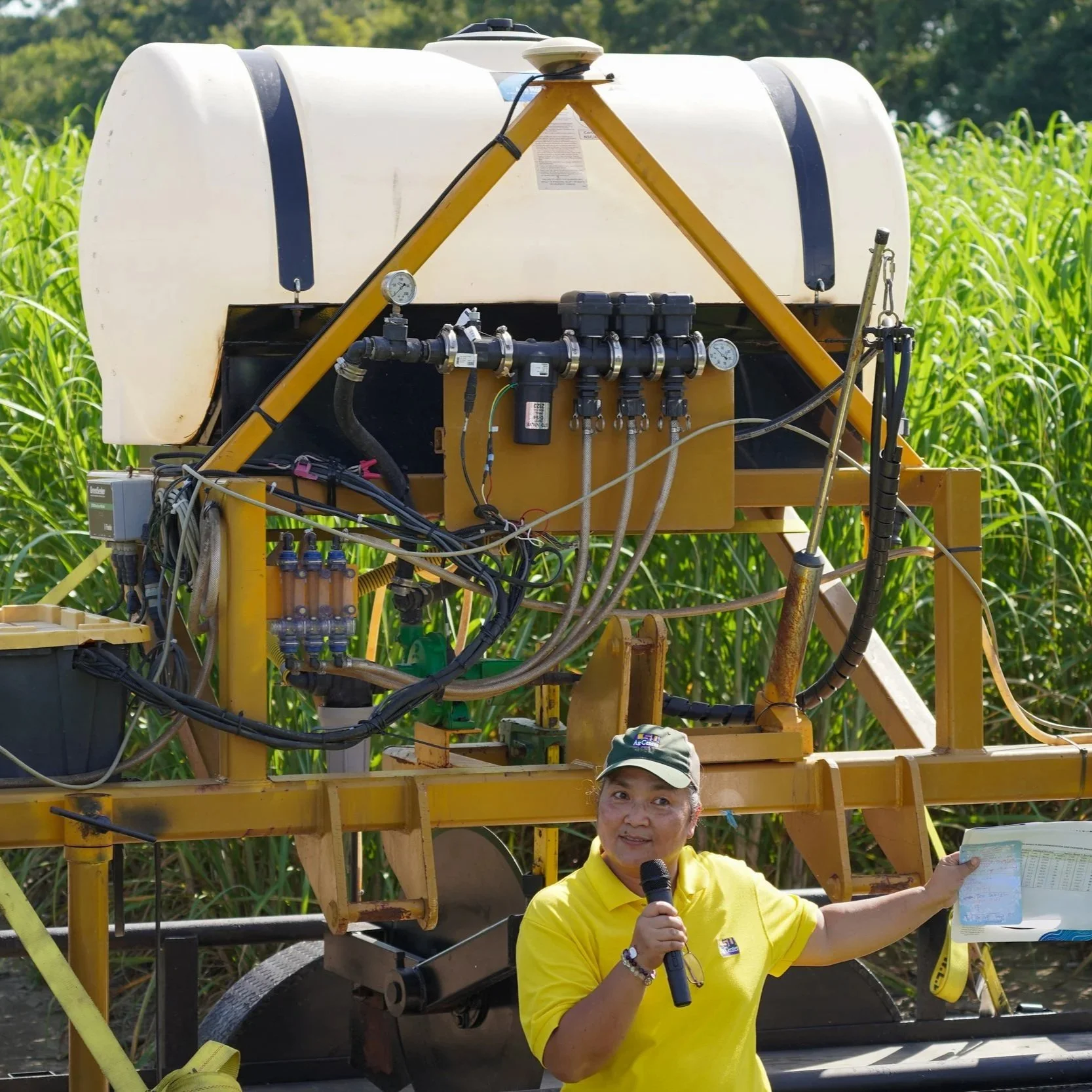
Read MoreSugarcane growers learned about a fertilizer management tool designed to improve efficiency and reduce input costs during a field day July 22 at the LSU AgCenter Iberia Research Station.
Read MorePasture conditions have improved in several regions, but forage stress remains worse than last year and continues limiting cattle herd expansion. Mississippi State University livestock economist Dr. Josh Maples says moisture shortages remain a major constraint.
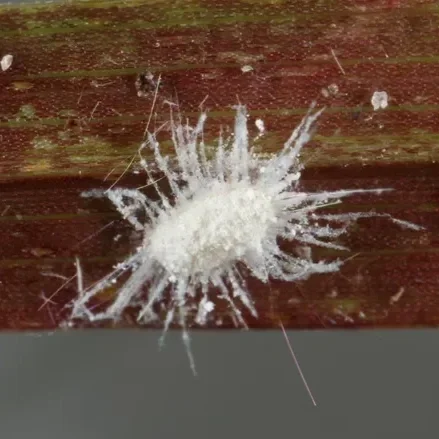
Read MoreLouisiana's sweetest crop is under attack from an Australian native insect that arrived in the United States last year.
Read MoreU.S. rice production is projected near a 40-year low, tightening supplies and lifting prices without restoring profitability for many growers. Mississippi State University Extension economist Will Maples says high costs continue to outweigh stronger market values.
Read MoreThe U.S. Department of Agriculture (USDA) is announcing a coordinated, phased reopening of southern cattle ports, contingent on Mexico’s adherence to the Joint Action Plan. Beginning August 24, 2026, USDA will open the Douglas, AZ port of entry to cattle trade, while simultaneously initiating the operational steps necessary for subsequent openings at the Santa Teresa, NM, and Columbus, NM, ports. Every animal entering the United States through these ports will undergo a full USDA inspection to ensure it is free of any signs of New World screwworm (NWS).
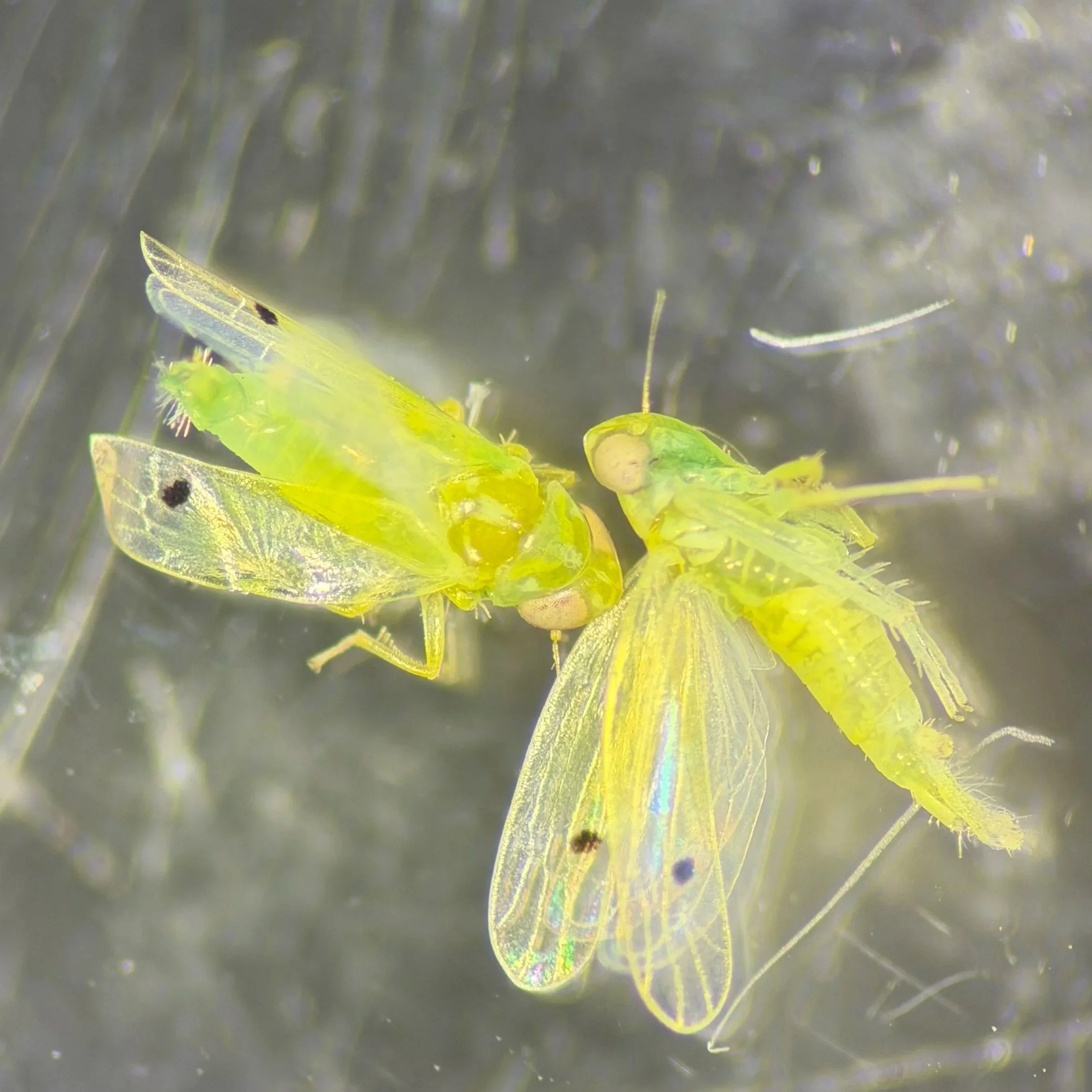
Read MoreCotton jassids, also known as two-spot cotton leafhoppers, have been detected in cotton in Alexandria. Two adult jassids were captured in approximately 200 sweeps using sweepnets. This detection follows last year’s finding of cotton jassids on cotton regrowth in Louisiana, confirming the need for continued monitoring in cotton fields this season.
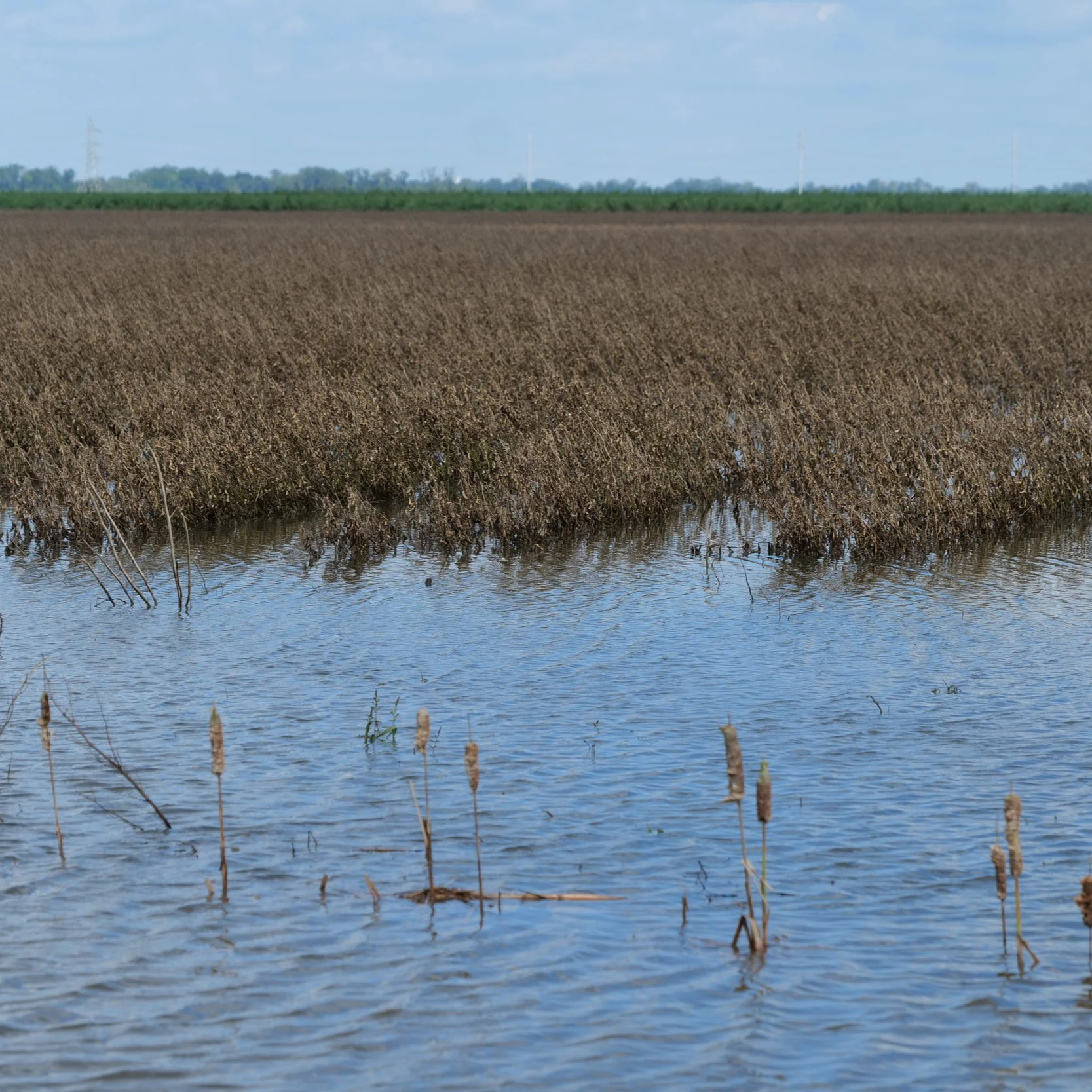
Read MoreTropical Storm Arthur brought historic rainfall to portions of Louisiana, with some areas reportedly receiving up to 30 inches of rain in a single day. The resulting flooding and prolonged saturated soil conditions caused widespread damage to soybean fields across the central Louisiana region.
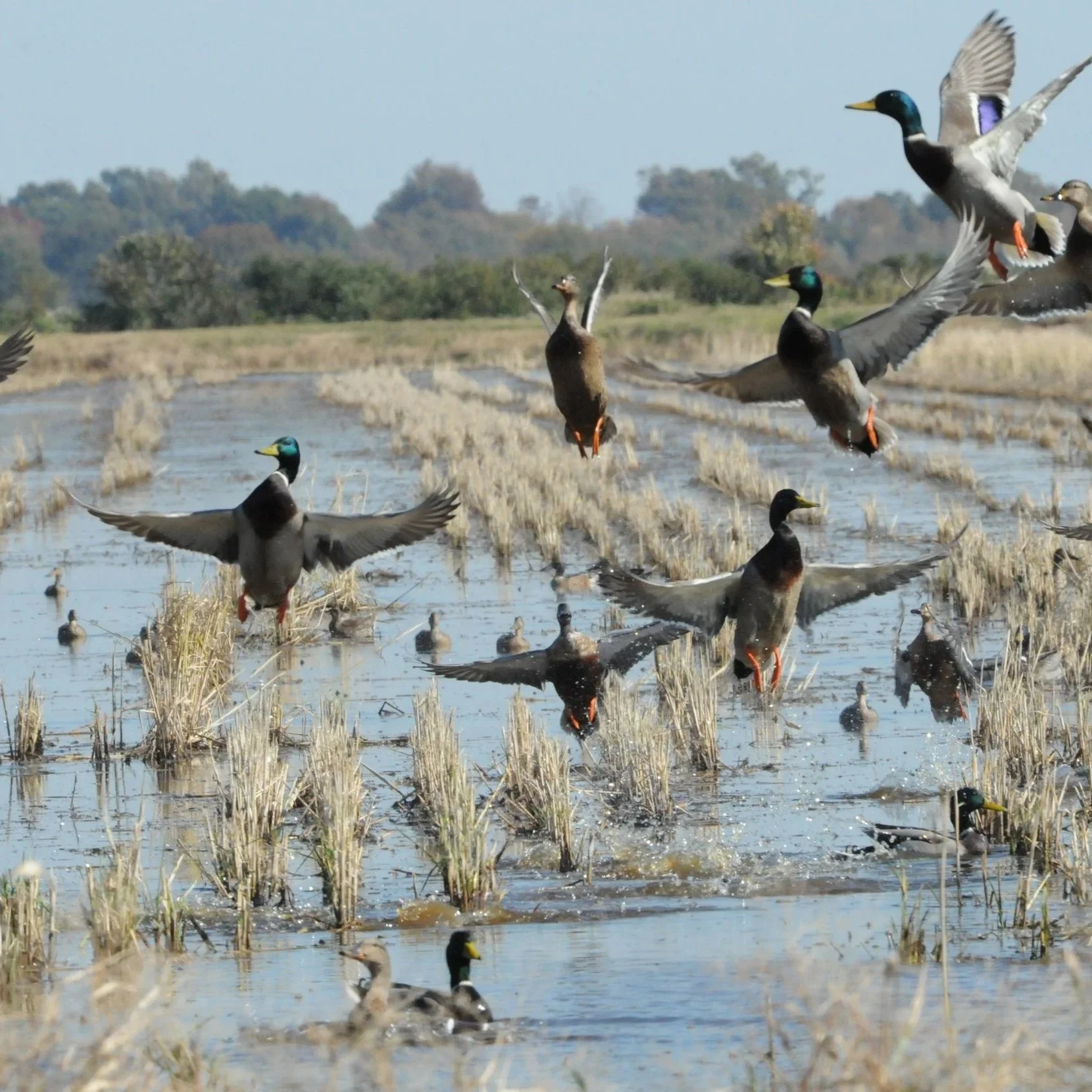
Read MoreScientists highlighted the increasingly important role rice production plays in sustaining North America's migratory birds during the Waterfowl & Agriculture Field Day, organized by the Rice Stewardship Partnership and hosted at the Northeast Rice Research and Extension Center last week.
Read More