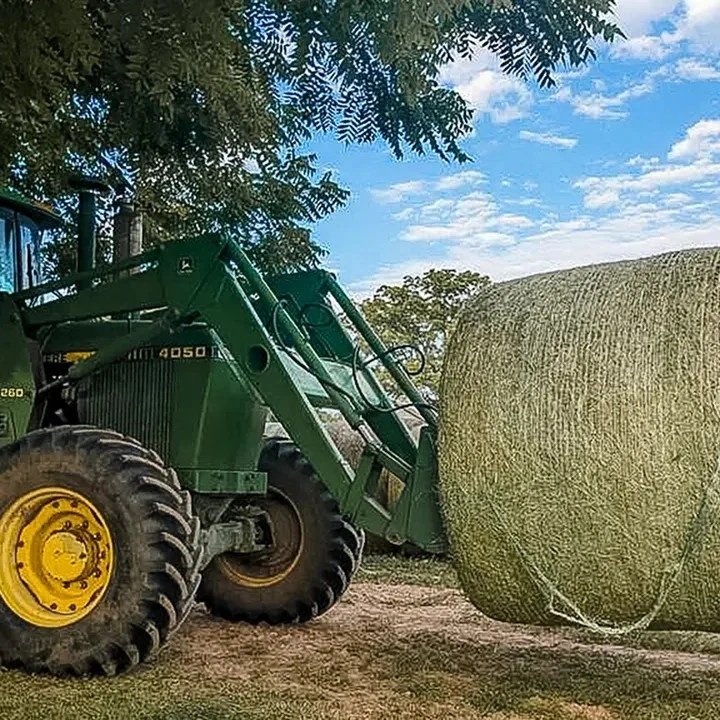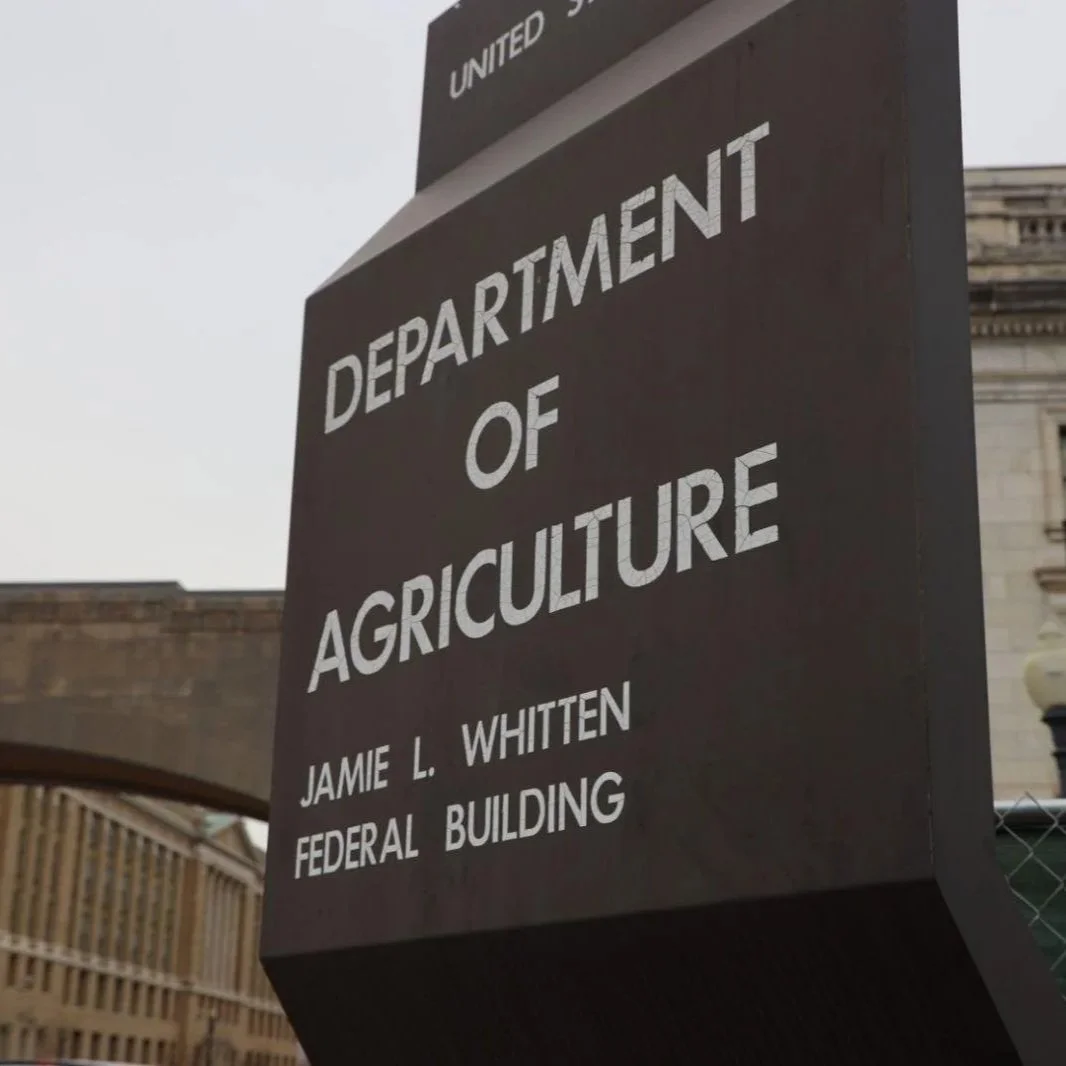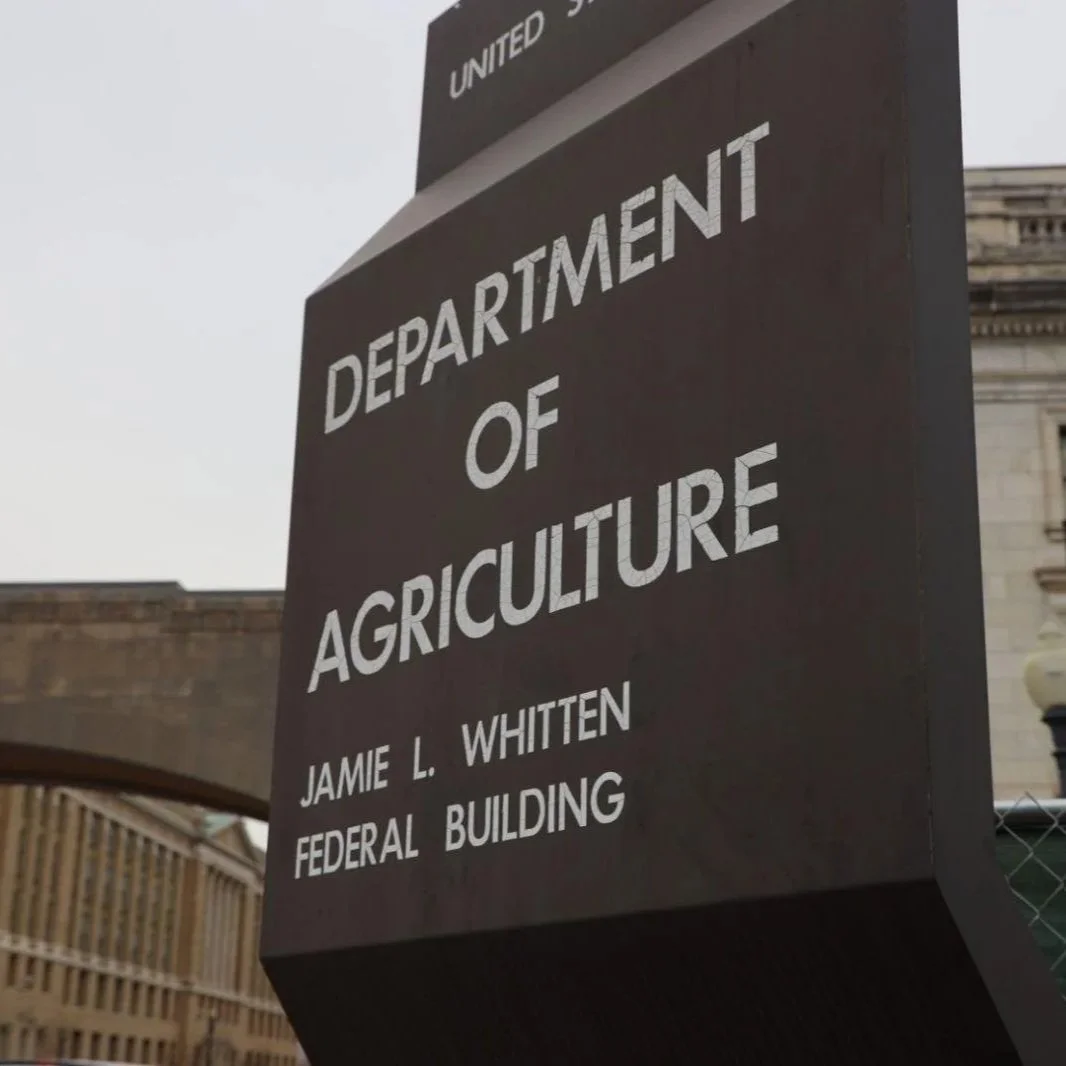
Register for a free webinar series for military veterans and transitioning service members on how to work with the U.S. Department of Agriculture (USDA) to prepare for a career in production agriculture.
Read More
Register for a free webinar series for military veterans and transitioning service members on how to work with the U.S. Department of Agriculture (USDA) to prepare for a career in production agriculture.
Read MoreThe Louisiana LunaChicks will host the Blooms & Booths Market and Crawfish Cook-Off on Saturday, April 11.
Read MoreApril began on Wednesday of “Holy Week” leading up to Easter Sunday and the ending of Lent. Historically, April cattle futures are the highest for Spring as the grilling season kicks off on Memorial Day. This year so far nothing is normal. Here in Louisiana our row crop farmers usually start planting corn in March. This year, because of dry conditions corn planting was mostly done by March 1 and then in Mid-March we had 3 days of temperatures in the 20’s and many fields had to be replanted.
Read MoreThe Southern University Ag Center and the SU College of Agricultural, Human and Environmental Sciences’ (CAHES) Animal Science Pre-Veterinary Medicine Club has partnered with Pets for Life/ Companion Animal Alliance, the Hammond Animal Hospital and Pet Lodge, and the PetSmart Veterinary Services in Houma to host the 2026 Vet on Wheels Canine and Feline Companion Animal Vaccine Clinic.
Read MoreCan donations of ag goods, such as hay and feedstuffs, provide a charitable tax deduction?
The short answer is no, but opportunities still exist to give to a cause through cash donations or purchased goods through the channel of a charitable organization with the added benefit of a tax deduction.
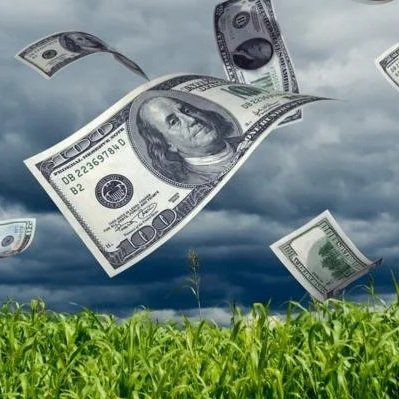
Read MoreAn ag economist at Purdue University says the conflict in the Middle East is contributing to increased financial strain.
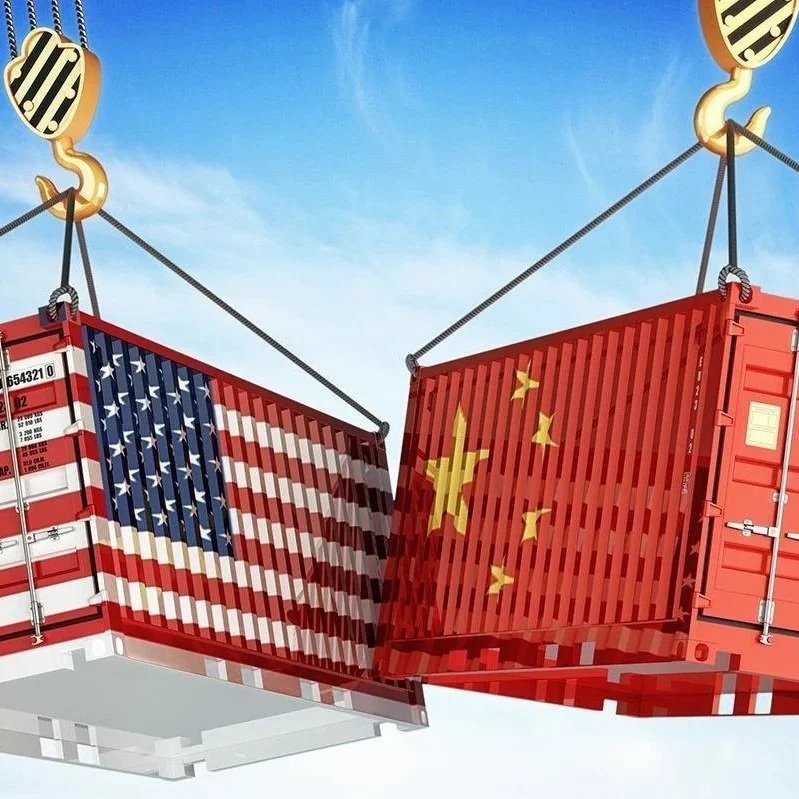
Read MoreThroughout 2025, U.S. farmers watched corn and soybean prices with a sort of dismal hope that attrition would lead to world powers returning to purchase their grain commodities. It did not happen.
Read MoreFarmers depend on information from USDA. But what happens when the agency decides the public should only be informed on a need-to-know basis?
Read MoreNew developments in the war in Iran are adding fresh uncertainty to global energy markets—and that volatility is quickly spilling over into American agriculture. In an address to the nation, President Donald Trump said the U.S. is making progress in the conflict but offered no clear timeline for ending military operations. He indicated strikes against Iran could continue for the next two to three weeks.
Read MoreThe permit allowing a dam in the Atchafalaya Basin to remain in place, blocking freshwater flow to crawfish grounds, has been declared invalid by a judge.
Read MoreLSU researchers are finding creative uses for a chemical called Fucoxanithin, a naturally occurring pigment commonly found in plants and algae.
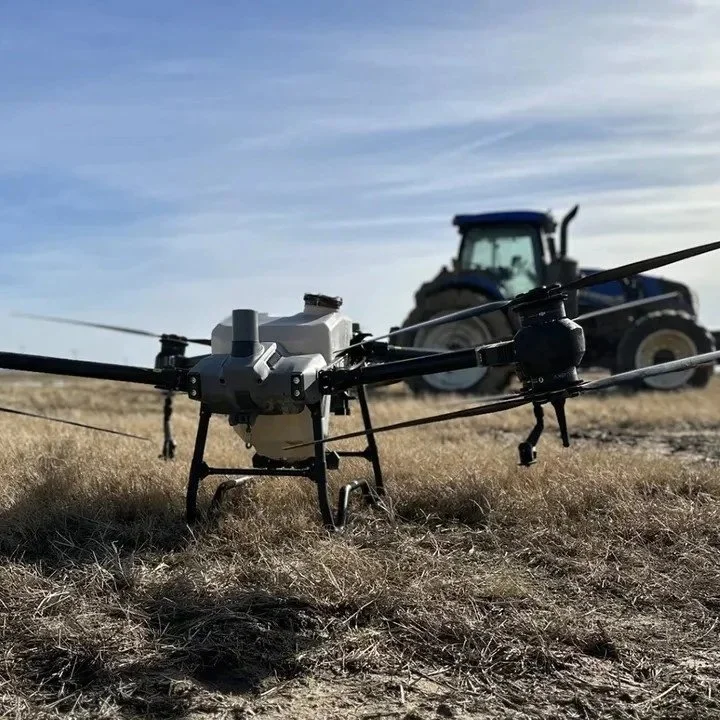
Read MoreIn December, the Federal Communications Commission implemented a ban on the import of foreign-made drones and critical components. Effective in January, this ban will include agricultural drones.
Read MoreUSDA says 37.6 percent of farmers responded to the survey for its latest report, compared to 44.3 percent last year.
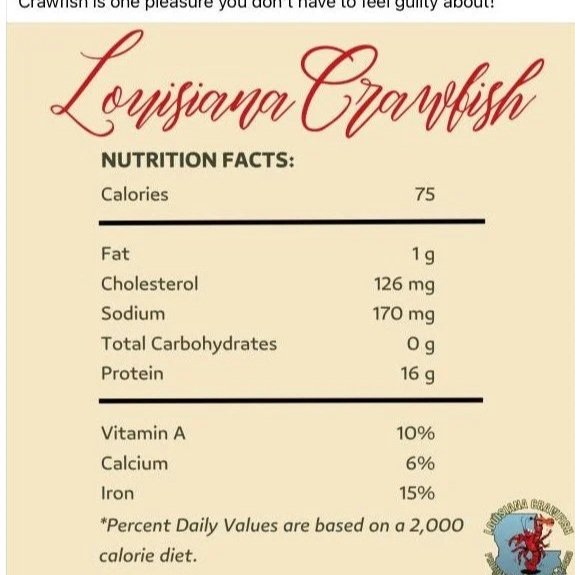
Read MoreNational Crawfish Day is rapidly approaching.
Louisiana Commissioner of Agriculture and Forestry Dr. Mike Strain says it should be a good one!
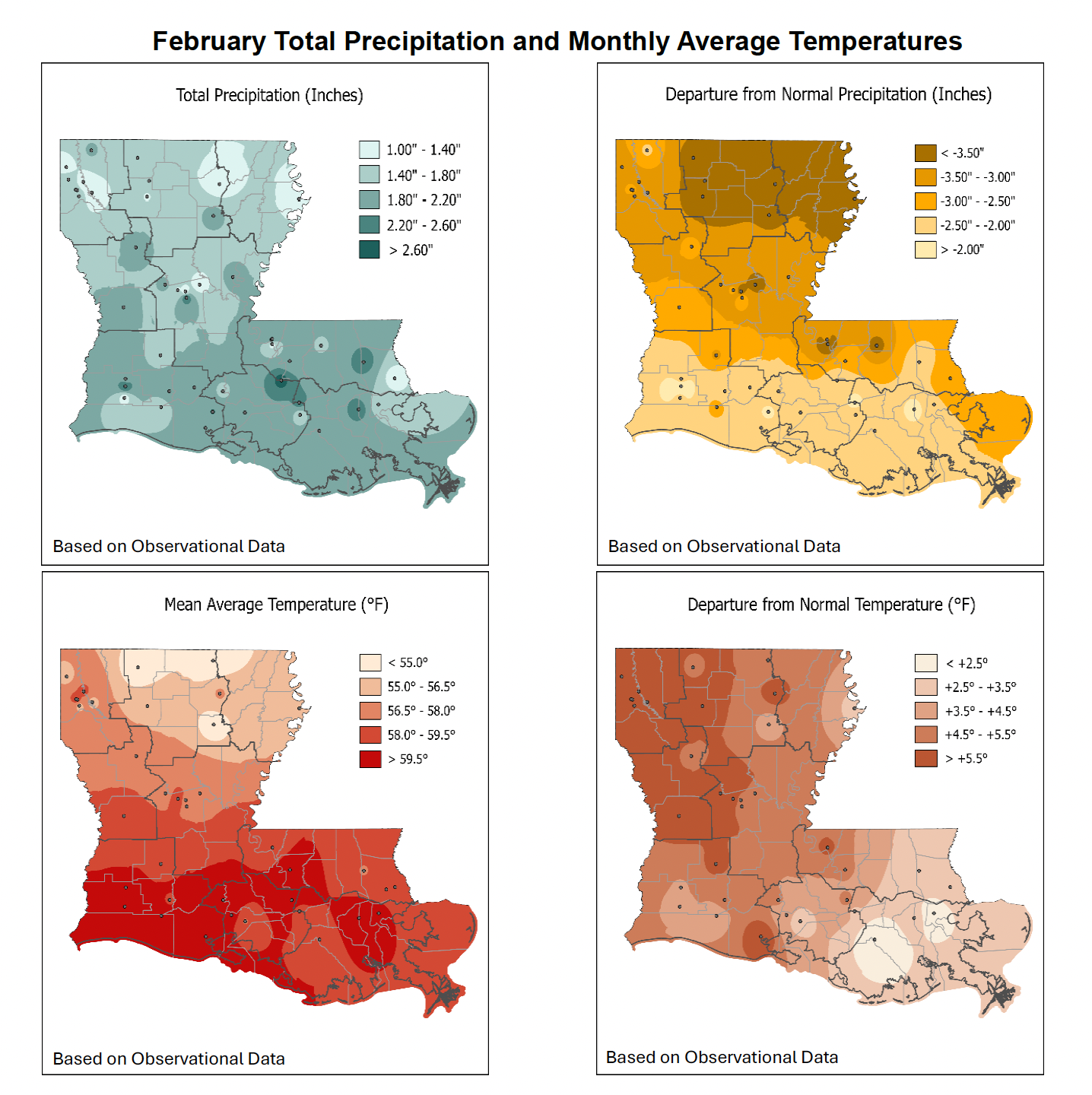
Read MoreFebruary 2026 in Louisiana brought a mix of severe weather, warmth, and worsening drought. A Valentine’s Day tornado outbreak marked one of the most active severe weather events in years, while the rest of the month remained relatively quiet. Temperatures were warmer than normal overall, with record highs in the 80s, though several freeze events still occurred early and late in the month. Rainfall was well below average statewide, intensifying drought conditions, which expanded significantly by the end of February. Dry conditions also led to rare winter burn bans and increased wildfire risk, while frequent dense fog created additional hazards. Overall, the month contributed to a very dry, warm winter with growing impacts on agriculture and soil moisture heading into spring.
Read More