USDA Accepting Applications for the 1890 National Scholars Program
The U.S. Department of Agriculture (USDA) is now accepting applications for the USDA 1890 National Scholars Program, which aims to encourage students at the Congressionally created 1890 land-grant universities to pursue careers in food, agriculture, and natural resource sciences. The application deadline is March 8, 2026.
Read More
USDA Launches Lender Lens Dashboard to Promote Data Transparency
U.S. Department of Agriculture (USDA) Deputy Secretary Stephen Vaden today unveiled the Lender Lens on the Rural Data Gateway. This dashboard will make Rural Development’s entire commercial guaranteed loan portfolio available to the public, guaranteed borrowers and commercial lending stakeholders.
Read More
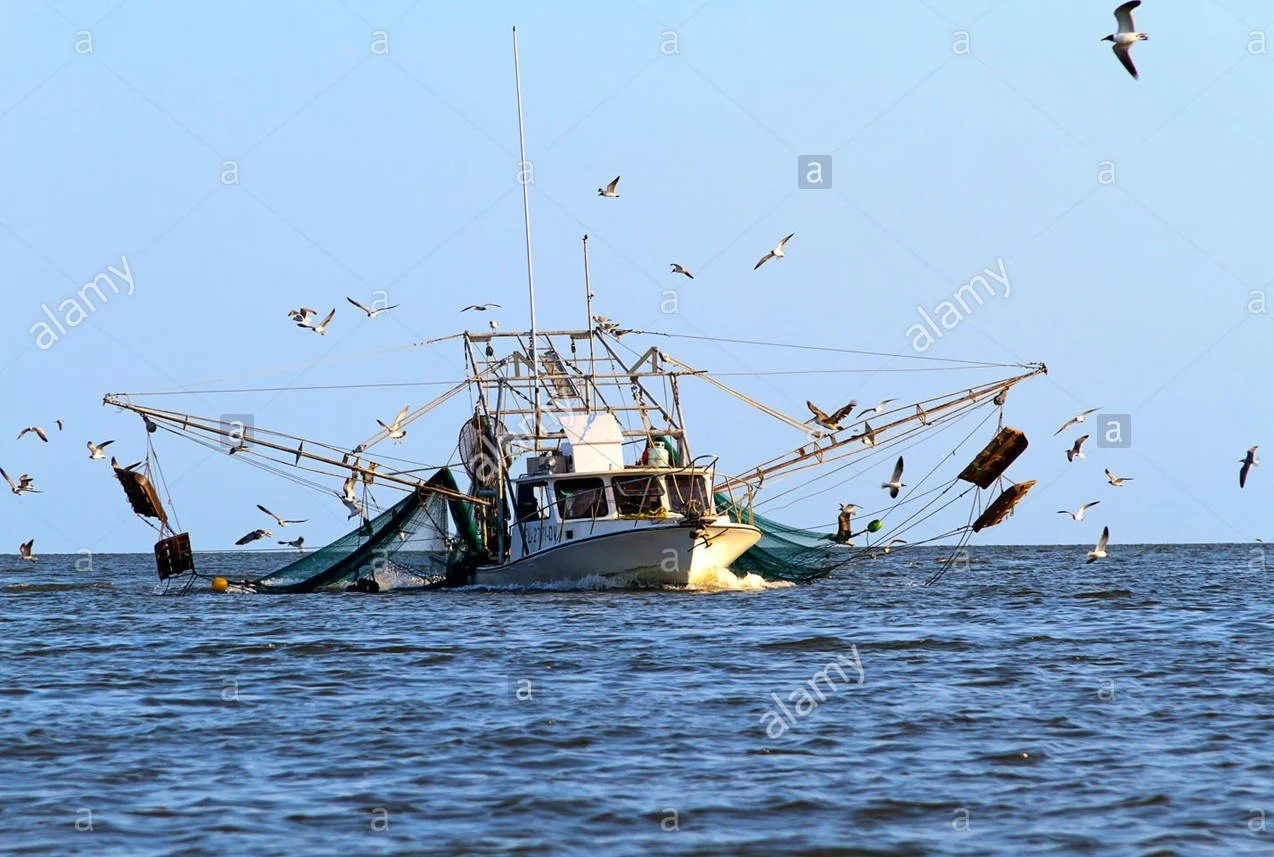
For Louisiana’s Menhaden Fishery, If Science Doesn’t Guide Regulations, What Does?
Louisiana has long relied on science to guide how it manages its natural resources. From energy to agriculture to fisheries, legislators and regulators have invested in research, monitoring, and expert oversight to ensure decisions are grounded in evidence rather than assumption.
Read More
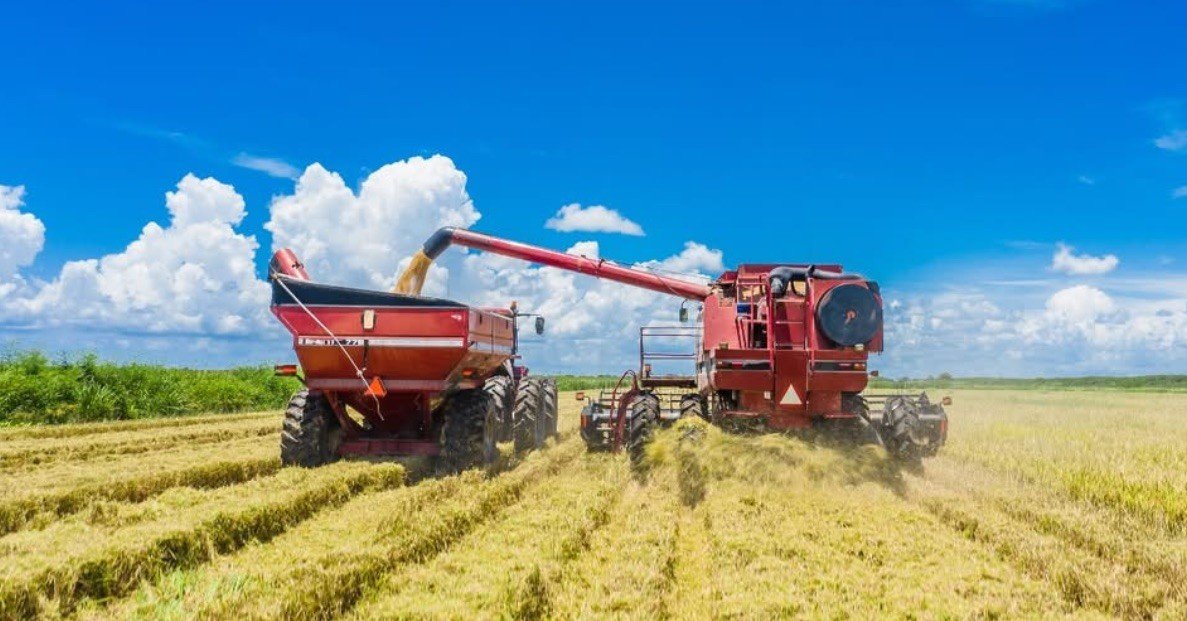
USDA Responds to Farmer Frustration After January Report Delivers Major Surprises
The January USDA reports, considered the most influential data releases of the year, delivered unexpected increases in corn yield, harvested acreage and total production, pushing the U.S. corn crop above 17 billion bushels and sending futures sharply lower.
Read More
Senator Bill Cassidy Emphasizes Importance of Appropriations for Flood Control in Atchafalaya Basin
Among the three appropriations bills the Senate is expected to take up this week is one that includes more than $350 million in earmarks for 51 projects in Louisiana. One of those projects would dedicate more than $137 million towards construction and maintenance for flood control work in the Atchafalaya River basin. Senator Bill Cassidy says preventing high water in the Atchafalaya River basin is critical.
Read More
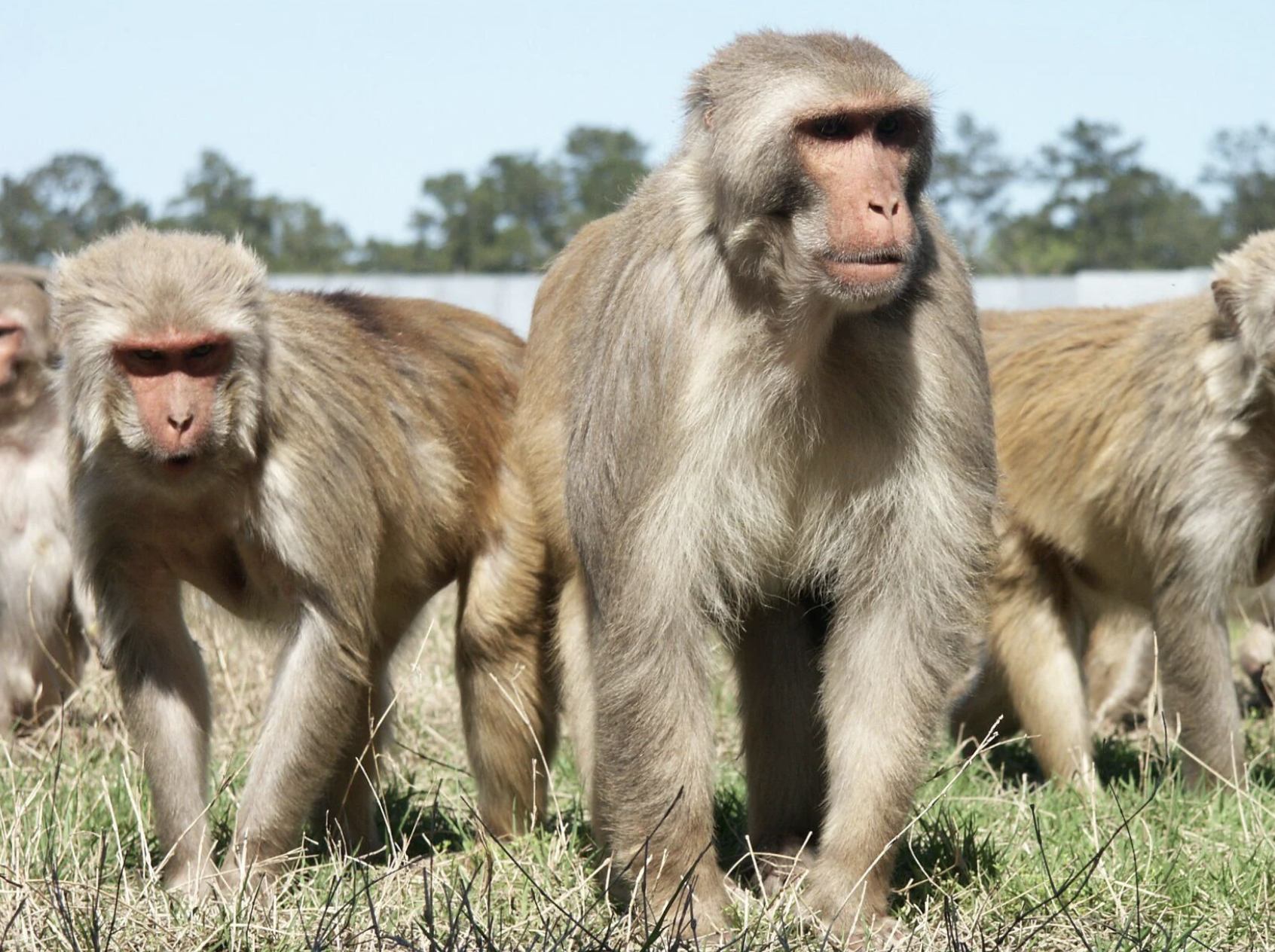
USDA Says UL New Iberia Research Center Violated Federal Rules When It Transported Monkeys
The U.S. Department of Agriculture said a University of Louisiana at Lafayette research facility in New Iberia failed to follow federal regulations when it shipped monkeys.
Read More
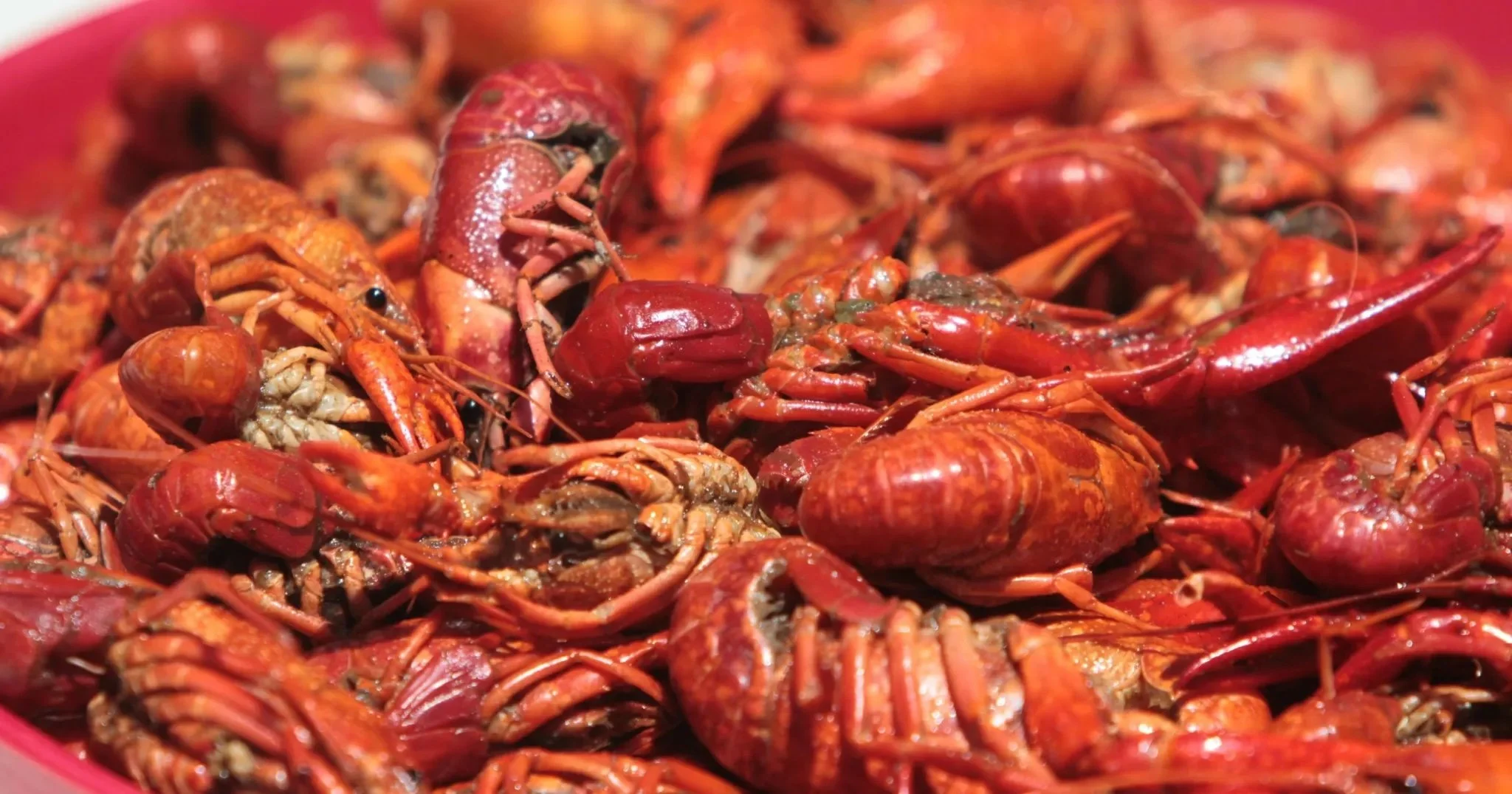
Crawfish Prices High at Season’s Start, Expected to Drop Soon
At Captain Sid’s on Lake Avenue, customers are making their way in to get their first crawfish of the season. It’s still early, and prices are high — $8.99 a pound boiled and $7 a pound for live.
Read More
U.S. Ethanol Production Reaches Record Levels to Start 2026
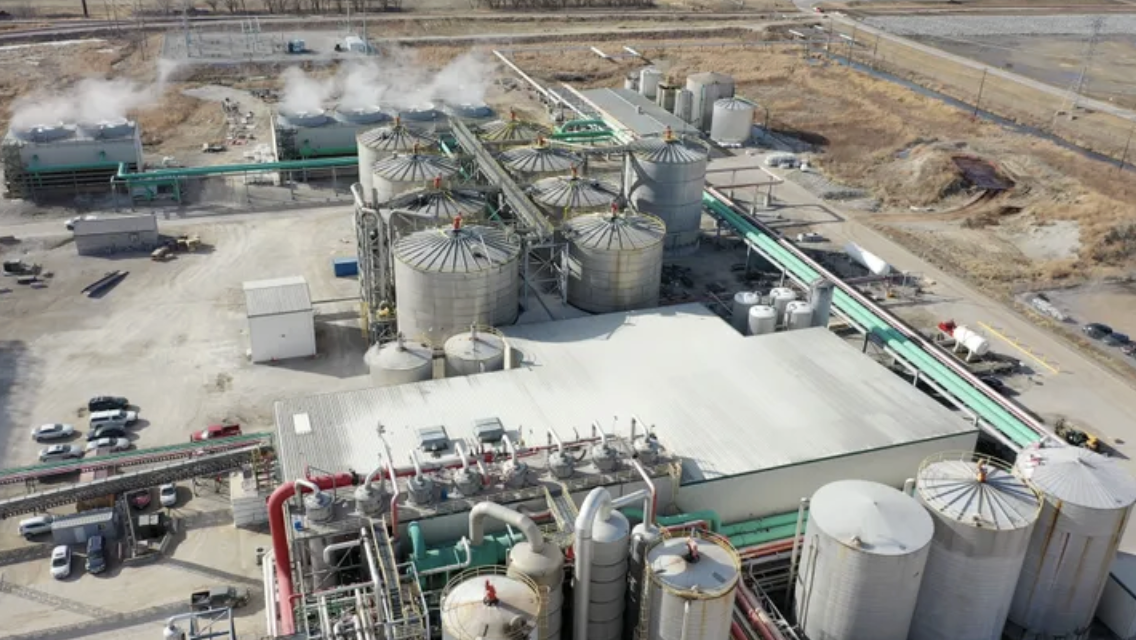
Ethanol Producer Magazine’s Erin Krueger reported that “U.S. fuel ethanol production expanded by 9%, reaching a record high 1.196 million barrels per day the week ending Jan. 9, according to data released by the U.S. Energy Information Administration on Jan. 14. Stocks of fuel ethanol expanded by more than 3% and exports were up 5%.”
Read More
USDA Announces Leadership Changes at APHIS
This week, the USDA agency primarily responsible for handling threats such as bird flu and New World Screwworm (NWS) named two new leaders.
Read More
LA Crop Market Report--January, 2026
This monthly market update contains a snapshot of the latest USDA supply and demand estimates for the corn, soybean, rice, and cotton markets.
Read More
Agricultural Groups Sound Alarm About Farmers’ Future
Agriculture groups sound an alarm about the economic crisis in rural America in a letter sent today to Congress. 56 organizations representing a cross-section of agriculture signed the letter, sending a strong message to Congress.
Read More
Craig Unveils Farm & Family Relief Act To Offset Tariff-Driven Farm Losses
The Ranking Member of the U.S. House Agriculture Committee is introducing a relief package to address farm income losses caused by tariffs.
Read More
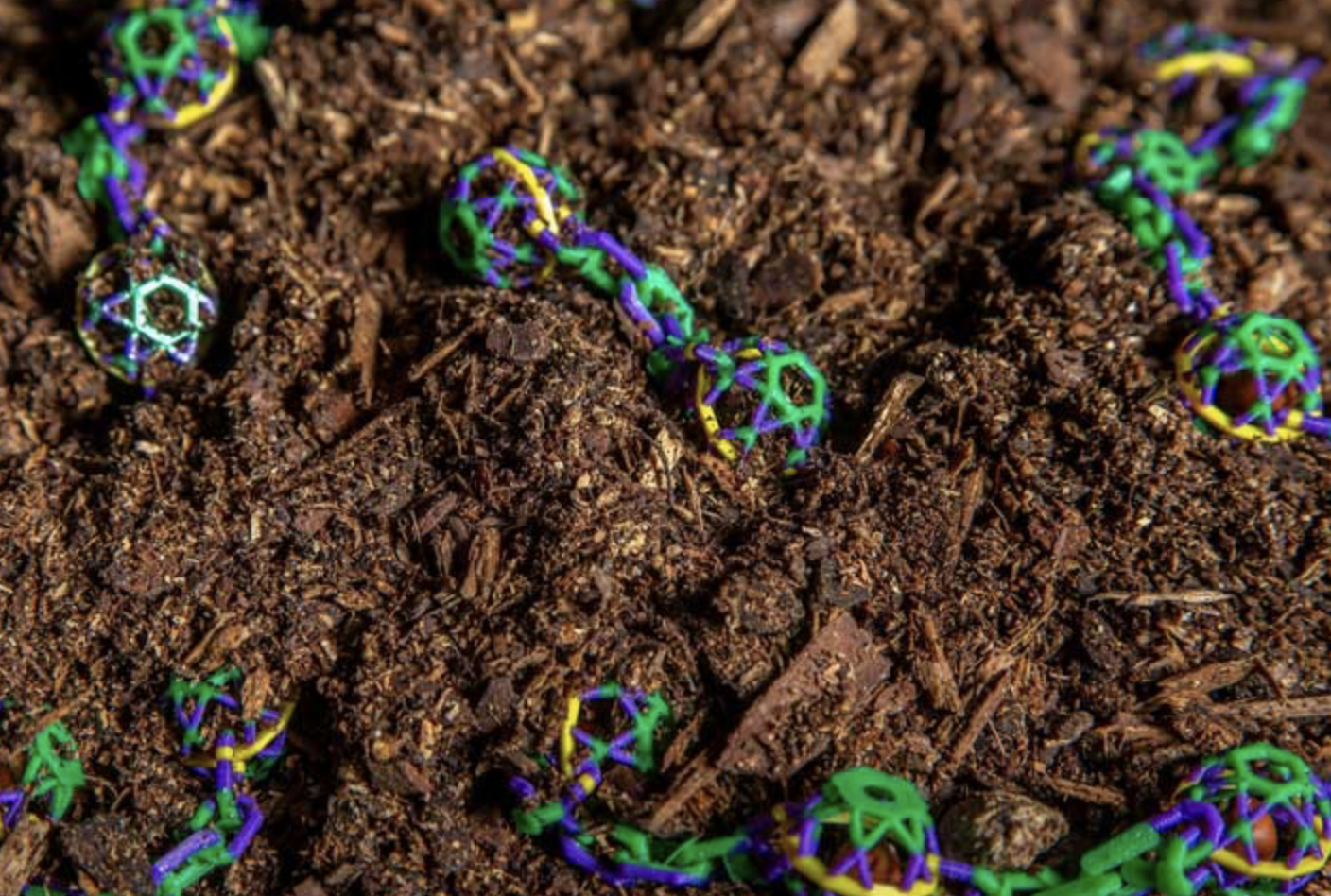
Mardi Gras Beads Take Up to 500 Years to Decompose, so These LSU Students Designed a Biodegradable Alternative
Throwing and catching gold, green, and purple beads is a cherished Mardi Gras tradition, but as it turns out, these petroleum-based plastic beads have a heavy impact on the New Orleans environment long after celebrations have ended.
Traditional Mardi Gras beads are produced from natural gas and oil-derived feedstock and take an estimated 500 years to decompose. And when they do, they release heavy metals and other toxins into the environment. According to Louisiana State University, they can even clog sewer systems across the city.
Read More
Closing the Transparency Gap: Ag Data Group Updates Its Model Agreement
Technology moves fast. For example, five years ago, we were just seeing commercially available selective spraying machines in the U.S., now a handful of companies have hundreds of machines across the country.
Changes in the industry were recognized by Ag Data Transparent, an industry group founded 10 years ago with the goal of bringing greater transparency for farmers and the industry in how data is used, collected and stored.
Read More
Pasture Mealybug, a New Invasive Pest, Confirmed in Louisiana
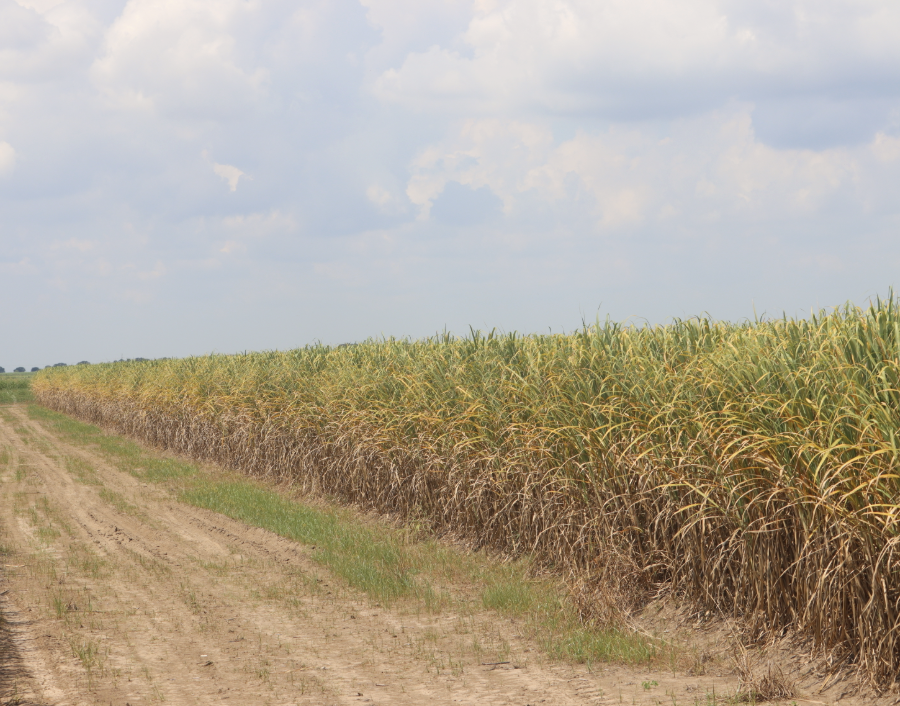
LSU AgCenter researchers have confirmed the presence of a new invasive insect in Louisiana sugarcane fields. The pasture mealybug was detected in Vermilion and Iberia parishes late last year, raising concerns among growers, ranchers and researchers.
Read More