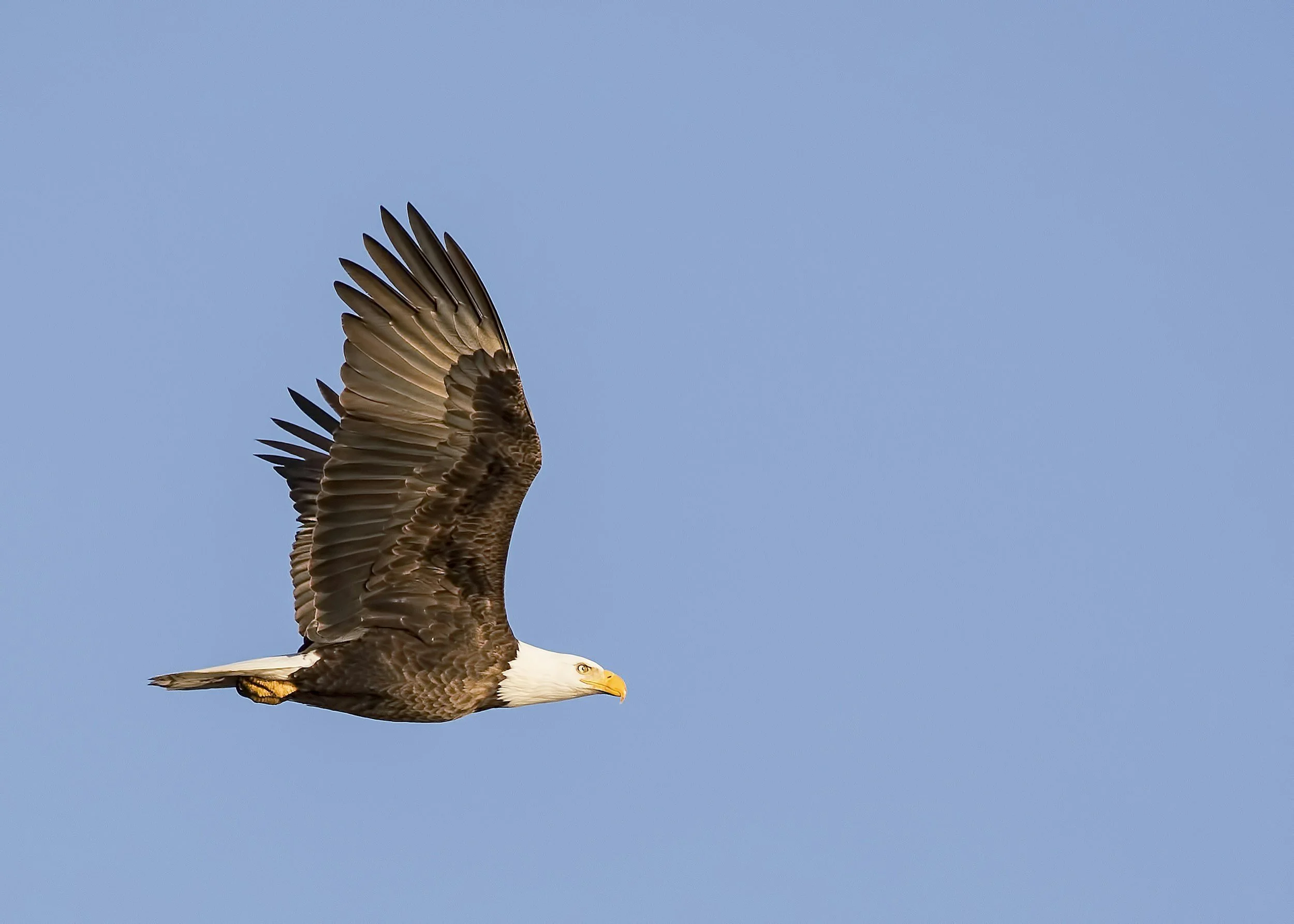
The LSU School of Veterinary Medicine’s Wildlife Hospital of Louisiana will release a bald eagle on Thursday, January 1 in South Toledo Bend State Park.
Read More
The LSU School of Veterinary Medicine’s Wildlife Hospital of Louisiana will release a bald eagle on Thursday, January 1 in South Toledo Bend State Park.
Read MoreLieutenant Governor Billy Nungesser, local tourism leaders, and Louisiana entertainers are in Southern California making final preparations for Monday’s Rose Parade through the streets of Pasadena.
The group is putting final touches on Louisiana’s “Explore Louisiana” float, which will feature the state’s agriculture and tourism. One hundred volunteers from Louisiana will place over 100,000 roses on the float.
Read MoreLouisiana Farm Bureau members still have time to register for the inaugural Rooted in Leadership Conference, scheduled for January 23–24, 2026, in Baton Rouge, but the registration deadline is quickly approaching. Registration closes Monday, January 5.
The Rooted in Leadership Conference is a joint leadership event hosted by the Louisiana Farm Bureau Federation’s Women’s Leadership Committee, Young Farmers & Ranchers Committee, and Michael Danna Leadership Planning Committee.
Read MoreFrom fish movement to oyster reef restoration, Jeff Plumlee’s work at the LSU AgCenter and Louisiana Sea Grant is redefining fisheries ecology in Louisiana. Because of his innovative work, Plumlee was named an Early Career Research Fellow by the Gulf Research Program of the National Academies of Sciences, Engineering and Medicine.
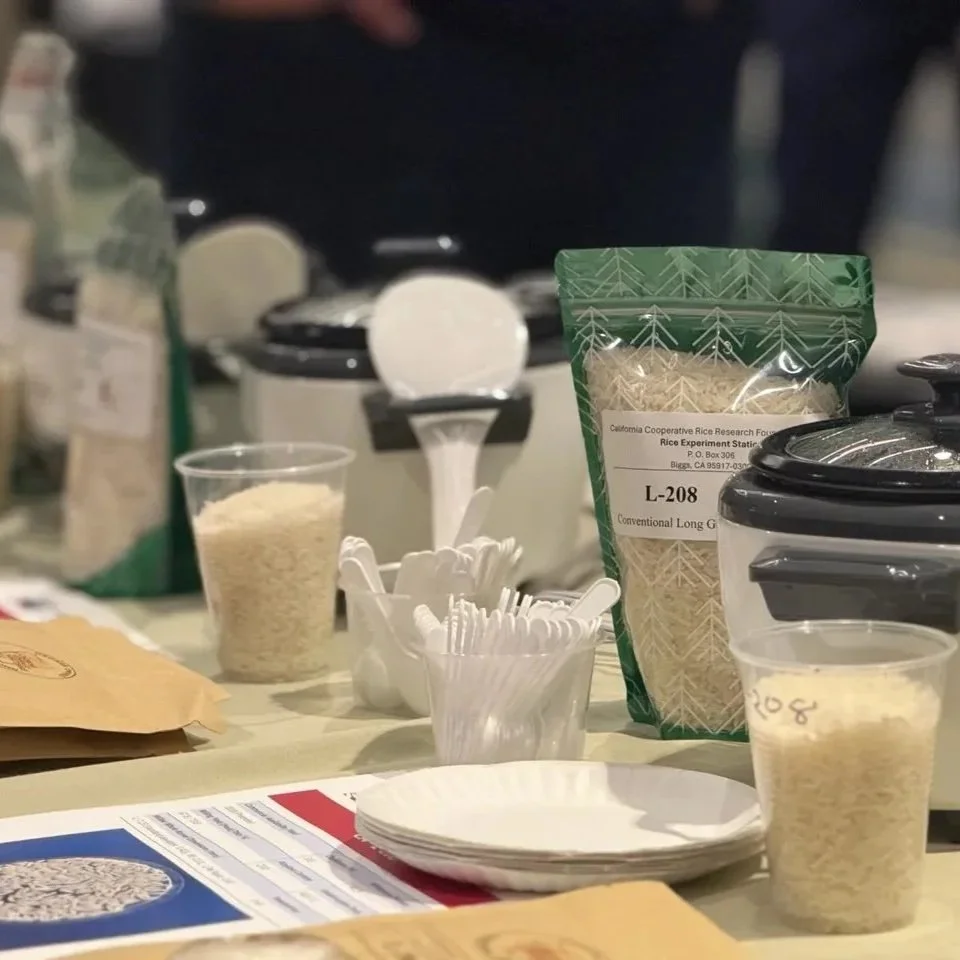
Read MoreConversations on U.S. rice quality versus South American consumer preference have been a major topic in recent years. It was also addressed during the 2025 USA Rice Outlook conference, where Horizon Ag shared results from a quality evaluation conducted earlier this fall.
Read MoreAccording to newly released Office of Inspector General Report, USDA lost more than 18% of its staff between January and June.
On Jan. 11, the department had 110,384 employees. Between Jan. 12 and June 14, a total of 20,306 employees left USDA.
Read MoreThe USDA is forecasting that the agricultural trade deficit will shrink in 2026 more than previously anticipated. Agri-Pulse said USDA expects the trade deficit to drop from $43.7 billion in fiscal year 2025 to $37 billion in fiscal year 2026. That’s according to the Quarterly Trade Forecast published last Tuesday.
Read MoreRice is a staple food across much of the globe, and different regions have varied preferences in cooking characteristics, taste and texture. In the Latin American rice market, customers favor high-quality, loosely cooked rice, and countries in this region are known for high rice consumption per capita.
Read MoreAgriculture Committee leaders in the U.S. House of Representatives are looking to provide at least an additional $10 billion in farmer aid to supplement the recently announced Farmer Bridge Assistance (FBA) program. That additional aid would likely have to be driven by Congress, as a USDA undersecretary says it’s unlikely the agency will provide a second farmer aid package.
Read MoreHouse Republicans are planning to revive farm bill negotiations in January after failing to garner enough political will to pass a new deal by the end of the year, as they’d initially hoped.
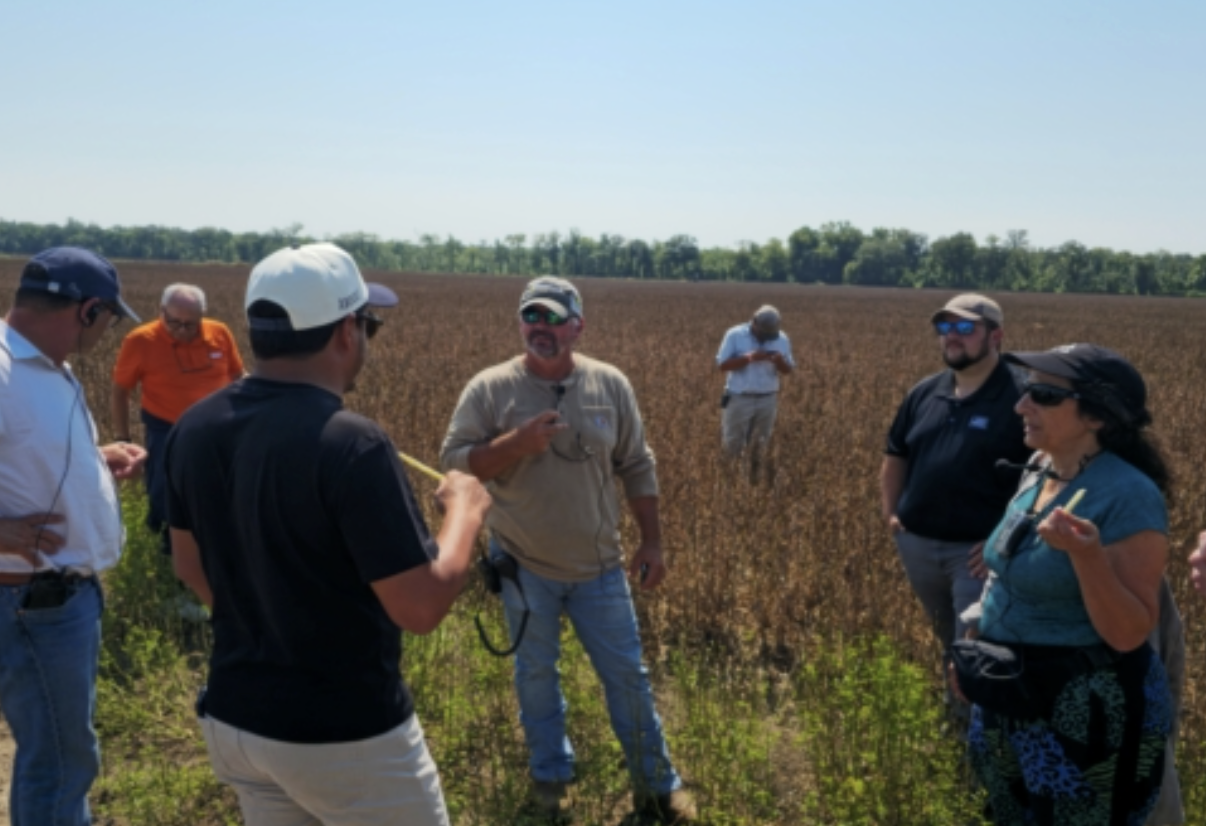
Read MoreThe U.S. Soybean Export Council (USSEC) constantly works towards building and strengthening relationships between U.S. Soy customers, value chain members and farmers. One of the most effective ways to do this is to literally make it possible for them to stand out in a U.S. soybean field together.
Read MoreU.S. Senator Bill Cassidy (R-Louisiana) wants to give USD 10.6 million (EUR 9 million) in revenue collected from interest on antidumping duties on Chinese imports to domestic crawfish producers.
Read MoreRural businesses in Acadiana could receive more technological and expert support with a $200,000 grant.
The Louisiana Immersive Technologies Enterprise, or LITE, Center in partnership with the Louisiana Entrepreneurship and Economic Development, or LEED, Center and the Office of Innovation Management at the University of Louisiana Lafayette received the grant recently from the U.S. Department of Agriculture.
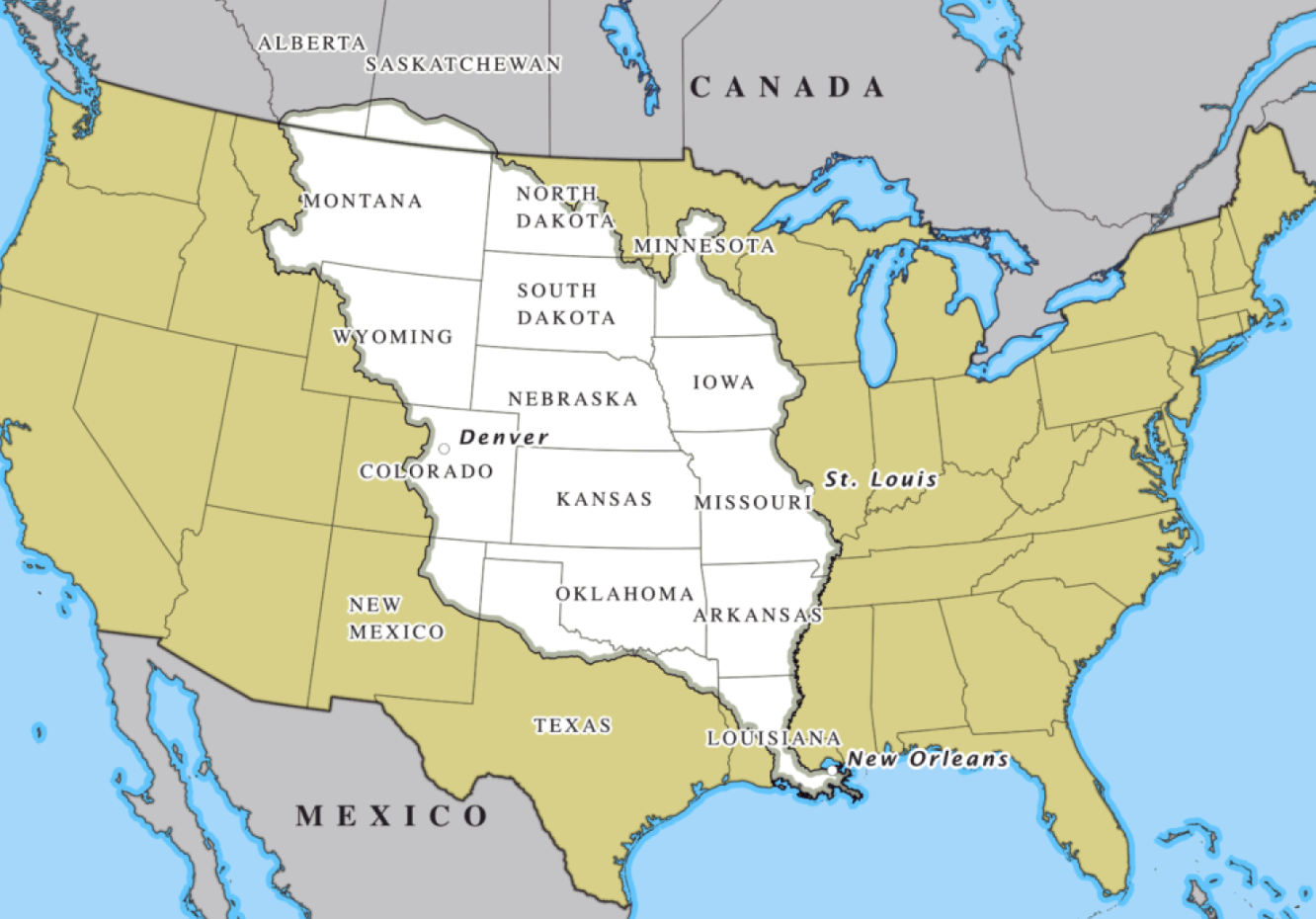
Read MoreIn the early years of the United States, few decisions carried as much long-term impact as the Louisiana Purchase. While often remembered for dramatically expanding the nation’s borders, the acquisition was driven by practical concerns—especially agriculture, trade, and access to markets. As explained by Mark Oppold in this American Agriculture History Minute, President Thomas Jefferson recognized that the future of American farmers depended on one strategic location: the port of New Orleans.
Read MoreWith about half of Louisiana’s — and the nation’s — farmers facing dire financial straits, agricultural communities are hoping the $12 billion short-term relief ordered by President Donald Trump earlier this month will be enough to offset losses from trade wars, tariffs, depressed commodity prices, and increased planting costs.
Read More