LSU AgCenter scientists and researchers are constantly on the lookout for invasive pests that can decimate crops and herds and lead to significant financial losses for farmers and the local economy.
Read More
LSU AgCenter scientists and researchers are constantly on the lookout for invasive pests that can decimate crops and herds and lead to significant financial losses for farmers and the local economy.
Read MoreThis month’s 2025/26 U.S. corn outlook is for greater exports and lower ending stocks. Exports rose 125 million bushels to 3.2 billion reflecting shipments to date. Export inspection data showed robust foreign demand during November and implies total shipments during the September-November quarter will likely exceed 800 million bushels, surpassing the prior high set during 2007.
Read MoreWe hope this holiday-inspired harvest poem makes you smile and gives you hope for the season ahead.
Read MoreThe USA Rice Sustainability Award was created in 2016 to recognize the efforts of all segments of the industry to not only conserve natural resources, but to find innovative ways to address all three pillars of sustainability: environmental, economic, and social sustainability. A subcommittee of the USA Rice Sustainability Committee chooses the winner based on several criteria, including leadership in the industry and broader sustainability community, and a history of promoting and advancing sustainability through innovative practices.
Read MoreFarmers are in position to get federal assistance because of President Trump’s $12 billion financial aid package for producers. LSU AgCenter economist Michael Deliberto says it’s needed as farmers suffered through a tough 2025.
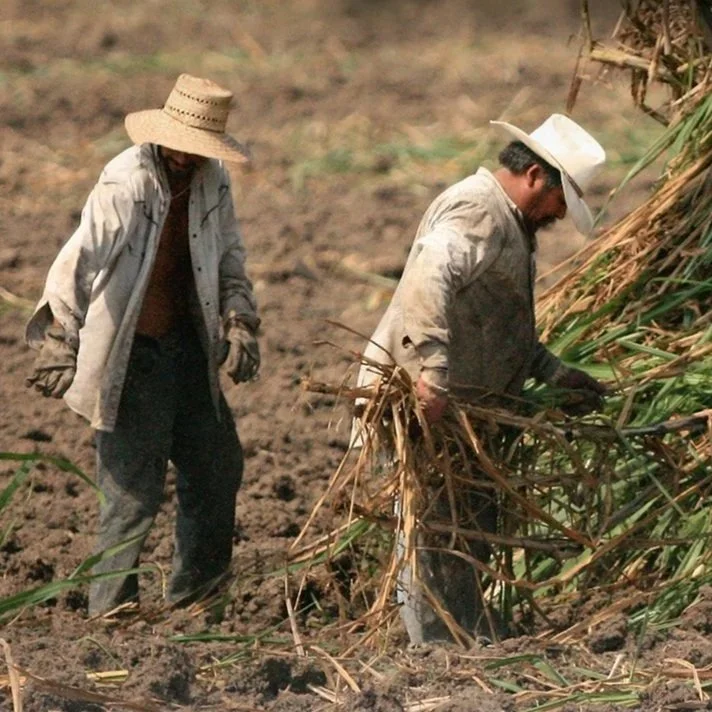
Read MoreIt’s no secret American agriculture heavily relies on immigrant labor to produce much of the food we eat.
Read MoreSouthwest Louisiana farmers gathered at the LSU AgCenter “H. Rouse Caffey” Rice Research Station today to learn about qualifying for federal aid after what many described as a particularly challenging year.
The Trump administration’s Farmer Bridge Program will provide relief in $12 billion in direct aid as soon as the end of February. The administration said the program addresses temporary trade market disruptions and increased production costs.
Read MoreJames Davis had the best year in his entire farming career this year.
The third-generation Black row crop farmer estimated picking almost 1,300 pounds of cotton, an average of 50 bushels of soybeans, and an average of around 155 bushels of corn on 2,500 acres of his farmland in northeast Louisiana.
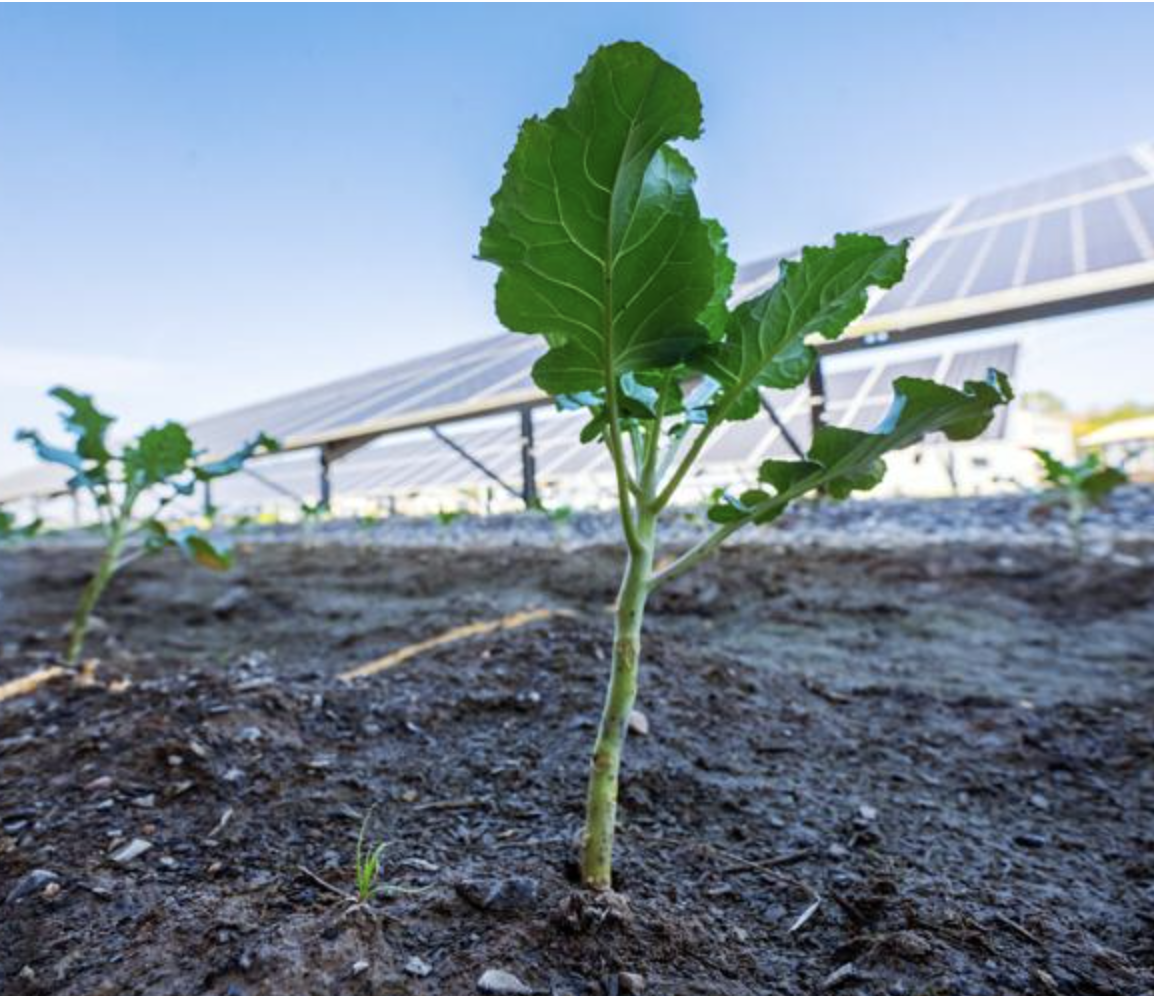
Read MoreHundreds of solar panels generate clean energy at the UL Solar Farm, but it's what's in between those panels that one researcher hopes will revolutionize Louisiana agriculture.
Read MoreFarmers National Company president Paul Schadegg sees the recently announced $12 billion in bridge payments to farmers having a variety of effects on the ag economy.
Read MoreThe Federal Reserve cut interest rates another quarter point last week.
Ag economist Dr. Megan Roberts with Compeer Financial says the Fed is likely responding to labor market concerns.
Read MoreOn Tuesday, Kennedy Rice Mill CEO Meryl Kennedy was invited on CNN to talk about the impact of President Trump's tariffs and how they are affecting the U.S. rice industry.
Read MoreToday, Congressman Troy A. Carter, Sr. (D-LA), alongside Representatives Sharice Davids (D-KS), Mike Flood (R-NE), and Tracey Mann (R-KS), introduced the Securing America’s Fuels (SAF) Act, bipartisan legislation designed to strengthen the sustainable aviation fuel (SAF) industry, increase demand for American agricultural products, and reduce emissions in the transportation sector.
Read MoreUnited States Trade Representative (USTR) Jamieson Greer told lawmakers in Washington DC that the US has received the “best ever” offer from India. This comes as US negotiators initiated their two-day trade talks in New Delhi on December 10. He added that India has been a "difficult nut to crack," citing New Delhi's opposition to importing American agricultural goods.
Read MoreWhen Donald Trump promised new tariffs while running for president, Gene Stehly worried that trade disputes would jeopardize his international sales of corn, soybeans and wheat.
Read More