Genetic seafood testing in Lafayette this month found four of the 24 restaurants sampled were deceptively serving foreign shrimp presented as domestic in violation of state law.
Read More
Genetic seafood testing in Lafayette this month found four of the 24 restaurants sampled were deceptively serving foreign shrimp presented as domestic in violation of state law.
Read MoreUSDA’s first acreage estimate shows farmers could plant more corn acres this year, but fewer soybean and cotton acres.
Read MoreTime is running out for USDA to issue the nearly $10 billion of economic relief payments to farmers. Congress approved a 90-day window to release those payments, and in an exclusive interview with U.S. Secretary of Agriculture Brooke Rollins Thursday morning, we asked when exactly those payments will be released. Rollins confirmed to Farm Journal that those payments will be released before the current deadline.
Read MoreHere in Lafayette, Louisiana, we know a thing or two about crawfish boils.
But while we’re cracking shells and soaking up the spice, we’re also watching something else grow: AI technology. It’s creeping into every industry, changing the way we work, create, and communicate. And as someone who spends a lot of time creating content, I can’t help but be intrigued by the possibilities.
Read MoreKenneth Gravois grew up on a sugarcane farm and has spent most of his career working with this unique crop. His dedication to the sugarcane industry and years spent improving sugarcane varieties has led to the LSU AgCenter naming Gravois to the American Sugar Cane League Chair in Sugar Production.
Read MoreLouisiana 4-H and FFA livestock competitors from Shreveport to Sorrento and all points between came together to participate in the 90th annual LSU AgCenter Livestock Show from Feb. 11 to 18 at the Lamar-Dixon Expo Center in Gonzales.
Read MoreThe value of production for field crops in Louisiana during 2024 totaled $2.71 billion, down 7 percent from 2023. The top three crop commodities (excluding sugarcane), soybeans, rice, and corn, accounted for 51 percent of the total value of production for field crops.
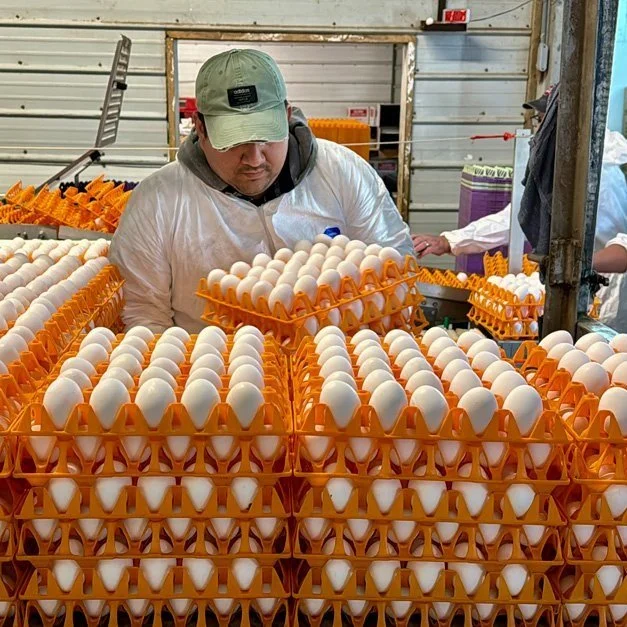
Read MoreU.S. Secretary of Agriculture Brooke Rollins today announced a $1 billion-dollar comprehensive strategy to curb highly pathogenic avian influenza (HPAI), protect the U.S. poultry industry, and lower egg prices. This is in addition to funding already being provided to indemnify growers for depopulated flocks.
Read MoreAs trade tariffs continue to impact the economy, Louisiana farmers are feeling the strain of rising costs and shifting market prices. Ryan Yerby, a fourth-generation commercial farmer and owner of Tareau Farms in Colfax, shared his perspective on how the tariffs are affecting local agriculture and what consumers are facing.
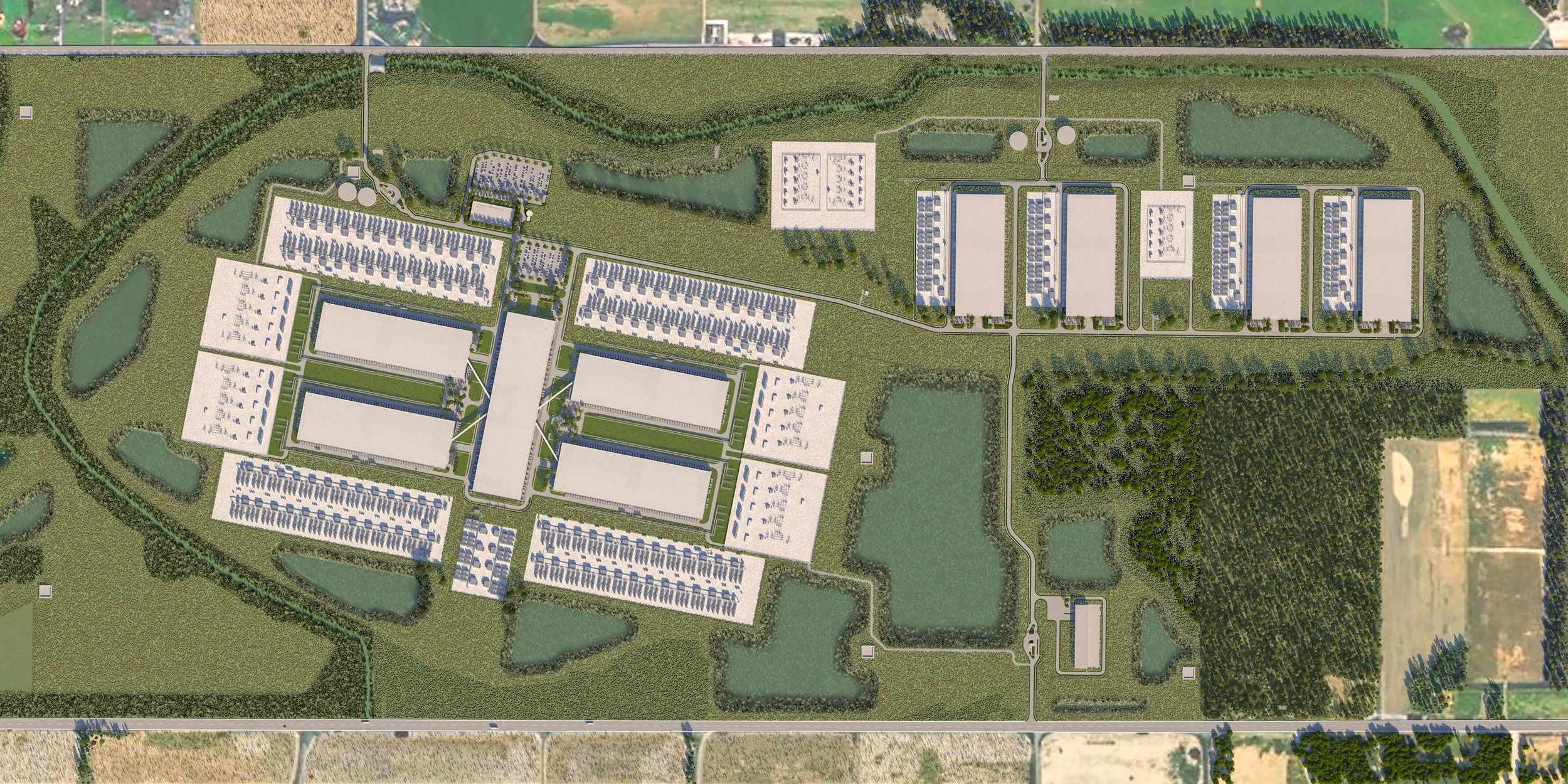
Read MoreMeta, the parent company of Facebook, has announced plans to build a $10 billion AI data center in northeast Louisiana.
To power the massive data center, Entergy Louisiana is investing $6 billion in electric infrastructure, including a 10,000-acre solar farm, three natural gas turbines, and 100 miles of new transmission lines.
With H5N1, also known as avian influenza or bird flu, on the rise a recent LSU AgCenter hire is bringing a set of skills to his research seldom seen in the field of poultry science — a mechanical engineering degree.
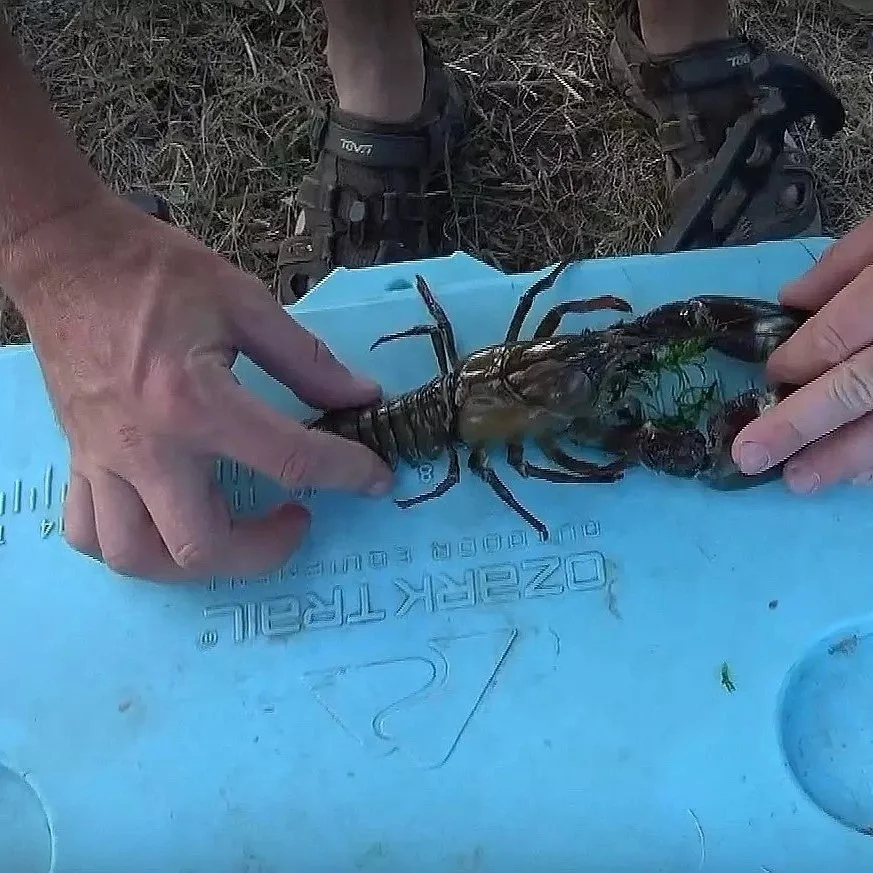
Read MoreCrawfish are kind of our thing here in Louisiana. We're known across the U.S. for them to the point where whenever anyone sees a crawfish they immediately think of Louisiana.
Well, what if we told you that there's a place in Idaho that boasts a native species of crawfish that can grow about twice the size of what we catch in Louisiana and apparently are "the best tasting crawfish in the world"?
Read MoreMost action starts with a spark, a catalyst to do something. Louisiana 4-H was igniting that spark for seventh and eighth graders during the first Spark Action Change Summit held Feb. 20 to 22 in Baton Rouge.
Read MoreSustainable, Small Farm Incubator Program, a business development program for new and beginning farmers in Louisiana.
Read MoreWith time running short on the 30-day delay of implementation of tariffs on Canada and Mexico, the U.S.’s neighbors to the north have already announced plans for retaliation. Betty Resnick, an economist with the American Farm Bureau Federation, says this all traces back to an executive order from the start of this month.
Read More