Click below for the market report from the latest Tiger Lake Livestock Auction.
Read More
Click below for the market report from the latest Tiger Lake Livestock Auction.
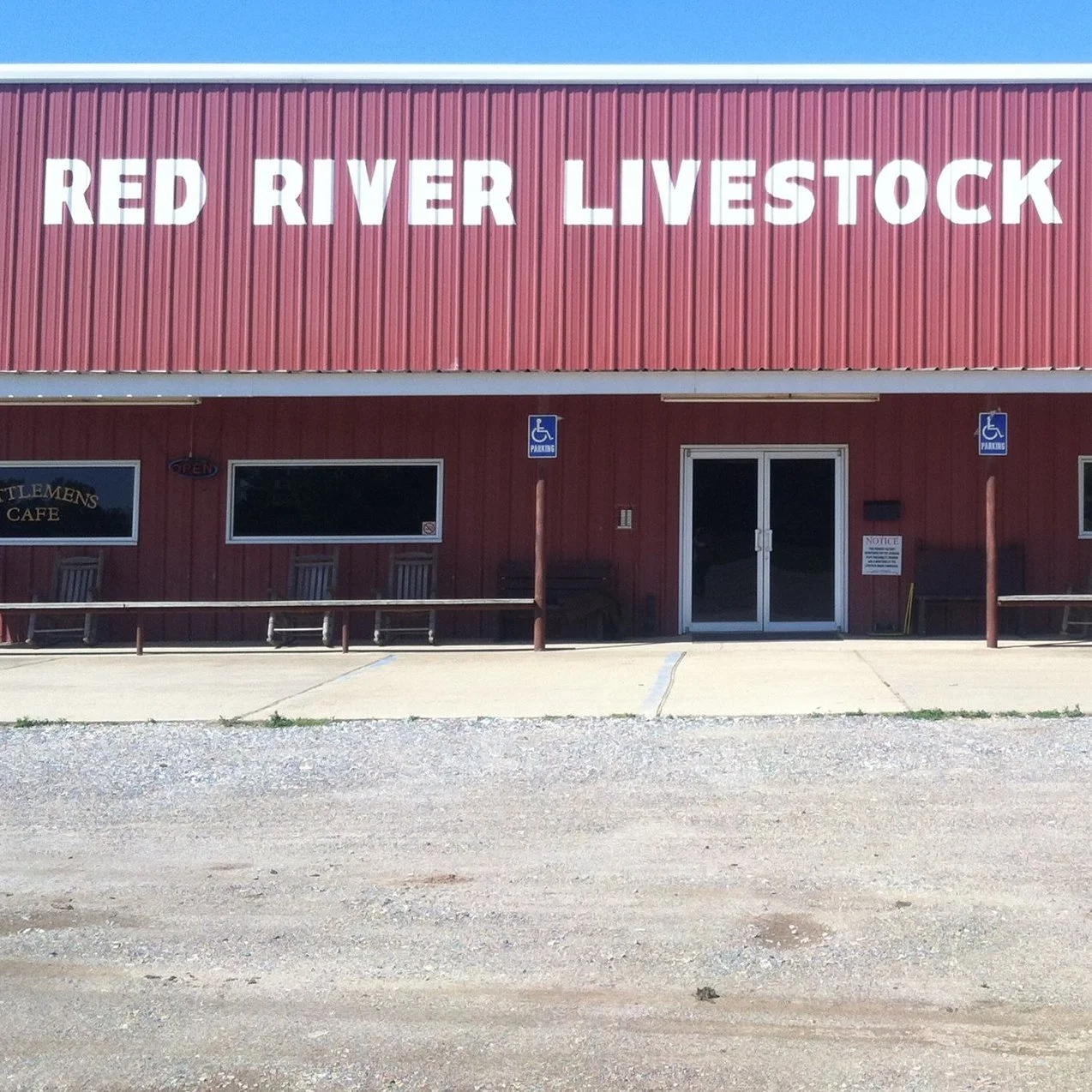
Read MoreClick below for the market report from the latest Red River Livestock Auction.
Read MoreClick below for the market report from the latest Kinder Livestock Auction.
Read MoreThe U.S. Department of Agriculture (USDA) is investing $7 million to support the development of wetland mitigation banks for agricultural producers through the Wetland Mitigation Banking Program (WMBP). Through wetland mitigation banks, wetlands are restored, created or enhanced, generating credits that can be purchased by producers looking to compensate for unavoidable impacts to wetlands at another location. The funding is available to Tribes, government entities, nonprofits and other organizations.
“Wetlands provide important ecosystem services, like storing floodwaters and filtering pollutants, while also serving as critical habitat to wildlife,” said USDA’s Natural Resources Conservation Service (NRCS) Chief Terry Cosby.
Read MoreThe U.S. Department of Agriculture today announced it is taking several additional actions to ensure the health and viability of the nation’s livestock and poultry. In the two months since the initial detection of H5N1 in dairy cattle, USDA has worked quickly and in concert with its federal and state partners to better understand the virus and contain the disease and remains committed to seeking additional ways to collect the data needed to better understand and mitigate the risk created by this outbreak.
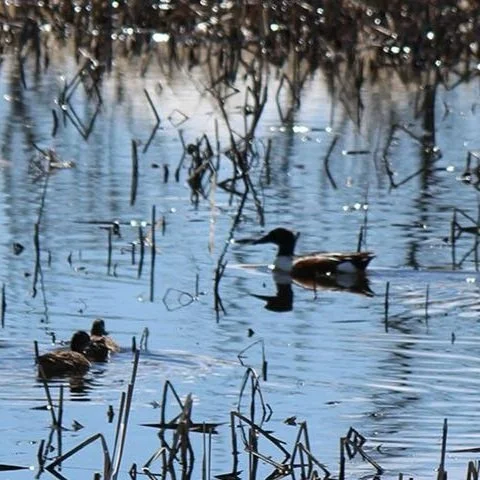
Read MoreLouisiana Department of Wildlife and Fisheries is asking for help if you are on or around bodies of water this summer and see fish kills to give them a call. LDWF Inland Fisheries Technical Advisor Robby Maxwell.
“If you see dead fish in public waters please report them. Call your local district fisheries office and just report what you’re seeing, where you are and how many dead fish there are and we will respond to it in an appropriate manner.”
Read MoreThe 74th annual Peach Festival is this Saturday in downtown Ruston, an opportunity to enjoy 12 hours of live music, an art market and it’s Louisiana so of course there’s a plethora of peachy good food.
“This is our largest annual event that we host. In 2023 we had over 24,000 people come through the single day event. So, it is by far the largest festival or event that we produce in Ruston and Lincoln Parish,” said Experience Ruston spokesperson Tori Davis.
Read MoreAmerica's most insane occupational licensing law is about to get a whole lot better.
Louisiana is the only state in the country that requires florists to be licensed by the government. A bill that is now on the way to Gov. Jeff Landry's desk sadly won't change that fact, but it will eliminate the mandatory test that prospective florists in Louisiana must pass before being allowed to earn a living by placing different types of flowers together in an arrangement.
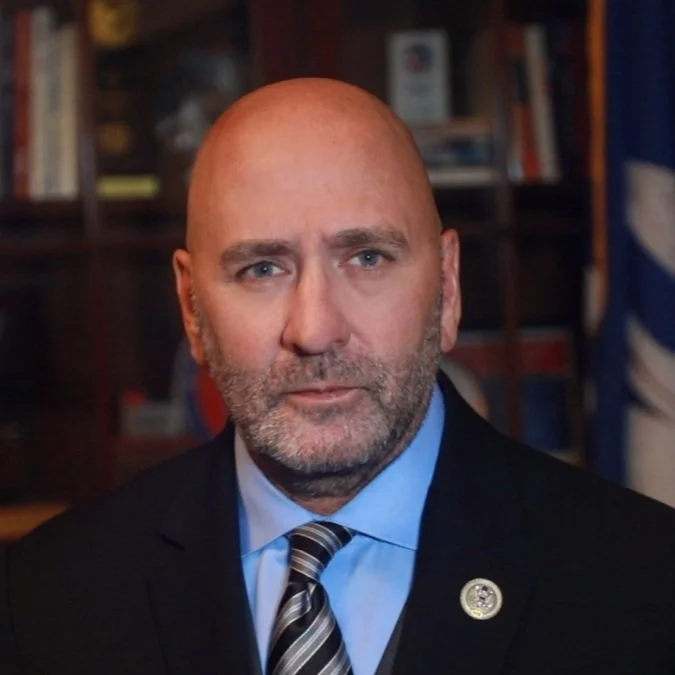
Read MoreCongressman Clay Higgins (R-LA) introduced a Congressional Review Act (CRA) resolution in response to the Environmental Protection Agency’s (EPA) new rule that threatens the production of chemicals needed for countless everyday products and used in key industries such as agriculture, health care, and semiconductors.
The rule places unreasonable regulatory burdens on chemical facilities, impacting at least 195 sites across the country, including many located directly in Louisiana.
Read MoreThe U.S. Department of Agriculture (USDA) will invest up to $50 million in fiscal year 2024 through the Wetland Reserve Enhancement Partnership (WREP) to support conservation partners with local projects that help protect, restore and enhance critical wetlands on agricultural lands and help mitigate climate change as part of President Biden’s Investing in America agenda. With funding from the 2018 Farm Bill and the Inflation Reduction Act—the largest climate investment in history, including historic funding for conservation easements and other conservation programs—WREP empowers eligible conservation partners to work with local agriculture producers to protect, restore and enhance high-priority wetlands on agricultural lands.
Read MoreFull disclosure, Savannah and I went to school together. However, when I saw they had built a vineyard and winery in our hometown, I knew that I wanted to feature it in one of our Feasting on Agriculture segments.
Thirsty Farmer’s story does start in a more familiar wine country. After a trip to California’s wine country in 2015, the couple decided to try their hand at growing grapes and winemaking back home. Michael planted more than 150 vines of their favorite wine grapes, but the crop was not exactly successful.
Read MoreRain has returned to the state, which feels like mixed news, depending on who you talk to. It feels like we went from too wet, to too dry, and back to wet, with no time in the middle. It looks like more rain is on the way, as well as at least some threat for severe weather.
The pattern we are in is typical for late spring into the first days of summer. A northwesterly flow aloft is carrying disturbances that will interact with plenty of moisture and instability.
Read MoreA coalition of Louisiana’s largest agricultural groups representing more than 150,000 Louisiana residents today sent a letter to the state’s congressional delegation urging them to pass The Farm, Food, and National Security Act of 2024 now that it has advanced out of the House Agriculture Committee.
Louisiana Farm Bureau, American Sugar Cane League, Louisiana Cotton and Grain Association, Louisiana Forestry Association, Louisiana Rice Producers Group and Louisiana Cattlemen’s Association are the organizations that signed the letter.
Read MoreSpringtime disease losses in fishponds are common throughout the Southeast, especially in Louisiana, according to LSU AgCenter aquaculture specialist Greg Lutz. Many problems that become apparent in the spring begin in the fall, when hot weather can reduce oxygen levels in ponds and make fish susceptible to diseases.
Read MoreWhen he first enrolled in college, Justin Dufour thought he wanted to become an athletic trainer. But a few classes into his coursework at LSU Alexandria, he realized that career path wouldn’t suit his interests very well.
Ultimately, it was Dufour’s part-time job at the neighboring LSU AgCenter research station that helped him settle on a degree in biology and led him to a career in agriculture.
Read More